
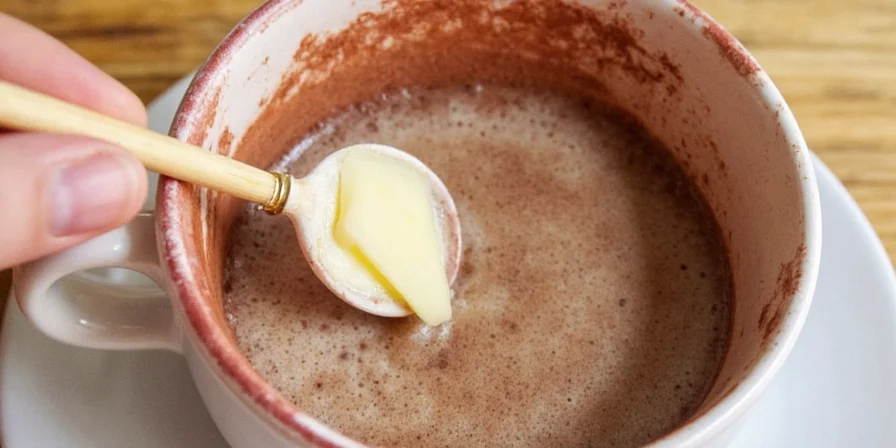
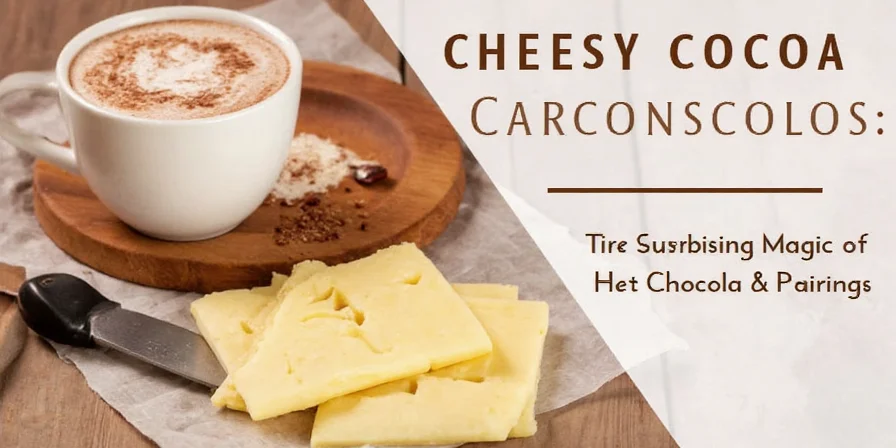
Cheesy Cocoa Chronicles: The Surprising Magic of Hot Cocoa & Cheese Pairings
Hot cocoa? Yes. Cheese? Also yes. Together? Believe it or not, this unlikely pairing is turning heads (and tastebuds) in the culinary world. If you’ve ever dipped a slice of dark chocolate into melted cheese or added a sprinkle of cinnamon to your hot chocolate, you’re already flirting with the concept of spice-inspired flavor layering. In this article, we’ll explore the art of combining hot cocoa and cheese — yes, like a food scientist and sommelier rolled into one — while throwing in some practical tips, a few cheeky comparisons, and a sprinkle of science to keep things spicy.
Table of Contents
- Why Hot Cocoa and Cheese?
- Top 5 Hot Cocoa & Cheese Pairings You Need to Try
- The Science Behind the Spice: What Makes These Pairings Work?
- Pro Tips for Perfecting Your Cocoa-Cheese Creations
- DIY Recipes: From Casual Sipping to Luxurious Dipping
- Conclusion: Think Outside the Mug and Melt
Why Hot Cocoa and Cheese? A Match Made in Culinary Heaven?
You might be thinking: "Cheese in hot cocoa? That sounds like something out of an alternate universe where pancakes are savory and pizza comes with ketchup." But hear us out — there's real chemistry at play here.
Both hot cocoa and cheese are rich in fat-soluble compounds and aromatic molecules that dance beautifully when combined. And let’s not forget about the role of spices — from cinnamon and nutmeg to cayenne and smoked paprika — which can bridge the gap between sweet and savory in ways that make your taste buds throw confetti.
Flavor Layering 101: How Cheese Complements Chocolate
| Cocoa Compound | Cheese Compound | Resulting Flavor Note |
|---|---|---|
| Theobromine (bitterness) | Lactic acid (tanginess) | Balanced bittersweet complexity |
| Polyphenols (earthiness) | Butyric acid (creaminess) | Velvety mouthfeel with earthy undertones |
| Cacao butter (richness) | Casein (protein structure) | Thick, indulgent texture |
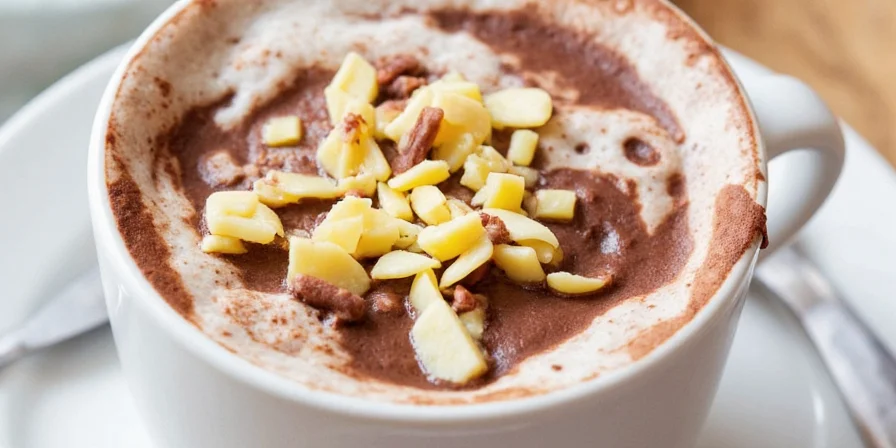
Top 5 Hot Cocoa & Cheese Pairings You Need to Try
We’ve all heard of wine and cheese. But what about cocoa and cheese? Here’s our curated list of the most innovative and surprisingly delicious combinations:
- Dark Cocoa + Aged Gouda: Smoky and slightly caramelized, aged Gouda complements the deep bitterness of dark cocoa. Add a dash of smoked paprika to mimic the aging process in your mug.
- Milk Cocoa + Brie: Creamy meets creamy! The velvety texture of brie blends seamlessly with milk chocolate, creating a luxurious sipping experience. Garnish with rose petals or cardamom for a Middle Eastern twist.
- Spiced Cocoa + Blue Cheese: This one’s for the adventurous. Blue cheese brings sharp funkiness that contrasts beautifully with warm spices like cinnamon and clove. Stir in a pinch of orange zest to brighten up the flavors.
- White Cocoa + Cheddar: White chocolate may seem innocent, but when paired with sharp cheddar and a splash of nutmeg, it becomes a bold, salty-sweet sensation.
- Espresso-Infused Cocoa + Ricotta: Not technically cheese, but close enough. Ricotta adds a light, airy contrast to espresso-cocoa blends. Top with toasted walnuts and a drizzle of honey for crunch and sweetness.
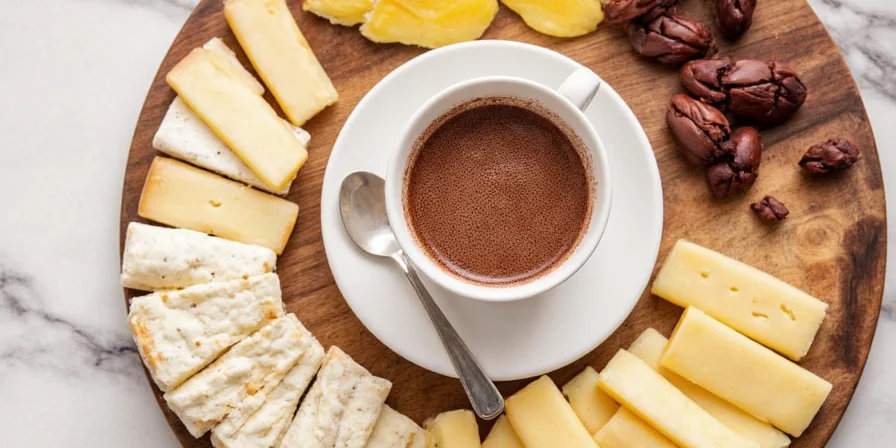
The Science Behind the Spice: What Makes These Pairings Work?
It’s easy to dismiss this as just another quirky trend, but there’s solid chemistry backing these combos. Let’s dive into the molecular madness behind the magic:
- Fat Solubility: Both cheese and cocoa contain high levels of fat, which act as carriers for flavor compounds. Spices like vanilla and cinnamon dissolve more effectively in fat than in water, enhancing aroma and depth.
- Volatile Compounds: Roasted cacao beans release over 600 volatile compounds — many of which overlap with those found in aged cheeses. Think of them as olfactory cousins who met at a family reunion.
- Umami Amplification: Cheeses like Gouda, Parmesan, and blue varieties are rich in umami — the fifth taste. When combined with the slight bitterness of dark cocoa, they create a flavor explosion that lingers on the tongue.
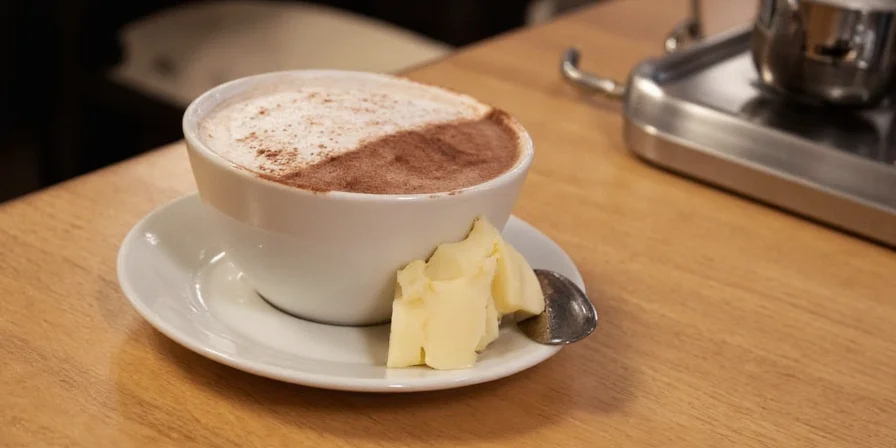
Pro Tips for Perfecting Your Cocoa-Cheese Creations
Ready to become the mad scientist of your own kitchen? Here are five handy tricks to elevate your cocoa-and-cheese game without needing a PhD in flavor pairing:
- Grate It Up: Use a microplane to grate soft cheeses directly into your cocoa. It melts faster and integrates better without clumping.
- Warm First: Always warm the cheese slightly before adding to prevent shock from temperature differences, which can cause separation.
- Spice Strategically: Start with mild spices like cinnamon or nutmeg, then build complexity with clove or allspice. For a modern twist, try black pepper or star anise.
- Add Salt Sparingly: Cheese already contains salt, so go easy. A pinch of flaky sea salt can enhance the richness without overpowering the palate.
- Pair with Texture: Serve with crunchy elements like candied nuts, brittle, or even pretzels to add contrast and balance the creaminess.
DIY Recipes: From Casual Sipping to Luxurious Dipping
If you’re ready to take the plunge and impress your guests with your culinary flair, here are two foolproof recipes to get you started:
1. Velvet Brie & Cinnamon Cocoa Elixir
- 1 cup whole milk
- 2 oz dark chocolate, finely chopped
- 1 oz soft brie, rind removed
- ½ tsp ground cinnamon
- A few drops of vanilla extract
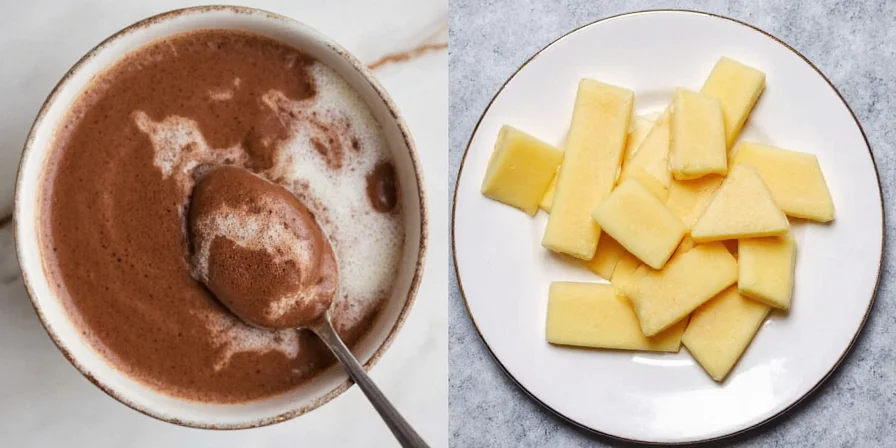
Instructions: Heat the milk gently in a saucepan. Add chocolate, stirring until melted. Toss in the brie and stir until smooth. Sprinkle in cinnamon and finish with vanilla. Serve warm with rose petal garnish or alongside chocolate-dipped figs.
2. Smoky Gouda & Cayenne Drinking Chocolate
- 1 cup oat milk
- 3 oz 70% dark chocolate
- 1 oz grated aged Gouda
- ¼ tsp smoked paprika
- Pinch of cayenne
Instructions: Bring the milk to a gentle simmer. Add chocolate and stir until melted. Slowly whisk in grated Gouda until fully incorporated. Stir in paprika and cayenne. Serve with a caramelized orange peel skewer on the side.
Conclusion: Think Outside the Mug and Melt
In the world of flavor innovation, sometimes the best discoveries come from the strangest combinations. Hot cocoa and cheese may sound like enemies in a culinary rom-com, but once they start talking (or melting), sparks fly.
Whether you’re a pro chef looking for the next big trend or a curious home sipper experimenting with pantry staples, don’t shy away from mixing sweet and savory with a dash of spice. After all, isn’t life too short for boring drinks?
So grab your favorite cheese wedge, melt it into your mug, and let the cozy chaos begin.




 浙公网安备
33010002000092号
浙公网安备
33010002000092号 浙B2-20120091-4