
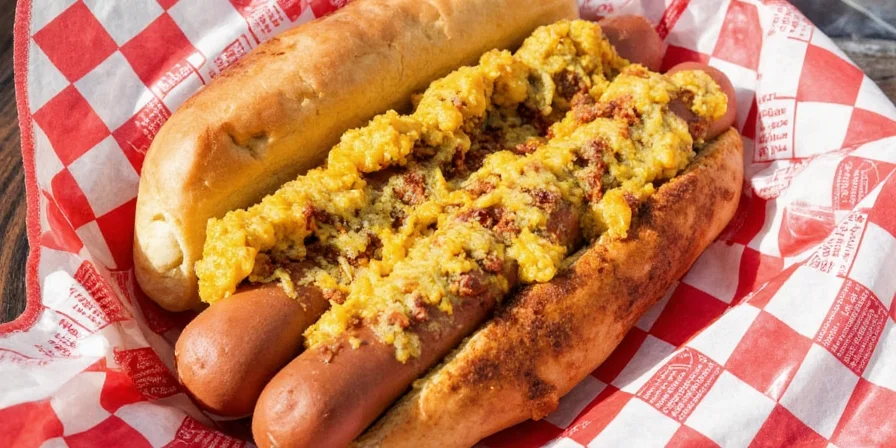
Hot Dogs & Spice: The Unexpected Fusion That’s Redefining New York Street Food
New York is a city that never sleeps — and apparently, it never stops snacking either. From bagels to pizza slices, NYC has a rich culinary heritage. But one of the most iconic street foods? The humble hot dog. While classic toppings like mustard, relish, and sauerkraut have long dominated carts across the five boroughs, a spicy revolution is underway.
In this article, we’re diving into the world of Innovative Spice Pairings for New York Hot Dog Toppings, blending global flavors with local traditions to create something totally new (and wildly delicious). Whether you're a seasoned foodie or a curious carnivore, these spice hacks will elevate your frankfurter game from corner cart basic to flavor-packed brilliance.
Table of Contents
- Why Spices Are the Secret Weapon of Great Hot Dogs
- Top 5 Global Spice Inspirations for Hot Dogs
- Spice Pairing Chart: Match Your Meat with Flavor
- DIY Tips: How to Spice Like a Pro at Home
- NYC-Inspired Hot Dog Recipes with a Spicy Twist
- Conclusion: The Future of Frankfurters Is Flavorful and Funky
Why Spices Are the Secret Weapon of Great Hot Dogs
Let’s face it — a plain hot dog can be pretty bland. It's all about what you put on top. Sure, ketchup adds color and texture, but it doesn’t really contribute much in terms of depth. Enter: spices.
Spices aren’t just for gourmet chefs or Instagram foodies. They’re powerful tools that unlock aroma, heat, sweetness, and umami. When applied correctly, they can transform a simple street snack into a flavor bomb that makes your taste buds dance like it’s midnight in Times Square.
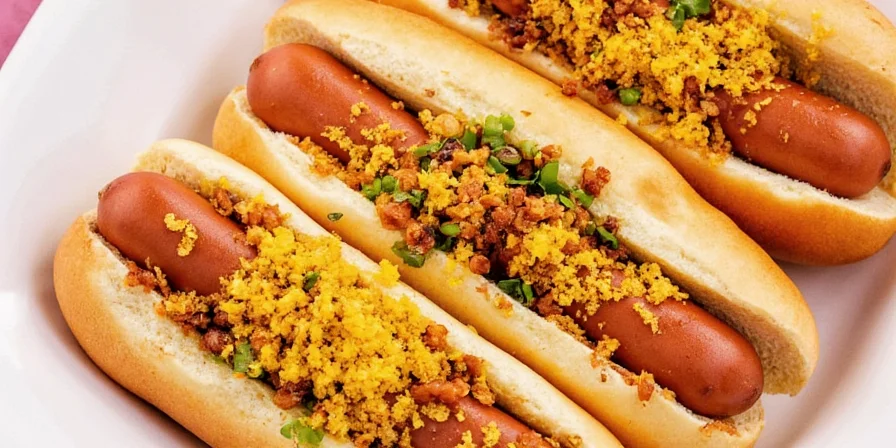
Think of your hot dog as a canvas. The bun is your base coat, the sausage is the body color, and the toppings are the final brushstrokes. Spices? They’re the finishing gloss that brings everything together.
Top 5 Global Spice Inspirations for Hot Dogs
New York may be known for its Jewish-Italian-American fusion cuisine, but why stop there? The city’s diversity means you can find inspiration from around the globe. Here are five international spice profiles that make killer hot dog toppings:
- Harissa (North Africa): Smoky, fiery, and slightly fruity, harissa paste adds an intense kick. Mix it with mayo or Greek yogurt for a spread that’ll warm your soul (or burn your tongue — proceed with caution).
- Gochujang (Korea): This fermented chili paste brings heat, salt, and sweetness all in one. Try mixing gochujang with brown sugar and vinegar for a sticky, smoky glaze.
- Curry Powder (India): A mild-to-medium option depending on the blend, curry powder pairs well with mango chutney or chickpeas for a unique twist.
- Za’atar (Middle East): Tangy, earthy, and aromatic, za’atar works best when sprinkled over a drizzle of olive oil or mixed into a labneh topping.
- Adobo Seasoning (Latin America/Caribbean): Garlic, oregano, and citrus zest meet salt in this bold seasoning. Use it on grilled onions or sprinkle directly onto the meat for instant flavor upgrade.
Spice Pairing Chart: Match Your Meat with Flavor
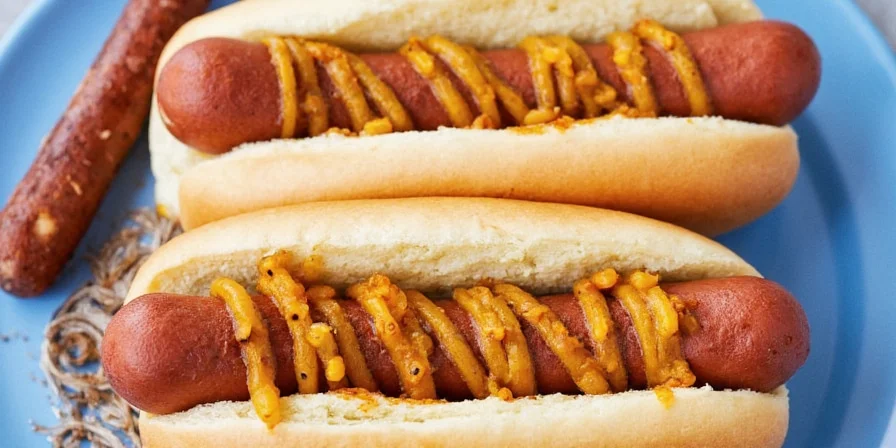
To help you navigate the spice universe, here’s a handy chart showing which spices pair best with different types of hot dogs:
| Hot Dog Type | Recommended Spices | Flavor Profile | Topping Suggestion |
|---|---|---|---|
| All-Beef | Paprika, black pepper, garlic powder | Classic, savory, bold | Onion relish + paprika aioli |
| Veggie Dog | Cumin, smoked paprika, chili flakes | Earthy, smoky, spicy | Guacamole + lime crema |
| Kosher Dog | Dill, lemon zest, sumac | Fresh, tangy, herbal | Tzatziki + dill pickles |
| Bratwurst Dog | Mustard seeds, caraway, marjoram | Robust, yeasty, bready | Sauerkraut + dijon aioli |
| Chili Cheese Dog | Cayenne, cocoa powder, cinnamon | Rich, spicy, sweet-savory | Dark chocolate chili + cheese |
DIY Tips: How to Spice Like a Pro at Home
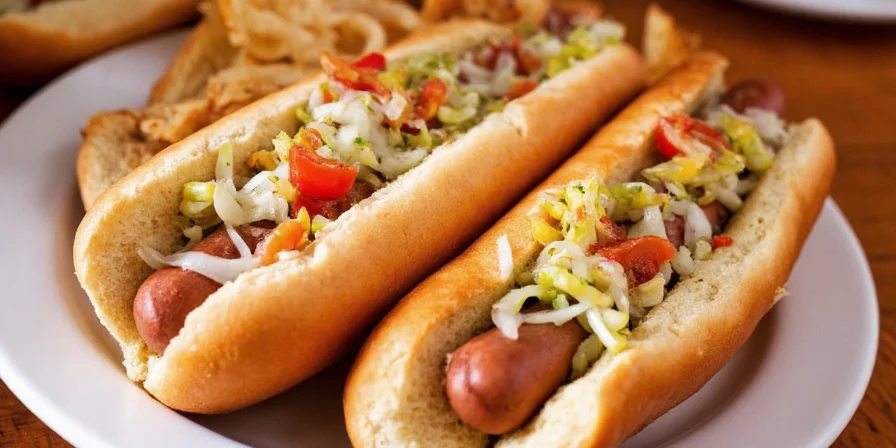
You don’t need a food truck or Michelin star to bring these flavors home. Here are some pro-level tips for spicing up your own hot dogs:
- Create Your Own Spice Blend: Combine equal parts garlic powder, onion powder, smoked paprika, and cayenne for a versatile mix that works on almost any meat.
- Toast Your Spices First: Heat a dry pan and toast whole spices (like cumin seeds or coriander) before grinding them. This unlocks deeper flavor notes.
- Don’t Overdo It: Start small. You can always add more spice later, but you can’t take it away once it’s on your dog.
- Balance With Sweetness: If things get too spicy, try balancing with honey, maple syrup, or even pineapple relish.
- Add Fresh Herbs at the End: Chopped cilantro, parsley, or scallions brighten up the dish and add contrast.
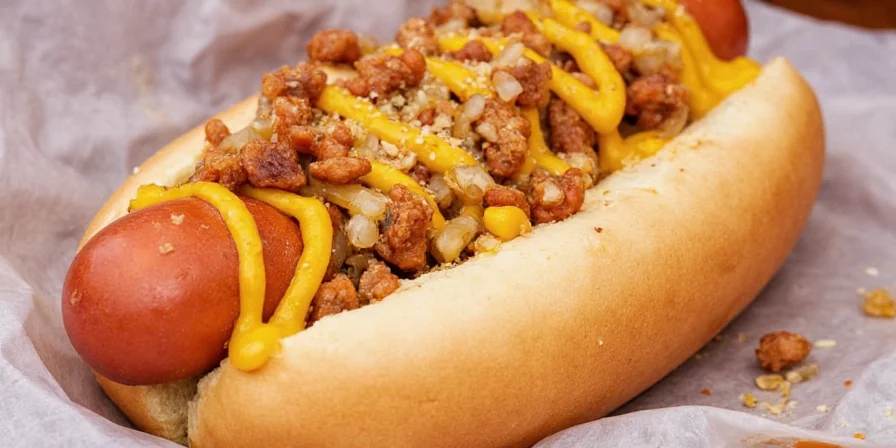
NYC-Inspired Hot Dog Recipes with a Spicy Twist
Now let’s get practical. Here are three hot dog recipes inspired by NYC neighborhoods, each with a unique spice twist:
-
The Brooklyn Brisket Burner
Spice combo: Chili powder, brown sugar, coffee grounds (yes, really), and chipotle in adobo.
Toppings: Braised brisket, caramelized onions, BBQ sauce infused with smoked paprika, and crispy fried shallots.
-
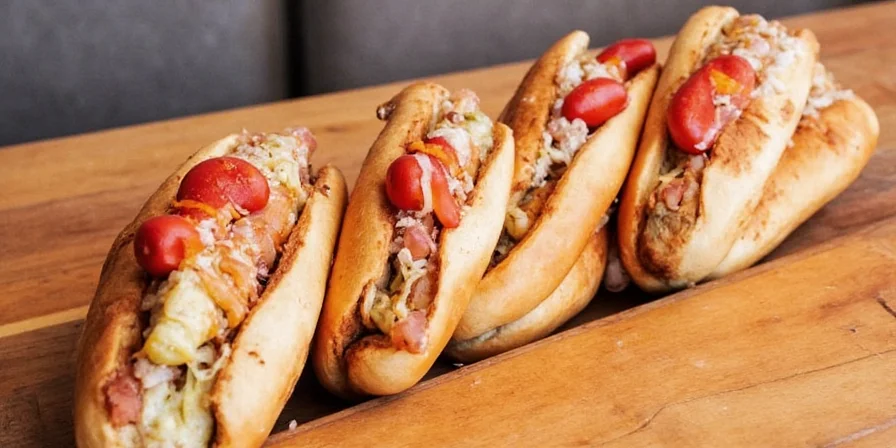
The Queens Curry Cloud
Spice combo: Garam masala, turmeric, ginger powder.
Toppings: Chickpea mash, tamarind chutney, mint yogurt sauce, and microgreens.
-
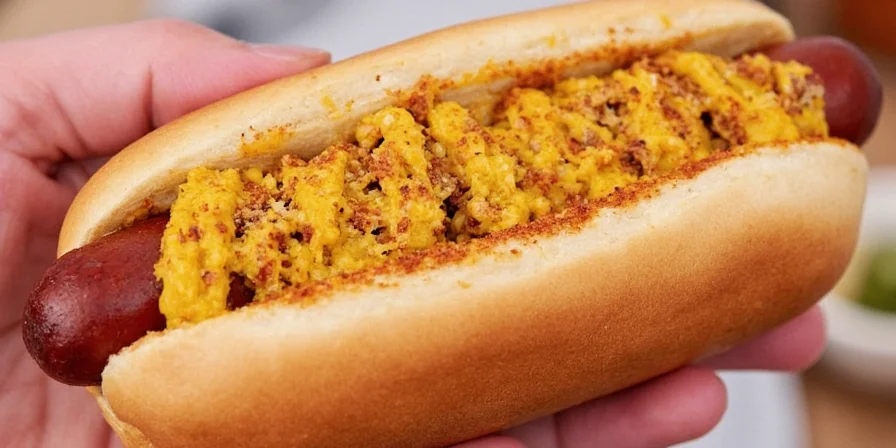
The Bronx Bombshell
Spice combo: Harissa, lime zest, and a pinch of ground fennel.
Toppings: Pickled peppers, roasted red peppers, harissa aioli, and crumbled feta cheese.
Conclusion: The Future of Frankfurters Is Flavorful and Funky
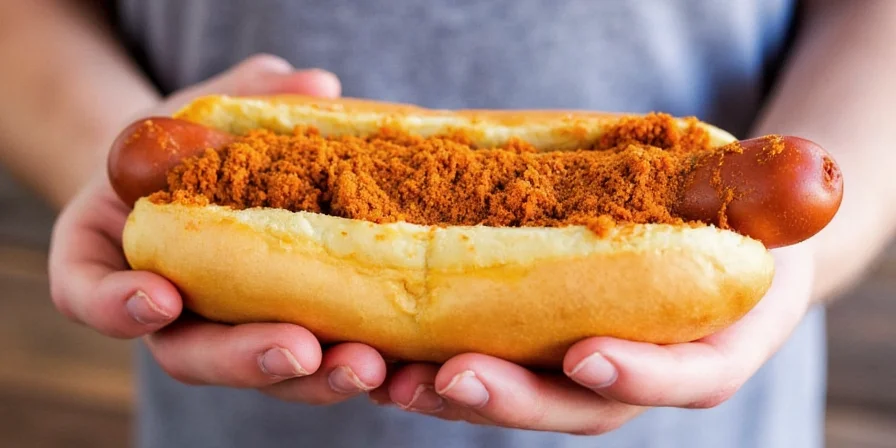
New York hot dogs have come a long way from their mustard-and-relish beginnings. With a little imagination and a dash of spice, they’ve become vessels for bold, global flavor combinations that reflect the melting pot spirit of the city itself.
Whether you’re sipping coffee in Brooklyn or dodging traffic in Midtown, the next time you grab a hot dog, think beyond the standard condiments. Spice up your life — literally — and let your palate explore the world, one bite at a time.
So go ahead... Be adventurous. Be fearless. And above all — be flavorful.




 浙公网安备
33010002000092号
浙公网安备
33010002000092号 浙B2-20120091-4