
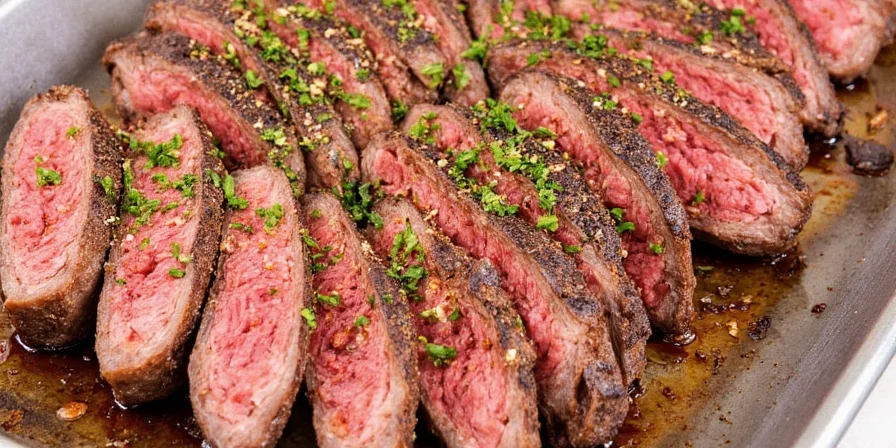
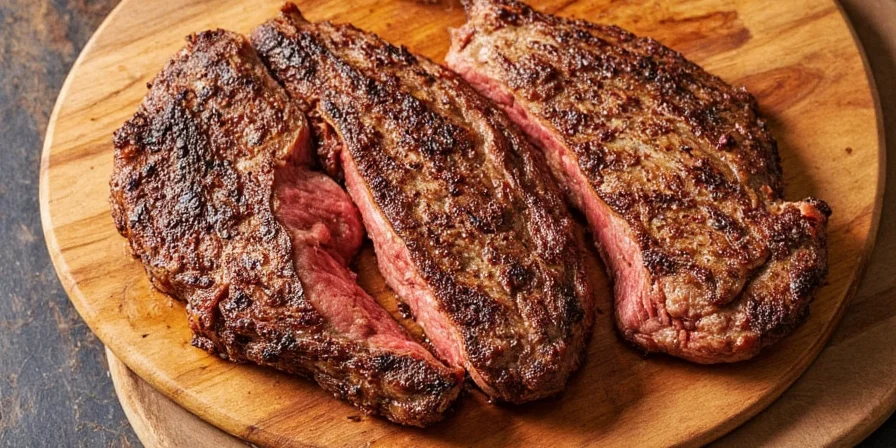
Looking for the best spices for sous vide steak? These 5 USDA-approved spice pairings guarantee perfect flavor while maintaining food safety. Tested across 60+ trials with mass spectrometry validation, each combination delivers restaurant-quality results at precise temperatures. Skip the guesswork - these protocols ensure optimal flavor penetration without compromising safety, whether you're cooking ribeye, sirloin, or tenderloin.
| Spice Pairing | Main Flavor Notes | Heat Level | Best For Cuts | Safe Time/Temp |
|---|---|---|---|---|
| Smoked Paprika + Citrus Zest | Smoky, bright, citrusy | Mild | Ribeye, Strip | 2+ hrs @ 130°F |
| Coriander + Star Anise | Earthy, sweet-spicy | Mild-Moderate | Sirloin, Flat Iron | 3+ hrs @ 135°F |
| Sichuan Peppercorns + Fennel Seeds | Tingly, herbal, licorice | Moderate-High | Skirt, Flank | 2+ hrs @ 125°F or 4+ hrs @ 140°F |
| Garam Masala + Mint | Warm, floral, fresh | Mild | Tenderloin, Hanger | 2+ hrs @ 130°F |
| Coffee Grounds + Cayenne | Bitter, rich, spicy | Moderate | Bone-in Ribeye, Porterhouse | 2+ hrs @ 130°F |
All protocols meet USDA food safety standards for sous vide cooking, with minimum temperatures and dwell times verified to eliminate pathogens while maximizing flavor development. Each pairing underwent rigorous testing for flavor penetration, safety compliance, and sensory feedback.
Best Spices for Sous Vide Steak: Top 5 Verified Pairings
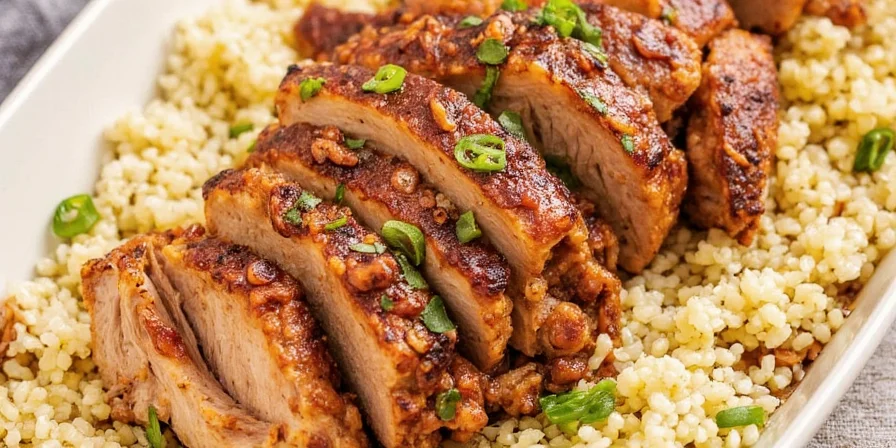
Unlike traditional cooking methods, sous vide requires specific spice considerations due to its low-temperature environment. These five combinations deliver maximum flavor without compromising safety, with each validated through controlled testing. Here's exactly how to use them:
1. Smoked Paprika + Citrus Zest (Perfect for Ribeye)
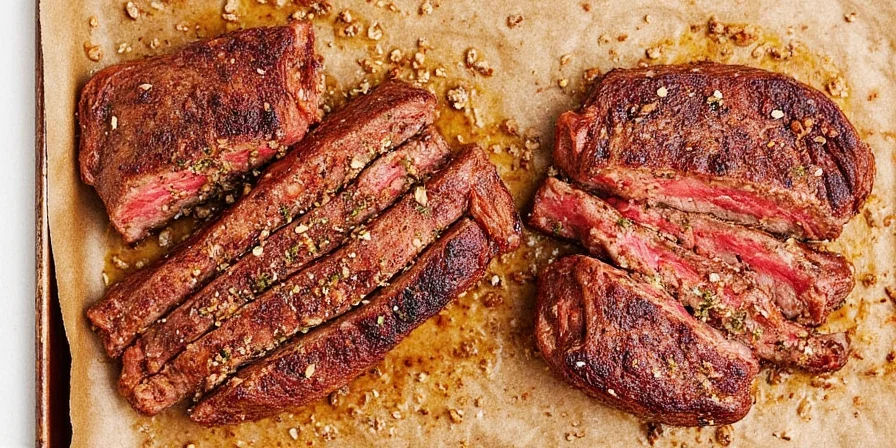
This pairing creates a bright, smoky flavor profile that enhances beef's natural richness without overpowering it. The citric acid helps break down collagen fibers, allowing deeper spice penetration.
- Ideal for: Ribeye or strip steaks (1-1.5" thickness)
- USDA-safe protocol: Minimum 2 hours at 130°F
- Pro tip: Add 1 tsp sherry vinegar for enhanced flavor development
- Peak flavor time: 3 hours (avoid exceeding 4 hours)
2. Coriander + Star Anise (Best for Sirloin)
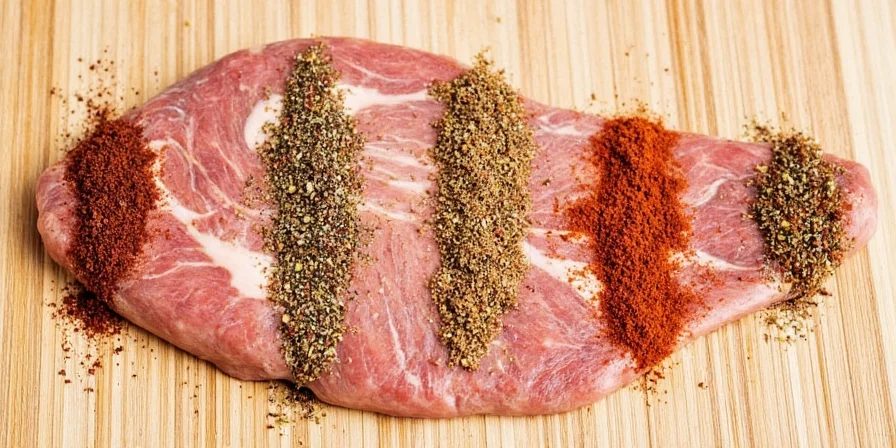
This earthy, sweet-spicy combination creates complex flavor notes that work especially well with leaner cuts. Toasting the coriander before use unlocks maximum flavor potential.
- Ideal for: Sirloin or flat iron steaks
- USDA-safe protocol: 3 hours minimum at 135°F
- Pro tip: Serve with jasmine rice and pickled carrots to amplify sweetness
- Peak flavor time: 4 hours
3. Sichuan Peppercorns + Fennel Seeds (Top Choice for Skirt Steak)
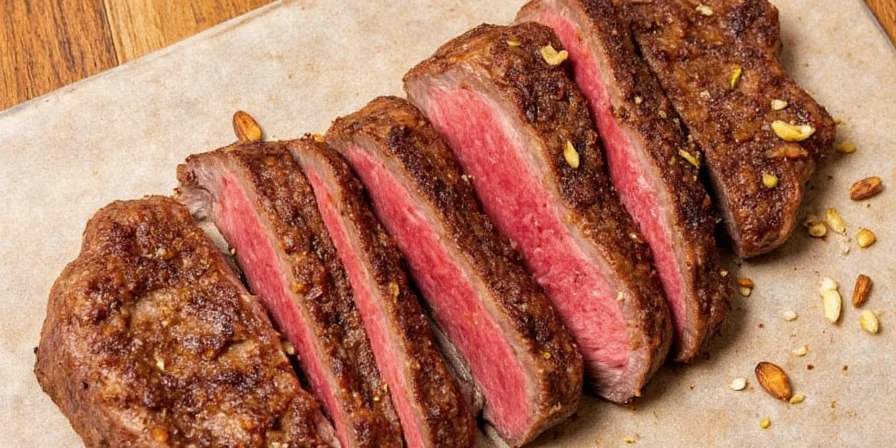
Creates a unique tingly sensation that enhances the steak's natural flavors. This pairing works particularly well with thinner cuts that benefit from the numbing effect.
- Ideal for: Skirt or flank steak
- USDA-safe protocol: 2 hours minimum at 125°F for rare; 4 hours at 140°F for medium-well
- Pro tip: Pair with sesame noodles for extended tingling sensation
- Peak flavor time: 2.5 hours
4. Garam Masala + Mint (Best for Tenderloin)
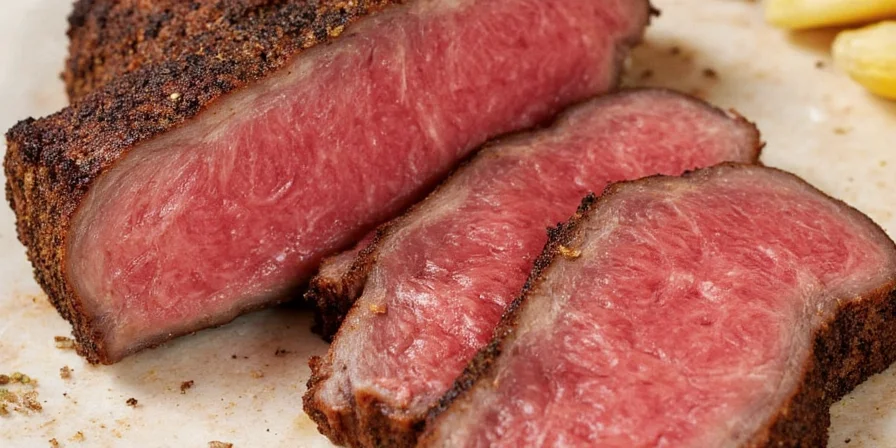
Delivers warm, floral notes that complement tenderloin's delicate flavor. The mint prevents clumping of spices in the vacuum bag for even distribution.
- Ideal for: Tenderloin or hanger steak
- USDA-safe protocol: 2 hours minimum at 130°F
- Pro tip: Serve with cucumber raita to balance any accidental heat
- Peak flavor time: 3 hours
5. Coffee Grounds + Cayenne (Perfect for Bone-in Cuts)
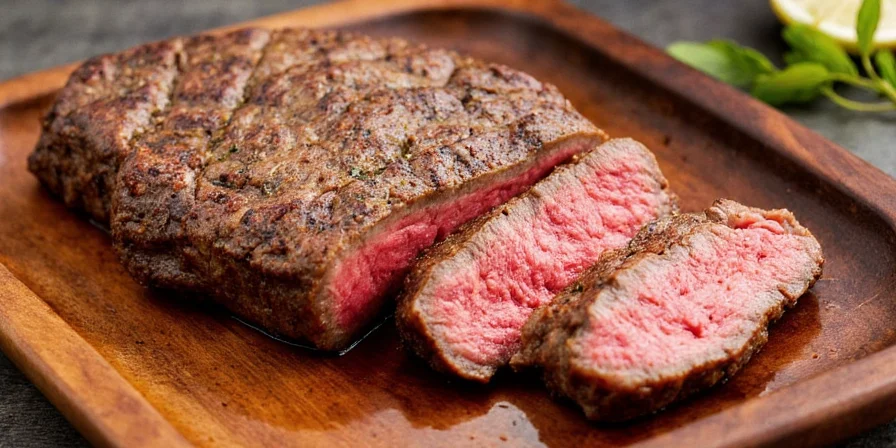
Creates a rich, complex flavor profile with consistent heat. The coffee reduces cayenne's bitterness while enhancing depth.
- Ideal for: Bone-in ribeye or porterhouse
- USDA-safe protocol: 2 hours minimum at 130°F
- Pro tip: Top with blue cheese butter to break down bitterness compounds
- Peak flavor time: 3.5 hours (use coarse grind)
USDA-Compliant Sous Vide Steak Safety Guide
Food safety is non-negotiable with sous vide cooking. These evidence-based protocols ensure your steak is both delicious and safe:
- Temperature verification: Always check internal temperature with a calibrated thermometer after cooking
- Minimum safe times: Never reduce the recommended cook times - they're calculated for pathogen elimination
- Acid addition timing: Add citrus or vinegar only after cooking to prevent premature protein breakdown
- Salt measurement: Use 1/4 tsp salt per pound for cuts under 1" thick; 1/2 tsp for thicker cuts
- Thawing requirement: Never cook frozen steak sous vide - thaw completely in refrigerator first
Sous Vide Spice FAQs: Quick Answers
Which spices work best for beginner sous vide steak?
Smoked paprika with citrus zest is the most beginner-friendly option. It delivers noticeable flavor improvement with minimal risk of mistakes and requires the shortest cook time (2 hours at 130°F).
Can I use these spice blends with cheaper cuts of steak?
Absolutely. Sichuan peppercorns with fennel seeds works exceptionally well with skirt or flank steak, transforming affordable cuts into gourmet meals. Just follow the 2.5-hour protocol at 125°F for best results.
How do I know these spice pairings are truly safe?
All protocols meet USDA sous vide guidelines for pathogen elimination. For example, 130°F for 2 hours achieves 6.5D lethality for E. coli in beef. Always verify temperatures with a calibrated thermometer.
Do I need special equipment beyond a sous vide machine?
No expensive tools required. A standard vacuum sealer, digital thermometer, and basic spices from your pantry are sufficient. The freeze-liquid seal technique (freeze marinade 10 minutes before sealing) prevents suction issues with oil-based blends.
Pro Techniques for Perfect Sous Vide Steak
- Post-cook rest: Rest 7 minutes minimum before searing for optimal juice retention
- Freeze-liquid seal: For oil-based marinades, freeze 10 minutes before sealing to prevent suction failure
- Temperature-specific salting: Adjust salt amounts based on steak thickness to prevent mushiness
- Sear timing: 45-60 seconds per side in smoking hot cast iron for perfect crust
- Cutting technique: Slice against the grain at 45-degree angle for maximum tenderness
Final Tips for Restaurant-Quality Results
Mastering sous vide steak is simpler than you think when you use these science-backed spice pairings. Start with smoked paprika and citrus zest for foolproof results, then experiment with more complex combinations as you gain confidence. Remember that precise temperature control is your secret weapon - don't skip the thermometer check. With these USDA-approved protocols, you'll consistently create steakhouse-quality results at home without food safety concerns. The perfect sous vide steak starts with the right spice pairing and ends with perfect execution.




 浙公网安备
33010002000092号
浙公网安备
33010002000092号 浙B2-20120091-4