
Chipotle Ranch Marinade: The Unexpected Spice Pairings That Will Blow Your Mind (And Taste Buds)
Table of Contents
- Why Chipotle Ranch is the MVP of Marinades
- 5 Game-Changing Spice Pairings You Haven't Tried Yet
- The Science Behind the Sizzle
- Pro Tips for Perfecting Your Chipotle Ranch Marinade at Home
- DIY Recipe: Smoky, Tangy, Spicy Magic in a Jar
- FAQ: Got Questions? We've Got Answers
- Final Thoughts: Let’s Marry This Marinade
Why Chipotle Ranch is the MVP of Marinades
If you’ve ever wondered why your grilled chicken tastes like it's missing that "je ne sais quoi," maybe it’s not your grilling skills—it’s what you’re marinating with. Enter stage left: chipotle ranch marinade. It’s smoky, creamy, spicy, and just weird enough to make your taste buds do a happy dance.
But wait—this isn’t just your average store-bought ranch with a few peppers thrown in. No sir. The real magic lies in the unexpected spice pairings that can turn this bold flavor into something truly unforgettable.
5 Game-Changing Spice Pairings You Haven’t Tried Yet
Here’s where things get spicy—literally. Below are five innovative combinations that will take your chipotle ranch marinade from "ehhh" to "OMG."
- Cumin + Maple Sugar: Cumin adds earthiness, while maple sugar brings sweetness that balances out the heat.
- Coriander + Lime Zest: Brightens up the marinade and makes it feel fresh even on a cold winter night.
- Paprika + Garlic Powder: Adds depth without overpowering the smoky chipotle flavor.
- Smoked Sea Salt + Black Pepper: Enhances umami and gives that little kick at the end.
- Fennel Seeds + Orange Peel: For those who love a floral note—surprisingly delicious!
| Spice Combination | Flavor Profile | Best Used With |
|---|---|---|
| Cumin + Maple Sugar | Earthy & Sweet | Pork or Vegetables |
| Coriander + Lime Zest | Fresh & Citrusy | Seafood or Chicken Skewers |
| Paprika + Garlic Powder | Smoky & Savory | Beef or Bratwurst |
| Smoked Sea Salt + Black Pepper | Salty & Peppery | Steak or Grilled Veggies |
| Fennel Seeds + Orange Peel | Floral & Zesty | Lamb or Tofu |
The Science Behind the Sizzle
You might think flavor is all about instinct and nose-to-mouth vibes—but there’s actual science behind why these pairings work so well together.
Caprylic Acid in ranch helps bind the capsaicin from chipotle, making the heat more palatable. Meanwhile, terpenes in cumin and fennel seeds enhance aroma and mouthfeel. And don’t forget Maillard reaction when grilling—the marinade reacts with amino acids and sugars, creating new layers of flavor as it browns.
In short: your brain says “yum” because your tongue, nose, and memory receptors are throwing a party—and everyone’s invited.
Pro Tips for Perfecting Your Chipotle Ranch Marinade at Home
Ready to whip up some culinary magic? Here are some pro tips to help you master your chipotle ranch marinade game:
- Don’t Rush the Rest: Let your protein soak in the marinade for at least 30 minutes. For best results, refrigerate overnight.
- Balance the Heat: If it’s too spicy, add a splash of lime juice or honey to cut through the burn.
- Use Fresh Ingredients: Fresh garlic, herbs, and citrus zest elevate the entire experience.
- Dairy Matters: Use full-fat sour cream or Greek yogurt for extra richness and better emulsification.
- Shake Before Use: The oils can separate, so give it a good shake before brushing onto meat.
DIY Recipe: Smoky, Tangy, Spicy Magic in a Jar
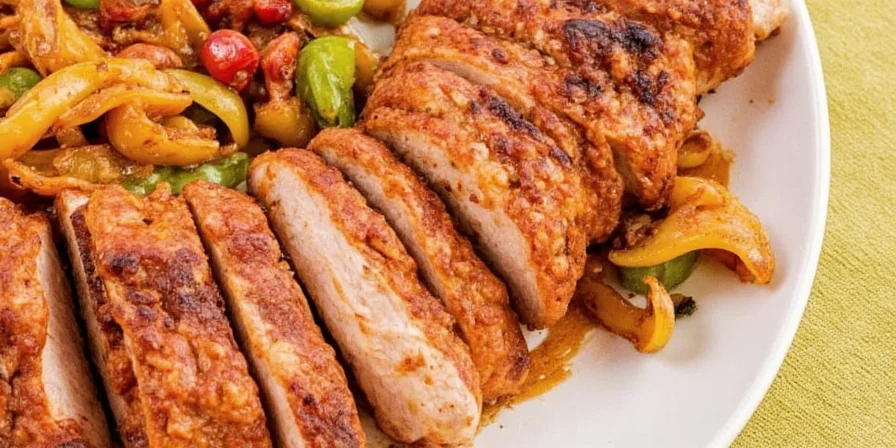
Let’s put theory into practice. Here’s an easy yet outrageously flavorful chipotle ranch marinade recipe you can make at home:
Ingredients:
- 1/2 cup mayonnaise
- 1/4 cup buttermilk
- 1 tbsp sour cream
- 1 tbsp chipotle in adobo sauce (minced)
- 1 tsp smoked paprika
- 1 tsp cumin
- 1/2 tsp maple sugar
- 1 tsp garlic powder
- Zest of 1 lime
- Salt & pepper to taste
Instructions:
- Mix all ingredients in a bowl until smooth.
- Taste and adjust heat/sweetness if needed.
- Place in a sealed jar and refrigerate for at least 1 hour to let flavors meld.
- Brush or pour over meat, seafood, or veggies. Grill or bake to perfection.
FAQ: Got Questions? We've Got Answers
Can I use this marinade for tofu or other plant-based proteins?
Absolutely! Just be sure to press the tofu well before marinating to allow maximum absorption.
How long does homemade chipotle ranch marinade last?
Up to 7 days in the fridge. If you want longer shelf life, consider adding a splash of vinegar or lemon juice.
Is there a way to make it less spicy?
Yes! Reduce the amount of chipotle or remove the seeds before mincing. Alternatively, add a spoonful of plain yogurt to mellow the heat.
What’s the best way to apply the marinade?
For meats, using gloves to massage the marinade in ensures every nook gets covered. For veggies, a brush works great!
Final Thoughts: Let’s Marry This Marinade
At the end of the day, chipotle ranch marinade isn’t just another condiment—it’s a flavor powerhouse waiting to be unleashed. With the right spice pairings and a dash of creativity, you can transform your meals into something extraordinary without breaking a sweat.
So go ahead, experiment with those spice racks, throw caution to the wind, and let your palate lead the way. Because once you’ve tasted greatness, there’s no going back to basic ranch.




 浙公网安备
33010002000092号
浙公网安备
33010002000092号 浙B2-20120091-4