
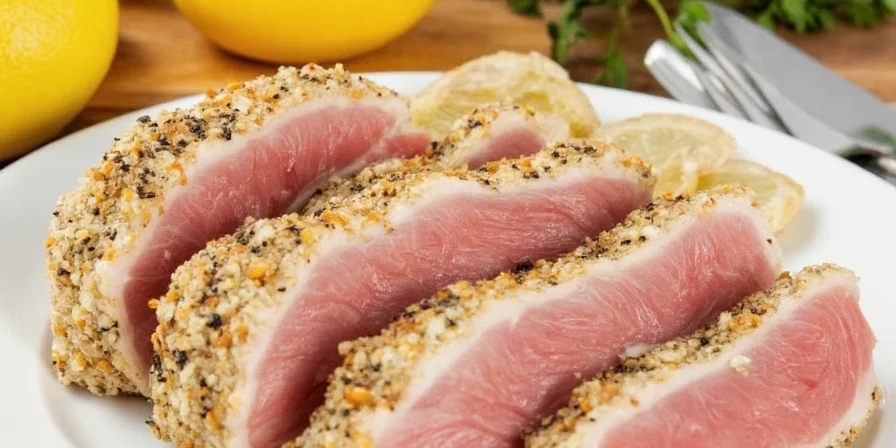
Zesty Zingers: Why Lemon & Pepper Make Tuna Taste Like a Million Bucks (No Fishy Business!)
Table of Contents
- A Citrus-Powered Twist on Tuna
- The Science Behind Lemon & Pepper’s Magic
- 5 Practical Pairing Tips for Perfect Tuna Every Time
- Flavor Combos You Never Knew You Needed
- Spice It Up – Beyond Lemon & Black Pepper
- Tasty Recipes That Prove Less Is More
- Final Thoughts: Don’t Skip the Zest!
A Citrus-Powered Twist on Tuna
Let’s face it: tuna is a rockstar protein that can swing from sushi bar elegance to pantry staple in a heartbeat. But here’s the kicker—when you team it up with lemon and pepper? It goes from good to “Wait, did I just walk into a Michelin-starred kitchen?”
Lemon brings brightness, while pepper adds punch—and together, they’re like the Beyoncé and Jay-Z of seafood seasonings. Whether you’re searing ahi or flaking canned albacore into a salad, this spice duo deserves its own standing ovation.
The Science Behind Lemon & Pepper’s Magic
Okay, food nerds, gather ‘round. Let’s talk about why lemon and pepper work so well with tuna—not just flavor-wise, but on a molecular level.
The Acidic Awakening
Lemon juice is citric acid on a mission. Its acidity breaks down some of the proteins on the surface of the fish, creating a tender crust when cooked and adding a refreshing zing that cuts through the richness of the tuna. This reaction also enhances umami—the savory flavor we crave in dishes like grilled miso salmon or seared scallops.
Pepper’s Hidden Power Move
Black pepper isn’t just there to look fancy. It contains piperine, a compound that enhances the bioavailability of other nutrients and flavors. In simpler terms: pepper makes everything taste better, faster. When combined with the volatile compounds in lemon zest, it creates an aromatic synergy that dances across your taste buds.
| Ingredient | Flavor Role | Scientific Effect |
|---|---|---|
| Lemon Juice | Brightens, balances, refreshes | Activates saliva and gastric juices; breaks down proteins slightly |
| Lemon Zest | Intensifies aroma, adds complexity | Releases essential oils that heighten scent perception |
| Black Pepper | Adds heat, depth, and warmth | Boosts flavor absorption via piperine |
5 Practical Pairing Tips for Perfect Tuna Every Time
Whether you’re a sushi snob or a weeknight warrior, these five handy tips will take your lemon-and-pepper tuna game from basic to boss.
- Start Dry, Finish Fresh: Pat your tuna steaks dry before seasoning. Moisture is the enemy of caramelization—dry = crisp sear = more flavor.
- Freshly Cracked Beats Pre-Ground: Use a mortar and pestle or a pepper mill for fresher, bolder flavor. The oils in whole peppercorns fade quickly once ground.
- Zest Before You Cut: Grate the zest off the lemon before juicing—it’s easier and prevents bitter white pith from sneaking in.
- Don’t Over-Marinate: Lemon juice starts to “cook” fish proteins—too long and your tuna becomes ceviche. 10–15 minutes max if marinating raw, less if grilling or pan-searing.
- Salt at the End: Salt draws out moisture, which is bad before searing. Season after cooking or right before if baking/grilling.
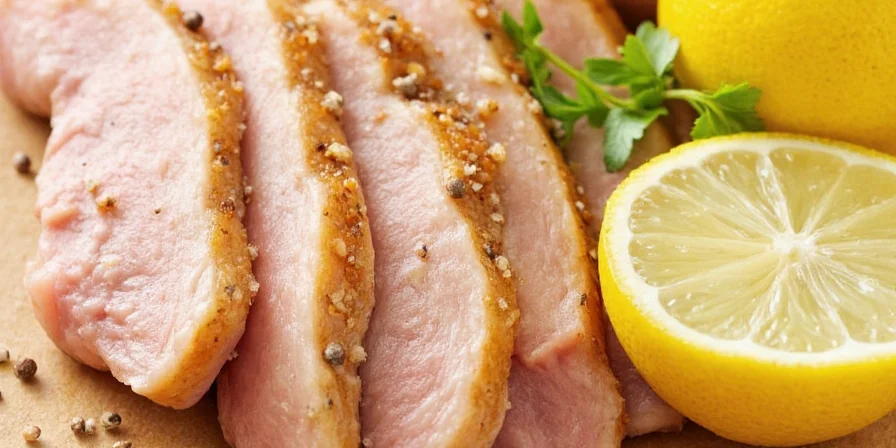
Flavor Combos You Never Knew You Needed
Lemon and pepper are great solo artists, but when paired with a few supporting players, they turn into a full-on orchestra. Here are some unexpected—but totally awesome—combinations:
- Lemon + Black Pepper + Dill: For a fresh Nordic vibe. Try with seared bluefin or baked yellowfin.
- Lemon + Pink Peppercorn + Olive Oil: A French Riviera-inspired drizzle over sashimi-grade tuna.
- Lemon + Szechuan Pepper + Chili Flakes: Tingling heat meets citrus pop. Great for spicy tuna rolls gone wild.
- Lemon + Smoked Paprika + Garlic: A Spanish tapas twist on tuna tacos.
- Lemon + Yuzu + Shichimi Togarashi: Japanese fusion heaven. Serve over rice bowls or as part of a poke platter.
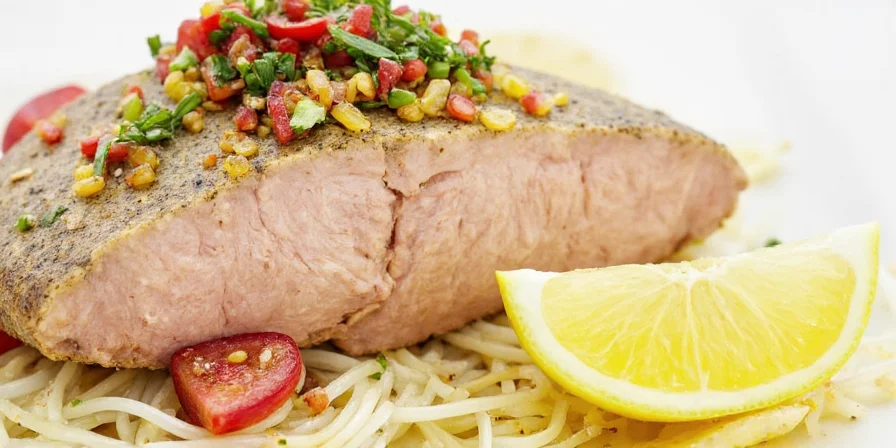
Spice It Up – Beyond Lemon & Black Pepper
Ready to graduate from basics? Here are a few advanced spice ideas that build on the lemon-and-pepper base without overshadowing it.
Grilled Tuna with Charred Lemon & Sumac Dust
Char one side of a halved lemon on the grill, then sprinkle with sumac powder. Drizzle the smoky juice over your steak for a tangy, earthy finish.
Miso-Lemon Glaze with Crushed Sichuan Peppercorns
Mix white miso paste with a splash of lemon juice and a pinch of crushed Sichuan peppercorns. Brush on before broiling for a rich, tingly umami kick.
Thai Basil & Lemon Pepper Butter
Whip softened butter with finely chopped Thai basil, lemon zest, and cracked black pepper. Slather over grilled ahi steaks for a Southeast Asian upgrade.
Tasty Recipes That Prove Less Is More
Here’s how to put all this science and sass into action. Three easy recipes for every occasion:
1. Seared Tuna with Lemon Pepper Crust
- Ingredients:
- Tuna steaks
- Fresh lemon zest
- Cracked black pepper
- Olive oil
- Salt (optional, at end)
- Method:
- Dry the tuna thoroughly.
- Press the lemon zest and pepper into both sides.
- Sear for 1–2 minutes per side in hot oil.
- Season with salt, slice thin, and serve.
2. Lemon Pepper Tuna Salad
- Ingredients:
- Canned tuna
- Fresh lemon juice
- Cracked pepper
- Greek yogurt (instead of mayo)
- Chopped celery and red onion
- Method:
- Drain tuna and mix with lemon juice and pepper.
- Add yogurt, celery, and onion.
- Spread on toast or stuff into avocado halves.
3. Baja-Style Tuna Tacos with Lime & Pepitas
- Ingredients:
- Pan-seared tuna
- Lime juice
- Crushed pepitas (pumpkin seeds)
- Cracked black pepper
- Warm corn tortillas
- Method:
- Season tuna with lime zest, juice, and pepper.
- Sear and slice thinly.
- Top warm tortillas with slaw, tuna slices, and pepitas.
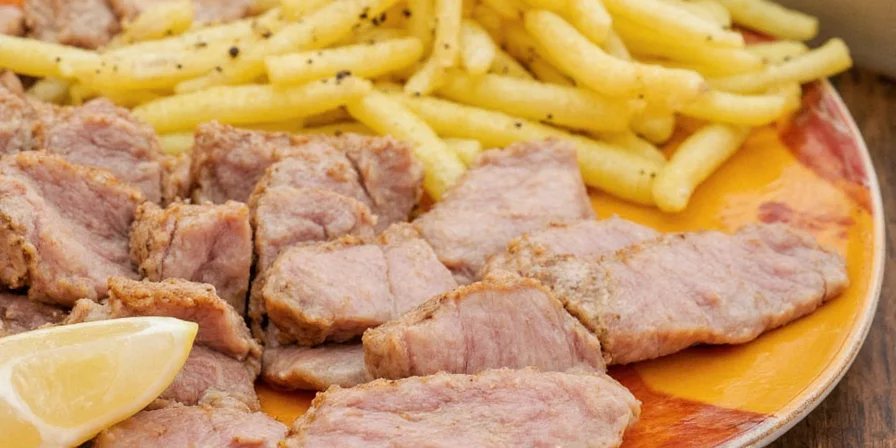
Final Thoughts: Don’t Skip the Zest!
Lemon and pepper may seem simple, but they’re power players in the flavor world. Whether you're a home cook looking to impress or a pro chef experimenting with bold pairings, this classic combo is a must-have in your spice playbook.
So next time you reach for that tired bottle of garlic salt, remember: a squeeze of lemon and a crack of pepper could be all you need to make your tuna sing. And hey—if it tastes like a million bucks, maybe you’ll feel like one too.




 浙公网安备
33010002000092号
浙公网安备
33010002000092号 浙B2-20120091-4