
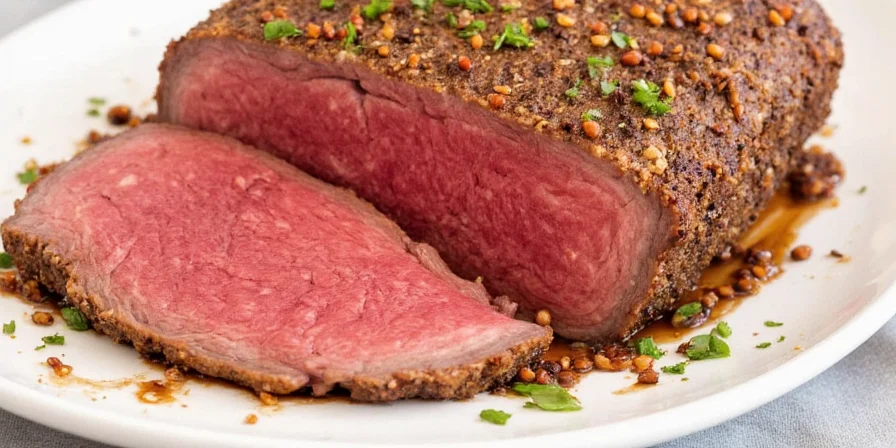
Spice Up Your Roast Beef: 7 Game-Changing Flavors You Never Knew You Needed
If you've ever stared at a perfectly roasted hunk of beef and thought, "This tastes... fine," then you're in the right place. We're diving into a spice revolution — not just salt and pepper, but a flavorful fiesta that'll make your taste buds throw a party. Whether you're a seasoned pro or a curious kitchen warrior, this list is about to change how you roast forever.
Table of Contents
- Why Spice Matters in Roast Beef
- The 7 Best Spices for Roast Beef
- Spice Pairing Ideas: From Classic to Crazy Good
- Pro Tips for Rubbing, Roasting, and Rocking
- Visual Guide: Spice Strength & Flavor Profiles
- Final Thoughts: Don’t Let Bland Win Again
Why Spice Matters in Roast Beef
We get it — roast beef can be a showstopper on its own. But let’s be honest, if all you’re tasting is meat and maybe a whisper of salt, something’s missing. Enter: spices. These tiny flavor bombs are like a backstage crew turning your quiet dinner into a full-blown concert.
Roast beef has a naturally rich, savory profile. By layering in different spices, you can enhance its depth, bring out sweetness, introduce warmth, or even add a little funk that makes everyone ask, “What did you do differently this time?”
The 7 Best Spices for Roast Beef
Here's our curated list of the top spices that play beautifully with beef. Each one brings its own unique personality to the plate:
- Mustard Seeds: A sharp, tangy kick that cuts through fat and wakes up the palate. Perfect for rubs or crusts.
- Cumin: Earthy, nutty, and slightly smoky. Adds a warm base note that grounds the whole flavor profile.
- Fennel Seeds: Sweet licorice notes that surprisingly complement beef without overpowering it.
- Coriander: Bright and citrusy, balancing heavier flavors and adding complexity.
- Paprika: Offers color and mild heat; smoked paprika brings a barbecue vibe.
- Black Peppercorns: The classic bold punch we all know and love. Toast it lightly for maximum effect.
- Garlic Powder: While technically a seasoning, garlic powder adds depth and umami that beef craves.
| Spice | Flavor Profile | Best For | Intensity (1–5) |
|---|---|---|---|
| Mustard Seeds | Sharp, tangy, slightly bitter | Rubs, marinades, mustard-based glazes | 4 |
| Cumin | Earthy, nutty, warm | Dry rubs, braises, Middle Eastern-inspired dishes | 4 |
| Fennel Seeds | Sweet, anise-like, aromatic | Mediterranean-style roasts, sausage pairings | 3 |
| Coriander | Citrusy, floral, spicy-sweet | Indian or Thai-inspired dishes, herb rubs | 2 |
| Paprika | Smoky, sweet, earthy (varies by type) | Colorful rubs, finishing touches | 2–4 |
| Black Pepper | Peppery, sharp, pungent | Classic seasoning, steakhouse vibes | 5 |
| Garlic Powder | Umami-rich, savory, robust | Adding depth to any beef dish | 3 |
Spice Pairing Ideas: From Classic to Crazy Good
You don't have to use these spices alone — some combinations create magic. Here are some of our favorite duos and trios that’ll elevate your roast beef game:
- Mustard + Cumin + Garlic: Tangy meets earthy with a touch of savory. Great for a rustic French-style roast.
- Coriander + Fennel + Black Pepper: A Mediterranean twist with floral and licorice notes. Try it with rosemary.
- Smoked Paprika + Cumin + Garlic: A deep, smoky, Southwestern flair. Add a pinch of chili flakes if you dare!
- Black Pepper + Thyme + Salt: Timeless, bold, and perfect for a classic English roast vibe.
- Fennel + Coriander + Orange Zest: Citrus meets spice for a refreshing contrast.
Pro Tips for Rubbing, Roasting, and Rocking
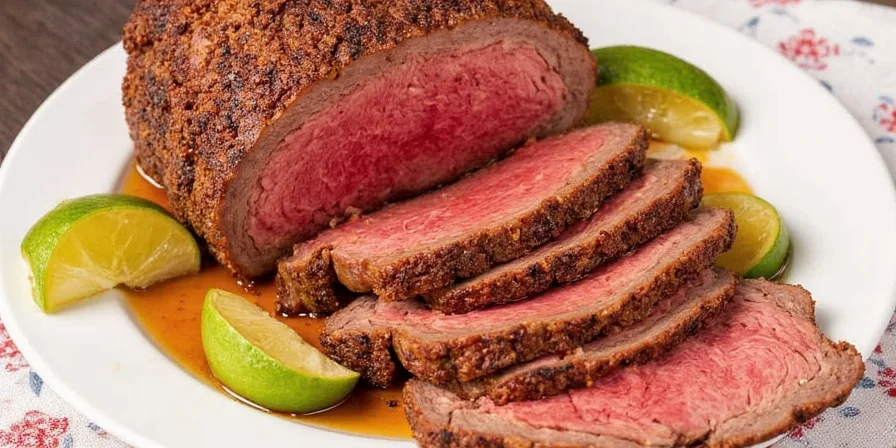
Now that you’ve got your spice arsenal ready, here are some insider tips to make sure your roast beef doesn’t just taste good — it tastes epic:
- Toasted Spices First: Heat enhances flavor. Toast seeds like cumin, fennel, and coriander in a dry pan before grinding them for a richer rub.
- Let It Rest: After rubbing, let your beef sit in the fridge overnight. This gives the spices time to work their way into the meat.
- Use Oil as a Binder: Olive oil or mustard helps spices adhere better and creates a beautiful crust.
- Don’t Overdo It: Too many spices can clash. Stick to 2–4 per rub for clarity of flavor.
- Temperature Matters: Aim for medium-rare (130–135°F) for best juiciness. Carryover cooking will take care of the rest!
Visual Guide: Spice Strength & Flavor Profiles
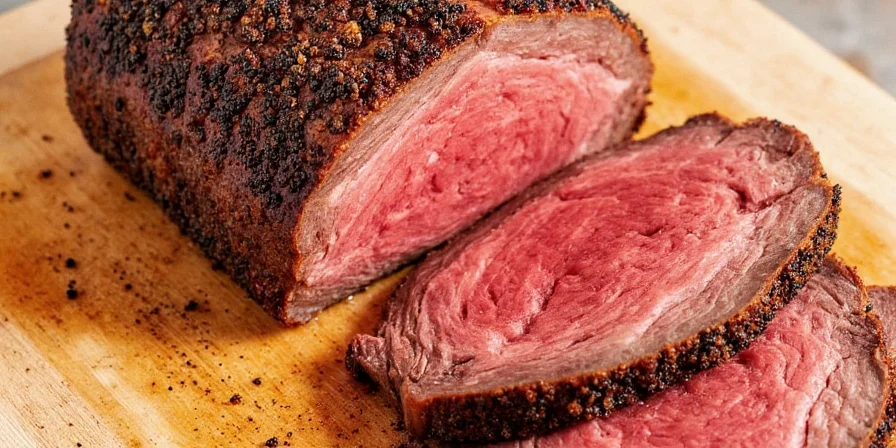
Not sure which spices go well together? Here’s a quick reference guide to help you visualize flavor profiles and intensity levels:
| Spice | Flavor Type | Heat Level (1–5) | Complementary Spices |
|---|---|---|---|
| Mustard Seeds | Sharp / Tangy | 4 | Cumin, Garlic, Rosemary |
| Cumin | Earthy / Smoky | 3 | Coriander, Paprika, Chili |
| Fennel Seeds | Sweet / Anise-like | 2 | Coriander, Lemon Zest, Oregano |
| Coriander | Citrusy / Herbal | 2 | Fennel, Cumin, Basil |
| Paprika | Earthy / Smoky | 2–4 | Garlic, Thyme, Cumin |
| Black Pepper | Spicy / Pungent | 5 | Thyme, Garlic, Sage |
| Garlic Powder | Umami / Savory | 3 | Black Pepper, Rosemary, Paprika |
Final Thoughts: Don’t Let Bland Win Again
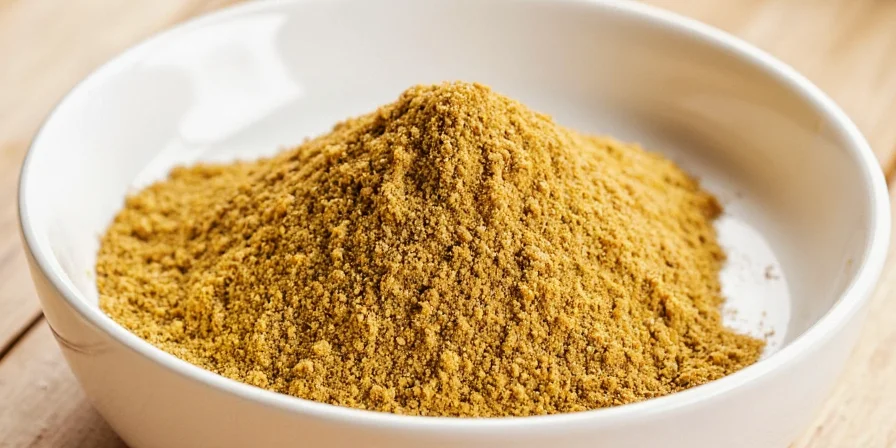
Roast beef doesn’t have to be the wallflower of Sunday dinners. With the right spices and a few smart techniques, it can steal the spotlight every single time. Remember, the best spice blend is the one that makes your taste buds dance — so don’t be afraid to experiment.
Try a new combo next time. Toast those seeds. Make that rub the night before. Let your roast beef become the hero it was meant to be.




 浙公网安备
33010002000092号
浙公网安备
33010002000092号 浙B2-20120091-4