
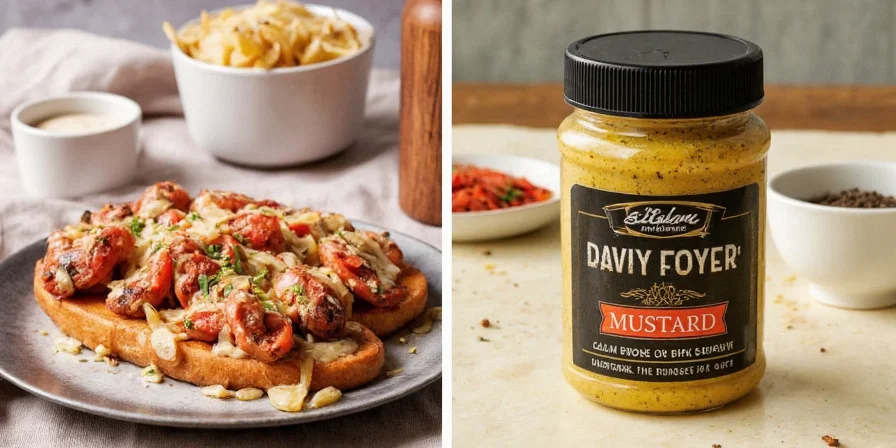
5 Surprising Ways to Spice Up Your Kitchen with Mustard and Black Pepper
Welcome to a flavor-packed journey where two pantry staples — mustard and black pepper — team up to create some seriously innovative spice pairings. Whether you’re a seasoned chef or a curious home cook, this guide is your golden ticket to upgrading your culinary game without breaking a sweat.
Table of Contents
- Introduction
- Why Mustard and Black Pepper Work So Well Together
- 5 Must-Try Mustard & Black Pepper Pairings
- The Science Behind the Flavor Boost
- Pro Tips for Using This Dynamic Duo
- Recipes to Try Tonight
- Conclusion
Introduction
Let’s face it: most of us have a jar of mustard and a shaker of black pepper sitting in our kitchens. But how often do we really think about combining them? Spoiler alert: they’re like Batman and Robin, but for your taste buds. In this article, we’ll explore why mustard and black pepper make such a powerful pair and how you can use them to take your cooking from “meh” to “mind-blowing.”
Why Mustard and Black Pepper Work So Well Together
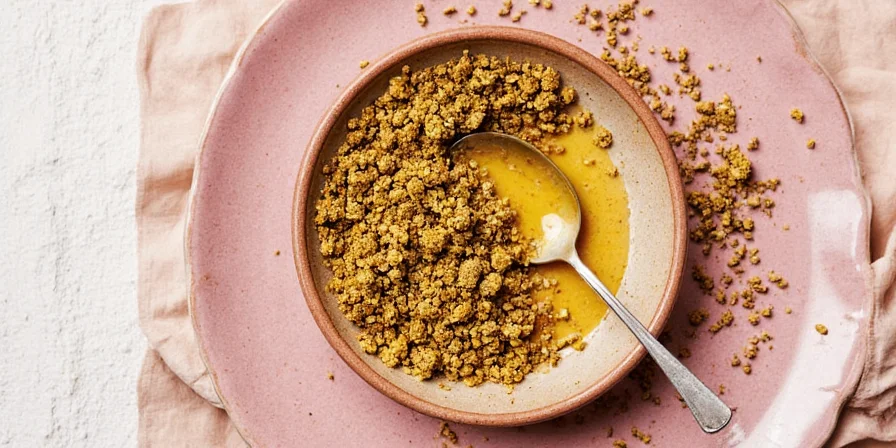
Mustard brings tanginess, depth, and a touch of heat, while black pepper adds warmth, earthiness, and that unmistakable bite. When combined, these two spices create a complex flavor profile that enhances everything from grilled meats to roasted veggies.
The secret lies in their chemical makeup:
| Spice | Key Compounds | Flavor Profile |
|---|---|---|
| Mustard | Sinigrin (releases allyl isothiocyanate) | Sharp, pungent, slightly bitter |
| Black Pepper | Piperine | Woody, spicy, aromatic |
5 Must-Try Mustard & Black Pepper Pairings
Here are five inventive ways to use mustard and black pepper together:
- Grilled Steak Rub: Mix coarse black pepper with Dijon mustard for a bold, smoky crust that seals in juices.
- Spiced Roasted Potatoes: Toss baby potatoes in yellow mustard and cracked black pepper before roasting. The result? Crispy outside, fluffy inside perfection.
- Homemade Mustard Mayo: Blend mayonnaise with whole grain mustard and a pinch of black pepper for an instant sandwich upgrade.
- Pepper-Mustard Marinade: Combine apple cider vinegar, honey, stone-ground mustard, and crushed black peppercorns for a marinade that works wonders on pork or tofu.
- Black Pepper Mustard Popcorn: Melt butter, stir in a teaspoon of mustard and a generous dose of black pepper, then drizzle over freshly popped popcorn. Instant gourmet snack!
The Science Behind the Flavor Boost
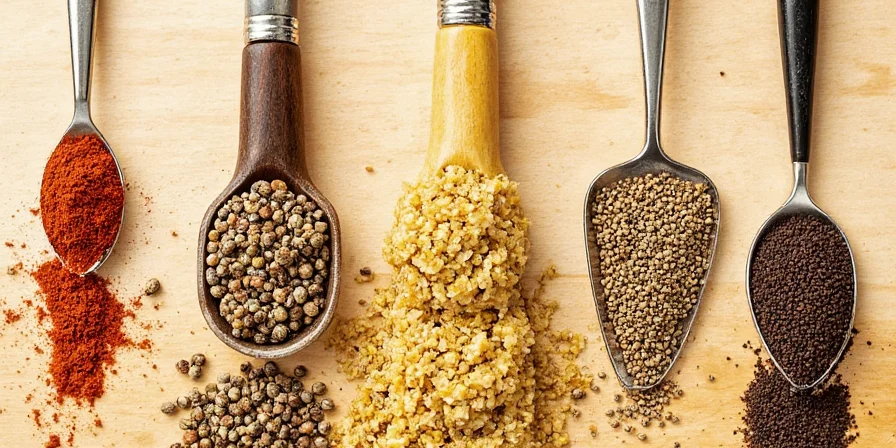
When mustard and black pepper meet heat or moisture, they release volatile compounds that stimulate different parts of your palate. Here's what happens on a molecular level:
- Sinigrin in mustard reacts with water to form allyl isothiocyanate — the compound responsible for its sharp kick.
- Piperine in black pepper enhances the absorption of other flavors and even boosts the bioavailability of certain nutrients.
Together, they create a sensory synergy that makes food more satisfying — and keeps you coming back for seconds (or thirds).
Pro Tips for Using This Dynamic Duo
Want to become a mustard-and-black-pepper wizard in your own kitchen? Here are some pro-level tips:
- Don’t overdo it: A little goes a long way. Start with small amounts and adjust to taste.
- Use fresh grinding: Whole black peppercorns ground just before use pack a much stronger punch than pre-ground pepper.
- Match mustard types to dishes: Yellow mustard is mild and tangy, Dijon is rich and creamy, and whole grain offers texture and depth.
- Balance with sweetness: Honey, maple syrup, or brown sugar can temper the sharpness and round out the flavor.
- Toast first (for black pepper): Lightly toasting whole peppercorns before grinding unlocks more aroma and depth.
Recipes to Try Tonight
Ready to get cooking? Here are three easy recipes to test this dynamic duo at home:
1. Mustard & Pepper Grilled Chicken Skewers
- Mix 2 tbsp Dijon mustard, 1 tbsp olive oil, 1 tsp crushed black pepper, garlic powder, salt
- Marianade chicken cubes for at least 1 hour
- Skewer and grill until golden and cooked through
2. Creamy Mustard-Pepper Pasta Sauce
- In a pan, melt butter and sauté garlic
- Add heavy cream, a spoonful of whole grain mustard, and cracked black pepper
- Toss with pasta and Parmesan cheese
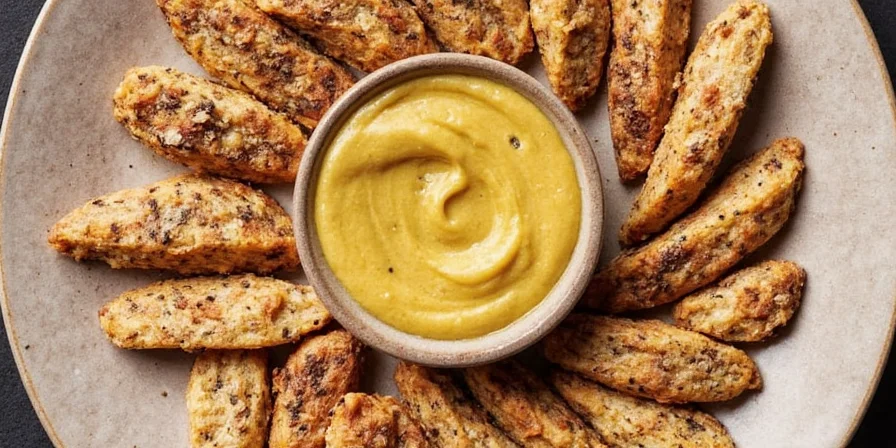
3. Black Pepper Mustard Dip
- Combine Greek yogurt, 1 tbsp yellow mustard, ½ tsp black pepper, lemon juice
- Add chopped herbs (like dill or chives) for freshness
- Perfect with veggie sticks or pretzels
Conclusion
So there you have it — mustard and black pepper aren’t just fridge-door fixtures; they’re a match made in flavor heaven. By understanding how these two ingredients work together, you’ve got a new tool in your culinary arsenal that’s simple, affordable, and deliciously effective. From everyday meals to weekend dinner parties, don’t be afraid to experiment with mustard and black pepper. You might just discover your next signature dish.
Now go forth and season with confidence!




 浙公网安备
33010002000092号
浙公网安备
33010002000092号 浙B2-20120091-4