

Cheesy Alchemy: 7 Herb-Infused Cheese Sauces That’ll Make Your Taste Buds Sing!
Forget everything you thought you knew about cheese sauce. We’re diving into a world where cheddar meets thyme, Gruyère dances with rosemary, and your everyday dip gets a fragrant herbal twist. Whether you're hosting game night or just craving something creamy and complex, these Innovative Spice Pairings will transform your cheese sauce game from "meh" to "magnifique." Let’s get saucy!
Table of Contents
- The Magic of Herbs in Cheese Sauce
- Top 7 Herb & Cheese Sauce Combos
- Pro Tips for Perfecting Your Herbal Cheese Sauce
- Science Meets Flavor: How Herbs Transform Cheese
- Serving Ideas & Pairing Suggestions
- Conclusion
The Magic of Herbs in Cheese Sauce
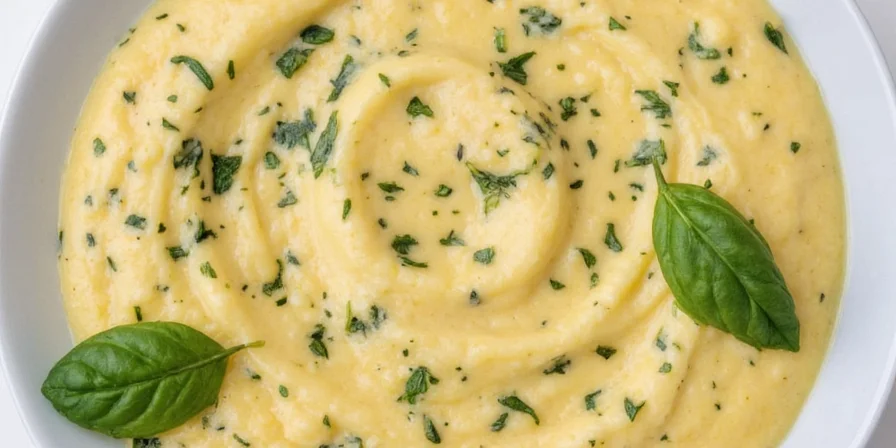
If cheese is the body of your sauce, then herbs are the soul. They add layers of flavor, aromatic complexity, and can even elevate the visual appeal of your dish. The key? Knowing which herbs work best with different cheeses and how to coax out their full potential without overpowering the richness.
Let’s break it down like a culinary scientist on a caffeine high—but make it gourmet.
Top 7 Herb & Cheese Sauce Combos
We’ve rounded up some of the most Innovative Spice Pairings that bring new life to your cheese sauces. Each one has its own personality—some bold, some delicate, all delicious.
| Herb | Cheese Type | Flavor Profile | Best For |
|---|---|---|---|
| Thyme | Cheddar | Earthy, slightly lemony | Dipping, nachos, mac ’n’ cheese |
| Rosemary | Gruyère | Woody, pine-like, robust | Fondue, grilled sandwiches |
| Basil | Mozzarella/Fontina | Sweet, fresh, herbaceous | Pizza drizzle, caprese-style dips |
| Tarragon | Goat Cheese | Anise-like, slightly sweet | Appetizers, spreads, salads |
| Oregano | Jack Cheese | Peppery, rustic, earthy | Tacos, quesadillas, baked fries |
| Dill | Monterey Jack | Grassy, citrusy, refreshing | Seafood dishes, potato wedges |
| Parsley | Colby-Jack | Bright, green, mild | Stuffed mushrooms, casseroles |
Pro Tips for Perfecting Your Herbal Cheese Sauce
Want your cheese sauce to sing instead of sputter? Here are some pro-level tips to help you nail every batch:
- Use Fresh Herbs Whenever Possible: Dried herbs lose potency quickly. If using dried, reduce the quantity by ⅔.
- Add at the Right Time: Delicate herbs like basil should be stirred in off the heat. Sturdy ones like thyme or rosemary can simmer gently with the milk base.
- Toast Before Infusing: Lightly toast heartier herbs in butter before adding liquid to unlock more flavor compounds.
- Balance Acidity: A splash of lemon juice or white wine vinegar lifts heavy cheese sauces and balances rich flavors.
- Season Gradually: Cheese can mute salt, so taste often and adjust as needed.

Science Meets Flavor: How Herbs Transform Cheese
Cheese sauce isn’t just a matter of melting and stirring—it’s a chemistry experiment happening right on your stovetop. When you introduce herbs into the mix, you’re not just adding flavor; you're influencing emulsification, aroma release, and mouthfeel.
Here’s what happens behind the scenes:
- Aromatic Volatiles: Herbs contain volatile oils (like linalool in coriander or eucalyptol in rosemary) that become more potent when heated, enhancing the overall fragrance of the sauce.
- Flavor Layering: Herbs interact with dairy fats, creating new sensory dimensions—think of it as flavor layer cake, but creamier.
- pH Impact: Some herbs (especially those with citrus notes) can subtly shift the pH of the sauce, affecting both texture and perceived sharpness.
- Antioxidant Boost: Many culinary herbs act as natural antioxidants, helping preserve flavor and color longer.
Serving Ideas & Pairing Suggestions
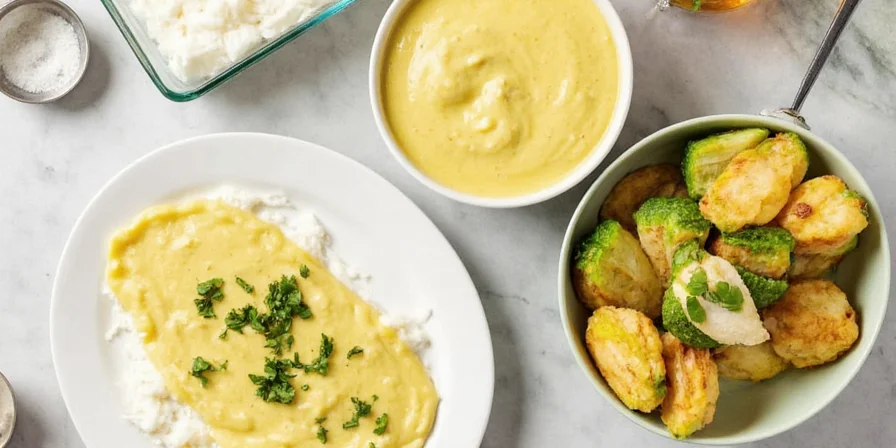
Once you've crafted your masterpiece, don't let it go to waste on stale tortilla chips! Here are some creative and crowd-pleasing ways to showcase your herbal cheese sauce:
- Drizzle Over Popcorn: Rosemary-infused Parmesan sauce turns basic popcorn into gourmet cinema fare.
- Stuff It In: Use tarragon-goat cheese sauce in stuffed mushrooms or puff pastry pockets.
- Pair With Crudités: Serve thyme-chive sauce alongside carrots, celery, and bell pepper strips for a veggie-forward snack.
- Dip Zone: Oregano-jalapeño jack sauce makes an excellent taco or taquito dip.
- Bake It In: Try parsley-Colby sauce in a baked ziti or layered gratin for a hidden flavor punch.
Conclusion
Cheese sauce doesn’t have to be boring. By incorporating the right herbs, you’re unlocking a whole new spectrum of flavor that can elevate your cooking—and impress your guests—without breaking a sweat. These Innovative Spice Pairings aren’t just recipes; they’re blueprints for your next culinary adventure.
So next time you reach for that block of cheddar, ask yourself: What would rosemary do? Or thyme? Or dill?
Because when it comes to cheese sauce, the only limit is your imagination—and maybe your pantry. Happy infusing!




 浙公网安备
33010002000092号
浙公网安备
33010002000092号 浙B2-20120091-4