
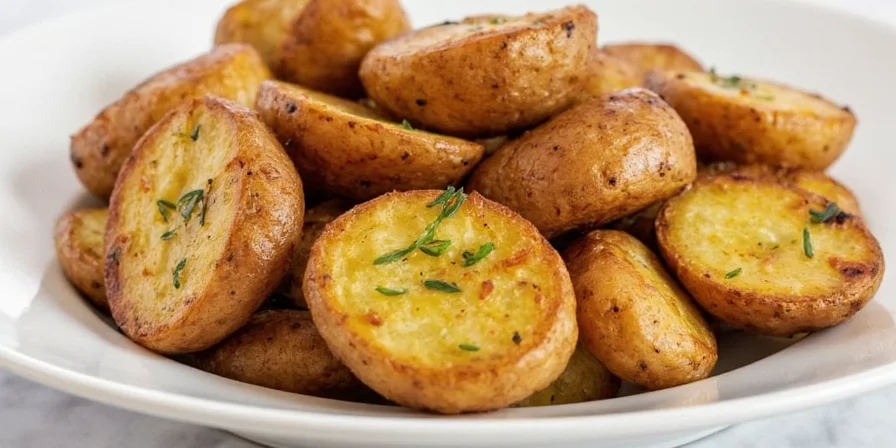
5 Unexpected Herb Roasted Potatoes Spice Pairings That’ll Blow Your Mind
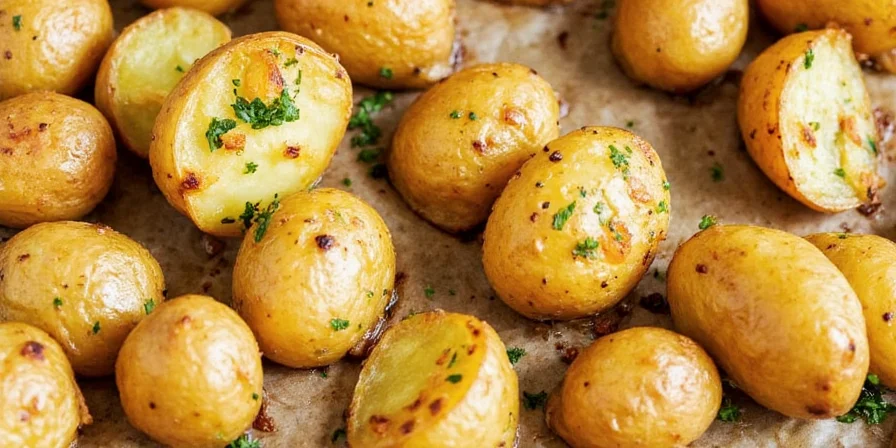
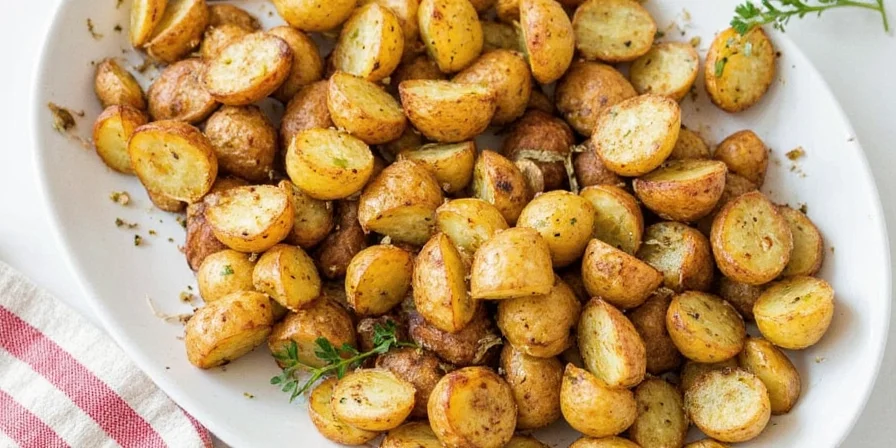
Golden, crispy, and spiced to perfection!
Table of Contents
- Introduction
- Why Spice Matters in Roasting Potatoes
- Top 5 Herb + Spice Pairings You Must Try
- Pro Tips for Crispy, Flavor-Packed Spuds
- Flavor Matchup Chart
- Conclusion
Spice Up Your Life (and Your Potatoes)
If you're like most people, your go-to seasoning for roasted potatoes is probably rosemary and garlic. Nothing wrong with that—it's classic for a reason. But what if I told you there’s a whole world of bold, unexpected flavor combinations waiting just beyond the olive oil bottle?
In this post, we’re diving into five innovative herb roasted potatoes spice pairings that will make your taste buds sing louder than your oven timer. Whether you're a professional chef or a home cook looking to impress at Sunday dinner, these combos are guaranteed to add some flair to your fry.
Why Spice Makes All the Difference
Potatoes are like a blank canvas—they soak up whatever flavors you give them. That’s why choosing the right spice blend can transform a humble spud into a culinary masterpiece. The trick is to balance earthiness with heat, brightness with depth, and texture with tenderness.
Let’s not forget aroma! A well-seasoned roast fills your kitchen with smells so good they could convince your neighbor to sneak over for seconds (bring extra napkins).
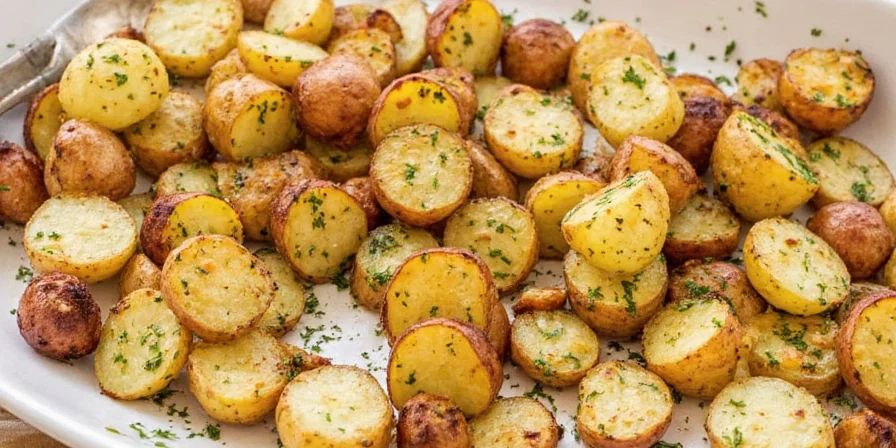
Aromatics meet starches—magic happens.
Top 5 Herb Roasted Potatoes Spice Pairings You Must Try
1. Rosemary & Sumac – Tart Meets Woody
Rosemary brings its evergreen, pine-like punch, while sumac adds a bright, citrusy zing. Together, they create a refreshing contrast to the rich, buttery texture of roasted potatoes.
- Pro Tip: Add lemon zest to amplify the tanginess.
- Pairing Suggestion: Lamb chops or grilled chicken.
2. Thyme & Za’atar – Middle Eastern Magic
Za’atar—a blend of thyme, sesame seeds, sumac, and salt—brings an earthy, nutty, and slightly tart flavor. Mixing it with fresh thyme elevates the Mediterranean vibe.
- Pro Tip: Drizzle with tahini sauce after roasting.
- Pairing Suggestion: Grilled halloumi or falafel bowls.
3. Sage & Chili Flakes – Smoky Heatwave
Sage has a deep, resinous flavor that pairs beautifully with a kick of chili flakes. Perfect for those who want their potatoes to pack a punch without overpowering the main dish.
- Pro Tip: Fry sage leaves first for added crunch and aroma.
- Pairing Suggestion: Sausage-based meals or autumn root veggies.
4. Dill & Lemon Pepper – Bright and Fresh
This combo is light and zesty, ideal for spring or summer roasts. Dill adds a grassy note, while lemon pepper gives a burst of citrus with a hint of bite.
- Pro Tip: Add fresh dill at the end to preserve its delicate flavor.
- Pairing Suggestion: Fish dishes or fresh salads.
5. Oregano & Smoked Paprika – Bold and Balanced
Oregano’s pungent, peppery notes complement the sweet smokiness of paprika, making this pairing perfect for robust meals. Think rustic Italian vibes.
- Pro Tip: Toss with a touch of balsamic vinegar before roasting.
- Pairing Suggestion: Pasta dishes or charred eggplant.
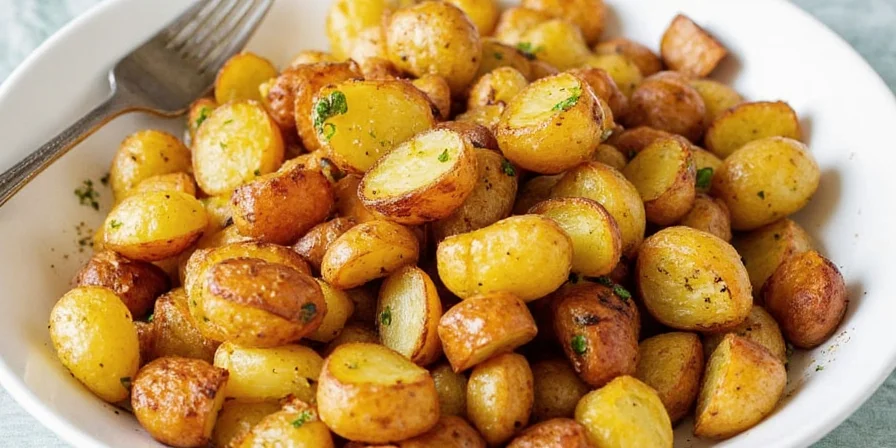
Your spice lineup—ready for action!
Pro Tips for Crispy, Flavor-Packed Spuds
- Use High Smoke Oil: Avocado or grapeseed oil can handle high temps without burning.
- Cut Uniformly: This ensures even cooking and consistent crispiness.
- Don’t Crowd the Pan: Give each potato space to breathe—or steam might ruin the crust.
- Preheat the Pan: Start hot and keep it hot to get that Maillard reaction going.
- Add Fresh Herbs Late: Delicate herbs like parsley or dill lose flavor when cooked too long.
Flavor Matchup Chart: Herbs & Spices Compared
| Herb | Spice | Flavor Profile | Best For |
|---|---|---|---|
| Rosemary | Sumac | Earthy + Tangy | Meat lovers |
| Thyme | Za’atar | Herby + Nutty | Mediterranean |
| Sage | Chili Flakes | Woody + Heat | Fall feasts |
| Dill | Lemon Pepper | Grassy + Citrusy | Seafood nights |
| Oregano | Smoked Paprika | Peppery + Smoky | Italian-inspired |
Final Thoughts: Don’t Be Boring With Your Bores!
Roasting potatoes doesn’t have to be a snooze-fest of rosemary and garlic every time. By experimenting with unexpected spice pairings, you can bring a new dimension of flavor to your plate—and maybe even impress your picky-eater cousin.
So grab your mixing bowl, dust off that forgotten jar of za’atar, and let’s get roasting. Your next side dish deserves more than “eh.”
Go on, take the spice leap!




 浙公网安备
33010002000092号
浙公网安备
33010002000092号 浙B2-20120091-4