
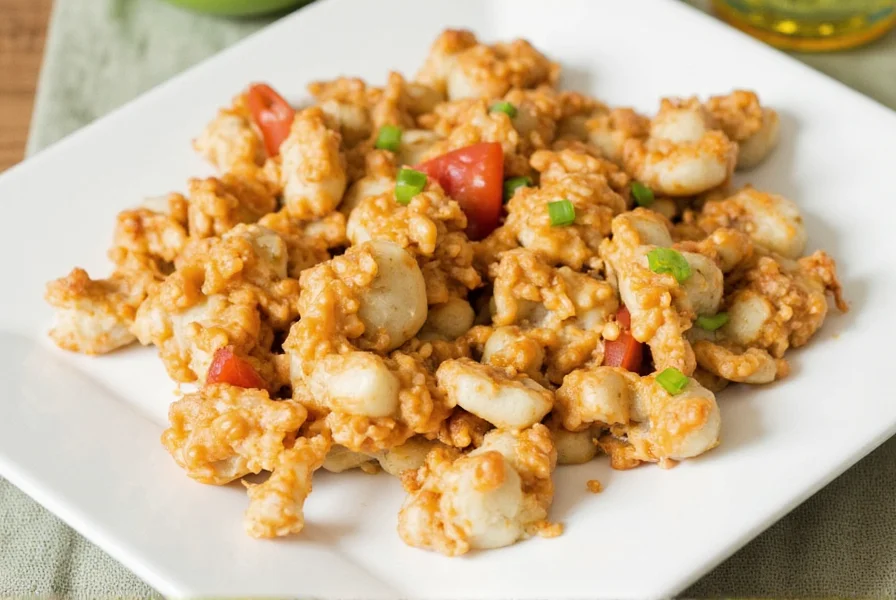
Spice Up Your Life: 7 Unexpected Pairings That Love Smoky Chipotle Aioli
If you’ve ever tasted smoky chipotle aioli, you know the magic it brings to a dish. With its creamy base and just-right kick of smokiness, it’s more than just a condiment — it's a flavor booster that can elevate everything from fries to gourmet burgers. But what if we told you there’s more to this bold sauce than meets the palate?
Table of Contents
- Introduction to Smoky Chipotle Aioli
- 7 Unexpected Pairings with Smoky Chipotle Aioli
- How to Make Your Own Smoky Chipotle Aioli
- Buying Guide: Best Store-Bought Smoky Chipotle Aioli Brands
- Advanced Spice Combinations for the Connoisseur
- Final Thoughts: Embrace the Smoke
Introduction to Smoky Chipotle Aioli
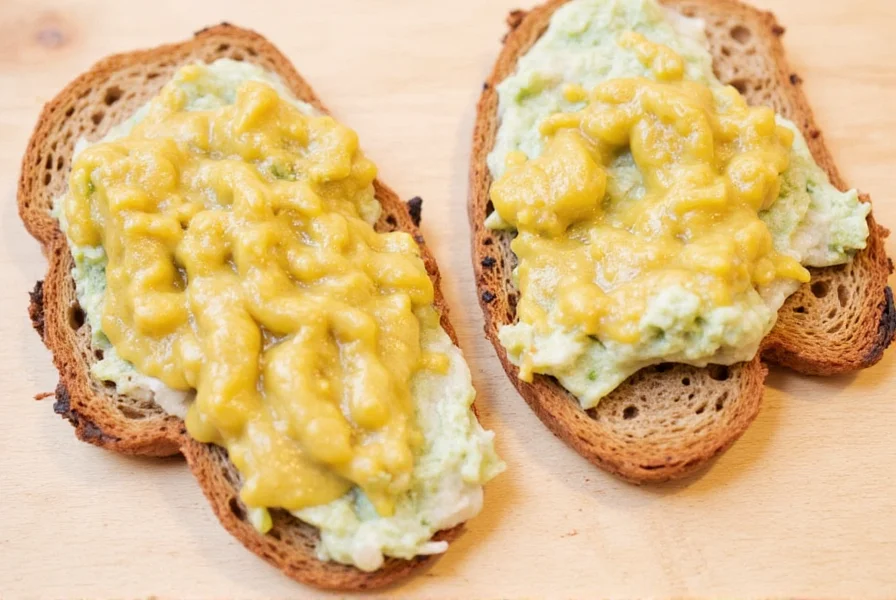
Smoky chipotle aioli is a creamy sauce made by blending mayonnaise with roasted garlic, lemon juice, and most importantly — chipotle peppers in adobo sauce. The result? A rich, slightly spicy, and deeply smoky flavor profile that makes it a versatile companion on your culinary adventures.
While aioli originally comes from Mediterranean cuisine (typically garlic-based), modern versions have taken a spicy detour thanks to global influences. Chipotle aioli has become a staple in food trucks, gourmet restaurants, and home kitchens alike.
7 Unexpected Pairings with Smoky Chipotle Aioli
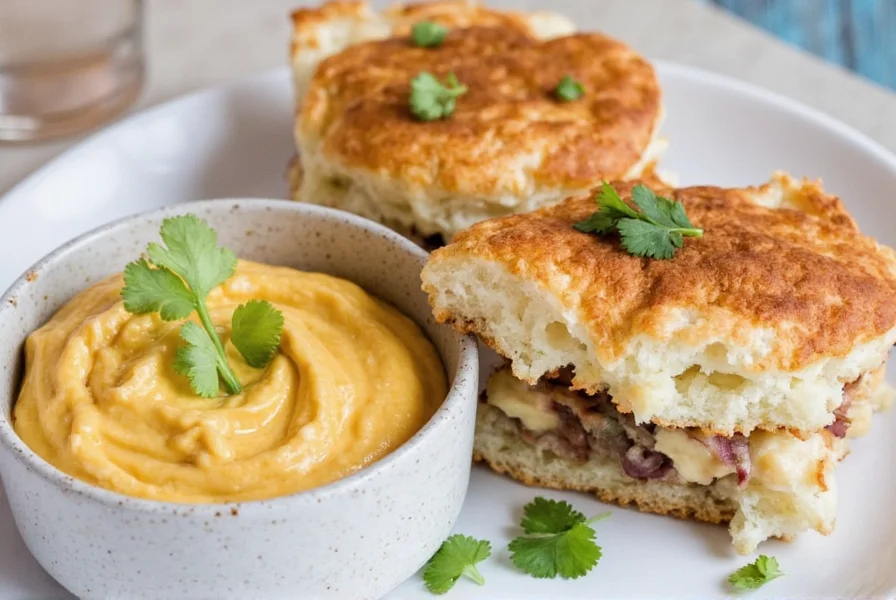
Let’s dive into the fun part — pairing! Whether you're grilling up a storm or snacking on something simple, here are seven surprising yet delicious matches for your favorite smoky aioli:
- Fried Avocado Bites – The creamy texture of avocado complements the smoky heat perfectly. Try these as a taco filling or served with chips for a unique appetizer.
- Grilled Corn on the Cob – Swap out regular mayo for smoky chipotle aioli on grilled corn for a fiery twist on elote.
- Crab Cakes – The aioli cuts through the richness of crab meat while adding depth of flavor. It's like a party in your mouth.
- Pizza Drizzle – Add a few swirls over pizza before serving, especially if your pizza includes mushrooms, chorizo, or roasted vegetables.
- Tofu Sandwiches – For our vegan friends, slather it on grilled tofu sandwiches for a punchy upgrade to the classic veggie sammie.
- Shrimp Tacos – This aioli was basically made for seafood tacos. Drizzle it over shrimp or fish tacos for an instant flavor boost.
- Baked Sweet Potato Fries – Swap ketchup for smoky chipotle aioli next time you make sweet potato fries at home. The natural sweetness pairs beautifully with the spice.
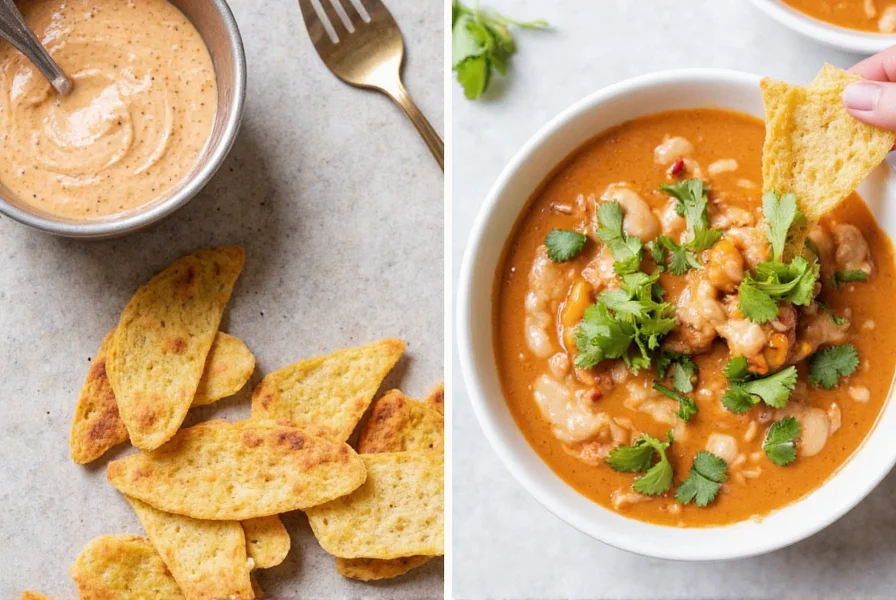
How to Make Your Own Smoky Chipotle Aioli
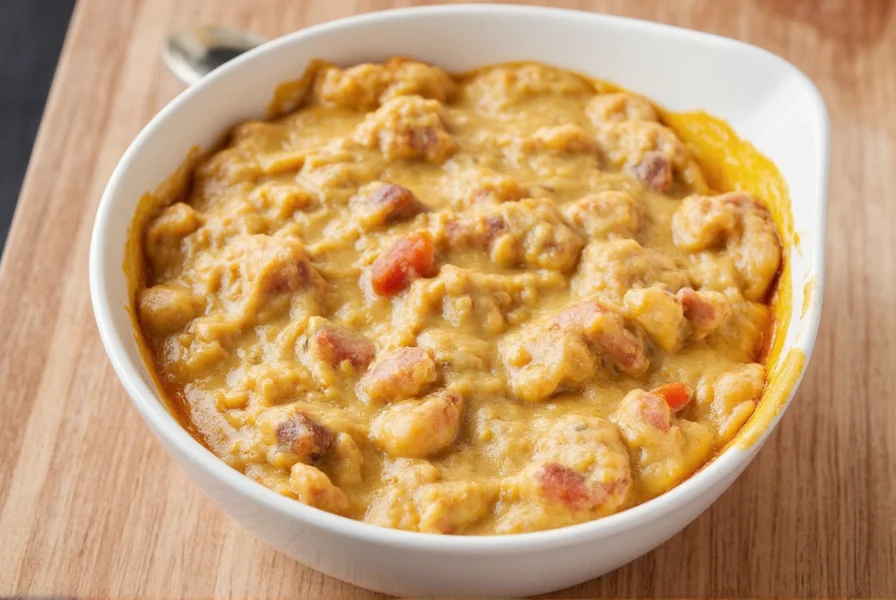
Making your own smoky chipotle aioli is not only easy, but it also gives you control over the spice level and quality of ingredients. Here's a simple recipe to get you started:
Ingredients:
- 1/2 cup mayonnaise
- 1 small chipotle pepper in adobo sauce (plus 1 tsp of the sauce)
- 1 clove garlic, minced
- 1 tbsp fresh lime juice
- 1/4 tsp smoked paprika
- Salt to taste
Instructions:
- In a blender or food processor, combine mayonnaise, chipotle pepper, adobo sauce, garlic, lime juice, and smoked paprika.
- Blend until smooth. Taste and adjust salt and spice levels accordingly.
- Transfer to a jar and refrigerate for at least 30 minutes to let the flavors meld together.
- Store in the fridge for up to one week.
Pro Tip: Want extra smokiness? Toast some cumin seeds in a dry pan, let them cool, then grind and add a pinch to the aioli. Magical!
Buying Guide: Best Store-Bought Smoky Chipotle Aioli Brands
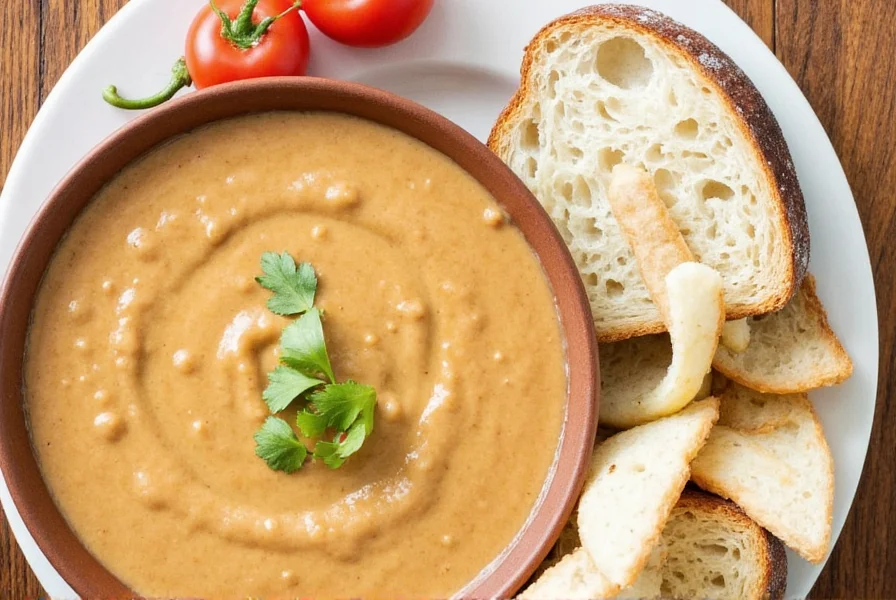
For those who prefer store-bought options, here’s a quick guide to help you choose the best brand based on flavor, ingredients, versatility, and value.
| Brand | Flavor Profile | Key Ingredients | Versatility | Best Use Case |
|---|---|---|---|---|
| Cholula Chipotle Aioli | Medium heat with deep smokiness | Mayo, chipotle in adobo, garlic | High – great for dips, sandwiches, dressings | Perfect for tacos, burgers, wraps |
| Sabra Smoked Chipotle Hummus Aioli | Creamy with mild spice | Hummus base, chipotle extract, olive oil | Moderate – ideal for light snacks | Great on pita, veggies, toast |
| Kraft Chipotle Aioli | Light and tangy | Mayo, vinegar, spices | Moderate – good for sandwiches and wraps | Ideal for lunch boxes, quick meals |
| Trader Joe’s Chipotle Aioli | Robust and zesty | Mayo, garlic, ground chipotle | High – excellent balance of flavor and spice | Perfect for gourmet burgers, fries, wraps |
| Whole Foods 365 Chipotle Aioli | Natural and earthy | Organic mayo, real chipotle, lemon | High – organic and clean label fans will love it | Ideal for health-conscious dishes, artisan bread |
Target Audience: Busy cooks, meal preppers, gourmet chefs, and anyone looking for convenience without compromising flavor.
When to Buy:
- Need a quick dip for a party? Go for Cholula or Trader Joe’s.
- Want something healthier? Whole Foods 365 or Sabra hummus aioli.
- Looking for a budget-friendly option? Kraft or any generic brand with chipotle flavor.
Advanced Spice Combinations for the Connoisseur
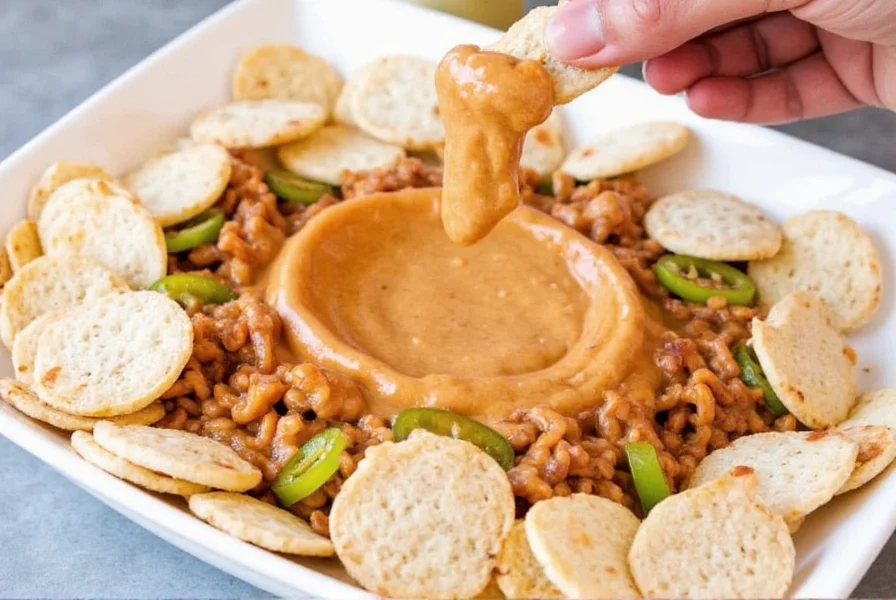
Ready to take your chipotle aioli game to the next level? Here are some advanced spice pairings that work wonders when blended into aioli or used alongside it:
- Cumin + Lime Zest – Adds warmth and brightness; perfect for Latin-inspired dishes.
- Coriander + Lemon Juice – Brightens the smoky notes and adds complexity.
- Sumac + Garlic Powder – A Middle Eastern twist that enhances the garlicky undertones.
- Paprika + Brown Sugar – Balances the heat with a touch of sweetness.
- Thyme + Cayenne Pepper – Great for herb-forward profiles and a slow-burning heat.
- Lemongrass + Fish Sauce (for vegan versions) – Adds umami and exotic flair, especially for Asian fusion dishes.
- Orange Peel + Ancho Powder – Earthy sweetness with a hint of citrus for complex flavor layers.
Final Thoughts: Embrace the Smoke
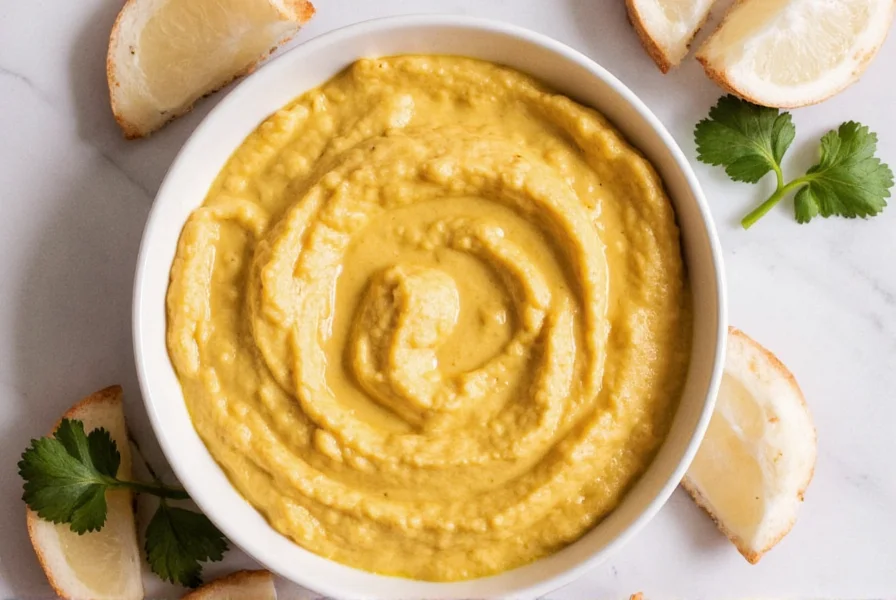
Smoky chipotle aioli isn’t just another condiment trend — it's a flavor powerhouse that deserves a permanent spot in your pantry. Whether you’re making it from scratch or choosing a high-quality brand, the possibilities are endless. From casual snacking to gourmet plating, this aioli is your secret weapon to spice things up.
So go ahead — explore the smoky side of life. Your taste buds will thank you!




 浙公网安备
33010002000092号
浙公网安备
33010002000092号 浙B2-20120091-4