
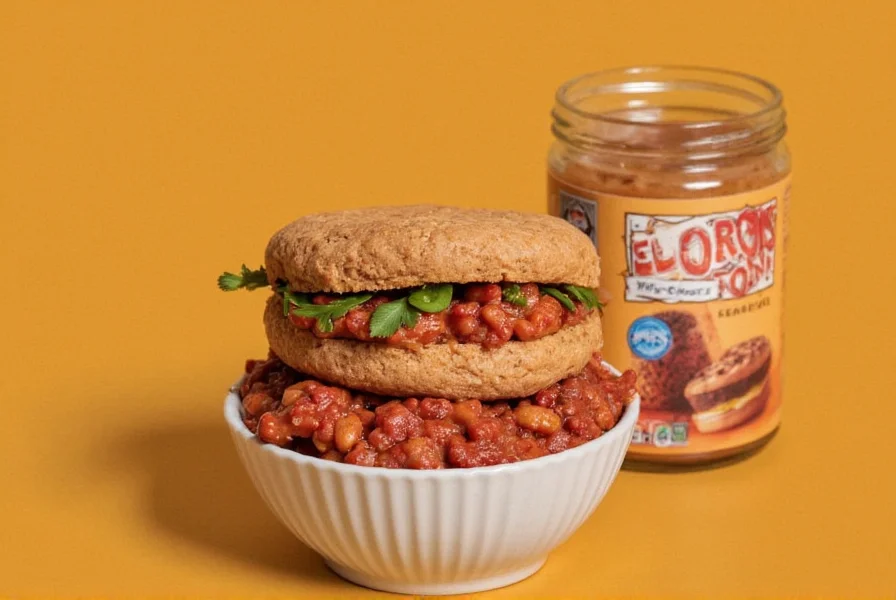
Peanut Butter & Chili: The Unexpected Power Couple of Flavor Town
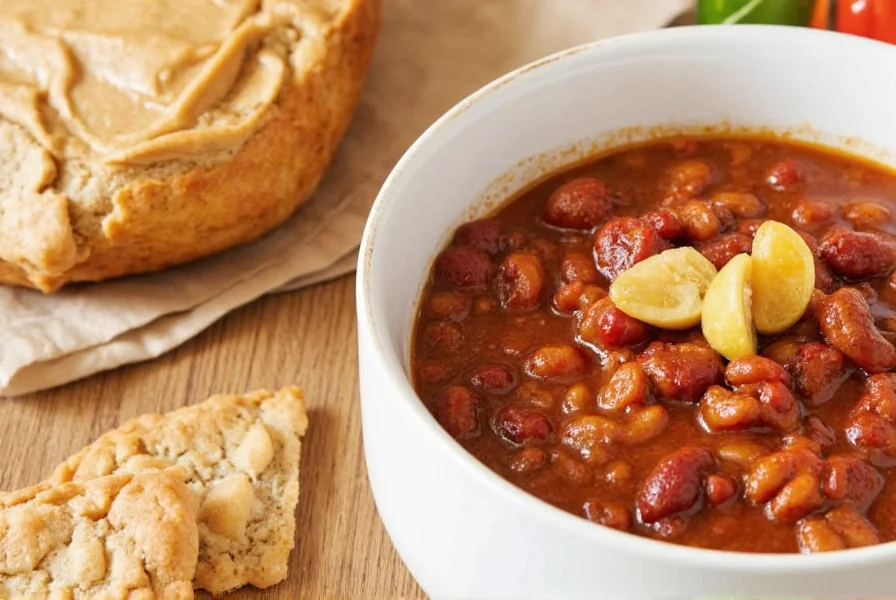
When you hear 'peanut butter,' your mind probably jumps to sandwiches, smoothies, or cookies — not exactly chili. But hold on. What if we told you that slathering a dollop of creamy peanut butter into your simmering pot of chili could unlock a whole new dimension of taste? It might sound bizarre at first, but once you try it, there’s no going back.
This is the story of an innovative spice pairing that defies expectations — peanut butter in chili. We’ll explore the science behind this match, offer step-by-step guidance on how to do it right, and share some pro tips to elevate your next bowl of chili from comforting to unforgettable.
Table of Contents
- Why Peanut Butter Works in Chili
- How to Add Peanut Butter to Your Chili (Without Ruining It)
- Creative Variations and Pairing Suggestions
- Buying Guide: Choosing the Right Peanut Butter for Chili
- Final Thoughts: A Match Made in Culinary Heaven?
Why Peanut Butter Works in Chili
Let’s start with the elephant in the room — why would anyone even think to put peanut butter in chili?!
The answer lies in flavor layering. Chili already boasts a deep umami punch from the tomatoes, beans, and spices like cumin and smoked paprika. Introducing peanut butter adds a rich, nutty element that enhances mouthfeel while balancing out the heat and acidity. Think of it as a savory version of chocolate in mole sauce — unexpected, but oh-so-right.
The Science Behind the Match
In food chemistry terms, peanut butter contains natural oils and proteins that act as flavor carriers, helping distribute the spices more evenly throughout the dish. Its creaminess also tempers spicy notes without dulling them entirely, making for a smoother, more rounded eating experience.
| Flavor Component | Chili Contribution | Peanut Butter Contribution |
|---|---|---|
| Umami | Moderate (from tomatoes, meat, beans) | High (from roasted peanuts, amino acids) |
| Fat Content | Low–Medium (from meat fat) | High (50%+ oil content) |
| Texture | Chunky, thick | Creamy, smooth |
| Heat Balance | Spicy | Soften辣度with healthy fats |
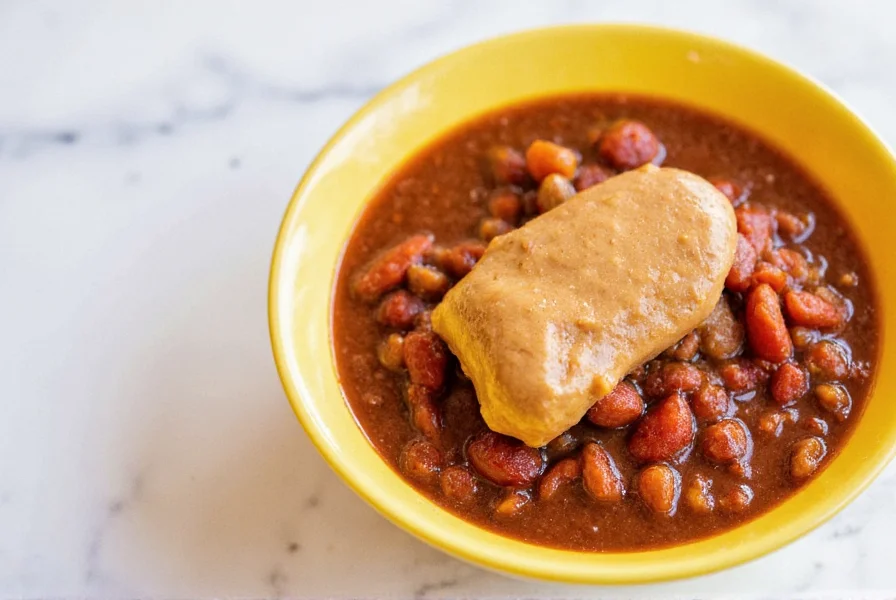
How to Add Peanut Butter to Your Chili (Without Ruining It)
Now that we’ve sold you on the concept, let’s talk execution. Adding peanut butter isn’t as simple as just stirring it in. Done wrong, and you end up with a gloopy, oily mess. But done right? Pure magic.
Step-by-Step Guide
- Step 1: Make your chili as usual — brown the meat, sauté the aromatics, add the spices, tomatoes, and beans.
- Step 2: About 10 minutes before the end of cooking, stir in 1–2 tablespoons of peanut butter per 4 servings.
- Step 3: Let it simmer gently to meld flavors. Stir continuously to prevent clumping or separation.
- Step 4: Taste! If you want more richness, add another half-tablespoon at a time.
- Step 5: Serve hot, optionally topped with chopped peanuts or a drizzle of extra peanut butter.

Troubleshooting Common Issues
- Oily texture: This usually happens when the peanut butter is added too early or at the wrong temperature. Try tempering it by whisking a bit of hot chili liquid into the peanut butter before adding it back into the pot.
- Overly strong peanut flavor: Use natural-style peanut butter with no added sugar or oils for a cleaner taste.
- Too thick: Thin the mixture slightly with water or broth before incorporating.
Creative Variations and Pairing Suggestions
If you’re feeling adventurous, here are some delicious twists to experiment with:
1. Thai-Inspired Peanut Chili
- Add fish sauce, lime juice, and Thai chilies for a Southeast Asian-inspired flavor profile.
- Garnish with fresh cilantro and chopped scallions.
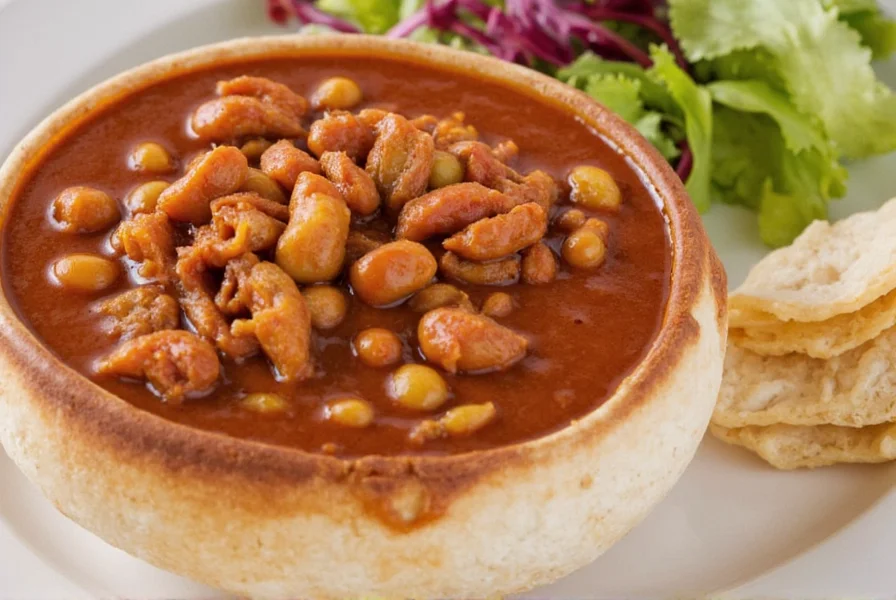
2. Smoky BBQ Peanut Butter Chili
- Use smoked paprika, liquid smoke, and a splash of apple cider vinegar.
- Top with crispy fried onions and a smoky barbecue peanut butter drizzle.
3. Vegetarian Black Bean Peanut Butter Chili
- Ditch the meat and go fully plant-based with black beans, quinoa, and mushrooms for texture and protein.
- Add a touch of cocoa powder for depth.
4. Spicy Chocolate-Peanut Butter Chili
- Yes, really. Stir in a small amount of dark cocoa powder or unsweetened chocolate for a deep, complex base.
- Perfect for cool nights and daring palates.
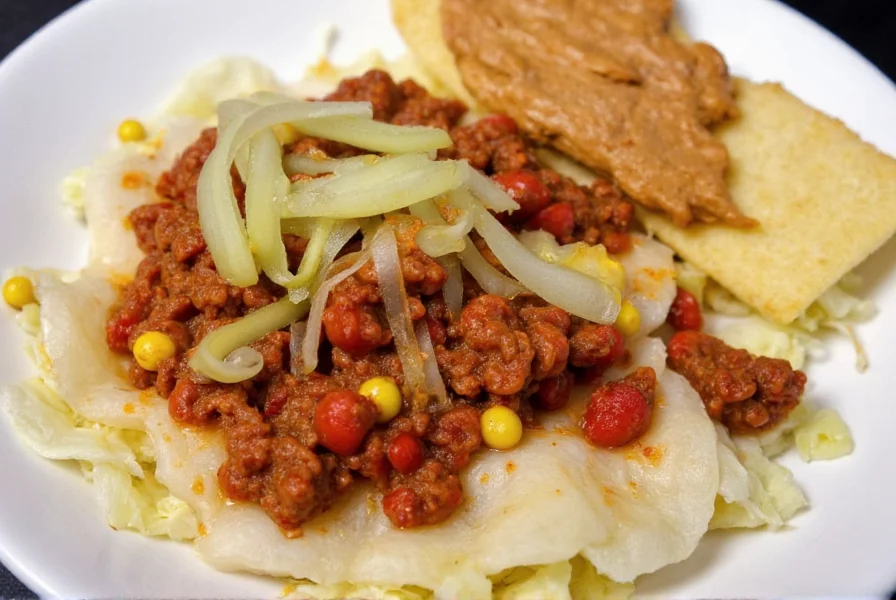
Buying Guide: Choosing the Right Peanut Butter for Chili
Not all peanut butters are created equal — especially when it comes to cooking with them. Here’s what to look for when selecting the perfect jar for your chili adventures.
Types of Peanut Butter and Their Uses
| Type | Best For | Pros | Cons |
|---|---|---|---|
| Natural Chunky | Adding texture and visual appeal | More peanut flavor, less processed | Can be gritty or separate easily |
| Natural Smooth | Blending smoothly into the chili | Balanced flavor, easy to incorporate | May still need thinning |
| Conventional Creamy | Ease of use and consistent texture | Readily available, shelf-stable | Often contains added sugars and oils |
| Creamy Organic | Health-conscious cooks | High quality, no artificial additives | Higher cost, sometimes harder to find |
| Sugar-Free | Keto-friendly or low-sugar diets | Great alternative for dietary restrictions | Slightly different aftertaste depending on sweetener used |
Recommended Brands for Cooking
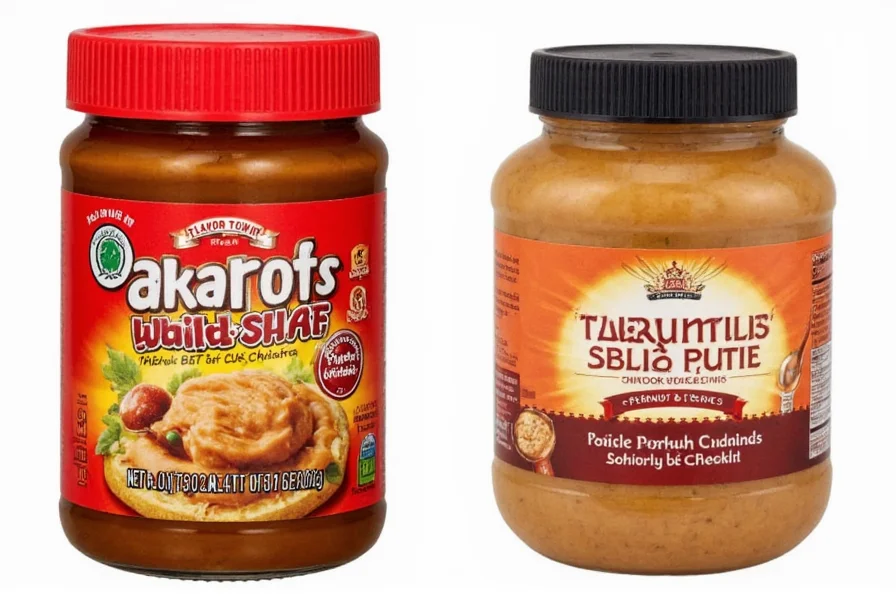
- Smucker’s Natural Creamy Peanut Butter – Balanced flavor, minimal ingredients, and affordable.
- Jif Creamy Original – Reliable consistency and mild flavor; great for beginners.
- Justin’s Classic Peanut Butter – Organic, sustainably sourced, and easy to blend.
- Trader Joe’s No Salt Added Creamy PB – Perfect for health-focused dishes where salt control is key.
- Wild Friends Unsweetened – Ideal for paleo or keto diets, with a clean ingredient list.
When Shopping, Look For:
- Minimal Ingredients: Ideally just peanuts and maybe a pinch of oil.
- No Added Sugar: Unless you're intentionally using it for contrast (rare in chili).
- Oil Separation: Natural peanut butters often separate; this is normal. Just stir well before using.
Final Thoughts: A Match Made in Culinary Heaven?
Putting peanut butter in chili might seem strange at first, but it's actually a brilliant move rooted in flavor science and culinary creativity. It softens heat, enhances umami, and introduces a luxurious texture that can turn a humble dish into something extraordinary.
Whether you’re a seasoned chef looking to impress or a home cook trying to spice things up (literally), peanut butter in chili is worth a try. And with our practical tips and product recommendations, you’ll be able to nail the balance every time.
So go ahead — grab that jar of peanut butter from the pantry, open it up, and get ready to fall in love with chili all over again. Who knew the road to flavor town had such an unexpectedly delicious detour?
Have you tried peanut butter in your chili yet? Let us know in the comments below — or better yet, try it tonight and tag your results on social media with #PBChiliMagic!




 浙公网安备
33010002000092号
浙公网安备
33010002000092号 浙B2-20120091-4