
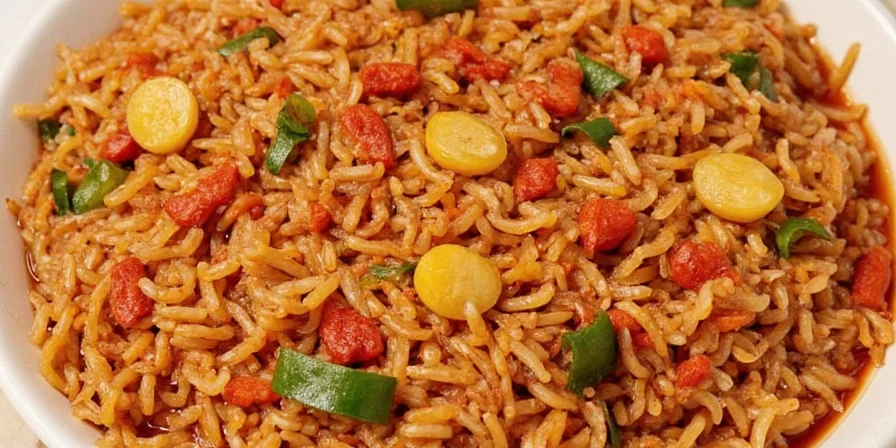
Jambalaya Seasoning Secrets: The Spiciest Flavor Combinations You Haven’t Tried Yet!
Calling all spice lovers and adventurous cooks! If you've ever stared at your spice rack wondering how to jazz up your next pot of jambalaya, you’re in the right place. Forget basic seasonings — it’s time to explore Innovative Spice Pairings that’ll make your taste buds do the backstroke through Cajun country.
Today, we’re spicing things up with some unexpected but delicious twists on the best jambalaya seasoning. Think beyond paprika and garlic — we're talking global influences, botanical infusions, and even a dash of molecular gastronomy magic. Ready to shake up your kitchen? Let's get seasoned!
Why Jambalaya Needs a Spice Overhaul
Jambalaya is already a flavor powerhouse, blending smoky, spicy, savory, and sweet elements into one glorious pot of joy. But let’s be real — if you’ve made it the same way for the last five years, your palate (and your guests) might be screaming for something new.
- The classic holy trinity (onion, celery, bell pepper) can handle more than just salt and black pepper.
- Cajun seasoning is great, but sometimes you need a little detour from tradition.
- A unique spice pairing can transform your dish from “meh” to “my goodness, where have you been all my life?”
Spice It Up: A Comparison Table
| Traditional Base | Innovative Twist | Flavor Impact |
|---|---|---|
| Paprika + Cayenne | Add Smoked Cumin | Smoky earthiness meets heat — like campfire in a cast-iron skillet. |
| Garlic Powder | Fennel Pollen Dust | Sweet anise notes without overpowering — think Italian countryside meets New Orleans bayou. |
| Thyme & Bay Leaf | Star Anise + Sumac | Floral depth and tangy brightness — a surprising but harmonious combo. |
| Black Pepper | Long Pepper + Pink Peppercorn | Multidimensional heat with hints of fruit and floral tones. |
| Onion Powder | Dried Shallots + Turmeric | Richer umami layer with vibrant color boost — Instagram-worthy spice blend. |
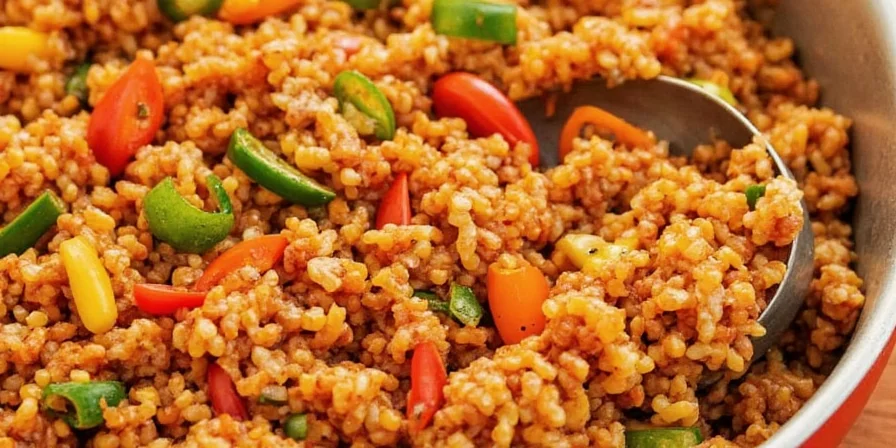
Top 5 Innovative Spice Pairings for Jambalaya Seasoning
1. Smoked Paprika + Za’atar = Mediterranean Meets Louisiana
Yes, this combination sounds like a culinary long-distance relationship — but trust us, it works.
- Why it works: Smoked paprika brings that familiar Southern warmth, while za’atar adds herby lemon notes and a touch of sesame crunch.
- How to use: Use as a dry rub before searing chicken or sausage. Toss rice with a bit before adding to the pot.
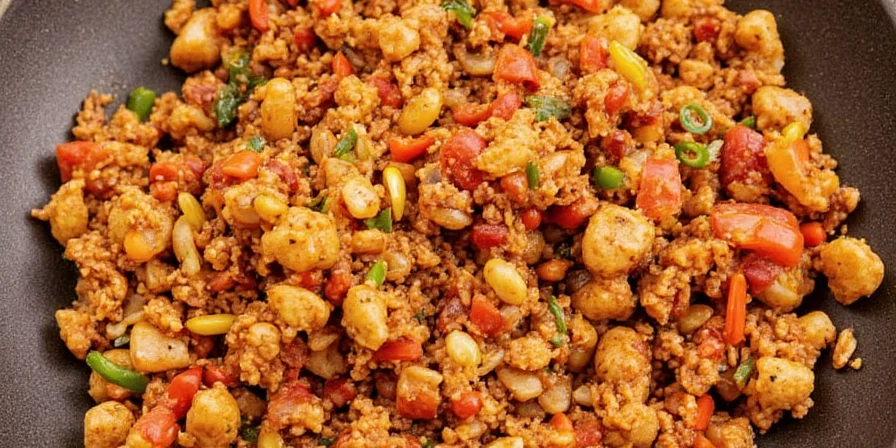
2. Gochujang + Szechuan Peppercorn = Global Funk Fusion
This might sound like a stretch, but these two powerhouses add layers of fermented funk and tongue-tingling spice.
- Why it works: Gochujang contributes deep umami and sweetness; Szechuan peppercorns deliver that famous mouth-numbing sensation.
- How to use: Add a tablespoon of gochujang paste when sautéing the trinity. Toast and crush Szechuan peppercorns, then sprinkle over finished dish.
3. Ras El Hanout + Dried Lime (Limon Ammani) = North African Magic
Move over, lemon zest — this dried citrus packs a punch and plays well with heat and herbs.
- Why it works: Ras el hanout offers complexity; dried lime delivers intense tartness without water content.
- How to use: Grate a pinch into the broth or sprinkle over before serving. Great with seafood-based jambalaya!
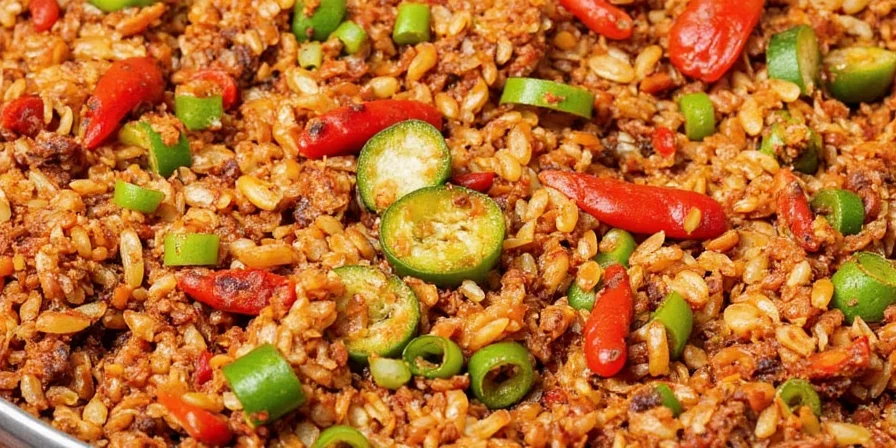
4. Ground Coriander + Lemon Verbena = Bright & Botanical
If you’re looking for a lighter, fresher take on jambalaya seasoning, this duo will bring springtime vibes to your winter stew.
- Why it works: Coriander adds warmth and subtle citrus, while lemon verbena brightens the whole dish naturally.
- How to use: Mix ground coriander into your base spices; steep lemon verbena in broth before adding to the pot.
5. Black Garlic + Annatto Oil = Umami Bomb Meets Color Pop
For those who want drama in their dish (we see you food photographers), this pairing is all about visual flair and rich flavor.
- Why it works: Black garlic adds a molasses-like savoriness; annatto oil gives a gorgeous orange hue and nutty aroma.
- How to use: Mash black garlic into a paste and stir into the trinity mixture; swirl annatto oil on top before serving.
Pro Tips for Mastering Your Jambalaya Seasoning Game
- Taste As You Go: Don’t dump everything in at once. Layer flavors gradually.
- Toast First: Always toast dry spices before using them — enhances aroma and depth.
- Balance Is Key: If things get too spicy, acidic, or bitter, reach for fat (butter, cream, olive oil) or a splash of vinegar/sugar to balance.
- Label Your Blends: Keep track of what works — don’t let genius combos slip away into memory fog.
- Don’t Be Afraid to Blend Old & New: Tradition isn’t sacred. Try combining classic cayenne with cardamom or fenugreek.
FAQ: Your Burning Spice Questions Answered
Can I use fresh herbs instead of dried ones?
Absolutely! Just remember they’re milder, so use about three times the amount called for in the recipe.
What if my jambalaya is too spicy?
Try adding a dollop of sour cream, coconut milk, or even a spoonful of peanut butter. They help neutralize capsaicin and cool things down.
Are there any spice substitutes I should avoid?
Stick to substitutions within the same flavor profile (e.g., fennel for anise, not cinnamon). And always taste before committing!
Can I store my custom jambalaya seasoning mixes?
You betcha! Store in airtight containers away from light and moisture. Most blends last 6–12 months. Label clearly!
Conclusion: Make Your Own Signature Jambalaya Seasoning
The beauty of jambalaya lies in its adaptability — and that starts with the seasoning. Whether you stick with traditional blends or venture into uncharted spice territory, the goal is simple: create a dish that speaks to your soul (and maybe impresses your friends).
By experimenting with these Innovative Spice Pairings, you’re not just making better jambalaya — you’re crafting your own flavor legacy. So go ahead, throw caution (and a few wild spices) into the pot, and let your inner spice alchemist shine.




 浙公网安备
33010002000092号
浙公网安备
33010002000092号 浙B2-20120091-4