
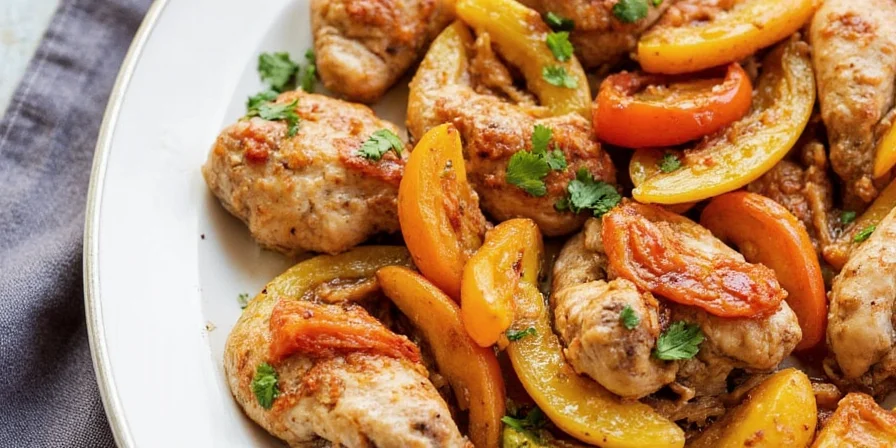
7 Unexpected Spice Pairings That Will Revolutionize Your Chicken Primaver Game
Chicken Primaver — the ultimate summer comfort dish, known for its vibrant vegetables, tender chicken, and creamy sauce. But what if we told you that this classic could get even better? Enter: Innovative Spice Pairings. In this blog, we’ll take you on a flavorful journey to upgrade your Chicken Primaver from "meh" to "mind-blowing" — with a few surprising spices that play well together and pack a punch.
Table of Contents
- Why Spice Matters in Chicken Primaver
- Top 7 Innovative Spice Pairings for Chicken Primaver
- How to Use These Spices Like a Pro
- Spice Comparison Table
- Final Thoughts & Tips
Why Spice Matters in Chicken Primaver
Chicken Primaver is all about freshness, lightness, and flavor balance. While it’s often seen as a mild, crowd-pleasing dish, the right spice pairing can elevate it from “healthy but boring” to “bold and unforgettable.” The key is using spices that complement the veggies without overpowering the chicken or cream sauce.
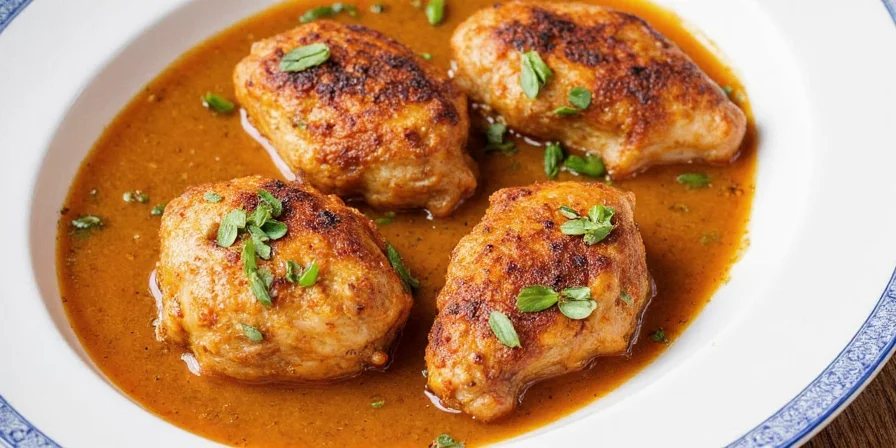
Top 7 Innovative Spice Pairings for Chicken Primaver
Let’s dive into some unexpected yet brilliant combinations that will make your next Chicken Primaver sizzle with personality:
1. Smoked Paprika + Lemon Zest
If you’re looking to add a little warmth and depth without going full barbecue mode, this duo is your new best friend. Smoked paprika brings subtle earthiness, while lemon zest brightens everything up.
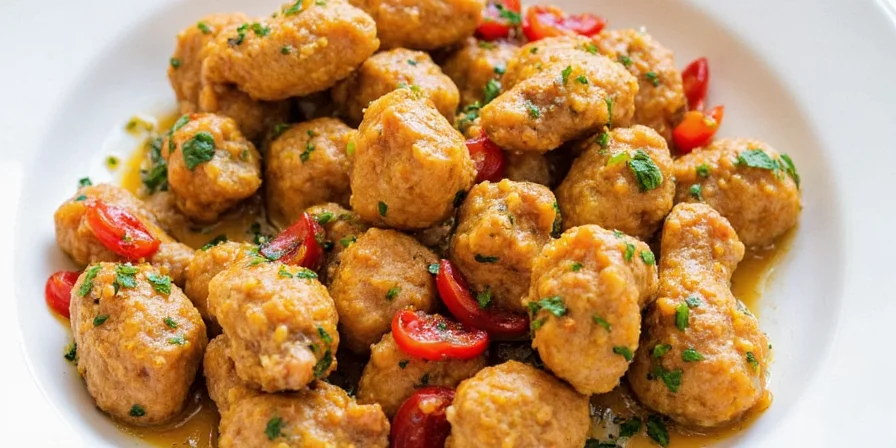
2. Cumin + Fresh Mint
Cumin might seem out of place in a creamy pasta dish, but paired with fresh mint? It’s like a summer breeze in your mouth. The mint adds cool contrast, balancing the warm nuttiness of cumin.
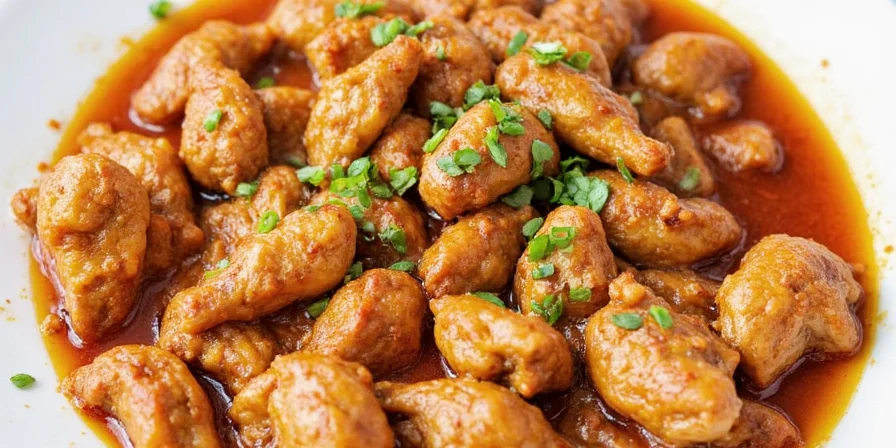
3. Za’atar + Garlic
Za’atar brings tangy, herbal vibes with a hint of sesame goodness. Combine it with roasted garlic and you’ve got a Middle Eastern twist on an American classic.
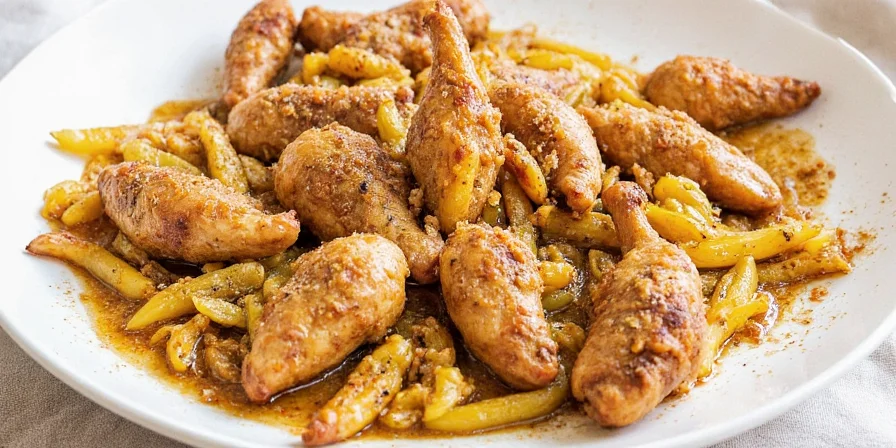
4. Harissa + Feta Crumble
This combo is spicy, salty, and bold — perfect for those who like a kick. The harissa gives heat, while feta softens the blow with a salty umami finish.
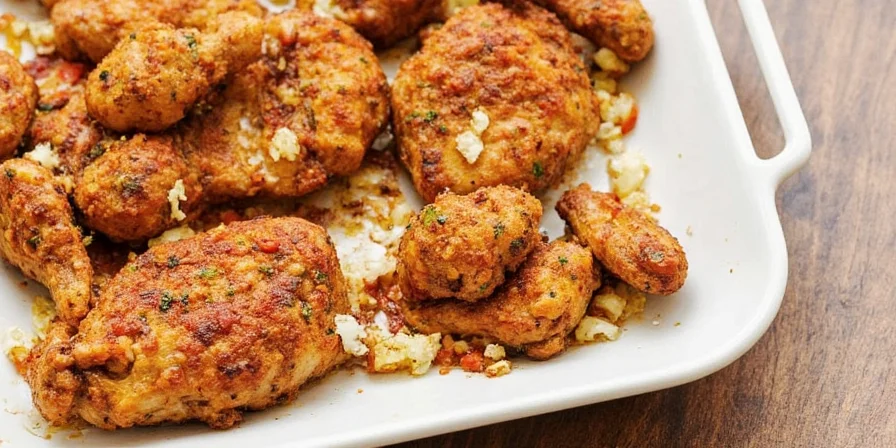
5. Turmeric + Coconut Flakes
Want to give your Chicken Primaver a tropical edge? Turmeric adds color and subtle bitterness, which works beautifully when toasted coconut flakes are stirred in at the end.
6. Sumac + Pine Nuts
Sumac brings a tart zing that’s similar to lemon, but more complex. When toasted pine nuts are sprinkled on top, the result is a delightful crunch and tang combo.
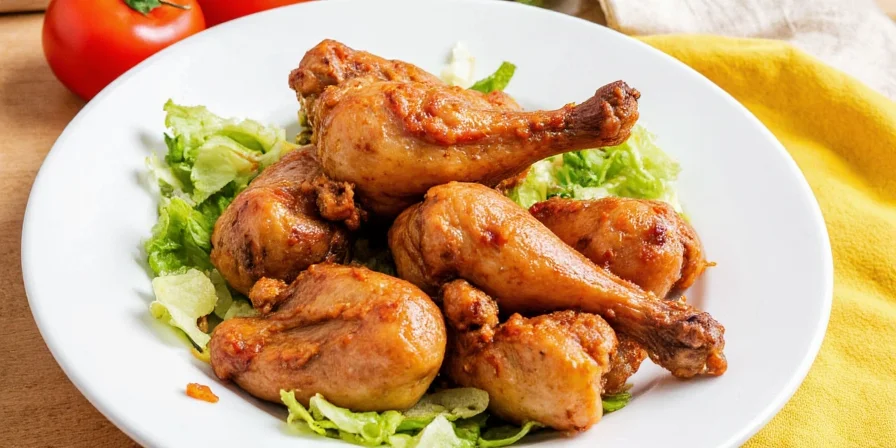
7. Garam Masala + Cashew Cream
Kick the cream sauce up a notch by infusing it with garam masala and blending in cashew cream for richness and a touch of Indian flair.
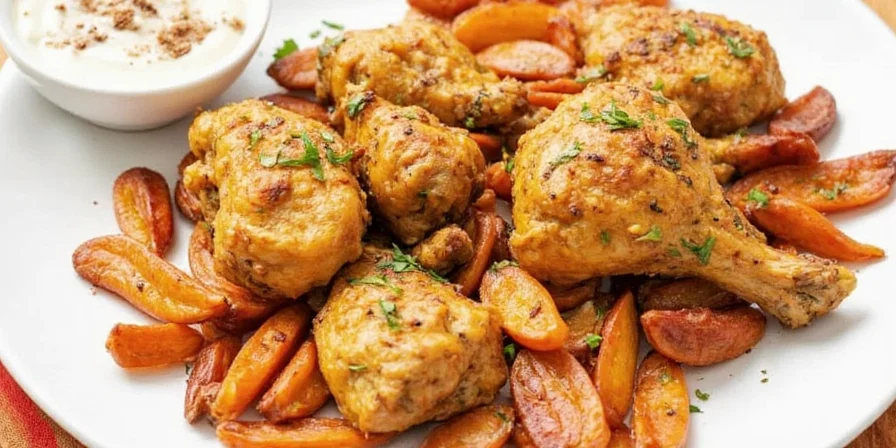
How to Use These Spices Like a Pro
Using these innovative pairings isn’t just about throwing spices in randomly. Here’s how to use them strategically:
- Layer the flavors: Toast whole spices first (like cumin or sumac) before grinding or adding to sauces.
- Balancing act: Always pair bold spices (harissa, turmeric) with milder elements (feta, coconut, cashew cream).
- Add at the right time: Herbs like mint should be added at the very end; spices like smoked paprika work best when mixed with oil early on.
Spice Comparison Table
| Spice Pairing | Main Flavor Notes | Best For | Pro Tip |
|---|---|---|---|
| Smoked Paprika + Lemon Zest | Earthy, smoky, citrusy | Adding warmth without heaviness | Toast paprika gently in oil first |
| Cumin + Fresh Mint | Nutty, refreshing | Summer twists, cooling contrast | Add mint at the very end |
| Za’atar + Garlic | Tangy, savory, aromatic | Middle Eastern fusion | Use with roasted garlic |
| Harissa + Feta Crumble | Spicy, salty | Kick-ass protein boost | Blend harissa into cream first |
| Turmeric + Coconut Flakes | Bitter, nutty, sweet | Tropical flavor boost | Toast coconut lightly |
| Sumac + Pine Nuts | Tart, crunchy | Crisp texture & flavor contrast | Sprinkle on top before serving |
| Garam Masala + Cashew Cream | Spiced, creamy | Vegan-friendly indulgence | Infuse spices into cream base |
Final Thoughts & Tips
Chicken Primaver doesn’t have to be bland. With these innovative spice pairings, you can turn this classic dish into something truly memorable. Don’t be afraid to experiment — try one or mix and match to find your signature blend!
Pro Tip #1: Taste as you go. You can always add more spice, but you can’t take it away.
Pro Tip #2: Pair with a crisp white wine like Sauvignon Blanc to complement the fresh flavors.
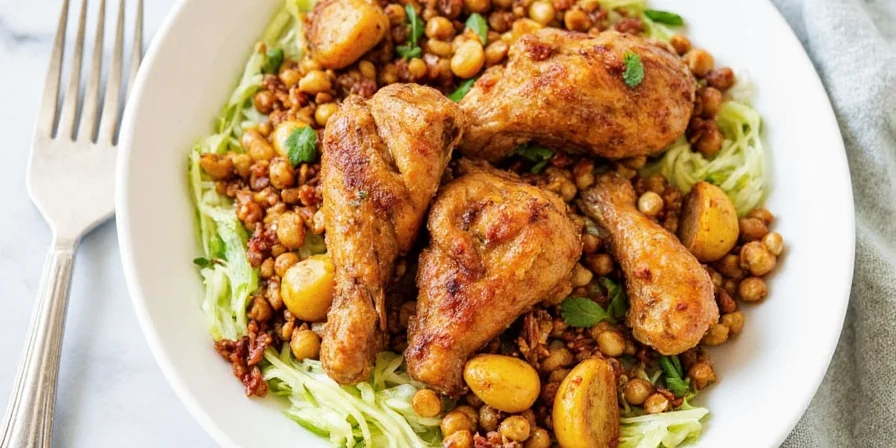
Summary
- Chicken Primaver benefits greatly from creative spice use.
- Pairings like Smoked Paprika + Lemon Zest and Harissa + Feta bring boldness and balance.
- Use techniques like layering, balancing, and proper timing for optimal results.
Keep It Fresh, Keep It Funky
The beauty of Chicken Primaver lies in its adaptability. Whether you’re cooking for a dinner party or just want to spice up a weeknight meal, don’t settle for basic. Get creative, trust your taste buds, and let the spices do the talking.
Until next time — stay saucy and season boldly!




 浙公网安备
33010002000092号
浙公网安备
33010002000092号 浙B2-20120091-4