
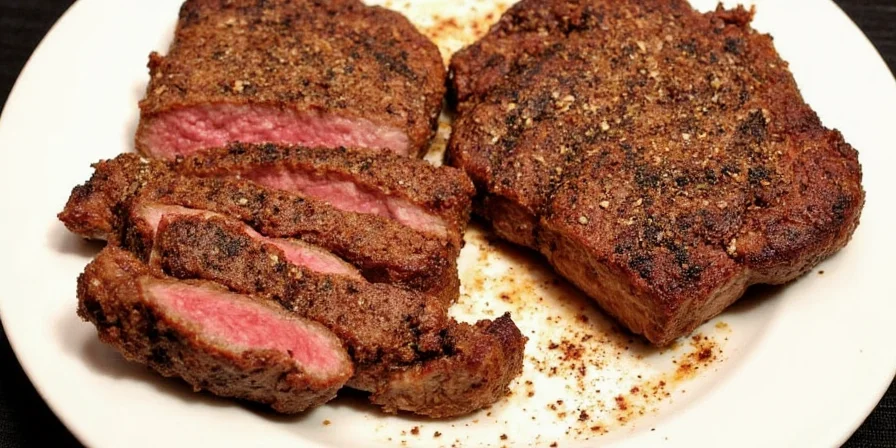
Spice Up Your Life: 7 Wildly Innovative Steak Marinades Using Montreal Steak Seasoning
Table of Contents
- Why Montreal Steak Seasoning is the Ultimate Flavor Weapon
- 7 Out-of-the-Box Marinades That Make Steak Sing
- The Science Behind the Sizzle
- Pro Tips for Mastering Marinade Magic
- Pair It Right: Side Dishes That Play Nice with Spiced Steak
- Final Thoughts: Let’s Get Cooking!
Why Montreal Steak Seasoning is the Ultimate Flavor Weapon
If you're not already smothering your steak in Montreal steak seasoning, are you even grilling?
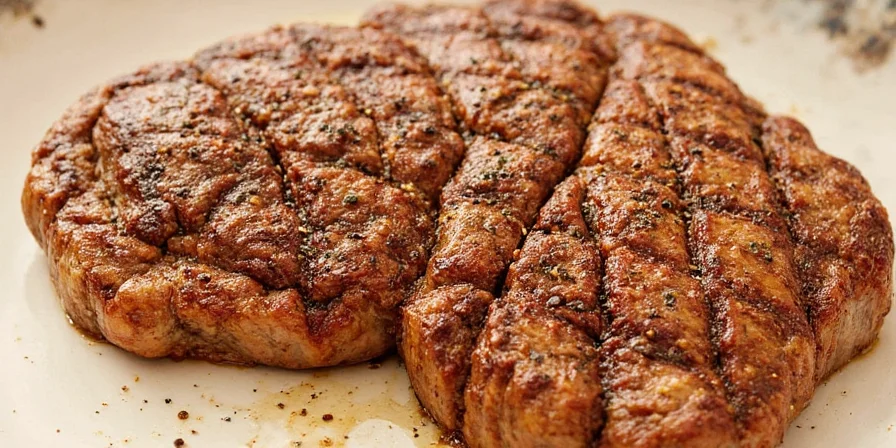
Montreal steak seasoning isn’t just a spice blend—it's a culinary revolution in a shaker. Originally created in Canada (duh), it's a bold mix of garlic, coarse salt, black pepper, coriander, dill, and sometimes even paprika or crushed peppers. The result? A punchy, earthy, and slightly zesty flavor that makes meat taste like it came straight from a top-tier steakhouse.
But here’s the kicker: most people only use it as a surface-level rub. What if I told you it could be so much more?
7 Out-of-the-Box Marinades That Make Steak Sing
Gone are the days when steak marinades were just olive oil, garlic, and rosemary. We’re going full flavor mode with these seven creative twists on Montreal steak seasoning-based marinades.
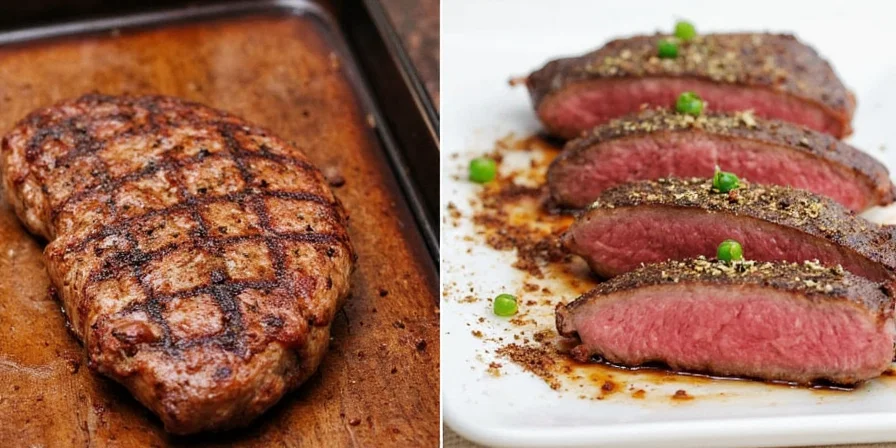
1. Citrus-Kissed Zest Marinade
- Montreal seasoning – 2 tbsp
- Lime zest – 1 tsp
- Lemon juice – 1/4 cup
- Olive oil – 1/3 cup
- Fresh cilantro – chopped, 2 tbsp
This marinade gives your steak a tropical vacation vibe. The citrus lifts the heaviness of beef, while the Montreal seasoning grounds it in savory heaven.
2. Smoky Bourbon & Brown Sugar Infusion
- Montreal seasoning – 1.5 tbsp
- Bourbon – 2 tbsp
- Brown sugar – 1 tbsp
- Smoked paprika – 1 tsp
- Worcestershire sauce – 1 tsp
This one’s perfect for whiskey lovers. The sweetness of brown sugar balances the spice, and bourbon adds depth and a hint of smoke that’s borderline addictive.
3. Asian Fusion Teriyaki Twist
- Montreal seasoning – 1 tbsp
- Soy sauce – 3 tbsp
- Honey – 1 tbsp
- Rice vinegar – 1 tbsp
- Minced ginger – 1 tsp
Bring the umami! This fusion-style marinade combines East and West beautifully. Great for those who love their steak with a sweet-savory balance.
4. Herb Garden Delight
- Montreal seasoning – 1.5 tbsp
- Fresh thyme – 1 tbsp
- Rosemary leaves – 1 tbsp
- Extra virgin olive oil – 1/4 cup
- White wine vinegar – 1 tbsp
For the purists with a flair for elegance. This herb-forward blend lets the meat shine while adding a garden-fresh aroma that’ll make your kitchen smell divine.
5. Fiery Chipotle Kick
- Montreal seasoning – 2 tbsp
- Chipotle in adobo – 1 tbsp (minced)
- Tomato paste – 1 tbsp
- Garlic – minced, 2 cloves
- Canola oil – 1/4 cup
Not for the faint of heart. This marinade brings heat, depth, and a touch of smokiness. Pair with cool toppings like avocado crema or fresh salsa for balance.
6. Honey Mustard Dream Team
- Montreal seasoning – 1 tbsp
- Dijon mustard – 2 tbsp
- Honey – 2 tbsp
- Olive oil – 2 tbsp
- Apple cider vinegar – 1 tbsp
The perfect harmony of sweet, spicy, and tangy. Ideal for weekday dinners that still feel gourmet.
7. Mediterranean Sunburst
- Montreal seasoning – 1.5 tbsp
- Kalamata olives – 1/4 cup, finely chopped
- Red wine vinegar – 2 tbsp
- Crushed fennel seeds – 1 tsp
- Olive oil – 1/3 cup
This marinade transports you to a Greek island. Salty, herbal, and bright—pair with tzatziki and pita for an instant feast.
The Science Behind the Sizzle
So why do these marinades work so well? Let’s get nerdy for a sec.
| Ingredient | Purpose in Marinade | Flavor Impact |
|---|---|---|
| Montreal Seasoning | Flavor foundation | Salty, garlicky, peppery |
| Citrus/Lemon Juice | Tenderizing acid | Brings brightness |
| Oil (Olive/Canola) | Moisture carrier | Smooths out spices |
| Sugar/Honey | Maillard reaction enhancer | Adds caramelization and depth |
| Vinegar/Worcestershire | Acidic tenderizer | Complexity boost |
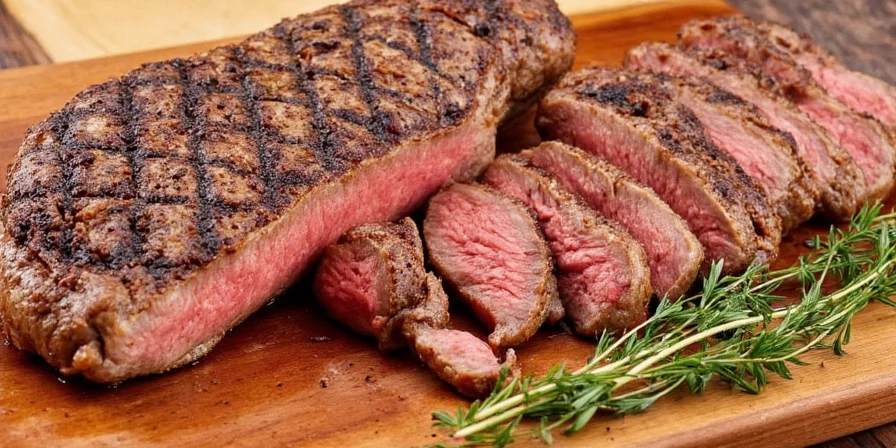
The key to a good marinade is balance: acid to tenderize, oil to carry flavors, and seasonings to add depth. Montreal steak seasoning does double duty by bringing both aromatic herbs and natural tenderizers in the form of salt and pepper.
Pro Tips for Mastering Marinade Magic
You don’t need a Michelin star to nail a killer steak marinade. Here are some insider tips:

- Time is your friend: For best results, marinate at least 4 hours. Overnight is ideal for maximum flavor penetration.
- Airlock it: Use vacuum-sealed bags or airtight containers to ensure full contact between meat and marinade.
- Don’t throw away the marinade: Save a small portion to brush over the steak during cooking for extra flavor.
- Pat dry before searing: Excess moisture = no sear. Wipe off excess marinade and pat dry for that beautiful crust.
- Keep it safe: Never reuse raw marinade. Always reserve a portion before adding to meat or boil used portions if repurposing as a sauce.
Pair It Right: Side Dishes That Play Nice with Spiced Steak
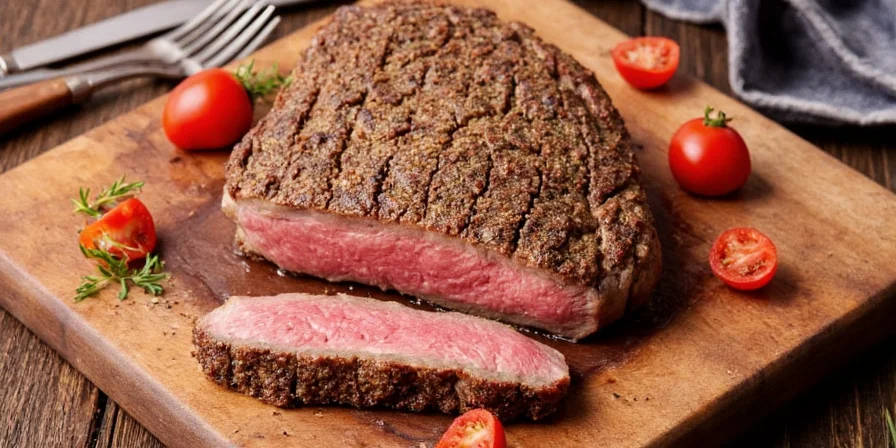
Your marinade should play nice with your sides. Here’s how to create a balanced plate:
| Marinade Style | Recommended Side Dish |
|---|---|
| Citrus-Kissed | Grilled corn with chili-lime butter |
| Smoky Bourbon | Whiskey-braised mushrooms |
| Asian Fusion | Sticky rice and pickled vegetables |
| Herb Garden | Roasted baby potatoes with rosemary |
| Fiery Chipotle | Avocado crema + warm tortillas |
| Honey Mustard | Simple green salad with vinaigrette |
| Mediterranean Sunburst | Tzatziki, hummus, and warm pita bread |
Final Thoughts: Let’s Get Cooking!
Making a great steak doesn’t have to be complicated—but it sure can be exciting. With Montreal steak seasoning as your base, the sky’s the limit when it comes to flavor innovation.
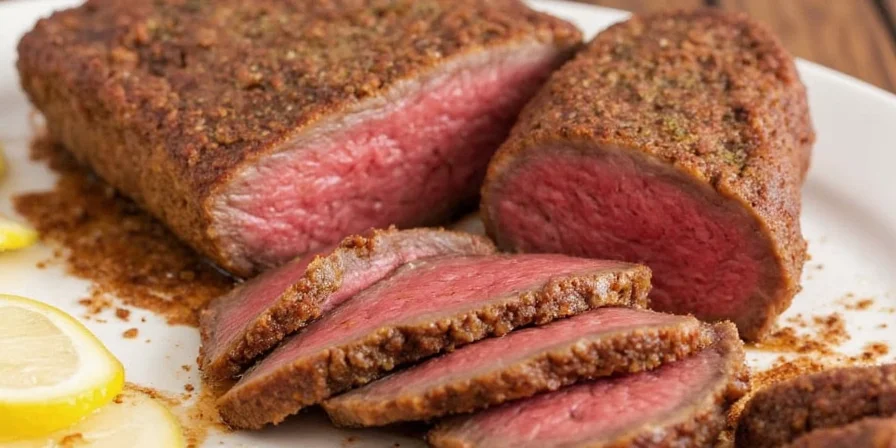
Whether you go wild with chipotle or keep it classy with herbs, your next dinner is about to become legendary. So fire up that grill, grab your favorite cut, and let those spices fly!
Now go forth and spice boldly.




 浙公网安备
33010002000092号
浙公网安备
33010002000092号 浙B2-20120091-4