

🔥 Spicing Up the Classics: The Red Bean Chili Revolution
If you thought chili was just a cold-weather comfort food or a one-trick pony of ground beef and kidney beans, think again. Welcome to the Innovative Spice Pairings universe — where we’re reinventing the beloved red bean chili with flavor combinations that will make your taste buds sing opera.
💡 Why Red Beans? The Unsung Heroes of Chili
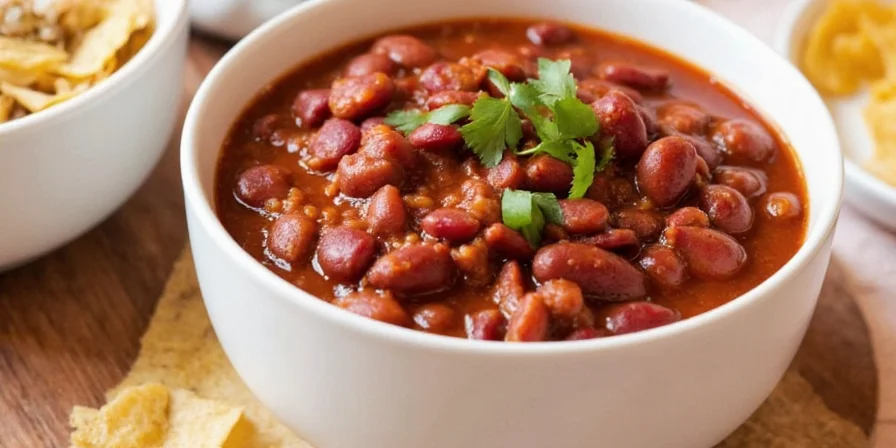
Red beans are often overlooked in favor of their more famous cousins like pinto or black beans. But let’s give credit where credit is due — these little rubies bring a soft texture, earthy sweetness, and a whole lot of fiber to the table. They’re also excellent at soaking up spices without getting lost in the sauce.
🫘 Nutritional Benefits of Red Beans
- High in plant-based protein
- Packed with dietary fiber
- Low in fat and cholesterol-free
- Rich in antioxidants and B-vitamins
🌶️ The Art of Innovative Spice Pairing in Chili
Gone are the days when chili meant just chili powder and cumin. We’re talking about pairing flavors from across the globe to create something bold, unique, and downright delicious. Think of it like music — different instruments (spices) playing together to create a harmonious, unforgettable dish.
🔍 Spice Pairing Deep Dive
| Spice | Flavor Profile | Ideal Pairing |
|---|---|---|
| Smoked Paprika | Earthy, slightly sweet, smoky | Dark chocolate or coffee notes |
| Cumin | Earthy, nutty, warm | Lime zest for brightness |
| Coriander | Citrusy, spicy, floral | Fennel seeds for depth |
| Ancho Chili Powder | Sweet, raisin-like heat | Brown sugar or molasses |
| Chipotle in Adobo | Smoky, spicy, tangy | Honey or maple syrup |
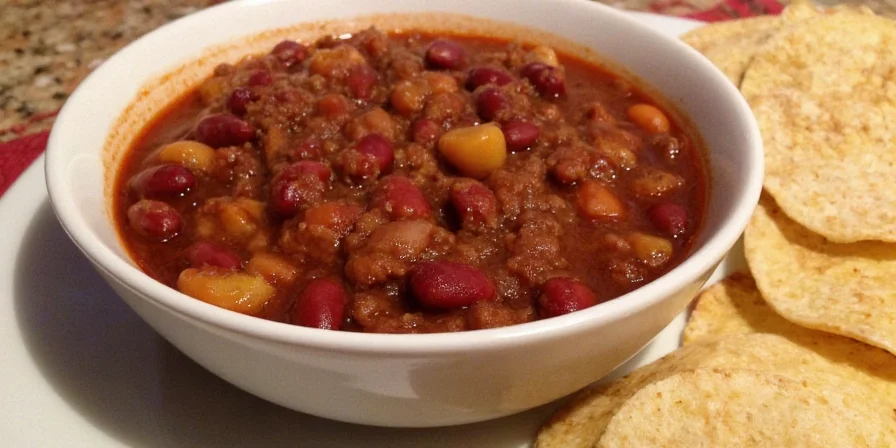
🍴 Ultimate Red Bean Chili Recipe with Innovative Spice Twists
This isn’t your grandma’s chili — though she might ask for seconds. Here’s how to turn humble red beans into a flavor-packed masterpiece.
🛒 Ingredients You'll Need:
- 2 cups cooked red beans (or canned, drained and rinsed)
- 1 tablespoon olive oil
- 1 medium onion, diced
- 3 cloves garlic, minced
- 1 red bell pepper, chopped
- 1 teaspoon smoked paprika
- 1 teaspoon ground cumin
- ½ teaspoon coriander
- 1 teaspoon ancho chili powder
- 1 chipotle pepper in adobo, minced (plus a splash of the sauce)
- 1 can crushed tomatoes (14 oz)
- 2 cups vegetable or chicken broth
- 1 tablespoon tomato paste
- 1 teaspoon brown sugar
- Salt & black pepper to taste
👨🍳 Step-by-Step Instructions:
- Heat olive oil in a large pot over medium heat. Add onions and sauté until translucent (~5 minutes).
- Add garlic and red bell pepper; cook another 5 minutes.
- Stir in all the dry spices and toast them for 1–2 minutes to release their aroma.
- Add crushed tomatoes, tomato paste, brown sugar, and broth. Stir well.
- Bring to a simmer, then add the red beans. Cover and let cook on low for 30–40 minutes, stirring occasionally.
- Taste and adjust seasoning as needed. Add more chipotle if you want extra heat.

🌟 Serving Suggestions: Beyond the Bowl
Once you’ve made this red bean chili, don’t stop at just ladling it into bowls. Here are some fun ways to serve or repurpose your batch:
- Loaded Sweet Potato Jacket: Spoon over baked sweet potatoes and top with Greek yogurt, avocado, and cilantro.
- Chili Stuffed Peppers: Use green bell peppers or poblano chiles and bake until tender.
- Chili Nacho Bar: Warm corn tortilla chips and pile high with chili, cheese, jalapeños, and sour cream.
- Freezer Meal Magic: Freeze individual portions for quick dinners. Thaw overnight and reheat on the stove.

🧠 Pro Tips: Spice Like a Pro, Not Just a Cook
Here are some advanced tricks to keep your chili game strong every time:
- Toast Your Spices First: Never skip this step! Toasting enhances the oils and intensifies the flavors.
- Aim for Depth: Use a mix of heat, smoke, sweetness, and acidity. Balance is key!
- Add Umami Boosters: A splash of Worcestershire sauce, soy sauce, or even a bit of instant coffee can elevate the richness.
- Rest It Overnight: Chili tastes better the next day — the flavors meld and deepen. If you can wait, do it!
- Dare to Compare: Try variations with different beans, meats, or even fruits like mango or pineapple to see what works best.
🧂 Flavor Variations: Spice It Up (Literally)
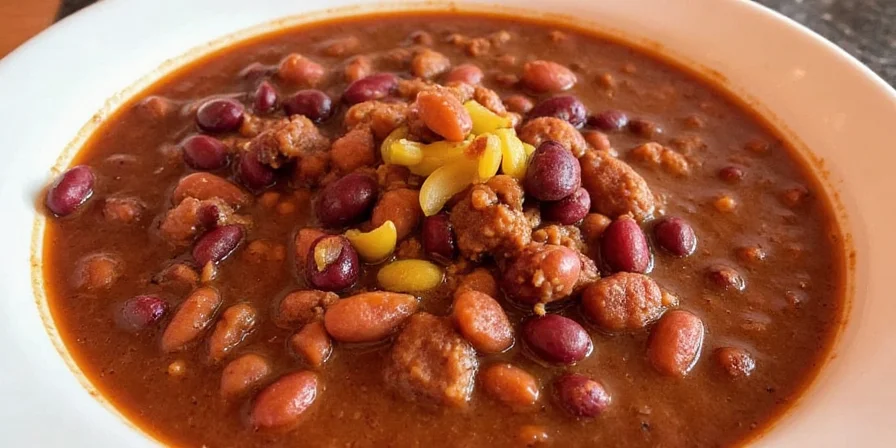
Want to play around with your red bean chili and try something new each week? Here are a few innovative twists:
| Variation Name | Spice/Ingredient Twist | Why It Works |
|---|---|---|
| Mexican Fusion | Add lime zest + cotija cheese | Fresh citrus cuts through richness, saltiness enhances everything |
| Asian Inspired | Ginger + lemongrass + sesame oil | Brings brightness and umami in unexpected ways |
| Middle Eastern Flair | Sumac + cinnamon + dried apricots | Sweetness and tartness dance beautifully with chili |
| Caribbean Kick | Scotch bonnet + coconut milk + thyme | Velvety coconut balances fiery heat for a tropical twist |
💬 FAQs: Your Red Bean Chili Questions Answered
Can I make this chili vegetarian?
Yes! Skip any meat and use vegetable broth. Add mushrooms or jackfruit for a meaty texture.
How long does it last in the fridge?
Up to 5 days. Store in an airtight container for best results.
Can I use other types of beans?
Absolutely! Pinto, black, or even navy beans work great. Each brings its own character.
What if my chili is too spicy?
Add a dollop of sour cream, yogurt, or a spoonful of peanut butter to mellow the heat.
Can I pressure-cook this?
You bet! Toss everything into an Instant Pot and cook on high pressure for 15 minutes, natural release.

🎉 Final Thoughts: Red Beans, Reimagined
Red bean chili doesn’t have to be boring or basic. With the right blend of spices and a dash of creativity, you can transform this humble dish into a culinary showstopper. Whether you're cooking for one, a crowd, or meal-prepping for the week, this red bean chili recipe is your gateway to the world of Innovative Spice Pairings.
So go ahead — experiment, explore, and most importantly, enjoy. Because life’s too short for bland food.




 浙公网安备
33010002000092号
浙公网安备
33010002000092号 浙B2-20120091-4