
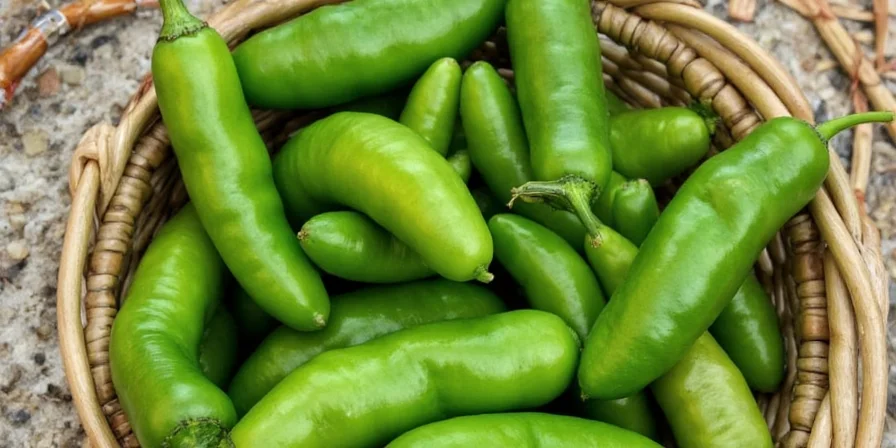
5 Unexpectedly Sweet Twists: Green Pepper in Spicy-Sweet Pairings!
You've heard of chili chocolate and jalapeño jam, but have you ever thought of pairing green pepper with sweet ingredients? Welcome to the wild world of Innovative Spice Pairings, where the unexpected becomes extraordinary. Today, we're diving into a curious yet compelling combo: green pepper & sweet flavors.
In this blog post, we'll explore how green pepper’s bright, earthy heat can actually enhance sweetness — not overpower it. Whether you’re a pro chef or a home-cooking spice adventurer, you’ll find something delicious here.
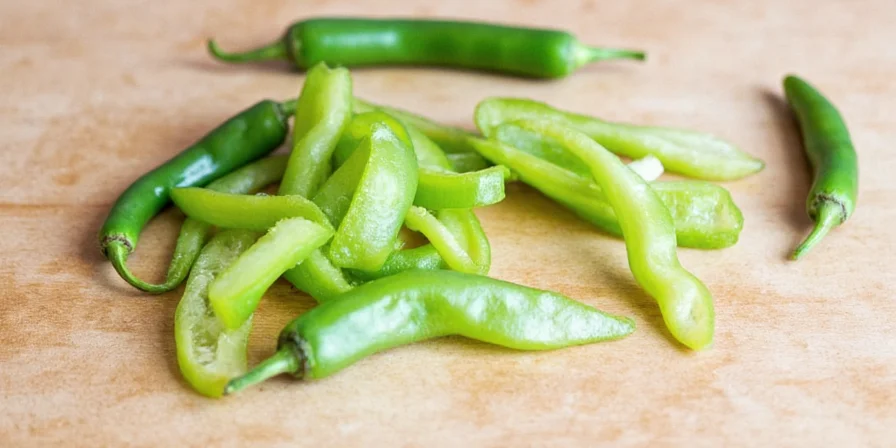
Why Green Pepper?
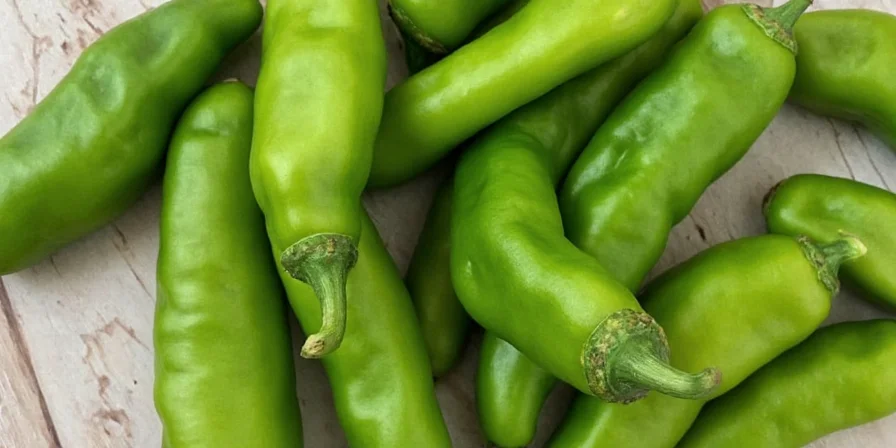
Before we dive into the pairings, let’s talk about what makes green pepper (yes, we mean black pepper that's been picked early) so unique. Unlike its mature cousin — black pepper — green peppercorns are harvested before they fully ripen, giving them a fresher, more vegetal flavor profile with subtle heat.
They often have a citrusy undertone, which pairs beautifully with sweet elements like fruit, honey, and even desserts. Think of green pepper as the mischievous sibling of the spice rack — it’s got attitude but knows when to play nice.
| Spice | Flavor Profile | Sweet Pairing Potential |
|---|---|---|
| Black Pepper | Earthy, bold, slightly woody | Medium |
| Green Pepper | Fresh, zesty, grassy, mild heat | High |
| Jalapeño | Vegetal, tangy, medium heat | Very High |
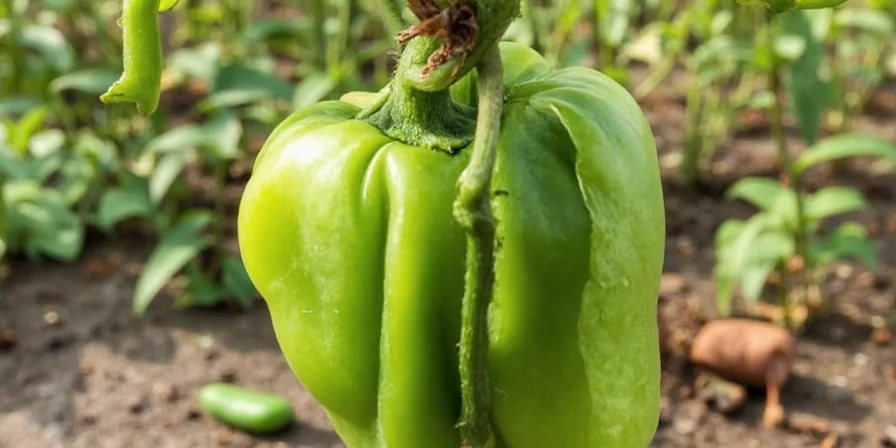
Top 5 Innovative Green Pepper & Sweet Pairings
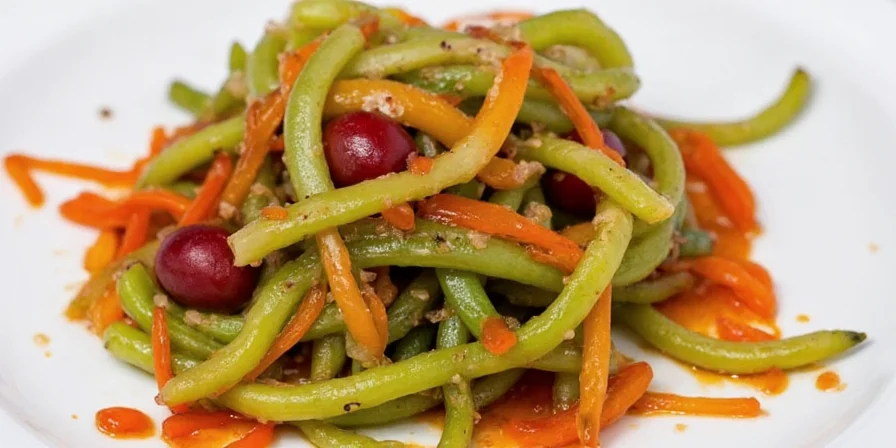
1. Green Pepper + Honey Glazed Carrots
This simple dish combines roasted carrots glazed with honey and a light sprinkle of crushed green peppercorns. The result? A balance between the natural sweetness of the carrots and the fresh bite of green pepper.
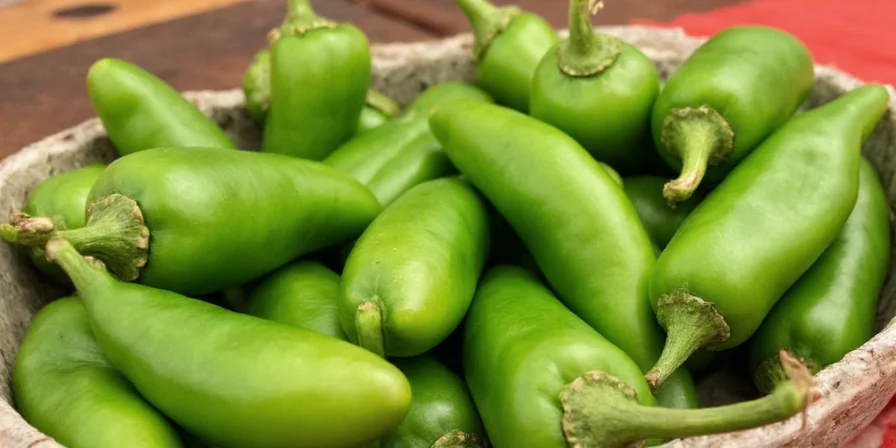
2. Green Pepper + Pineapple Salsa
Add a few finely chopped green peppercorns to your next pineapple salsa for a zesty kick. It complements grilled fish or chicken beautifully, adding complexity without overwhelming the palate.
3. Green Pepper + Chocolate Truffles
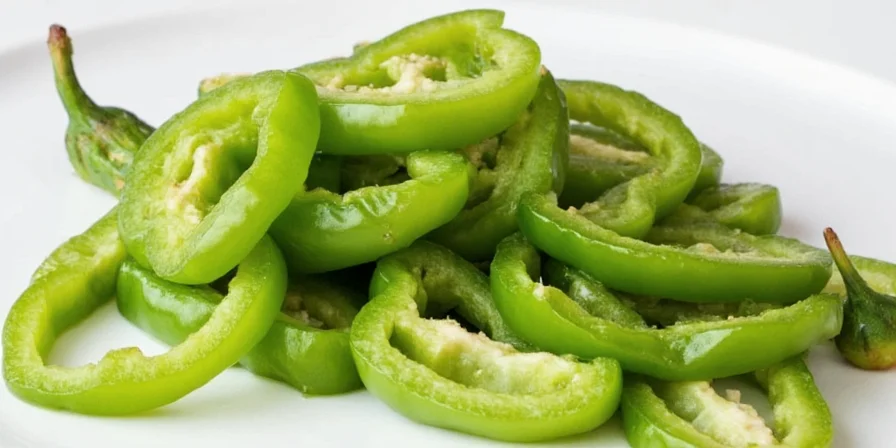
This may sound bizarre, but a pinch of ground green pepper in dark chocolate truffle filling adds a refreshing twist. It cuts through the richness and elevates the cocoa notes.
4. Green Pepper + Strawberry Basil Sorbet
A dash of green pepper powder brings out the brightness in strawberries while enhancing the herbal notes of basil. It’s a summer treat with an elegant edge.
5. Green Pepper + Caramel Popcorn
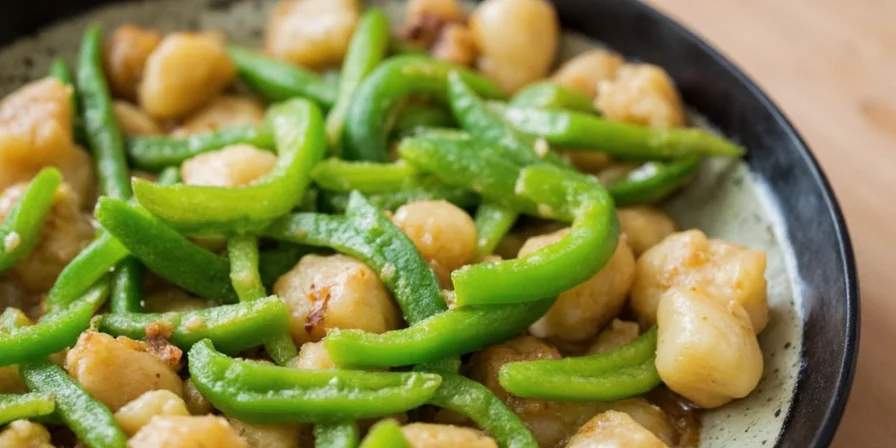
Toss freshly popped popcorn in warm caramel and finish with a dusting of finely crushed green peppercorns. It’s the perfect mix of sweet, salty, and spicy — ideal for movie nights or snack bowls at parties.
Pro Tips for Using Green Pepper in Sweet Dishes
Now that you’ve seen some amazing combinations, here are a few tips to help you master the art of using green pepper in sweet dishes:
- Use sparingly: Green pepper is potent in small amounts. Start with just a few cracked peppercorns and adjust from there.
- Crush or grind: Whole peppercorns won’t infuse much flavor into baked goods or sauces. Crush them lightly or use a grinder for best results.
- Pair with acidic fruits: Fruits like lime, grapefruit, and passionfruit work well with green pepper because they amplify its zesty character.
- Infuse syrups or oils: Make a green pepper-infused syrup by simmering water, sugar, and a handful of crushed peppercorns. Use it in cocktails, drizzles, or glazes.
- Toast first for depth: Lightly toast green peppercorns in a dry pan before crushing to bring out nutty and aromatic notes that complement sweeter profiles.
Common Mistakes to Avoid
As with any bold ingredient, using green pepper in sweet dishes requires a delicate touch. Here are some common mistakes and how to avoid them:
| Mistake | Why It Happens | How to Fix It |
|---|---|---|
| Overusing the spice | Pepper can easily dominate other flavors if not used carefully. | Start with less than you think you need — you can always add more. |
| Using old peppercorns | Old spices lose potency and flavor quickly. | Store green peppercorns in an airtight container away from light and heat. |
| Not balancing the sweetness | If the sweet element isn't strong enough, the pepper will seem harsh. | Adjust sweetness with a bit more honey, sugar, or fruit to find equilibrium. |

Final Thoughts: Dare to Be Different
Green pepper might not be the first spice you reach for when making dessert or fruity dishes, but its ability to lift and enhance flavors is unparalleled. With the right balance and a bit of creativity, green pepper can transform your sweet creations from ordinary to unforgettable.
So next time you’re in the kitchen, don’t be afraid to break the mold. Let green pepper surprise you — it’s one of those underappreciated gems that deserves a little more love on the sweet side of life.
Conclusion: The Sweet Side of Spice
Incorporating green pepper into sweet recipes isn’t just a culinary experiment — it’s a flavorful journey. From honeyed veggies to dessert bites, these innovative pairings open up new avenues for flavor exploration.
Whether you're crafting a signature cocktail or spicing up your weekend baking, remember: sometimes, the boldest flavors come in the greenest packages. Go ahead — shake things up and see what green pepper can do for your sweet side!




 浙公网安备
33010002000092号
浙公网安备
33010002000092号 浙B2-20120091-4