
Susie Q Seasoning Santa Maria: A Flavorful Twist to Your BBQ Game
Table of Contents
- Introduction
- What is Susie Q Seasoning Santa Maria?
- Why It Works So Well
- Top 7 Innovative Pairings with Susie Q Santa Maria
- How to Use Susie Q Like a Pro
- Quick Reference Pairing Chart
- Final Thoughts
🔥 Smoky Meets Bold — Welcome to the World of Susie Q Seasoning Santa Maria
If you’ve ever wondered what gives that magical edge to Santa Maria-style BBQ, you're not alone. The answer often lies in one little jar: Susie Q Seasoning Santa Maria. But here's the twist — we're not just talking about throwing it on ribs anymore.
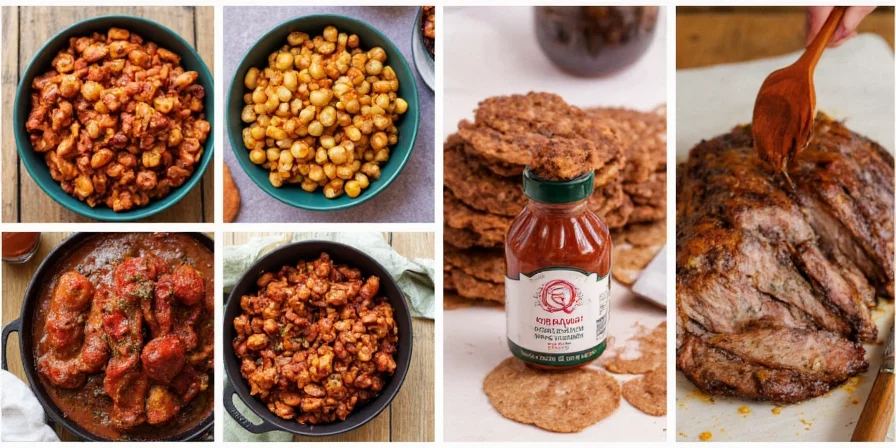
This article is all about pushing boundaries. Whether you're a seasoned pitmaster or someone who’s just starting out with a charcoal grill, this guide will open your eyes (and taste buds) to some truly Innovative Spice Pairings using Susie Q Santa Maria seasoning.
🧂 What Exactly Is Susie Q Seasoning Santa Maria?
Born from the legendary BBQ traditions of California’s Central Coast, Susie Q Seasoning is the brainchild of renowned pitmaster Bob Gibson. His Santa Maria blend is particularly famous for its bold mix of sea salt, garlic, black pepper, paprika, and a secret medley of herbs that give it that unmistakable richness.
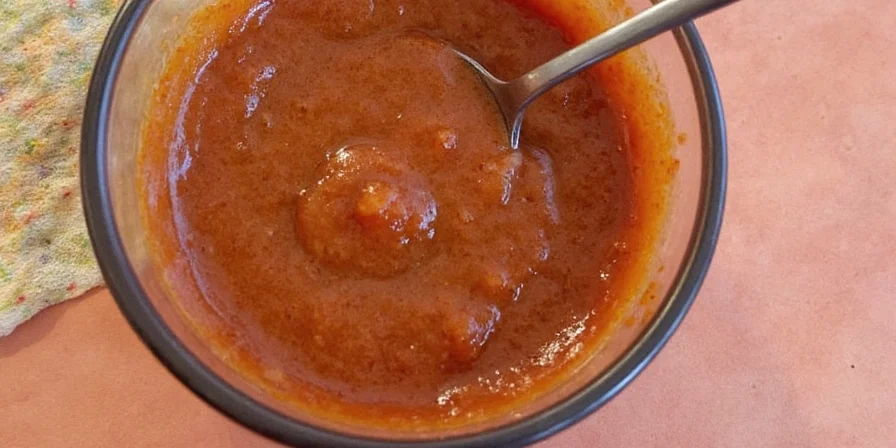
It's a dry rub at heart, but don't let that fool you — its flavor profile is anything but dry. It brings warmth, umami, and just the right amount of kick to your meats, veggies, and even snacks.
🧠 Why Does It Work So Damn Well?
Let’s get scientific for a moment (but not too much). Susie Q Santa Maria works because it balances five key flavor elements:
- Saltiness — Enhances overall taste perception
- Garlic — Adds savory depth and aromatic appeal
- Paprika & Pepper — Provides subtle heat and smokiness
- Umami Boosters — Likely MSG or natural yeast extracts for that “yum factor”
- Herbal Notes — Balances everything out with earthy undertones
This balance makes it incredibly versatile and perfect for pairing with a wide range of ingredients — more than most people realize.
💡 Top 7 Innovative Pairings with Susie Q Santa Maria Seasoning
Gone are the days when you only used Susie Q for tri-tip. Let’s shake things up with these creative and mouthwatering combinations.
- Pineapple-Glazed Chicken Skewers: Yes, really! The sweetness of pineapple contrasts beautifully with the salty, peppery punch of Susie Q.
- Cajun Corn Fritters: Toss your batter with a pinch of Susie Q before frying for an extra layer of spice and smoke.
- Grilled Avocado with Shrimp Cocktail: Sprinkle a light dusting over avocado halves before grilling and serve with citrusy shrimp for a fresh, bold appetizer.
- Mushroom-Stuffed Sweet Potatoes: Vegetarian-friendly? Absolutely. Earthy mushrooms + sweet potatoes + Susie Q = magic.
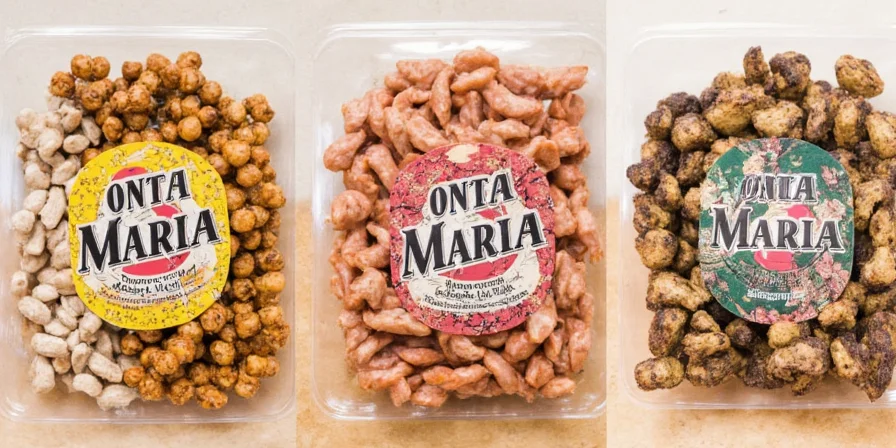
- Spiced Popcorn Mix: Add a dash of Susie Q to your homemade popcorn along with nutritional yeast and chili flakes. It’s snack heaven.
- Charred Eggplant Bruschetta: Toasted bread topped with charred eggplant, goat cheese, mint, and — you guessed it — a hint of Susie Q.
- Chorizo Mac & Cheese Bites: Infuse the breadcrumb topping with Susie Q for an unexpected kick that elevates the whole dish.
👩🍳 How to Use Susie Q Like a Pro
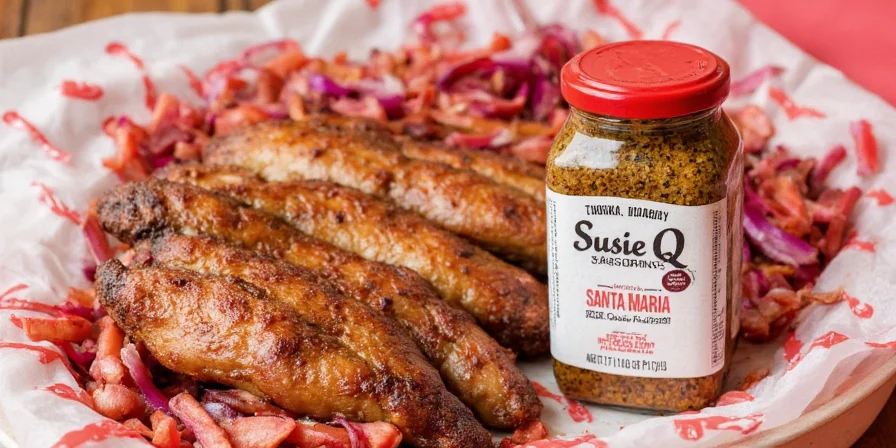
Whether you’re dry-rubbing, mixing into sauces, or spicing up desserts (yes, really), there’s a right way to handle this powerhouse seasoning:
- Dry Rub Rule of Thumb: Use 1–2 teaspoons per pound of meat. Let sit for 30 minutes before cooking.
- Sauce Enhancer: Stir a small amount into mayo, aioli, or ketchup for an instant flavor lift.
- Baking Surprise: Try adding a pinch to dough for pretzels or crackers for a unique twist.
- Vegetable Magic: Don’t shy away from sprinkling it on zucchini, corn, or even grilled fruit like peaches.
- Balance with Acid: If things get too intense, a squeeze of lime or lemon helps cut through the richness.
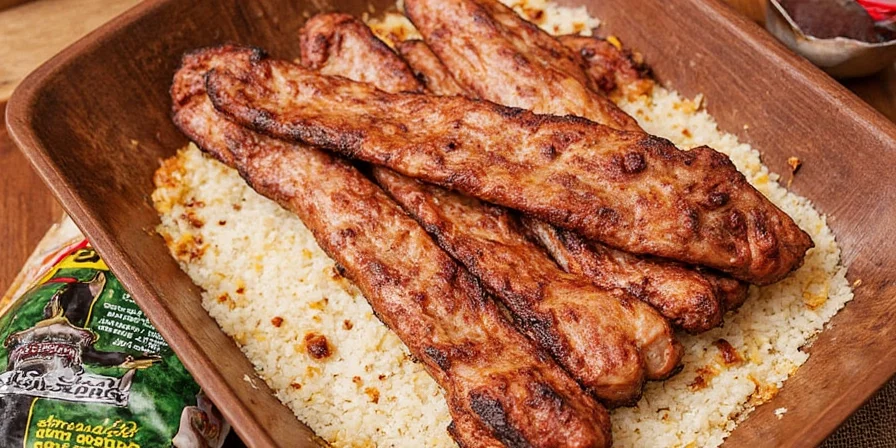
📊 Quick Reference Pairing Chart
| Base Ingredient | Susie Q Compatibility | Best Cooking Method | Tips |
|---|---|---|---|
| Tri-Tip | ⭐⭐⭐⭐⭐ | Low and slow smoking | Add more if you like a bolder crust |
| Chicken Thighs | ⭐⭐⭐⭐½ | Grilled or roasted | Use under the skin for deep flavor |
| Portobello Mushrooms | ⭐⭐⭐⭐ | Marinated and grilled | Pair with balsamic reduction |
| Popcorn | ⭐⭐⭐⭐ | Air-popped or stovetop | Add post-pop for best coverage |
| Avocado Halves | ⭐⭐⭐⭐ | Lightly grilled | Don’t overdo it — avocado is delicate |
| Peaches | ⭐⭐⭐ | Skillet-seared or grilled | Balance with honey or vanilla yogurt |
🎉 Final Thoughts: Embrace the Q in Your Kitchen
Susie Q Seasoning Santa Maria isn’t just for BBQ lovers — it’s for flavor explorers. It opens the door to a world where spice meets imagination, where the ordinary becomes extraordinary with just a sprinkle.
So next time you reach for that jar, ask yourself: What else can I season? What haven’t I tried yet? You might be surprised by how far a little creativity — and a few shakes of Susie Q — can take you.
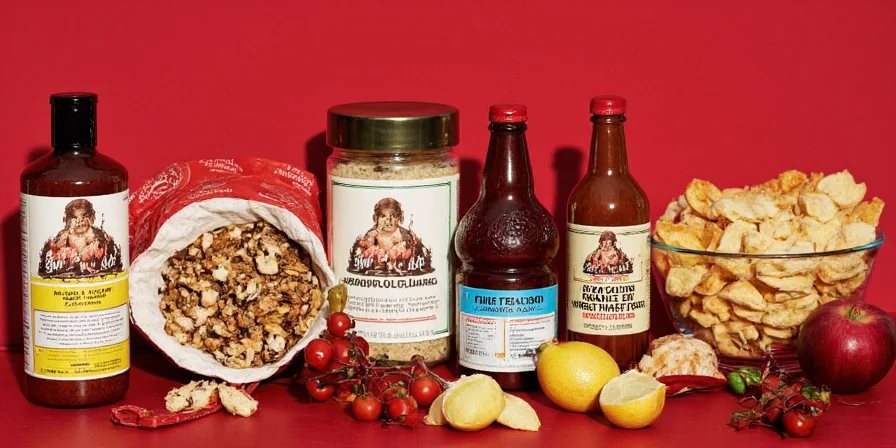
📌 Summary: Innovative Uses of Susie Q Santa Maria Seasoning
- Traditionally used in Santa Maria-style BBQ but has wide culinary potential
- Contains salt, garlic, paprika, pepper, and herbal notes
- Works well beyond meat — try it on veggies, fruits, snacks, and baked goods
- Use as a dry rub, sauce enhancer, or finishing touch
- Create exciting new dishes by pairing with contrasting flavors like sweet, acidic, or creamy elements
Ready to take your flavor game to the next level? Grab a jar of Susie Q Seasoning Santa Maria and start experimenting today!




 浙公网安备
33010002000092号
浙公网安备
33010002000092号 浙B2-20120091-4