
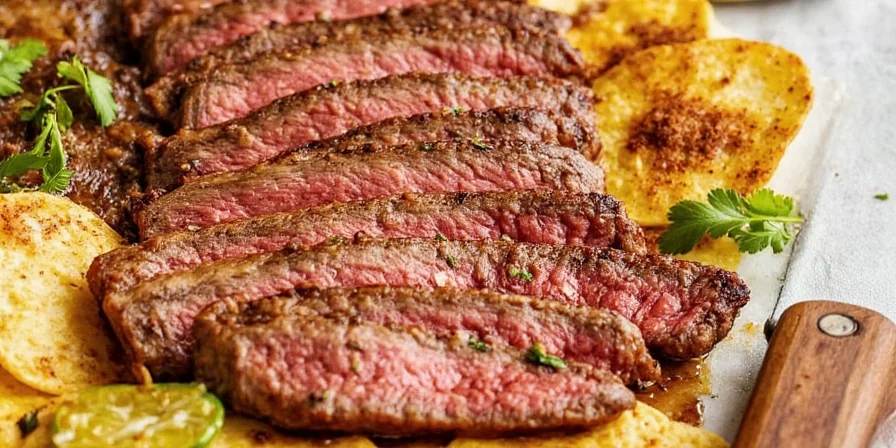
10 Bold and Brilliant Spice Combos That Will Revolutionize Your Steak Quesadilla Marinade
Description:
If you've ever wondered how to elevate your steak quesadilla marinade from "meh" to "mind-blowing," you're in the right place. Welcome to a flavor explosion powered by some of the most innovative spice pairings known to taco-loving mankind. Whether you’re a culinary pro or just someone who appreciates a juicy steak between two tortillas, this guide will arm you with techniques, insights, and a few laughs along the way.
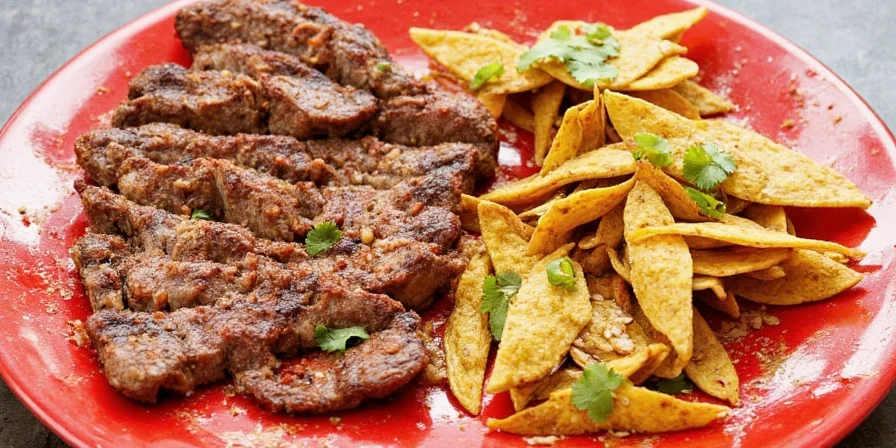
Table of Contents
- Why Marinade Matters (Even When You’re Lazy)
- The Science Behind Flavor Infusion: Why It Works
- Top 10 Innovative Spice Pairings for Your Steak Quesadilla Marinade
- Pro Tips: Making the Most Out of Every Pinch and Pour
- Visual Breakdown: Spice Profiles at a Glance
- Final Thoughts: Let’s Marinate on This Together
Why Marinade Matters (Even When You’re Lazy)
You might be thinking, "Do I really need to marinate my steak if it's just going into a grilled tortilla?" The answer is a resounding YES—if you want to taste the difference between basic beef and a flavor-packed fiesta dancing on your tongue.
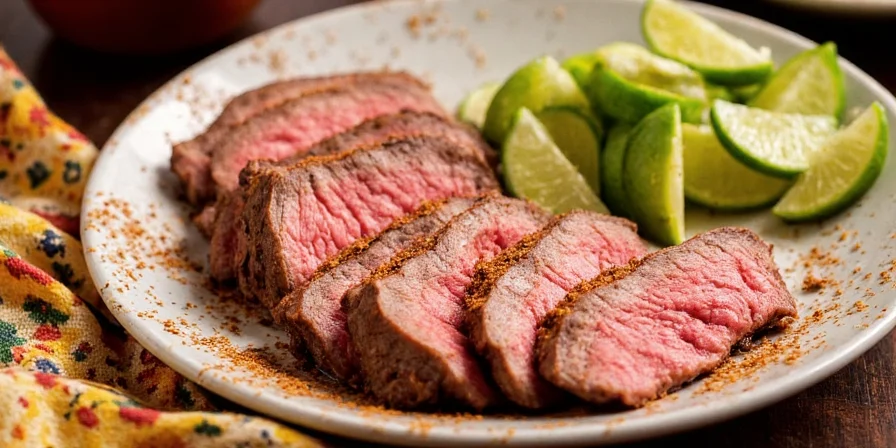
Marinating isn’t just about tenderizing; it’s about creating layers of flavor that cling lovingly to every fiber of your meat. Think of it like giving your steak a spa day—but instead of cucumbers and lavender, it gets paprika and lime zest.
The Science Behind Flavor Infusion: Why It Works
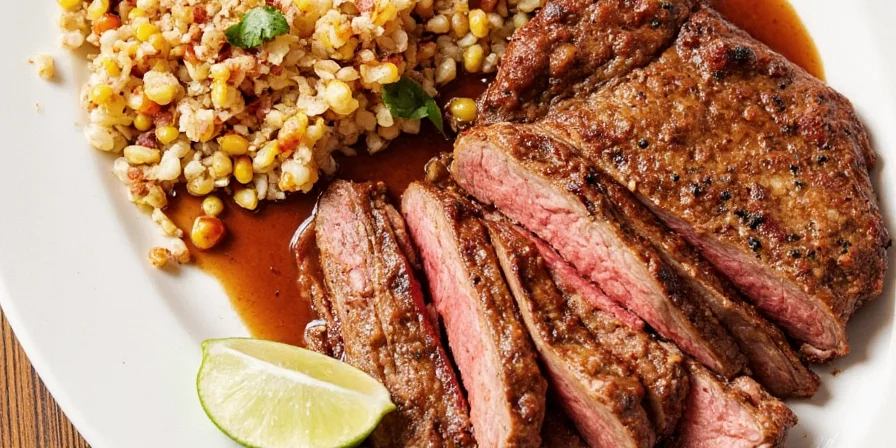
At its core, a marinade is a mixture of acids (like vinegar or citrus juice), oils, and aromatics (read: spices). These ingredients work together to chemically alter the surface of the meat, allowing those flavors to sink in.
- Acids: Help break down proteins and muscle fibers slightly, making the meat more tender.
- Oils: Carry fat-soluble flavors deeper into the meat (because not all heroes wear capes—some wear olive oil).
- Spices & Herbs: Provide the aromatic fireworks we crave. Some even have enzymes or compounds that help tenderize the meat further.
Fun Fact: Did you know that salt can actually help draw moisture out of meat, which then mixes with the marinade to create an internal brine? Now you do!
Top 10 Innovative Spice Pairings for Your Steak Quesadilla Marinade
Let’s dive into the heart of this article—the real deal: our top 10 innovative spice pairings that’ll make your steak quesadilla marinade stand out from the crowd.
-
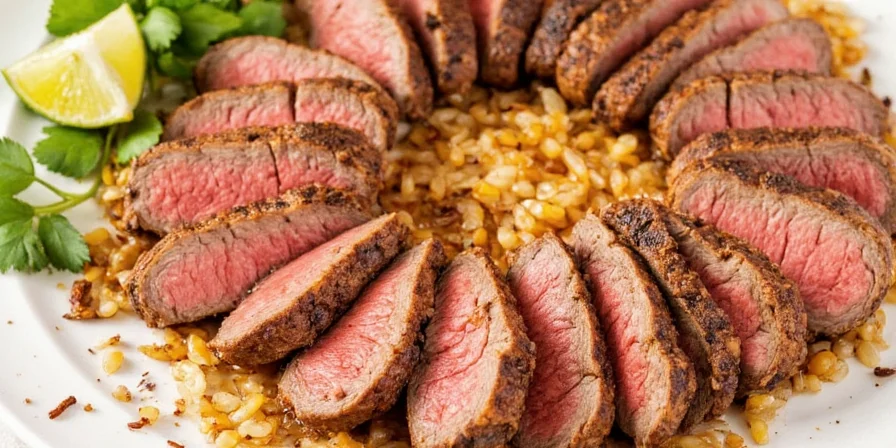
#1: Smoky Paprika + Lime Zest
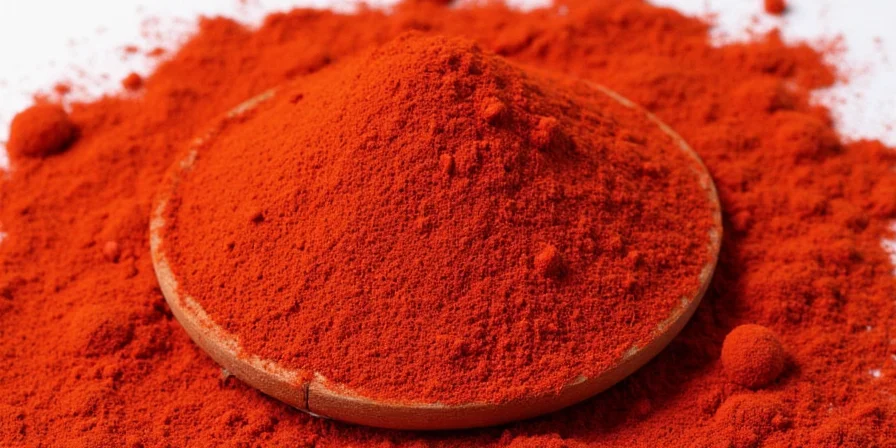
This combo is like a mariachi band playing under the stars—smoky, vibrant, and unforgettable. Paprika brings warmth and depth, while lime zest brightens everything up.
-
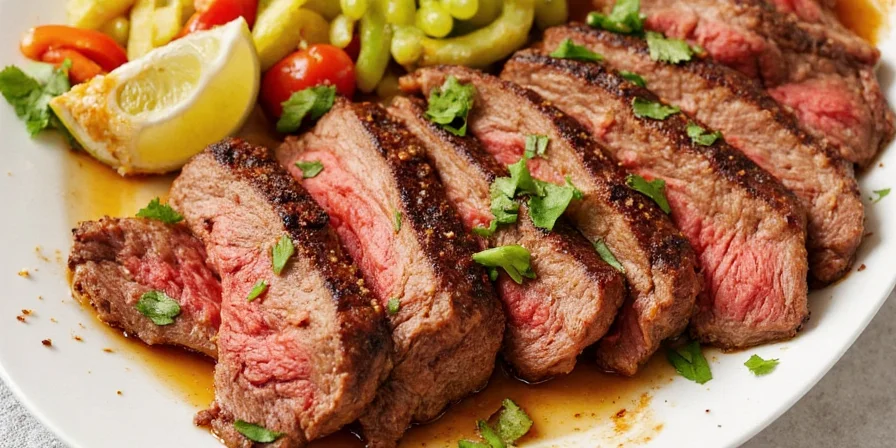
#2: Cumin + Orange Zest
Cumin gives that earthy backbone, while orange zest adds a fruity brightness that lifts the whole dish. Perfect for those who like their steak with a hint of sunshine.
-
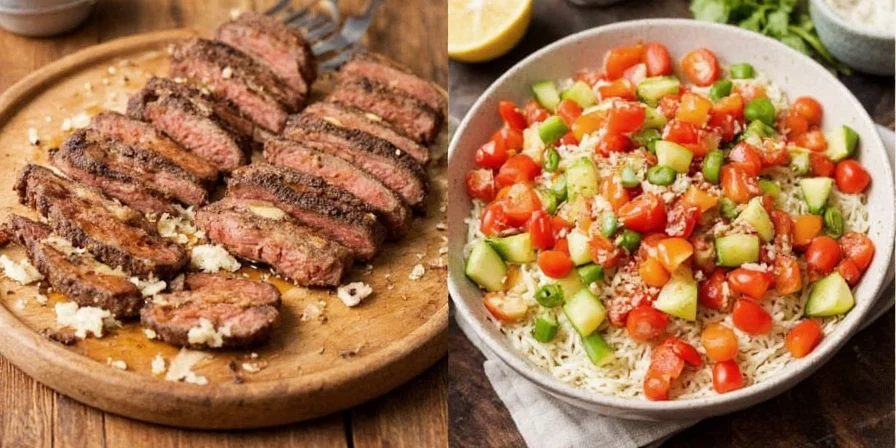
#3: Coriander + Garlic Powder
This dynamic duo hits hard with floral and savory notes. Great for layering flavor without overpowering the beef.
-
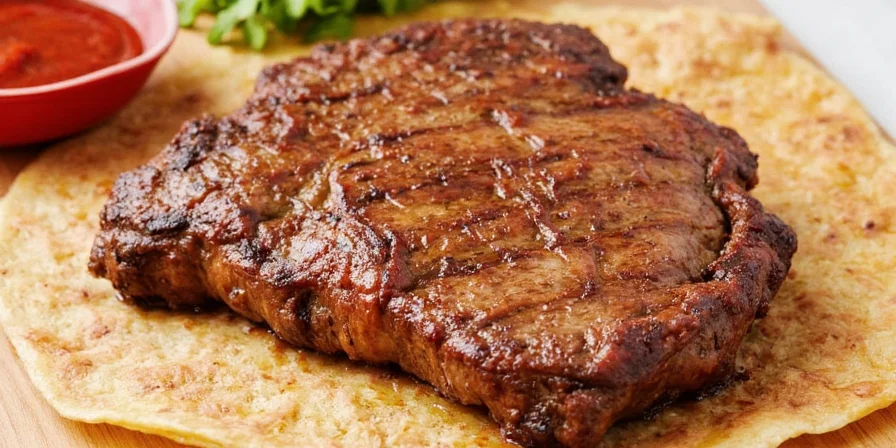
#4: Chipotle in Adobo + Brown Sugar
Smoky heat meets caramelized sweetness. If your mouth isn’t watering yet, are you even alive?
-
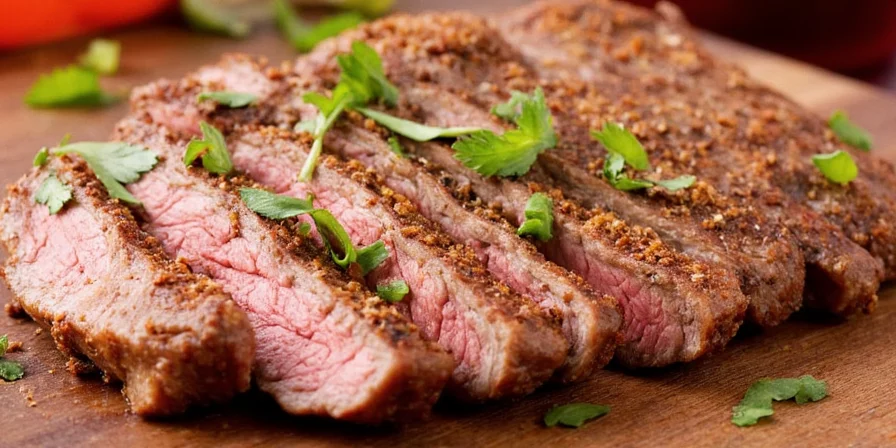
#5: Ancho Chili Powder + Coffee Grounds
An unexpected but delicious twist—coffee grounds add umami and bitterness that balances the sweet smokiness of ancho chili powder. It’s basically a steak latte, but better.
-
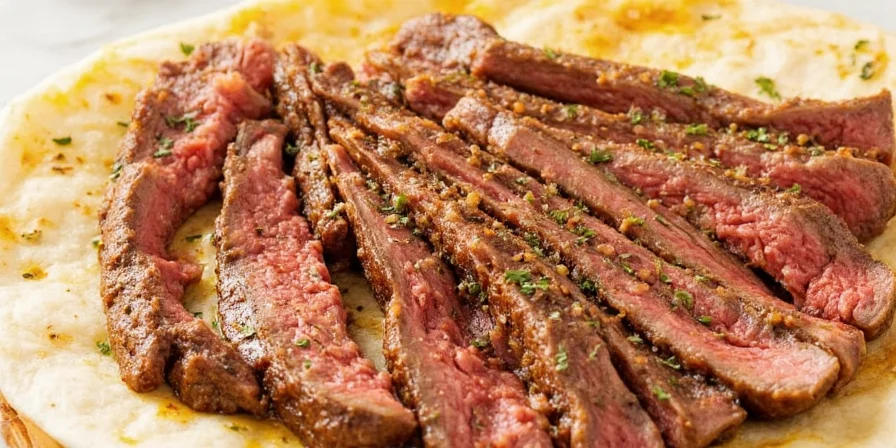
#6: Mexican Oregano + Citrus Peel
Mexican oregano has a bold, peppery bite compared to Mediterranean oregano. Paired with citrus peel, it creates a punchy aroma that lingers.
-
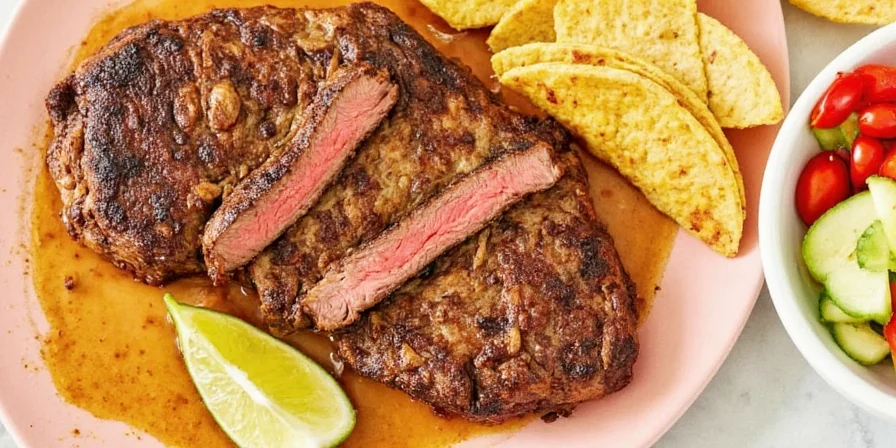
#7: Aleppo Pepper + Honey
From Turkey with love—Aleppo pepper offers gentle heat and fruitiness. A touch of honey balances it out like a perfect dance partner.
-
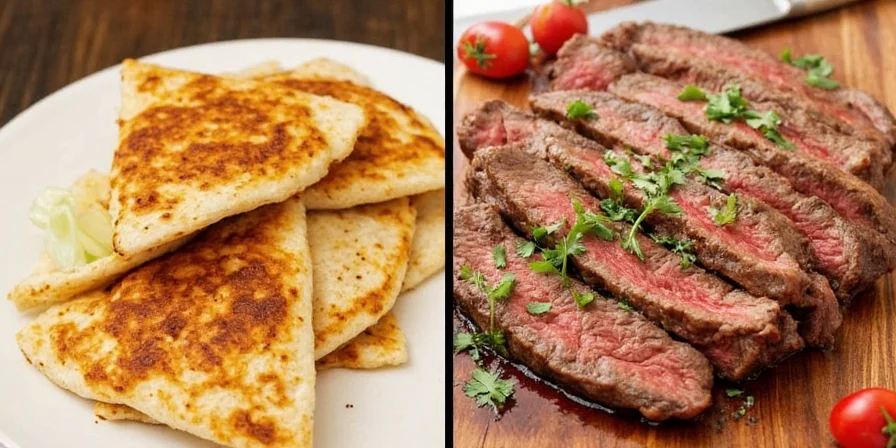
#8: Turmeric + Lemon Zest
Turmeric isn’t just for curries—it adds color and a subtle earthiness. Lemon zest keeps things fresh and lively.
-
#9: Fennel Seeds + Crushed Red Pepper
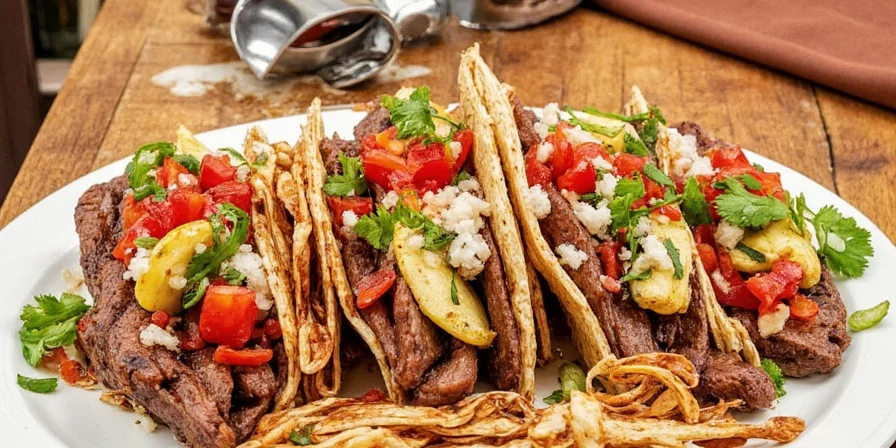
Fennel seeds offer licorice-like sweetness that contrasts beautifully with the fiery kick of crushed red pepper. It’s like a spicy Italian serenade.
-
#10: Za’atar + Sumac
Middle Eastern magic comes to Latin American cuisine in this surprising fusion. Za’atar’s herbal tang meets sumac’s citrusy zing. Unexpected? Yes. Delicious? Absolutely.
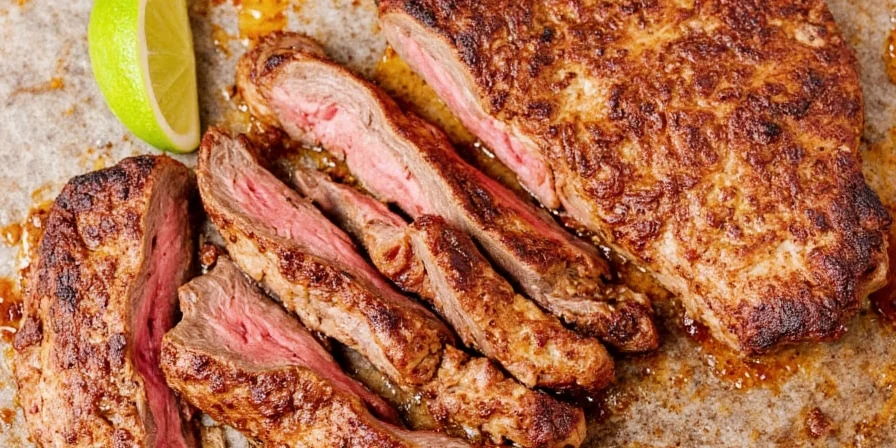
Pro Tips: Making the Most Out of Every Pinch and Pour
You’ve got the list. Now let’s get smart about using these spice combos effectively.
- Time = Flavor: Don’t rush the process. For best results, marinate your steak for at least 2 hours. Overnight? Even better.
- Don’t Overdo Salt: Remember, salt can act as both flavor enhancer and desiccant. Use it wisely—especially if your spice mix already includes salty components.
- Oil Choice Matters: Olive oil is classic, but avocado oil has a higher smoke point and neutral flavor. Coconut oil? Sure, if you’re feeling tropical.
- Use Fresh Ingredients: If using citrus zest or garlic, always go for fresh. Dried versions lack the punch needed for deep flavor penetration.
- Seal the Deal: Use ziplock bags or vacuum-sealed containers to ensure maximum contact between marinade and meat.
- Dry Before Cooking: Pat the steak dry before grilling. Excess marinade can cause steaming instead of searing—and no one wants a sad, gray crust.
Pro Tip: Try adding a splash of soy sauce to your marinade for extra umami power. Just don’t overdo it unless you want your steak to moonlight as jerky.
Visual Breakdown: Spice Profiles at a Glance
Need a quick reference guide to spice combos and what they bring to the table? We’ve got you covered.
| Spice Combo | Main Flavor Profile | Best For | Flavor Level |
|---|---|---|---|
| Smoky Paprika + Lime Zest | Earthy + Bright | Classic BBQ lovers | Medium |
| Cumin + Orange Zest | Earthy + Citrusy | Sun-drenched tacos | Medium-High |
| Coriander + Garlic Powder | Floral + Savory | Layered flavor seekers | Low-Medium |
| Chipotle in Adobo + Brown Sugar | Smoky + Sweet | Heat lovers | High |
| Ancho Chili + Coffee Grounds | Smoky + Bitter | Experimental foodies | High |
| Mexican Oregano + Citrus Peel | Pungent + Tangy | Herbal fiesta | Medium |
| Aleppo Pepper + Honey | Spicy + Sweet | Balanced palates | Medium |
| Turmeric + Lemon Zest | Earthy + Zesty | Colorful cravings | Low |
| Fennel Seeds + Crushed Red Pepper | Sweet + Spicy | Italian-Mexican fusion | Medium-High |
| Za’atar + Sumac | Herby + Tangy | Global flavor explorers | Medium |
Final Thoughts: Let’s Marinate on This Together
Your steak quesadilla marinade doesn’t have to be boring. With the right blend of spices and a little bit of science, you can transform ordinary meat into extraordinary meals. Each spice pairing we’ve explored here opens the door to a new world of flavor, whether you prefer bold heat, tangy zest, or something totally unique.
So next time you reach for the salt and pepper grinder, think bigger. Go wild. Embrace the chaos of global cuisine. Because when it comes to steak, why settle for average when you can have amazing?
Remember: The best marinade is the one you love. Play around, mix and match, and don’t be afraid to invent your own signature blend. Happy cooking!




 浙公网安备
33010002000092号
浙公网安备
33010002000092号 浙B2-20120091-4