
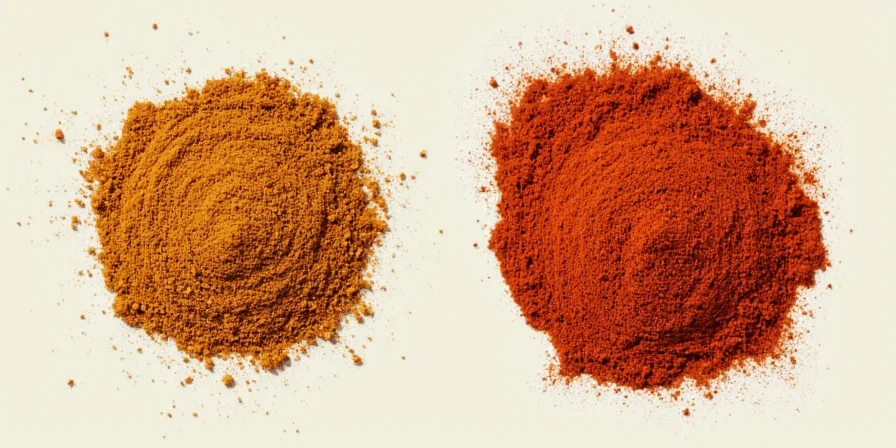
Hot Chicken Gone Wild: Creative Spice Combos You Never Knew You Needed
Hot chicken has been a Southern staple for decades, but who says it can’t get a modern flavor facelift? If your taste buds are begging for something bolder than the usual cayenne-and-paprika combo, you’ve come to the right place.
Why Spice It Up?
Let’s be real — hot chicken is great as is. But isn’t variety the spice of life (pun absolutely intended)? Exploring new spice pairings not only excites your palate, it can also unlock unexpected flavor layers and elevate your cooking game. Whether you're grilling for a backyard barbecue or meal-prepping for the week, these combos will make your chicken sizzle with personality.
What Makes a Good Spice Pairing?
- Balanced heat: Not too fiery, not too shy — just right.
- Flavor contrast: Sweet meets smoky, earthy dances with citrusy — opposites attract!
- Aroma synergy: The smell should make your kitchen feel like a five-star street food stall.
- Texture play: Some spices add crunch, others melt into the meat — mix it up!
The Top 10 Innovative Spice Pairings for Hot Chicken
| Spice Combo | Heat Level | Flavor Profile | Pro Tip |
|---|---|---|---|
| Cajun Dust + Lemon Zest | Moderate | Earthy, tangy, slightly spicy | Add zest at the end to keep brightness |
| Smoked Paprika + Brown Sugar | Low-Moderate | Sweet & smoky — like BBQ in a bite | Rub into skin for crispy caramelization |
| Ghost Pepper Powder + Dark Cocoa | Extremely High | Chocolate-heat fusion that's weirdly addictive | Use gloves when handling ghost pepper |
| Turmeric + Lime Chili Salt | Low | Zesty, vibrant, anti-inflammatory bonus | Pair with pickled veggies for extra zing |
| Urfa Biber + Maple Syrup Glaze | Moderate | Smoky-sweet magic with a hint of raisin-like depth | Brush glaze on last 5 minutes of cooking |
| Harissa + Mint Crumble | Medium-High | North African vibes with a cooling finish | Toast mint leaves first for richer aroma |
| Szechuan Peppercorn + Garlic Parmesan | High | Numb-spicy meets umami richness | Grate Parmesan fresh for better adhesion |
| Fennel Pollen + Ghost Pepper Oil | Very High | Wild anise sweetness clashing with nuclear heat | Dab sparingly — a little goes a long way |
| Gochujang Paste + Toasted Sesame | Moderate | Korean-inspired umami bomb with nutty crunch | Thin out paste with honey or oil for even coating |
| Everything Bagel Seasoning + Sriracha Mayo | Low-Medium | Breakfast meets heat — savory with a creamy kick | Perfect for sandwich lovers and brunchers |
How to Apply These Spices Like a Pro
- Start with dry rubs: Pat your chicken dry before applying the spice blend — moisture is the enemy of crust!
- Build layers: Use a binder like mustard, mayo, or oil to help spices stick and deepen flavor.
- Rest before roasting: Let the chicken sit for 30–60 minutes so flavors can penetrate deeply.
- Finish with flare: Add fresh herbs or citrus zest after cooking to brighten things up.
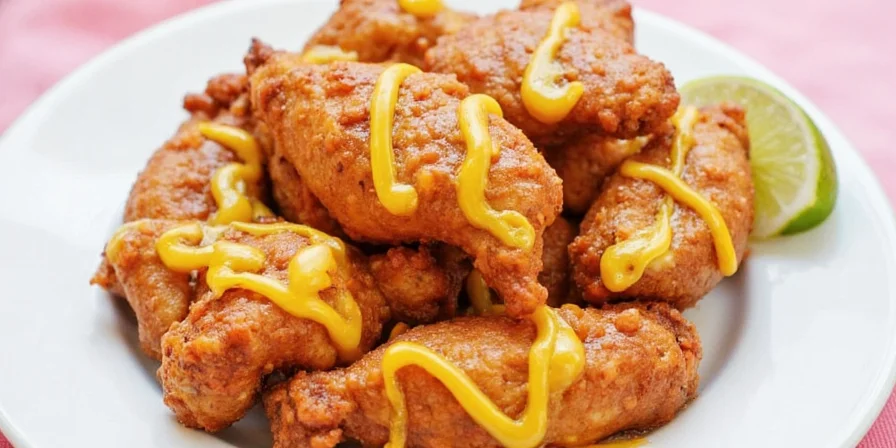
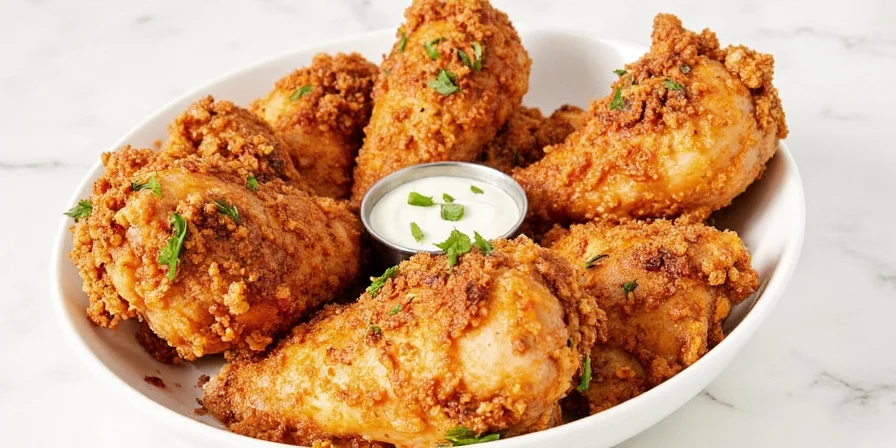
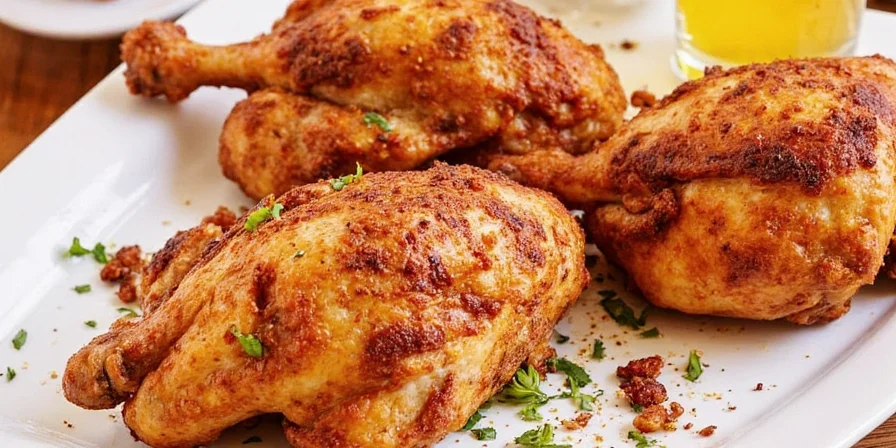
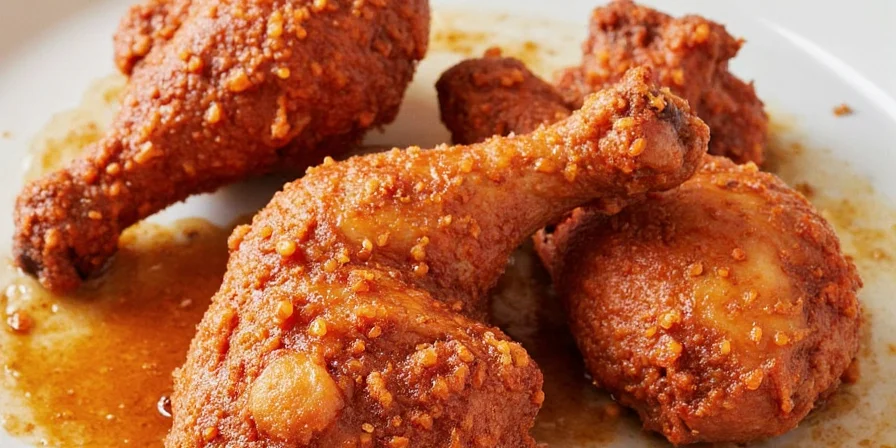
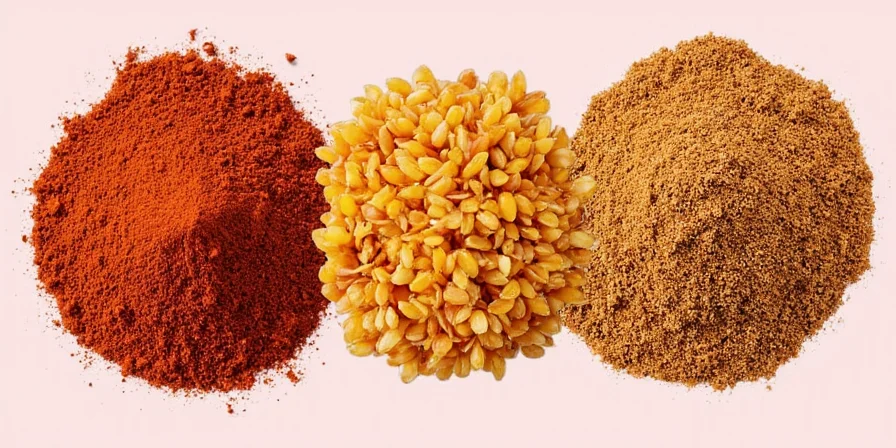
Pictures Worth a Thousand Bites
Spice It Smart: Know Your Heat Scale
If you’re not sure where your spice combo lands on the heat-o-meter, here’s a quick cheat sheet:
- Low (Mild): Black pepper, coriander, turmeric
- Medium: Cayenne, chipotle, Aleppo pepper
- High: Habanero, ghost pepper, Trinidad Scorpion
- Insane: Carolina Reaper, pure capsaicin crystals (not recommended without caution)
Tips for Customizing Your Own Spice Blends
You don’t have to stick strictly to our list! Try mixing and matching based on what you already love:
- Go global: Explore international cuisines — za’atar from the Middle East, yuzu kosho from Japan, or adobo from Mexico.
- Play with textures: Ground vs. cracked vs. flaked — texture changes everything.
- Don’t forget acid: Citrus zest or vinegar powder adds brightness and balance.
- Test small batches: Make a half-portion before committing to a full batch.
Common Mistakes to Avoid
Even seasoned cooks can slip up. Here are common spice blunders and how to avoid them:
- Overloading salt: Too much salt masks other flavors. Start light and adjust as needed.
- Mixing incompatible spices: Some combinations just don’t jive — trust your nose.
- Using stale spices: Old spices = bland food. Fresh is best, especially for volatile aromatics.
- Not tasting as you go: Taste between steps to ensure harmony of flavor.
Wrap-Up: Spice It Up, Any Way You Want
Whether you’re a die-hard hot chicken fan or a curious home cook ready to level up, these innovative spice pairings offer a playground of flavor possibilities. From sweet-smoky combos to wild cross-cultural mashups, there’s no reason to settle for basic anymore.
So next time you reach for that bottle of cayenne, think outside the shaker. A little creativity goes a long way — and your taste buds will thank you.




 浙公网安备
33010002000092号
浙公网安备
33010002000092号 浙B2-20120091-4