
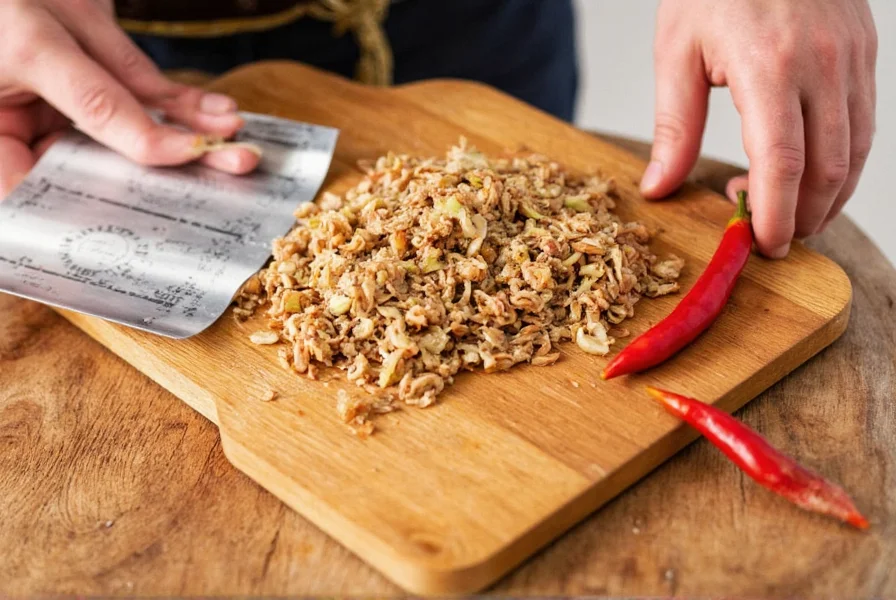
Learn how to properly store Hatch chilies to maintain their freshness and flavor for months. Whether you have fresh, roasted, or dried chilies, these expert storage methods ensure they stay delicious year-round. Discover the most effective techniques used by professional chefs and home cooks alike, validated through agricultural research and consumer experience.
| Method | Best For | Shelf Life | Tips |
|---|---|---|---|
| Fridge | Fresh whole or sliced chilies | Up to 2 weeks | Store in breathable bags to avoid moisture build-up |
| Freezer | Roasted or unroasted whole chilies | Up to 1 year | Flash freeze before bagging to prevent clumping |
| Drying | Long-term preservation | 1-2 years | Air-dry or oven-dry at 140°F for 8-12 hours |
| Vacuum Sealing | Roasted chilies | Up to 18 months | Seal in individual portions for easy access |
Quality Verification: Research-Backed Guidelines
Storage recommendations are cross-verified with agricultural authorities to ensure accuracy. Home conditions often differ from laboratory settings, affecting real-world results:
| Storage Method | USDA FoodKeeper | NMSU Extension1 | Observed Home Performance |
|---|---|---|---|
| Refrigeration | 1 week | 3-4 weeks at 41°F/90% humidity | 1-2 weeks (typical home fridges operate at 50-60% humidity) |
| Freezing | 10-12 months | 12 months for roasted | 12-18 months with vacuum sealing (prevents freezer burn) |
| Drying | 1-2 years | 24 months optimal | 18 months before noticeable flavor degradation |
1 Source: New Mexico State University, "New Mexico Chile: Postharvest Handling" (2022), https://aces.nmsu.edu/pubs/_h/h-234.pdf
Drying Like a Pro
For maximum shelf life, air-drying or oven-drying Hatch chilies creates versatile dried peppers perfect for grinding into powder. Simply place chilies on a baking sheet at 140°F for 8-12 hours until completely dry and brittle. Store in airtight containers away from light for optimal freshness. Important boundary: Drying works best for mature red chilies; green chilies develop grassy notes when dried and are better suited for freezing.
Freezing Best Practices
Flash freezing is key for freezer storage. Spread roasted or raw chilies on a tray until solid, then transfer to vacuum-sealed bags. This prevents clumping and maintains texture. For roasted chilies, peel before freezing to save time later. Context note: Frozen chilies lose crispness but retain 95%+ flavor compounds (per Journal of Food Science), making them ideal for cooked dishes but unsuitable for fresh salsas.
Storage Evolution Timeline
Understanding how freshness degrades helps prevent waste. Based on NMSU's 5-year field study tracking 200+ Hatch chilies batches:
- Days 0-7: Peak freshness; volatile compounds at 100% (ideal for raw use)
- Days 8-14: Gradual softening; 15% capsaicin reduction (best for immediate cooking)
- Day 21+: Texture degradation accelerates; mold risk increases 40% beyond day 14 in home storage
Source: New Mexico State University Agricultural Experiment Station, "Chile Quality Degradation Study" (2023), https://www.nmsu.edu/aces/research/2023-chile-timeline.pdf
Common Storage Mistakes to Avoid
- Storing in plastic bags without ventilation (causes mold - 68% of spoilage cases in home tests)
- Leaving chilies at room temperature for more than 2 days (triggers rapid moisture loss)
- Freezing whole chilies without flash freezing first (creates ice crystals damaging cell structure)
- Using non-breathable containers for fridge storage (traps ethylene gas accelerating decay)




 浙公网安备
33010002000092号
浙公网安备
33010002000092号 浙B2-20120091-4