
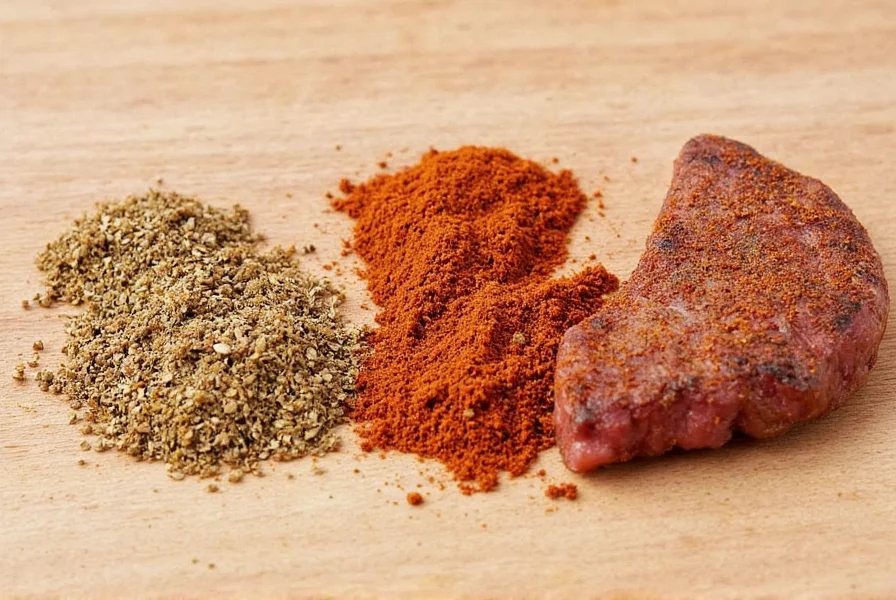
Looking for Montreal steak seasoning substitutes? Whether you're out of stock or want to experiment, these 7 top alternatives will keep your meals flavorful. Here's a quick overview:
- DIY Homemade Blend: Closest match, customizable to your taste
- Cajun Seasoning: Spicy, smoky alternative for grilled meats
- Garlic Pepper Blend: Simple, bold flavor for quick searing
- Fajita Seasoning: Earthy, mild option for Tex-Mex dishes
- Italian Seasoning + Black Pepper: Herbaceous twist for rustic roasts
- Adobo Seasoning: Tangy, savory choice for Latin-inspired meals
- Jerk Seasoning: Fiery, island-inspired for bold grilling
What Exactly Is Montreal Steak Seasoning?
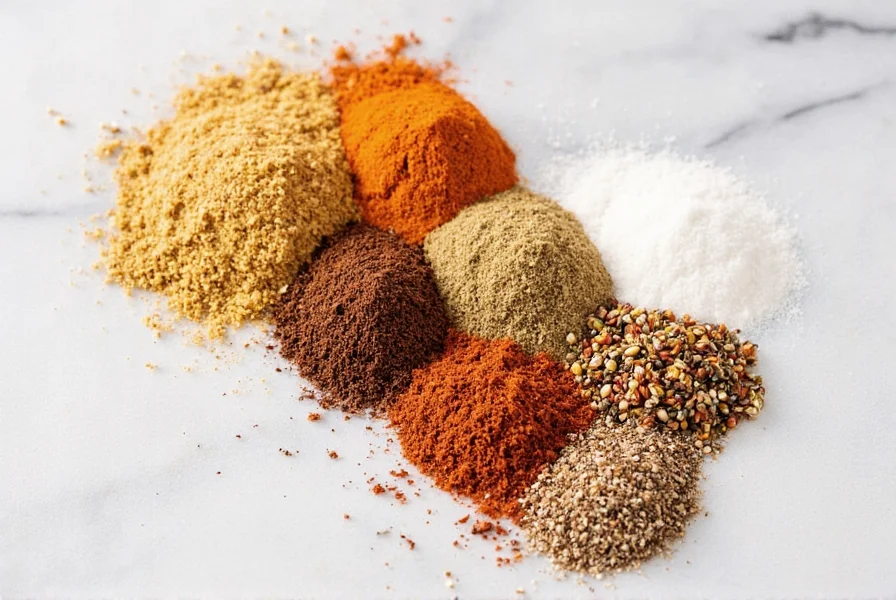
Much like a well-aged steak, Montreal steak seasoning has layers of flavor complexity. Originally inspired by Jewish delis in Montreal and later popularized by the brand McCormick, this seasoning is typically a coarse blend featuring:
- Black pepper
- Garlic
- Onion
- Coriander
- Paprika
- Mustard seed
- Dill
- Crushed red pepper flakes (for heat)
The result? A punchy, savory-heat blend that clings to grilled meats like a second skin. While it's most famous as a steak rub, it also works wonders on chicken, pork, roasted vegetables, and even popcorn!
Top 7 Substitutes for Montreal Steak Seasoning
1. DIY Homemade Montreal-Style Blend
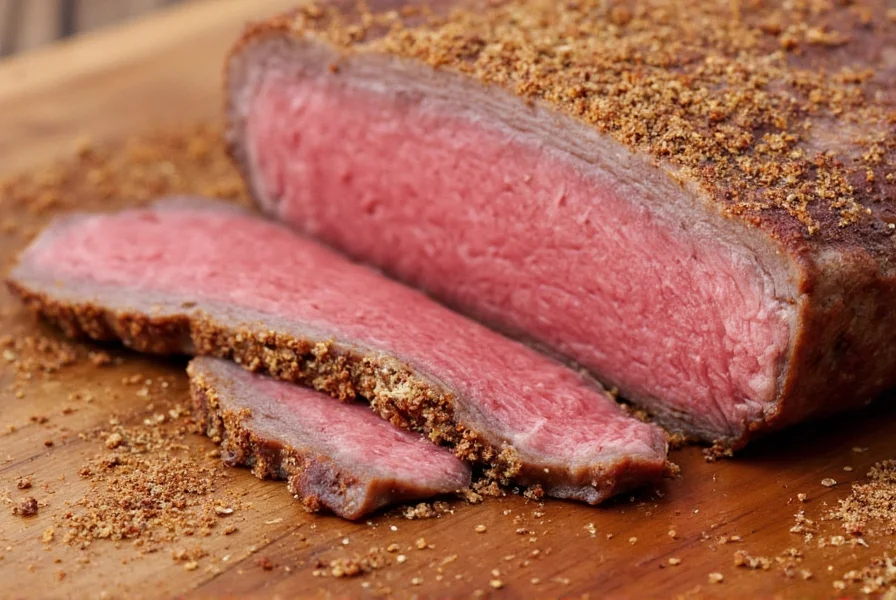
If you've got a few basic spices on hand, you can recreate the magic at home. This is the most faithful substitute and allows for tweaking to suit your taste.
Ingredients:
- 2 tbsp black peppercorns
- 1 tbsp granulated garlic
- 1 tbsp onion powder
- 1 tsp coriander seeds (or ground)
- 1 tsp smoked paprika
- 1 tsp mustard seeds
- 1/2 tsp dill seed
- 1/2 tsp crushed red pepper flakes
Usage Tip:
Toast the whole seeds lightly in a dry skillet before grinding for deeper flavor. Pulse everything in a spice grinder until coarsely blended. Store in an airtight container for up to 6 months.
2. Cajun Seasoning
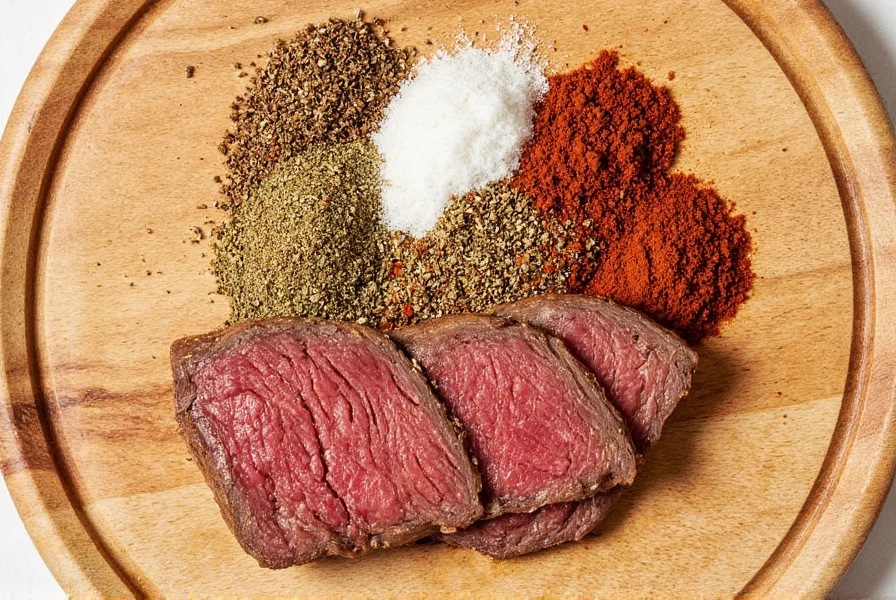
If you love a little kick and smoky depth, Cajun seasoning is a great alternative. It tends to be saltier and hotter than Montreal blend but brings a similar earthiness.
Flavor Profile:
- Heat level: Medium to high
- Main notes: Smoky, spicy, garlic-forward
- Best for: Grilled steak, fried chicken, gumbo
Pro Tip:
Reduce added salt when using Cajun seasoning if you're substituting directly for Montreal steak seasoning, especially if the original recipe already calls for salt.
3. Garlic Pepper Blend
This is your go-to if you want simplicity without sacrificing boldness. Think of it as the no-frills cousin of Montreal seasoning.
Flavor Profile:
- Heat level: Low to medium
- Main notes: Peppery, garlicky, slightly savory
- Best for: Searing steaks, sautéed veggies, pasta dishes
Pro Tip:
Add a pinch of dried mustard or smoked paprika to mimic the complexity of Montreal seasoning.
4. Fajita Seasoning
A surprising but tasty choice! Fajita seasoning leans into chili powders and cumin, offering warmth instead of sharpness.
Flavor Profile:
- Heat level: Mild to moderate
- Main notes: Earthy, slightly sweet, smoky
- Best for: Skillet steaks, tacos, fajitas
Pro Tip:
Pair with lime or avocado to balance out the richness of grilled meats.
5. Italian Seasoning + Black Pepper
Yes, really. Combine a generous handful of Italian seasoning (oregano, basil, rosemary) with freshly cracked black pepper for a rustic, aromatic twist.
Flavor Profile:
- Heat level: Very mild
- Main notes: Herbaceous, peppery, slightly floral
- Best for: Thin-cut steaks, roasts, bread dips
Pro Tip:
Perfect for a weekend herb-crusted sirloin roast or rubbed onto pan-seared scallops.
6. Adobo Seasoning (Sazon Goya Style)
Popular in Latin American cuisine, adobo brings a deep umami base with a hint of tang from vinegar or citrus. Not quite like Montreal seasoning, but incredibly versatile.
Flavor Profile:
- Heat level: Mild
- Main notes: Tangy, savory, slightly citrusy
- Best for: Braised meats, marinades, stews
Pro Tip:
Look for versions without MSG or artificial colors for a cleaner flavor profile.
7. Jerk Seasoning
For those who like their steak with island vibes and fiery flair, jerk seasoning is a bold alternative. It's heavier on allspice and scotch bonnet, which changes the flavor dynamic—but adds serious street cred.
Flavor Profile:
- Heat level: High
- Main notes: Spicy, sweet, woody
- Best for: Charred steaks, outdoor grilling, Caribbean fusion dishes
Pro Tip:
Use sparingly unless you're used to high heat. Pair with tropical fruit salsa for a cooling contrast.
| Substitute | Heat Level | Key Flavors | Best For |
|---|---|---|---|
| DIY Homemade Montreal Blend | Moderate | Pepper, garlic, coriander, paprika, mustard | Classic steak preparation, custom blends |
| Cajun Seasoning | Medium-High | Smoked paprika, garlic, onion, peppers | Gumbo, grilled meats, Southern comfort food |
| Garlic Pepper Blend | Low-Medium | Garlic, black pepper | Sear-heavy dishes, simple flavor boosters |
| Fajita Seasoning | Mild-Moderate | Chili powder, cumin, garlic | Tacos, stir-fries, Tex-Mex dishes |
| Italian Seasoning + Pepper | Mild | Oregano, basil, thyme, black pepper | Rustic roasts, Mediterranean-inspired meals |
| Adobo Seasoning | Mild | Vinegar, garlic, oregano | Latin dishes, stews, marinades |
| Jerk Seasoning | High | Allspice, scotch bonnet, cinnamon | Caribbean-style grilling, spicy marinades |
Spice Storage & Usage Hacks to Keep Your Blends Fresh
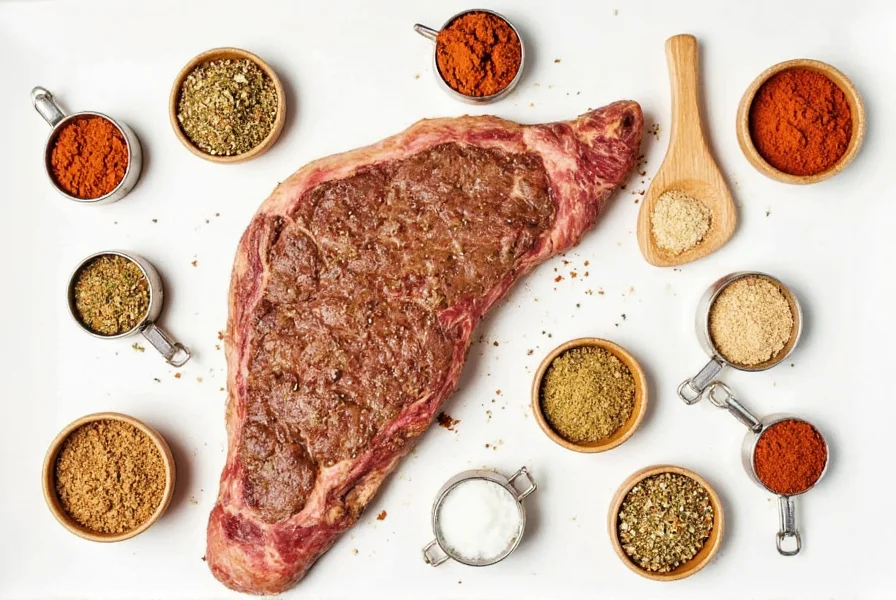
1. Use Airtight Containers
Moisture and air are enemies of dried spices. Transfer store-bought seasonings into glass jars with tight-fitting lids. Mason jars work perfectly for homemade blends.
2. Keep Away from Heat Sources
Storing spices near the oven or stove causes them to lose potency faster. Choose a cool, dark cupboard or drawer instead.
3. Label and Date Every Jar
You don't want to guess what that dusty bottle marked 'Blend #3' actually is. Add labels with names and dates so you know exactly what's inside and how fresh it is.
4. Avoid Direct Sunlight
Light exposure breaks down volatile oils in spices, diminishing flavor over time. Tinted glass jars or opaque containers help protect sensitive blends.
5. Refresh Your Blends Yearly
Ground spices usually last about 2–3 years, while whole seeds and herbs last longer. If your spices look faded or smell weak, it's time for a refresh.
Buying Guide: Choosing the Right Spice Blend
When shopping for pre-made substitutes or building your own spice collection, it helps to know what makes a quality product. Here's what to look for when buying substitutes for Montreal steak seasoning.
Product Spotlight: Top Picks for Pre-Made Substitutes
1. Tony Chachere's Original Creole Seasoning
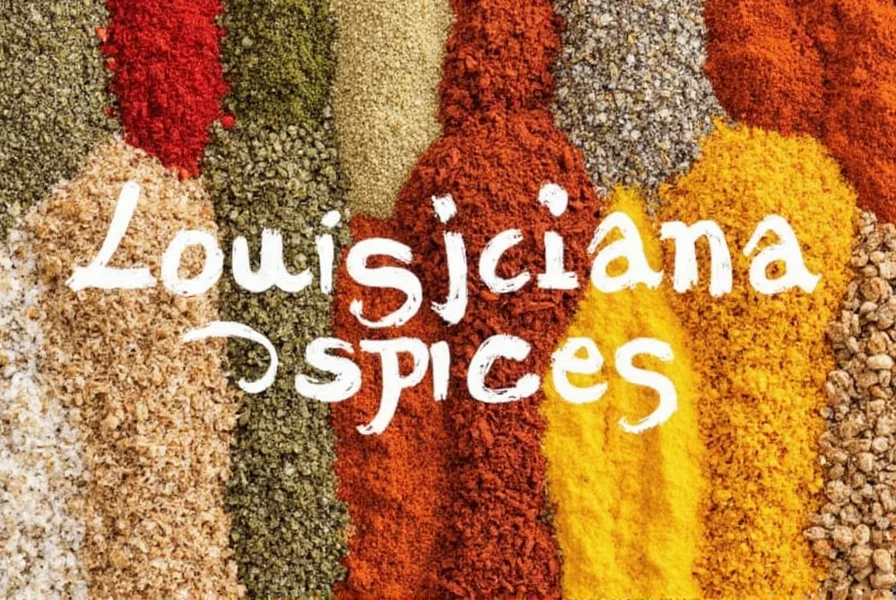
- Features: Balanced blend of salt, spices, and heat
- Advantages: Affordable, widely available, shelf-stable
- Use Case: Perfect for grilling, roasting, and Cajun recipes
- Target Audience: Home cooks and grilling enthusiasts
- Suitable Occasions: Everyday cooking, backyard BBQs
2. Badia All-Purpose Seasoning
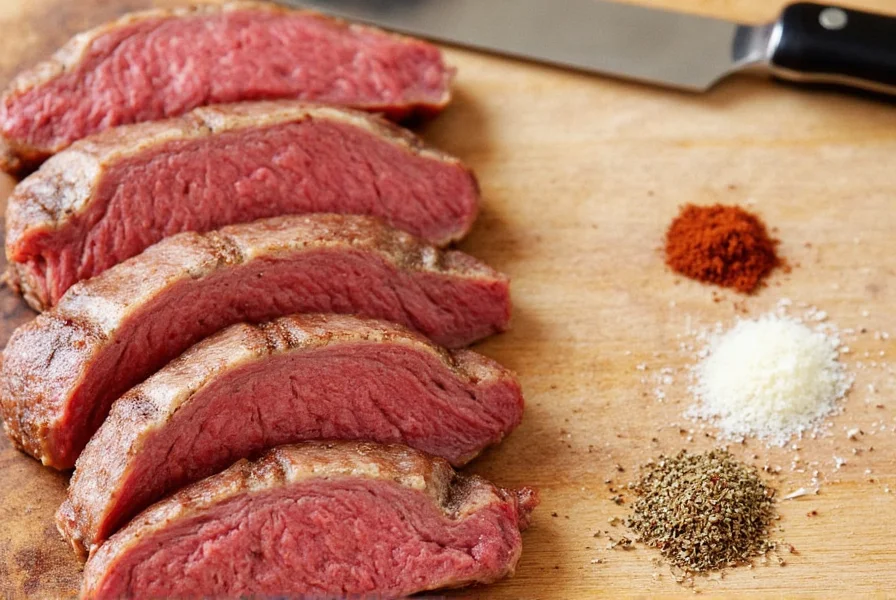
- Features: Simple, clean ingredients list
- Advantages: Versatile, gluten-free, no MSG
- Use Case: Great for seasoning meats, soups, rice dishes
- Target Audience: Health-conscious users and Latin cuisine lovers
- Suitable Occasions: Weeknight dinners, quick prep meals
3. Simply Organic Fire Roasted Garlic Pepper Blend
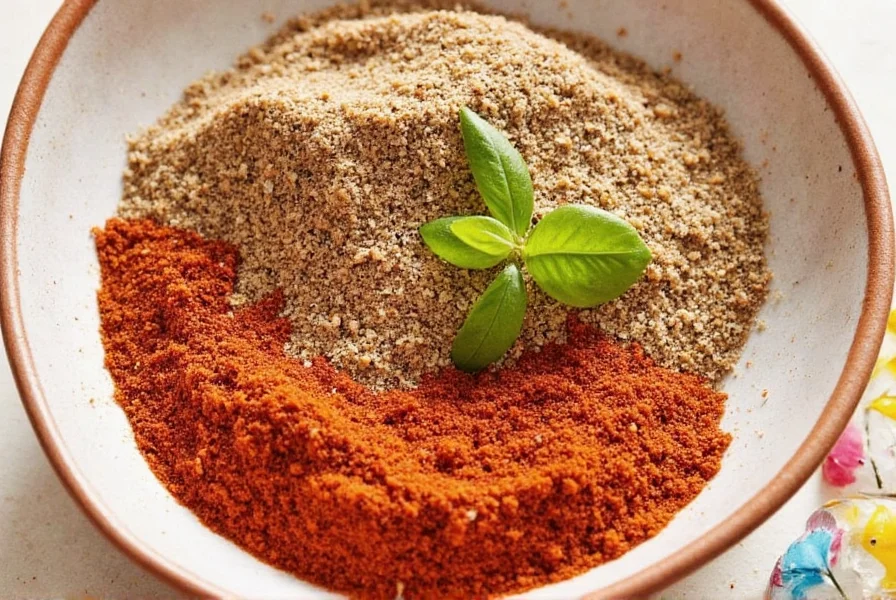
- Features: Organic, non-GMO certified
- Advantages: Rich, complex flavor, eco-friendly packaging
- Use Case: Ideal for searing steaks, roasting veggies
- Target Audience: Organic foodies, gourmet chefs
- Suitable Occasions: Special occasion meals, gourmet grilling
4. Williams Sonoma Montreal Steak Seasoning
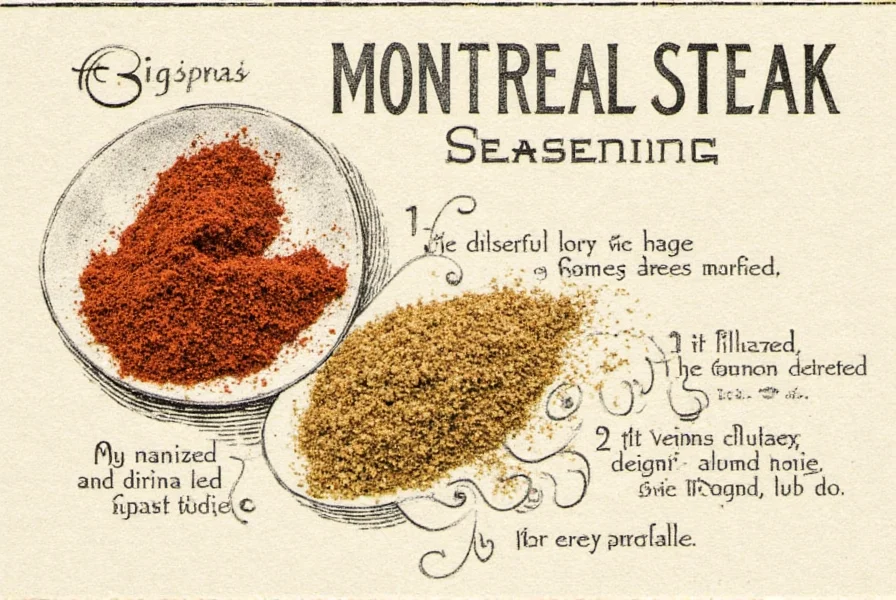
- Features: Premium, artisanal blend
- Advantages: Bold, balanced flavor, elegant packaging
- Use Case: Perfect for gifting or special dinners
- Target Audience: Cooking enthusiasts and gift-givers
- Suitable Occasions: Dinner parties, steakhouse nights at home
Frequently Asked Questions About Montreal Steak Seasoning Substitutes
What is the closest substitute for Montreal Steak Seasoning?
The closest substitute is a homemade blend that includes black pepper, garlic, onion, coriander, paprika, mustard seed, and red pepper flakes. Among pre-made options, Cajun seasoning offers a similar flavor profile with its garlic-forward, spicy notes, though it tends to be saltier and sometimes hotter than Montreal blend.
Can I make Montreal Steak Seasoning at home?
Yes! You can make it with common pantry spices: combine 2 tbsp black peppercorns, 1 tbsp granulated garlic, 1 tbsp onion powder, 1 tsp coriander seeds, 1 tsp smoked paprika, 1 tsp mustard seeds, 1/2 tsp dill seed, and 1/2 tsp crushed red pepper flakes. Toast the whole seeds lightly before grinding for deeper flavor.
Is Montreal Steak Seasoning the same as regular steak seasoning?
No, they're different. Montreal Steak Seasoning has a distinctive blend with prominent garlic, coriander, and mustard seed notes alongside black pepper. Regular steak seasonings often focus primarily on salt and pepper with fewer aromatic spices. Montreal blend is typically coarser and more complex in flavor.
What's the difference between Montreal and Chicago steak seasoning?
Montreal Steak Seasoning is garlic-forward with coriander and mustard seed notes, while Chicago Steak Seasoning typically has more salt and focuses on black and red pepper with less garlic. Montreal blend is generally spicier and more aromatic, while Chicago style is saltier with a more straightforward pepper flavor.
Can I use blackening seasoning instead of Montreal Steak Seasoning?
Yes, but with adjustments. Blackening seasoning is spicier and typically contains cayenne, thyme, and oregano. It works well for grilled meats but has a different flavor profile. Use about half the amount of blackening seasoning compared to what the recipe calls for Montreal seasoning, and consider adding extra garlic powder to bridge the flavor gap.
How long does homemade Montreal Steak Seasoning substitute last?
When stored properly in an airtight container away from heat and light, homemade substitutes can last 6-12 months. Whole spices (like peppercorns and mustard seeds) retain freshness longer than ground spices. For best flavor, use within 6 months, though it will remain safe indefinitely if kept dry.
Is Montreal Steak Seasoning very spicy?
Montreal Steak Seasoning has moderate heat from black pepper and red pepper flakes, but it's not considered extremely spicy. The heat level is balanced by garlic, onion, and coriander. If you're sensitive to spice, you can reduce the red pepper flakes in homemade versions. Most commercial blends are designed to be flavorful rather than overwhelmingly hot.
Final Thoughts: Flavor Without Limits
While Montreal steak seasoning is a staple in many kitchens, running out doesn't have to mean settling for bland. With a few clever substitutes and the right knowledge, you can keep your meals flavorful and fun. Whether you're blending your own at home or choosing a trusted pre-made mix, the world of spices is full of options waiting to be explored.
So next time you fire up the grill or sear that beautiful cut of meat, remember: the secret isn't always in having the exact ingredient—it's in knowing how to make do with what you've got, and maybe even discovering something better along the way.
Stay curious, stay seasoned, and happy cooking!




 浙公网安备
33010002000092号
浙公网安备
33010002000092号 浙B2-20120091-4