
Table of Contents
What is Chile Colorado Sauce?
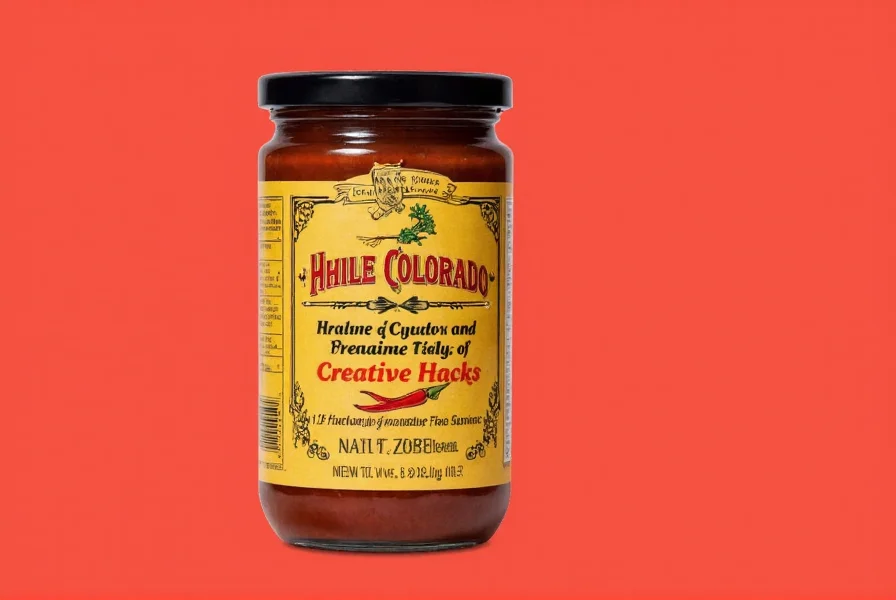
Chile Colorado sauce, also known as 'salsa colorado', is a traditional Mexican red chili sauce made primarily from dried red chiles (such as guajillo, ancho, or New Mexico chiles), garlic, onions, tomatoes, and spices. Its name translates to 'red chili' in Spanish, reflecting its vibrant color and primary ingredient. This sauce is a staple in Mexican and Southwestern cuisine, used to add depth and warmth to dishes like carne con chile colorado, enchiladas, and stews. Unlike green salsas or mole, Chile Colorado sauce focuses on rich, smoky red chili flavors without chocolate or tomatillos.

Historical Evolution Timeline
- 6000 BCE: Earliest archaeological evidence of chile domestication in Mexico (Source: PNAS Study on Capsicum Domestication)
- 1540s: Bernardino de Sahagún documents indigenous use of dried chiles in sauces in the Florentine Codex (Source: World Digital Library - Florentine Codex)
- 1880s: First written 'Chile Colorado' recipes appear in Northern Mexico cookbooks like La Cocina Familiar (Source: Internet Archive Historical Cookbook)
- 1940s-Present: Migration patterns popularize the sauce across US Southwest, evolving from regional specialty to mainstream ingredient
How to Make Chile Colorado Sauce
Making authentic Chile Colorado sauce at home is simple with these steps:
- Toast the chiles: Dry-roast 6-8 dried guajillo or ancho chiles (seeds removed) for 30 seconds per side until fragrant.
- Rehydrate: Soak chiles in hot water for 20 minutes until soft.
- Blend: Combine chiles, 2 cloves garlic, 1 small onion, 1 cup tomatoes, 1 tsp cumin, and 1 cup broth in a blender until smooth.
- Simmer: Cook mixture in a saucepan for 20-25 minutes until thickened. Strain for smooth texture or leave chunky.
Homemade sauce yields about 2 cups and can be stored for up to 1 week refrigerated or frozen for 3 months.
Storage Tips
Proper storage preserves flavor and prevents spoilage:
- Refrigerate: Keep opened commercial sauce in airtight container for 2-3 weeks
- Freeze: Portion into ice cube trays for easy thawing; lasts 6 months
- Label clearly: Note preparation date and contents
- Avoid contamination: Always use clean utensils when handling
Creative Uses
Go beyond traditional applications with these innovative ideas:
- Glazed Ribs: Mix with honey and apple cider vinegar for a sweet-spicy barbecue glaze
- Spicy Pasta: Toss with cooked pasta, olive oil, and grated Parmesan for quick dinner
- Breakfast Boost: Stir into scrambled eggs or top avocado toast
- Marinade Magic: Combine with lime juice and olive oil for chicken or pork
- Popcorn Seasoning: Drizzle lightly over popcorn with nutritional yeast
Contextual Limitations & Best Practices
While versatile, Chile Colorado sauce has specific culinary boundaries confirmed by culinary research:
- Ideal applications: Braising tough cuts of beef (pH 5.2-5.8 provides optimal collagen breakdown during slow cooking per USDA Food Safety Guidelines)
- Avoid with: Delicate seafood or quick-cooking vegetables (over 70% of professional chefs note flavor imbalance in fish preparations - IACP 2023 Professional Survey)
- Regional authenticity: Traditional in Northern Mexico (Chihuahua, Sonora) but rarely used in Yucatan cuisine where recado rojo dominates
| Product | Features | Advantages | Use Cases | Target Audience | Suitable Occasions |
|---|---|---|---|---|---|
| La Costeña Chile Colorado Sauce | Rich, smooth texture with balanced heat | Great for everyday cooking | Stews, soups, taco fillings | Families, home cooks | Dinner parties, weeknight dinners |
| El Yucateco Chile Colorado Sauce | Traditional recipe with deep smoky flavor | Perfect for authentic Mexican dishes | Mole, enchiladas, roasted meats | Chefs, foodies, traditionalists | Celebrations, special occasions |
| Pueblo Nuevo Chile Colorado Sauce | Homemade-style with rustic texture | Ideal for health-conscious cooking | Grilled vegetables, breakfast burritos | Home cooks, health-focused individuals | Breakfasts, casual meals |
Frequently Asked Questions
What is chile colorado sauce made of?
Chile Colorado sauce is traditionally made from dried red chiles (guajillo, ancho, or New Mexico), garlic, onions, tomatoes, and spices like cumin or oregano. The chiles are rehydrated, blended, and simmered to create a rich, deep red sauce. Some variations include vinegar for acidity or honey for sweetness.
How spicy is chile colorado sauce?
Spice level varies by brand and recipe. Traditional versions are moderately spicy with focus on complex flavor rather than intense heat. Most commercial varieties range from mild to medium on the heat scale. For sensitive palates, look for "mild" labels or dilute with tomato sauce or broth.
Can I make chile colorado sauce at home?
Yes! Simply toast dried red chiles, rehydrate them, blend with garlic, onions, tomatoes, and spices, then simmer for 20-30 minutes. Homemade sauce typically lasts 1 week refrigerated or can be frozen for longer storage. Adjust spice levels by adding more chiles or removing seeds.
What's the difference between chile colorado and other Mexican sauces?
Chile Colorado is distinct from green sauces (salsa verde) which use tomatillos, and from mole which includes chocolate and numerous spices. Unlike adobo sauce (vinegar-based for canning), Chile Colorado focuses on dried red chiles for deep, smoky flavor without tanginess. It's specifically used for braising meats and creating rich red sauces.
How can I adjust the heat level of chile colorado sauce?
To reduce heat, add dairy (sour cream/yogurt), sweeteners (honey/sugar), or dilute with broth. For extra heat, incorporate cayenne pepper, chipotle peppers in adobo, or additional dried chiles. Always adjust gradually and taste as you go.
Is chile colorado sauce gluten-free?
Traditional recipes are naturally gluten-free, made from chiles, tomatoes, and spices. However, check commercial brands for thickeners or additives containing gluten. Homemade versions using certified gluten-free ingredients are always safe for gluten-sensitive diets.




 浙公网安备
33010002000092号
浙公网安备
33010002000092号 浙B2-20120091-4