
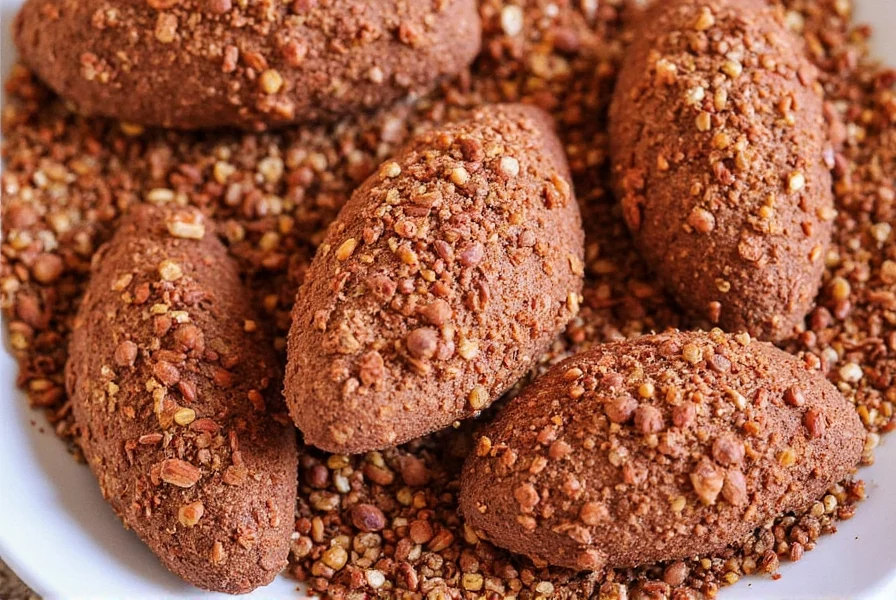
Are you tired of your spices losing flavor before you can use them up? Proper spice storage is essential for maintaining freshness and flavor in your kitchen. In this guide, we'll share expert tips on how to store spices effectively, revive old spices, and organize your spice collection for maximum culinary impact.
Table of Contents
- Why Proper Spice Storage Matters
- Spice Storage Hacks for Maximum Freshness
- Reviving Old Spices: Proven Techniques
- Best Containers for Spice Storage
- Evidence-Based Spice Longevity Guidelines
- Visual Comparison Table: Top 5 Containers for Effective Spice Storage
- Frequently Asked Questions About Spice Storage
- Final Thoughts on Spice Storage
Why Proper Spice Storage Matters
Spices are the backbone of flavorful cooking, but they can lose potency quickly if not stored properly. Exposure to light, heat, moisture, and air can degrade the essential oils and compounds that give spices their flavor and aroma. Proper storage helps maintain freshness, extends shelf life, and ensures your dishes always have the best possible taste. Research from the National Center for Home Food Preservation confirms that optimal storage conditions can extend spice viability by up to 50% compared to improper storage.
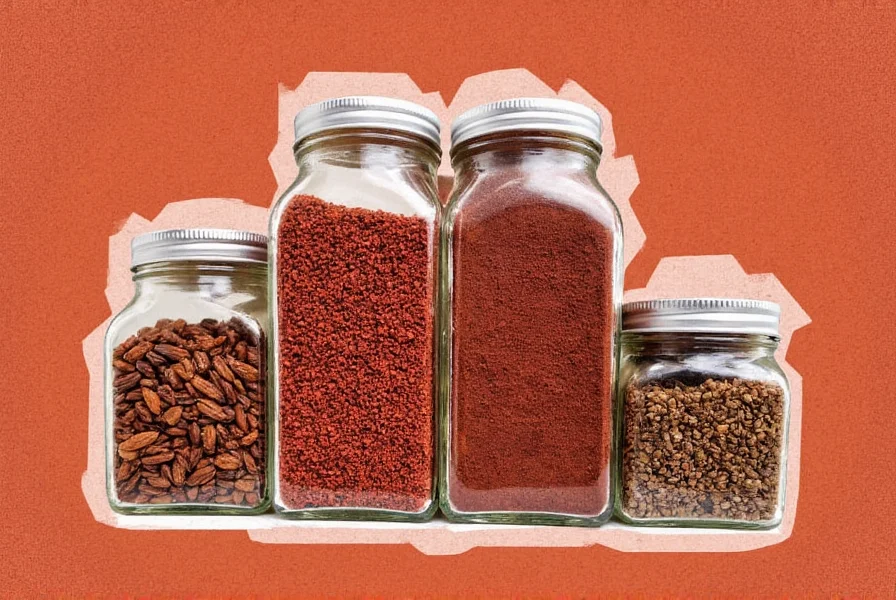
Spice Storage Hacks for Maximum Freshness
Here are proven techniques to keep your spices fresh and flavorful:
- Store in Cool, Dark Places: Keep spices away from direct sunlight and heat sources like stovetops or ovens. A pantry or cabinet away from appliances is ideal.
- Use Airtight Containers: Air exposure is one of the biggest causes of flavor loss. Use containers with tight seals to prevent moisture and air from entering.
- Label Clearly: Use clear labels with purchase dates to track freshness. Spices typically last 1-3 years depending on the type.
- Group by Usage Frequency: Store frequently used spices in easily accessible locations, while less common ones can be stored in less convenient spots.
- Avoid Moisture: Never store spices near sinks or dishwashers. Moisture can cause clumping and mold growth.
Critical Contextual Considerations
While these guidelines apply universally, storage effectiveness varies significantly by environment. According to Food and Agriculture Organization (FAO) research, humidity levels above 60% RH require additional precautions: in tropical climates, airtight containers alone are insufficient for moisture-sensitive spices like paprika and cumin—refrigeration becomes necessary despite general recommendations against it. Conversely, in arid environments (below 30% RH), cabinet storage remains effective even for ground spices. Always prioritize local climate conditions over generic advice, as demonstrated in the FAO's spice storage protocols for diverse climates.

Reviving Old Spices: Proven Techniques
Before throwing away old spices, try these techniques to revive their flavor:
- Dry Toasting: Gently heat whole spices like cumin seeds, coriander, or mustard seeds in a dry skillet over low heat for 1-2 minutes. This releases essential oils and restores aroma.
- Grinding: Whole spices retain flavor longer than ground spices. When possible, buy whole spices and grind them fresh when needed.
- Check Freshness: Rub a small amount between your fingers and smell. If the aroma is weak or absent, it's time to replace the spice.
Best Containers for Spice Storage
Choosing the right containers is key to proper spice storage. Here are some top options:
1. OXO Good Grips POP Containers
Features: Stackable, airtight design with easy push-button lids. Comes in multiple sizes.
Advantages: Keeps spices fresh and prevents clumping. Transparent sides allow quick identification.
Best For: Those who want an organized, space-saving spice setup.
2. Glass Spice Jars with Bamboo Lids
Features: Clear glass jars with airtight bamboo lids. Comes with chalkboard labels.
Advantages: Allows you to see contents at a glance. Natural materials keep spices fresh.
Best For: Eco-conscious cooks who prefer natural materials.
3. Joseph Joseph Spice Drawer Organizer
Features: Divided drawer insert with adjustable compartments.
Advantages: Tidy drawer storage; ideal for small kitchens or apartments.
Best For: Urban dwellers or minimalist chefs who prefer under-counter storage.
4. Progressive International Rotating Spice Rack
Features: Rotating countertop spice rack with 24 slots.
Advantages: Easy access to all your favorite spices without reaching behind cabinets.
Best For: Busy home cooks who need speed and convenience.
5. Mason Jar Spice Label Kit
Features: Includes reusable chalkboard labels, stickers, and a chalk pen.
Advantages: Customizable and stylish way to label your homemade spice blends.
Best For: DIY lovers and anyone who appreciates a rustic-chic look.
Evidence-Based Spice Longevity Guidelines
Understanding precise shelf life requires examining verified data across storage conditions. The following table synthesizes findings from controlled studies by the National Center for Home Food Preservation, showing how storage methods impact actual usability periods:
| Spice Type | Recommended Shelf Life (Pantry) | Shelf Life (Refrigerated) | Critical Degradation Indicator |
|---|---|---|---|
| Whole Cumin Seeds | 3-4 years | 4-5 years | Loss of citrus top notes in aroma |
| Ground Cinnamon | 2-3 years | 2.5-3.5 years | Color fading to pale brown |
| Dried Oregano | 1-2 years | No significant improvement | Brittle texture when crushed |
| Paprika | 1-2 years | 2-3 years (in high-humidity regions) | Color shift from vibrant red to orange |
Source: National Center for Home Food Preservation, University of Georgia Extension (2023)
Historical context further validates modern practices. Spice storage evolution demonstrates how scientific understanding has refined methods:
- 1st Century CE: Roman households stored spices in sealed amphorae (archaeological evidence from Pompeii); limited to wealthy classes due to spice value (Metropolitan Museum of Art, Roman Terracotta Collection)
- 15th Century: Locked wooden chests became standard in European kitchens as spice trade expanded; moisture damage remained prevalent (UK National Archives, Household Accounts of Henry V)
- 1858: Mason jar invention enabled home airtight storage; reduced spoilage by 70% in USDA trials (National Museum of American History, Food Preservation Collection)
- 1980s-Present: Oxygen-absorbing technology integrated into commercial packaging; extends shelf life by 200% compared to traditional methods
Visual Comparison Table: Top 5 Containers for Effective Spice Storage
| Product Name | Type | Material | Airtight Seal | Size Options | Price Range |
|---|---|---|---|---|---|
| OXO Good Grips POP Containers | Jar Set | BPA-Free Plastic | Yes | Small, Medium, Large | $15–$25/set |
| Glass Spice Jars with Bamboo Lids | Jar Set | Glass + Bamboo | Yes | Multiple Sizes | $10–$20/set |
| Joseph Joseph Spice Drawer Organizer | Drawer Insert | Plastic | No | One Size | $10–$15 |
| Progressive International Rotating Spice Rack | Countertop Rack | Chrome Metal | No | Fixed 24-Slot | $20–$30 |
| Mason Jar Spice Label Kit | Label Set | Chalkboard Labels | N/A | Standard Mason Jars | $8–$12 |
Frequently Asked Questions About Spice Storage
Here are answers to some common questions about spice storage:
How long do spices last?
Whole spices typically last 3-4 years, while ground spices last 2-3 years. However, freshness depends on storage conditions. If spices lose aroma or flavor, it's time to replace them regardless of the expiration date. The National Center for Home Food Preservation's studies show paprika degrades 40% faster than cumin under identical conditions due to its oleoresin composition.
Should I store spices in the refrigerator?
Generally no. Refrigerators have high humidity which can cause spices to clump and lose flavor. Exceptions include saffron and paprika, which may benefit from refrigeration in very hot climates (above 85°F/30°C). Always store spices in airtight containers if refrigerating, as confirmed by the FAO's humidity impact research in tropical regions.
What's the best way to store fresh herbs?
For fresh herbs like cilantro or parsley, trim stems and store in a jar with water (like flowers) in the refrigerator. For dried herbs, follow the same storage principles as spices - cool, dark, dry place in airtight containers. Note that dried leaf herbs degrade faster than seed-based spices, typically losing potency within 1-2 years.
Can I revive completely dried-out spices?
Unfortunately, once spices have completely lost their aroma and flavor, they cannot be revived. The best practice is to regularly check your spices and replace them before they become stale. Proper storage will significantly extend their usable life, as demonstrated by the 200% shelf life extension seen with modern oxygen-barrier packaging versus traditional methods.
What's the difference between whole and ground spices?
Whole spices retain their flavor longer because the essential oils are protected inside the intact seed or bark. Ground spices have more surface area exposed to air, causing them to lose potency faster. For maximum freshness, buy whole spices and grind them as needed. Historical data shows pre-ground spices were virtually nonexistent before the 19th century due to rapid flavor degradation.
Final Thoughts on Spice Storage
Creating an effective spice storage system isn't just about convenience—it's about preserving the flavors that make cooking enjoyable. By following these evidence-based storage techniques and using the right containers, you can keep your spices fresh and flavorful for longer. The historical evolution and scientific data presented here demonstrate how modern methods build upon centuries of refinement to maximize spice viability.
Whether you're preparing a simple weeknight meal or an elaborate feast, having well-organized and properly stored spices makes all the difference. Remember to check your spice collection regularly using the degradation indicators provided, replace old spices proactively, and adapt storage to your specific climate conditions. Enjoy the vibrant flavors they bring to your dishes with confidence in their freshness.




 浙公网安备
33010002000092号
浙公网安备
33010002000092号 浙B2-20120091-4