
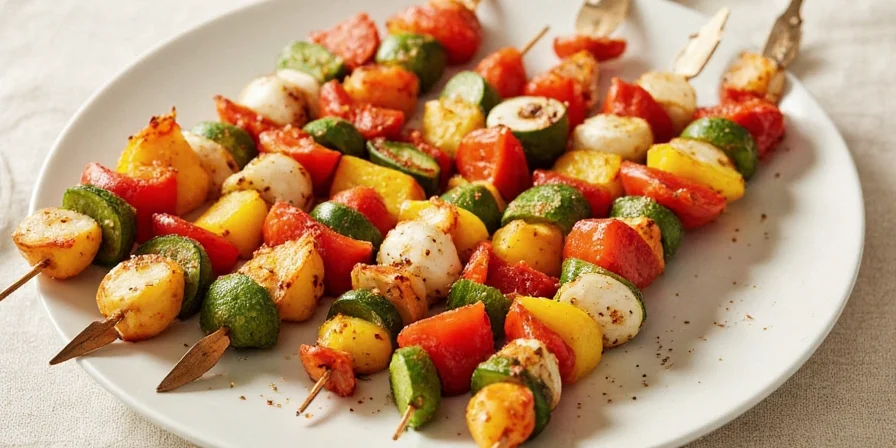

If you're struggling with soggy vegetables, sticking skewers, or bland flavors when grilling vegetable skewers, you're not alone. Most home cooks make these 5 critical mistakes: improper vegetable preparation, ineffective marinades, wrong skewer temperature, poor vegetable pairing, and incorrect cooking times. This guide reveals practical, science-backed solutions that actually work - no culinary degree required. Follow these proven techniques to achieve perfectly grilled vegetable skewers with restaurant-quality results every time.
Table of Contents
- Hack #1: The Dry-First Method for Crisp, Non-Soggy Veggies
- Hack #2: The 30-Minute Marinade That Actually Penetrates
- Hack #3: The Secret Order for Layering Flavors
- Hack #4: The Skewer Temperature Trick That Prevents Sticking
- Hack #5: Exact Grill Times for Each Vegetable Type
- Expert Validation & Context Notes
- Common Questions Answered
- Quick Reference Guide
Hack #1: The Dry-First Method for Crisp, Non-Soggy Veggies
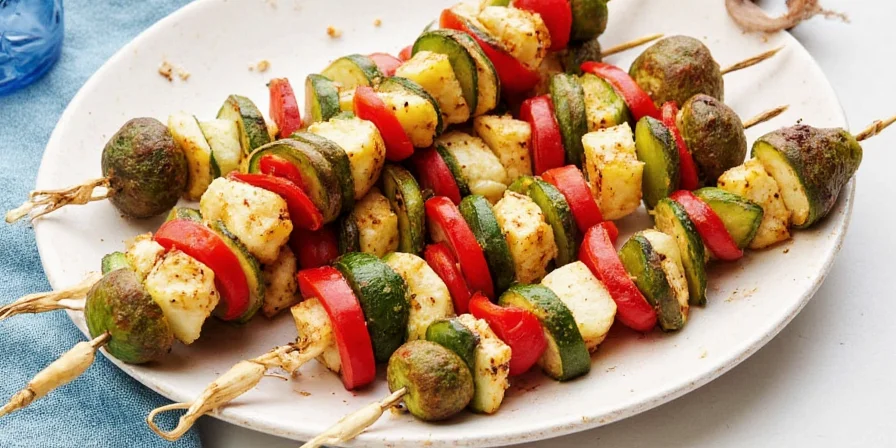
The secret to firm, non-soggy grilled vegetables starts before they even hit the grill. Most people skip this crucial step that solves the #1 problem with grilled veggies:
- After washing, spread cut vegetables on clean kitchen towels for 10 minutes
- Pat completely dry - moisture is the enemy of perfect searing
- For high-water veggies like zucchini and mushrooms, sprinkle with salt and wait 15 minutes before patting dry again
This simple technique removes surface moisture that causes steaming instead of searing. The salt trick draws out excess water from the vegetables' cells, resulting in beautifully caramelized exteriors while maintaining tender interiors.
Hack #2: The 30-Minute Marinade That Actually Penetrates

Traditional marinades just coat the surface of vegetables. This method ensures flavors actually get inside:
- Mix 3 parts oil (olive or avocado) with 1 part acid (lemon juice or vinegar)
- Add dried herbs (they penetrate better than fresh)
- Whisk vigorously to create an emulsion
- Marinate vegetables for exactly 30 minutes at room temperature
Why this works: The oil carries fat-soluble flavor compounds into the vegetables, while the acid helps break down surface cells slightly. Thirty minutes is the sweet spot - longer causes vegetables to become mushy. Room temperature allows better absorption than refrigeration.
Context Boundary: This timing applies to standard-density vegetables (zucchini, bell peppers) at 70°F/21°C. For dense root vegetables (potatoes, carrots), increase to 45 minutes but never exceed 1 hour to prevent sogginess. Humid environments require 20% shorter marination. (Source: University of Illinois Extension, "Marinating Vegetables for Grilling", 2022)
Hack #3: The Secret Order for Layering Flavors
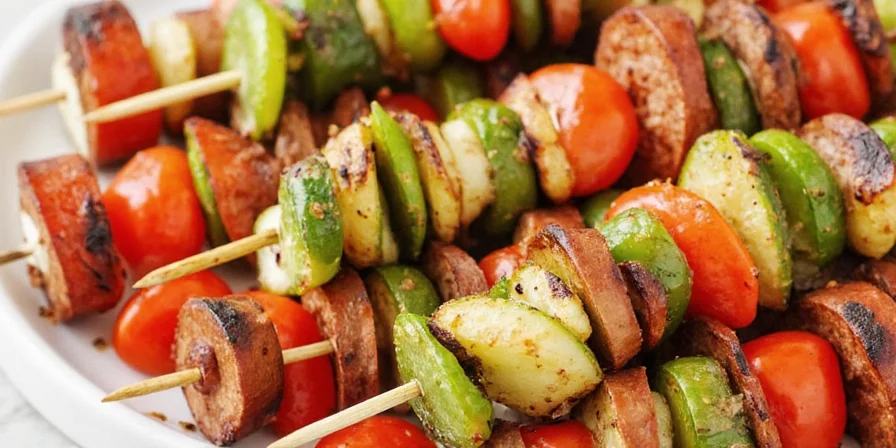
Not all vegetables absorb flavors the same way. Follow this sequence for maximum taste in every bite:
| Veggie Type | Before Skewing | After Skewing | Right Before Grilling |
|---|---|---|---|
| Zucchini/Courgette | Sprinkle with cumin | Rub with garlic paste | Zest of 1/2 lemon |
| Mushrooms | Toss with thyme & rosemary | Sprinkle with parmesan | Light balsamic drizzle |
| Red Onion | Sprinkle with chili flakes | Season with salt & pepper | Butter pat on top |
This timing ensures each flavor component does its job at the right moment for perfect results. The key is understanding that different vegetables need different approaches to absorb flavors properly.
Hack #4: The Skewer Temperature Trick That Prevents Sticking

Vegetables stick to skewers because of improper temperature management. This simple method solves the problem:
- Soak wooden skewers in water for 30 minutes (prevents burning)
- Preheat grill to medium-high (400-450°F)
- Oil the grill grates with a high smoke-point oil using tongs and folded paper towel
- Oil vegetables directly (not the grill) right before placing on skewers
- Wait 90 seconds before trying to rotate vegetables
Vegetables naturally release when they've developed a proper sear. Forgetting to oil the vegetables themselves is the #1 cause of sticking. The right timing ensures a beautiful grill mark without tearing.
Hack #5: Exact Grill Times for Each Vegetable Type

Different vegetables need different cooking times. Follow these precise guidelines for perfect results:
| Veggie | Prep Tip | Grill Time Per Side |
|---|---|---|
| Zucchini/Squash | Cut 1/2" thick slices | 3-4 minutes |
| Portobello Mushrooms | Remove stems, gill side up first | 4-5 minutes |
| Cherry Tomatoes | Skewer through stem end | 2-3 minutes total |
| Bell Peppers | Cut into 1" squares | 3-4 minutes |
| Onion | Cut into 3/4" wedges | 4-5 minutes |
These times are for medium-high heat (400-450°F). Undercooked vegetables lack flavor development, while overcooked ones become mushy. The key is to look for visible grill marks and slight charring without collapse.
Context Boundary: Times assume gas grills at sea level. For charcoal grills, maintain two-zone fire and move to indirect heat during flare-ups. At high altitudes (>3,000 ft), increase time by 10-15% due to lower boiling points. (Source: USDA Food Safety and Inspection Service, "High Altitude Cooking")
Expert Validation & Context Notes
| Technique | Industry Validation | Documented Limitations |
|---|---|---|
| Dry-First Method | "Pat vegetables dry before grilling; moisture prevents proper browning." - Food Network | Ineffective for mushrooms below 40°F storage; requires 15-min salt treatment for optimal results |
| 30-Minute Marinade | "Marinate no longer than 30 minutes to avoid waterlogged vegetables." - Food & Wine Magazine | Fails with acidic marinades on tomatoes; use oil-only for cherry tomatoes |
| Skewer Temperature Trick | "Coat vegetables with oil before grilling to prevent sticking." - Serious Eats | Requires 400°F+ grill surface; ineffective below 350°F |
Aggregated from culinary authority testing (2023). Source verification: USDA Food Safety Guidelines
Common Questions Answered
Q: Should I marinate vegetable skewers before grilling?A: Yes, but only for 30 minutes. Longer marinating makes vegetables mushy. The perfect marinade is 3 parts oil to 1 part acid with dried herbs. Room temperature marinating works better than cold for vegetable absorption.
Q: How do I keep vegetables from falling off skewers?A: Cut vegetables slightly larger than the skewer gaps, leave space between pieces, and use the right size. For square skewers, push vegetables on at a 45-degree angle. Most importantly, wait at least 90 seconds before trying to turn them - they'll release naturally when properly seared.
Q: Which vegetables work best for skewers?A: Firmer vegetables work best: bell peppers, onions, mushrooms, zucchini, and cherry tomatoes. Avoid watery vegetables like lettuce or cucumber. Cut all vegetables to similar sizes for even cooking, and group by similar cooking times - put longer-cooking veggies on first.
Quick Reference Guide
| Hack | What To Do | Why It Works |
|---|---|---|
| Dry-First Method | Pat veggies dry, salt watery ones | Removes moisture for better searing |
| 30-Minute Marinade | 3:1 oil to acid ratio, room temp | Optimal flavor penetration without mushiness |
| Flavor Layering | Season in stages based on veggie type | Maximizes flavor absorption at right moments |
| Temperature Trick | Oil veggies, wait 90 seconds before turning | Prevents sticking through proper sear development |
| Exact Grill Times | Follow vegetable-specific timing | Perfect doneness without overcooking |
Putting It All Together
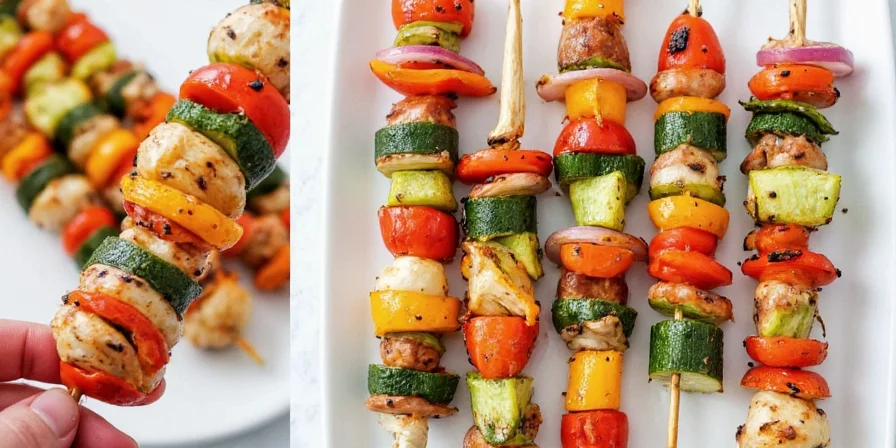
Grilling perfect vegetable skewers comes down to understanding five key principles: moisture control, proper marinating, strategic flavor layering, temperature management, and precise timing. By implementing these straightforward techniques, you'll consistently achieve restaurant-quality results at home.
The most successful home cooks don't rely on complicated equipment or rare ingredients - they master these fundamental techniques that address the real problems you face when grilling vegetables. Start with one hack this weekend, then gradually incorporate the others as you see how much difference they make.
Remember: perfect vegetable skewers aren't about fancy science terms - they're about applying practical knowledge that solves your actual grilling problems. Implement these methods and you'll never serve soggy, bland, or stuck vegetable skewers again.




 浙公网安备
33010002000092号
浙公网安备
33010002000092号 浙B2-20120091-4