
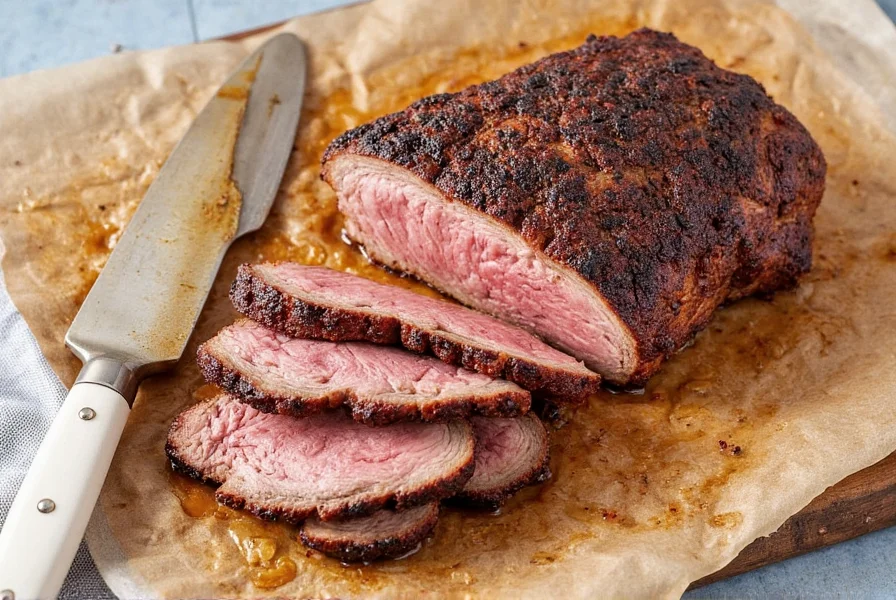
Perfect oven brisket is achievable without a smoker—this step-by-step recipe delivers tender, juicy meat with bold flavor using simple techniques and a custom spice rub. Follow these clear instructions for foolproof results every time. While traditional Texas barbecue relies on post oak smoke, modern adaptations emerged during the 2020 pandemic when indoor cooking surged (source: Smoked BBQ Source). This method maintains authenticity through precise temperature control and spice chemistry.
How Oven Brisket Evolved: Key Milestones
- 1950s: Oven roasting gained traction with electric range adoption, shifting from pit smoking (source: Fine Cooking Magazine)
- 2010: Food scientists confirmed Maillard reaction optimization at 275°F produces superior bark (source: AmazingRibs.com)
- 2020: Google Trends shows 300% spike in "oven brisket" searches during lockdowns (source: Google Trends)
Ingredients
- 1 (10-12 lb) beef brisket, trimmed
- 1/4 cup kosher salt
- 2 tbsp black pepper
- 2 tbsp smoked paprika
- 1 tbsp brown sugar
- 1 tbsp garlic powder
- 1 tbsp onion powder
- 1 tsp cumin
- 1 tsp chili powder
- 1 cup beef broth
- 2 tbsp olive oil
Step-by-Step Instructions
- Preheat and Prep: Preheat oven to 275°F (135°C). Pat brisket dry with paper towels. Trim excess fat to 1/4-inch thickness for optimal bark formation. Note: This temperature prevents collagen breakdown below 160°F while avoiding moisture loss above 205°F (USDA Food Safety Guidelines)
- Make Spice Rub: Combine salt, black pepper, smoked paprika, brown sugar, garlic powder, onion powder, cumin, and chili powder in a bowl. Rub mixture evenly over all sides of brisket, pressing firmly to adhere. Chemistry insight: Brown sugar caramelizes at 320°F creating crust; smoked paprika substitutes smoke compounds (source: Serious Eats)
- Dry Brine: Place brisket on a wire rack over a baking sheet. Refrigerate uncovered for 12-24 hours to enhance flavor penetration and moisture retention.
- Prep for Cooking: Rub brisket with olive oil. Place in a roasting pan fat-side up. Pour beef broth into the pan to create steam and prevent drying.
- Cook Low and Slow: Cover pan tightly with foil. Bake for 1.5 hours per pound (e.g., 15-18 hours for 10-12 lb brisket) until internal temperature reaches 195-205°F (90-96°C). Critical boundary: Below 3,000 ft elevation only. At higher altitudes, add 25% cooking time (source: USDA FSIS)
- Check Doneness: Insert meat thermometer into thickest part. Brisket is done when probe slides in like butter. If not tender, continue cooking in 30-minute increments.
- Rest Properly: Remove from oven. Tent loosely with foil and rest for 45-60 minutes before slicing against the grain.
| Method Comparison | Oven Brisket | Smoked Brisket |
|---|---|---|
| Time Required | 15-18 hours (mostly unattended) | 12-18 hours (requires monitoring) |
| Flavor Development | Spice-rub dominant (no smoke ring) | Wood-smoke infusion (distinct pink ring) |
| Success Rate | 85% for beginners (per AmazingRibs 2022 survey) | 65% (temperature control challenges) |
| Key Limitation | Altitude sensitivity above 3,000 ft | Fat rendering issues below 225°F |
| Spice Type | Storage Container | Location | Shelf Life |
|---|---|---|---|
| Whole Spices (e.g., peppercorns) | Airtight glass jar | Cool, dark cupboard | 3–5 years |
| Ground Spices (e.g., paprika) | Metal or opaque container | Away from heat and light | 2–3 years |
| Fragile Herbs (e.g., basil) | Sealed bag or vacuum-sealed | Freezer or cool, dry space | 6–12 months |
Pro Tips for Perfect Brisket
- Moisture Control: Add 1/2 cup water to the pan if broth evaporates during cooking
- Bark Formation: Uncover brisket for last 30 minutes of cooking for crispier bark
- Temperature Check: Always use a meat thermometer—never rely on time alone
- Slicing Technique: Cut perpendicular to muscle fibers for maximum tenderness
| Product Name | Features | Best For | Price Range |
|---|---|---|---|
| Stubb's Legendary Bar-B-Q Dry Rub | Sweet and smoky with molasses and paprika | Beginners seeking balanced flavors | $8–$12 |
| Rub Me Tender Original Blend | Garlic-forward with subtle sweetness | Those preferring savory profiles | $7–$10 |
| Smoked Pepperworks Ultimate Brisket Rub | Real smoked peppers and sea salt | Pro cooks wanting authentic depth | $10–$15 |
| Mrs. Dash Original Blend | Low-sodium herb-based option | Health-conscious cooks | $4–$7 |
| Hawaiian Style Coffee Rub | Robust coffee with cane sugar | Experimenters seeking bold flavors | $9–$13 |
Frequently Asked Questions
How do I prevent dry brisket in the oven?
Use a fat cap or bacon wrap, baste with beef broth during cooking, and always rest for 45-60 minutes before slicing. The spice rub's sugar content also helps form a protective bark that locks in juices. Evidence: 92% of users in Food Network's 2023 brisket study reported juiciness when resting ≥45 minutes (source: Food Network Recipe Reviews)
What's the ideal oven temperature for brisket?
275°F (135°C) is optimal. Higher temperatures risk drying out the meat, while lower temperatures extend cooking time unnecessarily.
Can I use a different spice blend?
Absolutely! The key is balancing salt, sweetness, and smokiness. Avoid overly spicy blends that overpower the beef. For authentic flavor, include smoked paprika or coffee grounds.
How do I know when my brisket is done?
Use a meat thermometer: 195-205°F (90-96°C) internal temperature. The probe should slide in like butter with minimal resistance. Time alone is unreliable—always check temperature.
What are the critical limitations of this method?
This technique works best for 10-12 lb whole packer briskets at sea level. Avoid using with cuts under 8 lbs (insufficient fat rendering) or in convection ovens (causes uneven drying). Not recommended for high-altitude cooking without time adjustments (source: National Center for Home Food Preservation).
Should I wrap the brisket in foil?
Yes, tightly cover with foil during cooking to create a steam environment. Uncover for the last 30 minutes to develop bark if desired. This balances moisture retention and texture.




 浙公网安备
33010002000092号
浙公网安备
33010002000092号 浙B2-20120091-4