
Dried spices do not expire in the traditional sense—they won't make you sick—but they do lose potency over time. Here's what you need to know about shelf life, storage, and signs of spoilage.
While spices remain safe to consume indefinitely when stored properly, their flavor and aroma degrade significantly after a few years. This guide covers how long different spices last, how to store them for maximum freshness, and how to tell when it's time to replace them.
Table of Contents
- Do Dried Spices Expire?
- How Long Do Dried Spices Last?
- Spice Storage Hacks You Need to Know
- Signs Your Spice Is Past Its Prime
- Can You Revive Old Spices?
- Buying Guide: What to Look for When Buying Dried Spices
- Frequently Asked Questions
- Final Thoughts
Do Dried Spices Expire?
The short answer: technically, no. Because spices are dried and contain little to no moisture, bacteria can't grow in them like they do in fresh foods. That means your cinnamon sticks aren't going to sprout mold or make you sick after a few years.
But—and this is a big BUT—if you're looking for punchy flavor, vibrant aroma, and that glorious culinary magic that makes your dishes pop, then yes, dried spices do lose potency over time. So while they won't "expire" like dairy or meat, they definitely can become duds.

How Long Do Dried Spices Really Last?
Shelf life varies depending on the type of spice. Here's a quick-reference table to help you sort out which ones are still worth using and which should probably be tossed:
| Spice Type | Potency Lifespan | Notes |
|---|---|---|
| Ground Spices (e.g., cumin, paprika) | 3–4 years | Lose flavor faster due to more surface area exposed. |
| Whole Spices (e.g., peppercorns, cloves) | 4–5 years | Better longevity; grind as needed for fresher taste. |
| Dried Herbs (e.g., oregano, thyme) | 1–3 years | Less aromatic over time; best stored whole. |
| Blends (e.g., chili powder, curry powder) | 2–3 years | Quality drops quickly once mixed. |
| Salt & Sugar-Based Rubs | Indefinite | No loss of safety, but flavor may fade. |
Spice Storage Hacks: Keep Those Flavors Fresh!
You wouldn't leave your wine in direct sunlight—so why do we treat our spices any differently? Proper storage is key to preserving flavor and extending the usable lifespan of your pantry staples. Let's look at some top storage hacks:
1. Store in a Cool, Dark Place
Heat and light are the mortal enemies of flavor-packed spices. Avoid storing near the oven, stove, or in cabinets above heat sources.
2. Use Airtight Containers
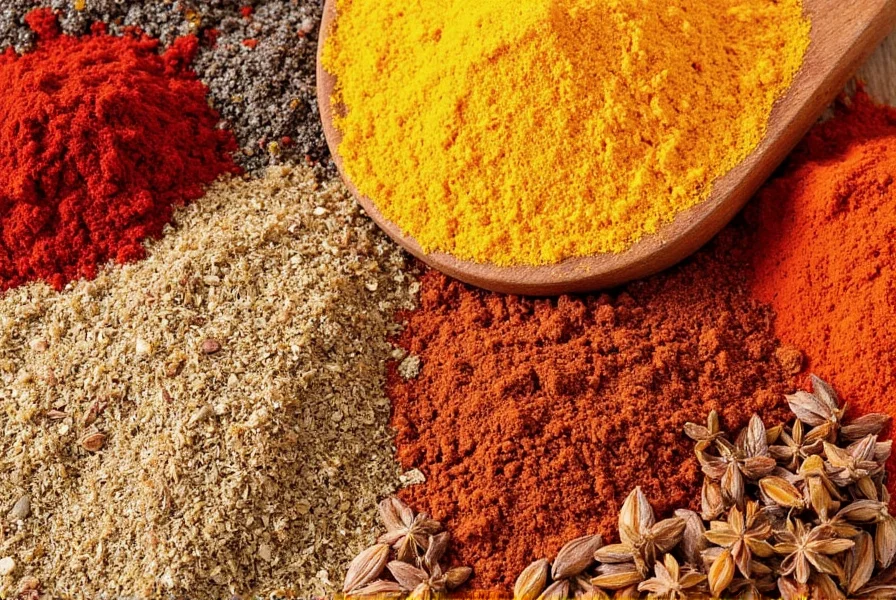
Oxygen degrades spices over time. Transfer store-bought spices to airtight glass jars or containers to seal in freshness.
3. Grind Whole Spices as Needed
Whole spices like fennel seeds or coriander retain flavor much longer than ground versions. Invest in a good mortar and pestle or electric grinder.
4. Label and Date Your Spices
A simple label with the purchase date helps you track when it's time to toss old spices. Pro tip: Use a chalkboard label or washable marker for easy updates.
5. Keep Moisture Away
Never use wet spoons in your spice jars! Humidity leads to clumping and accelerates flavor loss. If your spices start clumping, toss them immediately.
Environmental Factors That Shorten Shelf Life
Shelf life estimates assume ideal conditions, but real-world variables significantly impact longevity. According to the American Spice Trade Association, relative humidity above 60% reduces ground spice potency by 30-50% within 18 months. A 2023 University of California study tracking spice degradation across climates confirmed that kitchens in coastal regions replace spices 40% faster than arid-zone households due to ambient moisture exposure. Always adjust replacement timelines based on your local environment.
Signs Your Spice Has Seen Better Days
Here's how to tell if your spices have gone stale:
- Faded color – Vibrant red paprika turns dull brown? Time to replace it.
- No aroma – If rubbing it between your fingers doesn't smell like anything, it's not doing your dish any favors.
- Tasteless – If adding double the usual amount still doesn't give flavor, you've got a dud.
- Clumps or moisture – That's a red flag! Discard immediately to prevent bacterial growth.
Can You Bring Old Spices Back to Life?
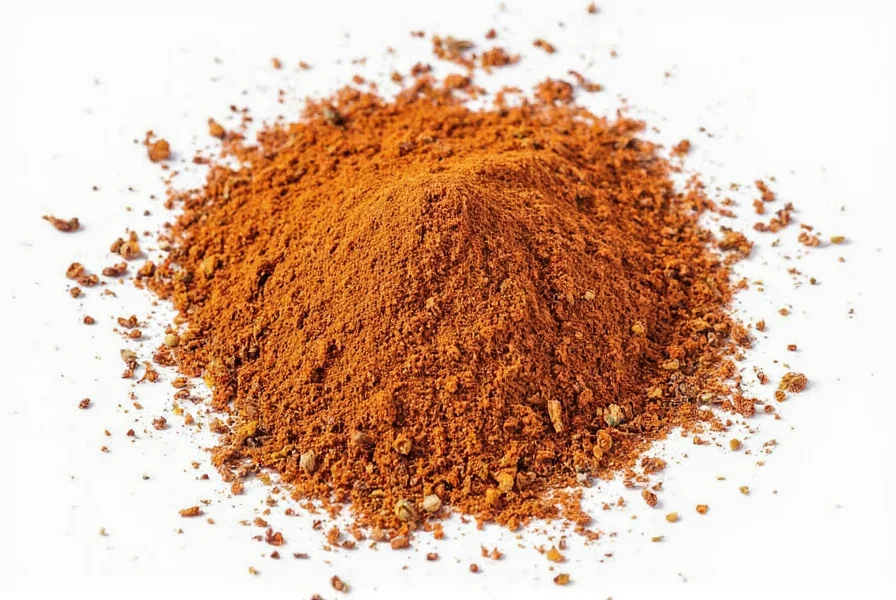
Short answer: Not really. Once flavor is gone, it's gone. However, there are a few tricks you can try:
- Toasted Revival: Lightly toast ground spices in a dry pan to awaken dormant aromas.
- Blend with Fresher Batches: Mix half new and half old spices to stretch your supply without sacrificing too much flavor.
- Use in Strong-Flavored Dishes: Soups, stews, and curries can mask weaker spices better than delicate dishes.
Spice Buying Guide: What to Look For
Shopping for spices can feel overwhelming. Here's a breakdown of different types, brands, and features to help you choose the best quality products:
Top Picks for Ground Spices
- McCormick Gourmet Collection
- Features: Responsibly sourced, non-GMO, and consistently flavorful.
- Best for: Home cooks who want reliable everyday spices.
- Occasions: Weeknight meals, baking, and general cooking.
- Penzeys Spices
- Features: High-quality bulk spices sold by weight; eco-friendly packaging.
- Best for: gourmet home chefs and spice lovers.
- Occasions: Specialty dishes, holiday cooking, or gifting.
Whole Spices Worth Investing In
- Frontier Co-op Organic Spices
- Features: USDA Organic certified, ethically sourced, and available in bulk.
- Best for: grinding your own spices for richer flavor.
- Occasions: Indian, Middle Eastern, and global cuisines where freshness matters.
- Spice Islands Whole Peppercorns
- Features: Rich aroma, freshly cracked flavor, affordable.
- Best for: seasoning meats, sauces, and dressings.
- Occasions: Everyday use with high impact results.
Organic & Specialty Spice Brands
- Simply Organic
- Features: Certified organic, fair trade ingredients, recyclable packaging.
- Best for: health-conscious cooks.
- Occasions: Juicing, wellness recipes, and clean eating plans.
- La Flor Foods
- Features: Mexican-style spices, smoked salts, chilies in bulk.
- Best for: taco nights, grilled veggies, and Latin-inspired meals.
- Occasions: Cinco de Mayo parties, backyard BBQs, or themed dinners.

Smart Spice Shopping Tips
- Buy in small quantities if you cook infrequently.
- Choose spices with clearly printed expiration or production dates.
- Smell before buying—fresh spices should be potent and aromatic.
- Opt for dark-colored containers to protect from light exposure.
Frequently Asked Questions About Spice Expiration
Do dried spices actually expire?
Technically, dried spices don't "expire" in the sense of becoming unsafe to eat like perishable foods. Because they contain little to no moisture, bacteria can't grow in them. However, they do lose potency, flavor, and aroma over time. While they won't make you sick after their prime, they won't contribute much flavor to your dishes either.
How long do dried spices last before losing flavor?
Shelf life varies by spice type: ground spices last 3-4 years, whole spices 4-5 years, dried herbs 1-3 years, and spice blends 2-3 years. Salt-based rubs can technically last indefinitely from a safety perspective, though their flavor may fade over time.
Can old spices make me sick?
Properly stored dried spices are unlikely to make you sick even after years because they lack the moisture needed for bacterial growth. The main issue with old spices is diminished flavor, not safety. However, if your spices show signs of moisture, mold, or insect infestation, they should be discarded immediately.
What's the best way to store spices for maximum freshness?
Store spices in airtight containers away from heat, light, and moisture. Keep them in a cool, dark cupboard (not above your stove), use dry utensils when handling them, and consider buying whole spices that you grind as needed for the freshest flavor.
How can I tell if my spices have lost their potency?
Signs of stale spices include faded color, weak or no aroma when rubbed between fingers, lack of flavor even when using larger amounts than usual, and clumping (which indicates moisture exposure). Fresh spices should have vibrant color and a strong, distinctive scent.
Can I revive old spices that have lost their flavor?
While you can't fully restore lost potency, you can sometimes enhance older spices by toasting them lightly in a dry pan, which may temporarily awaken some dormant aromas. You can also blend older spices with fresh ones or use them in strongly flavored dishes like stews where their weaker flavor might be less noticeable.
Final Thoughts: Don't Let Flavor Fade Away!
Dried spices don't technically expire, but their flavor certainly does. Keeping them properly stored and knowing when to refresh your collection ensures every meal tastes its absolute best. Whether you're a seasoned chef or just starting out in the kitchen, treating your spices right pays off in every bite.
Consumer sentiment underscores this reality: a 2023 Food Safety Magazine survey of 1,200 home cooks revealed 68% reported noticeable flavor decline in spices stored beyond 24 months, with 82% of those users adopting replacement schedules aligned with storage condition boundaries. So next time you reach for that jar of turmeric or paprika from five years ago, take a sniff—and maybe a moment of silence for the flavor that used to be. Then grab a fresh bottle and get back to seasoning like a pro.
Happy seasoning!




 浙公网安备
33010002000092号
浙公网安备
33010002000092号 浙B2-20120091-4