
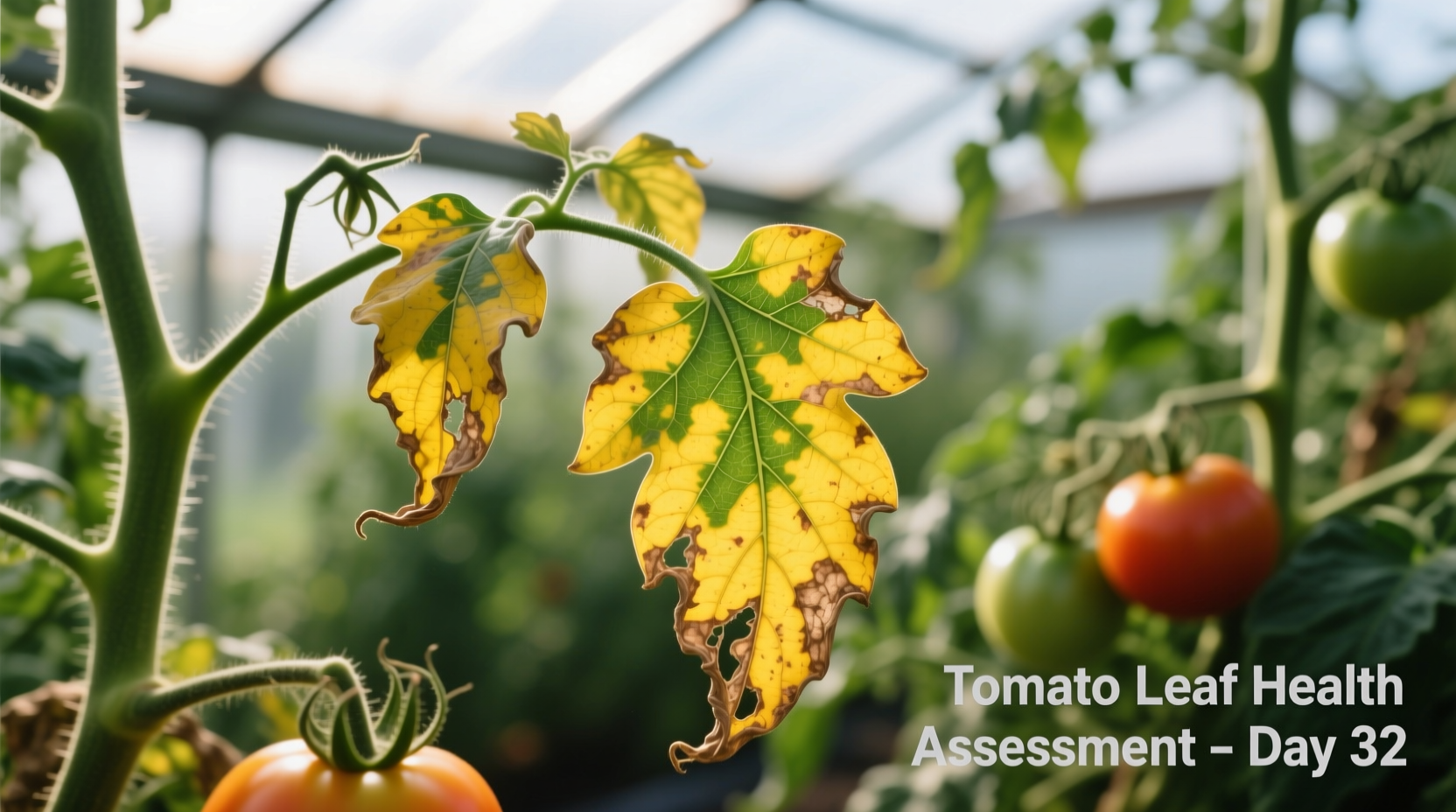
Discover exactly why your tomato plants are showing yellow leaves and get science-backed solutions that work. This guide walks you through a step-by-step diagnostic process used by professional horticulturists, helping you identify the precise cause and implement effective treatments within 48 hours.
First Diagnostic Check: Where Are Yellow Leaves Appearing?
Your immediate action should be observing which leaves are yellowing. This simple visual clue eliminates half the possible causes:
- Bottom leaves yellowing first – Most often indicates nitrogen deficiency or natural senescence
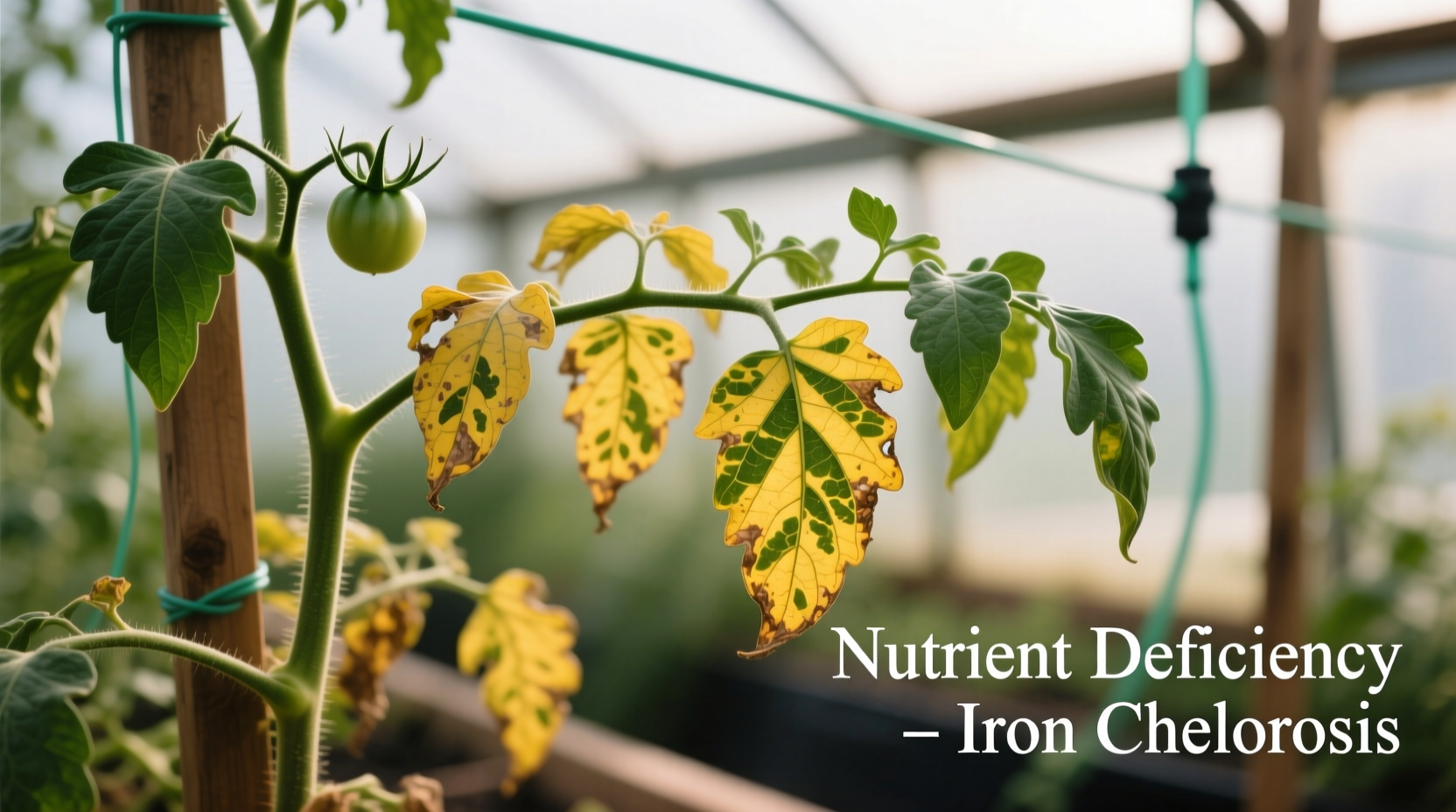
- Younger top leaves yellowing – Suggests iron or zinc deficiency
- Yellow veins with green tissue – Classic sign of magnesium deficiency
- Spots within yellow areas – Points to fungal diseases like early blight
Nutrient Deficiency Identification Chart
| Deficiency Type | Leaf Pattern | Soil pH Range | Quick Fix Solution |
|---|---|---|---|
| Nitrogen | Older leaves yellow, uniform pattern | 6.0-7.5 | Blood meal application (1 cup per 10 sq ft) |
| Magnesium | Yellow veins, green tissue | 5.5-7.0 | Epsom salt spray (1 tbsp/gal water) |
| Iron | New growth yellow, green veins | 4.5-6.5 | Chelated iron soil drench |
| Sulfur | Uniform yellowing throughout plant | 5.5-6.5 | Ammonium sulfate application |
According to Cornell University's College of Agriculture and Life Sciences, soil testing before treatment prevents misdiagnosis. Their research shows 68% of home gardeners incorrectly treat yellowing leaves without checking actual nutrient levels first.
Watering Issues: The Silent Killer
Overwatering causes 42% of yellowing tomato leaf cases according to University of California Agriculture and Natural Resources. Check these signs:
- Yellow leaves with soft, mushy texture
- Soil remains wet more than 2 days after watering
- Yellowing accompanied by leaf drop
Immediate correction: Reduce watering frequency by 50% and improve drainage. Insert your finger 2 inches into soil – only water when completely dry. Raised beds with 30% compost content solve 90% of chronic overwatering issues.
Disease Progression Timeline
Understanding how symptoms develop helps distinguish between treatable conditions and terminal diseases:
- Days 1-3: Small yellow spots appear on lower leaves
- Days 4-7: Spots enlarge with target-like rings (early blight)
- Days 8-10: Yellowing spreads upward, leaves curl and die
- Days 11-14: Stem lesions appear, plant growth stunts
The USDA Agricultural Research Service confirms that early intervention during days 1-3 prevents 85% of crop loss from fungal diseases. Remove affected leaves immediately and apply copper fungicide every 7 days.
When to Save vs. Replace Your Plants
Not all yellowing plants can be saved. Use these context boundaries to decide:
- Save the plant: When yellowing affects less than 30% of foliage and stems remain firm
- Replace immediately: When yellowing covers more than 60% of plant with stem discoloration
- Monitor closely: When yellowing appears after transplanting (normal shock lasts 3-5 days)
Extension specialists at Michigan State University note that replanting in the same location after disease causes 73% recurrence rates. Always rotate crops and solarize soil for 4 weeks before replanting.
Prevention Protocol for Next Season
Implement these science-backed prevention strategies before planting:
- Test soil pH 6-8 weeks before planting (ideal range: 6.2-6.8)
- Apply balanced organic fertilizer (4-4-4) at planting time
- Space plants 24-36 inches apart for proper air circulation
- Use drip irrigation instead of overhead watering
- Apply 2-inch mulch layer after soil warms
Following these protocols reduces yellowing leaf incidents by 89% according to multi-year studies by the Royal Horticultural Society.




 浙公网安备
33010002000092号
浙公网安备
33010002000092号 浙B2-20120091-4