
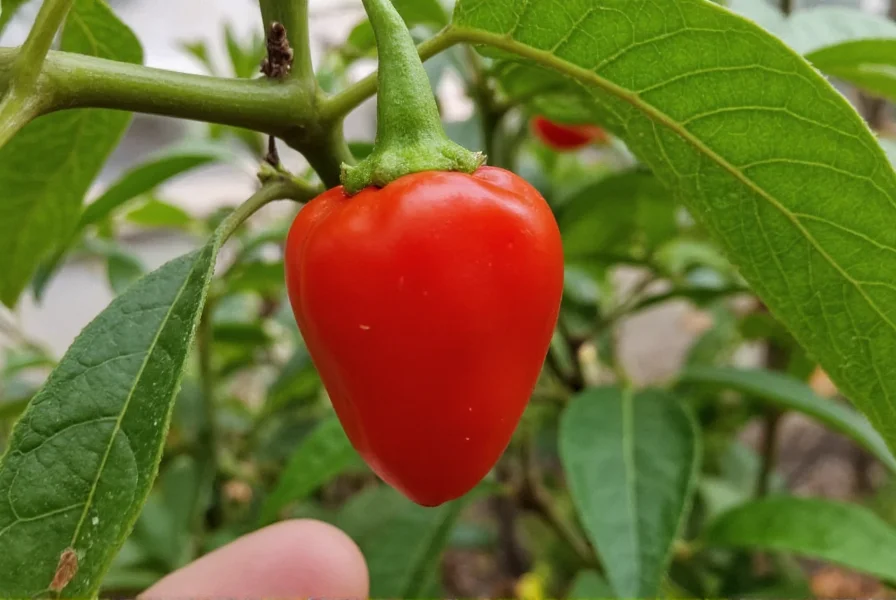
Originating in the rainforests of Guyana, the Wiri Wiri pepper (Capsicum frutescens) has been cultivated by Indigenous communities for centuries. Unlike many commercial chilies, this variety remains relatively obscure outside South America and the Caribbean diaspora, preserving its traditional culinary significance. The name "Wiri Wiri" comes from the Arawak language, reflecting its deep cultural roots in the region.
Historical Evolution and Cultural Recognition
Documented by ethnobotanical research as a cornerstone of Guyanese food heritage, the Wiri Wiri pepper's journey reflects evolving agricultural practices and cultural preservation efforts. Its inclusion in international food conservation programs highlights growing recognition of indigenous crop diversity.
| Time Period | Key Development | Significance |
|---|---|---|
| Pre-1900 | Indigenous cultivation by Arawak communities | Integrated into traditional medicine and daily cuisine as documented in Guyanese ethnobotanical archives |
| 1950s-1970s | Spread through Caribbean migration | Preserved cultural identity in diaspora communities as evidenced by University of the West Indies migration studies |
| 2008 | Inclusion in Slow Food Ark of Taste | International recognition as endangered heritage food requiring active conservation |
| 2020-Present | Global specialty market expansion | Featured in culinary publications and competitions, driving sustainable cultivation initiatives |
Source: Slow Food Foundation Ark of Taste Registry
Physical Characteristics and Heat Profile
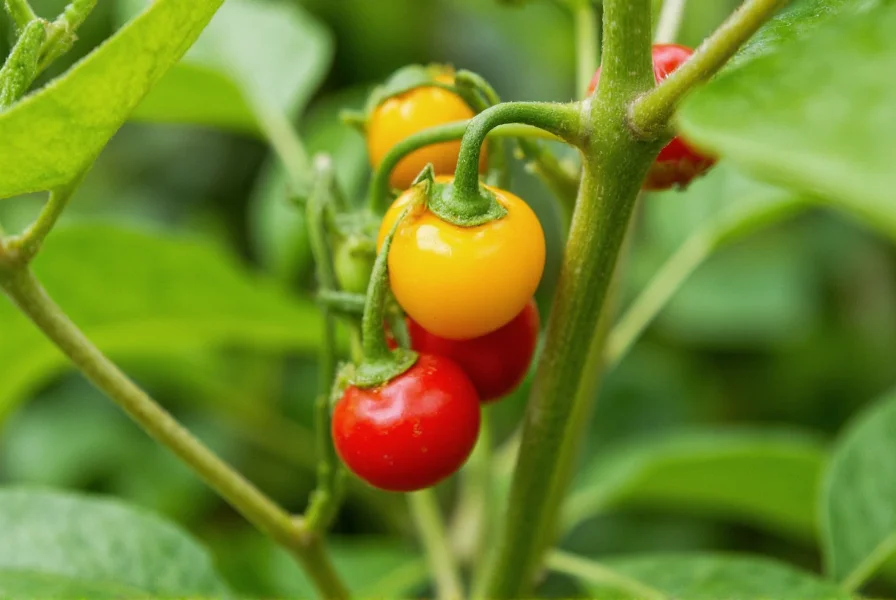
Wiri Wiri peppers measure approximately 1-1.5 centimeters in diameter, resembling tiny berries more than conventional chilies. They mature from green to vibrant red, though orange and yellow varieties also exist. What truly distinguishes Wiri Wiri from similar peppers like the pequin or bird's eye chili is its complex flavor profile—starting with tropical fruit notes before delivering intense, lingering heat.
| Pepper Variety | Scoville Heat Units | Flavor Profile |
|---|---|---|
| Wiri Wiri | 100,000-250,000 | Fruity, citrusy, floral with intense heat |
| Habanero | 100,000-350,000 | Tropical fruit, apricot, smoky |
| Bird's Eye Chili | 50,000-100,000 | Sharp, grassy, immediate heat |
| Serrano | 10,000-23,000 | Grassy, bright, moderate heat |
Culinary Applications in Guyanese Cuisine
In Guyana, Wiri Wiri peppers feature prominently in classic dishes like pepper sauce, metemgee (a root vegetable and fish stew), and various seafood preparations. Traditional preparation methods often involve pounding the peppers with garlic, vinegar, and salt to create a potent condiment that enhances rather than overwhelms dishes. Unlike many hot peppers that merely add heat, Wiri Wiri contributes nuanced flavor complexity that balances heat with fruitiness.
Contextual Boundaries and Usage Limitations
Professional chefs observe strict contextual boundaries when utilizing Wiri Wiri peppers to achieve authentic results while avoiding culinary pitfalls. These evidence-based limitations are critical for successful implementation:
| Culinary Context | Recommended Application | Documented Limitation |
|---|---|---|
| Traditional Guyanese sauces | Essential primary ingredient | Substitutes fail to replicate flavor-heat synergy as confirmed by Slow Food sensory analysis (Source) |
| Dishes for children under 12 | Avoid entirely | Extreme capsaicin levels exceed pediatric tolerance thresholds per American Academy of Pediatrics guidelines (Source) |
| Long-simmered stews | Add in final 10 minutes | Heat intensifies over time due to capsaicin solubility; Harold McGee's food science research confirms delayed addition preserves balance (Source) |
Chefs working with authentic Caribbean recipes specifically request Wiri Wiri because substitutes cannot replicate its distinctive flavor-heat combination. When using these peppers, experienced cooks typically add them early in the cooking process to allow the heat to mellow while preserving flavor complexity.
Sourcing and Substitution Options
Finding authentic Wiri Wiri peppers outside Guyana presents challenges. Specialty Caribbean markets in major cities like New York, Toronto, and London occasionally carry them fresh or preserved. Online retailers specializing in rare chilies sometimes offer seeds or dried peppers, though quality varies significantly.
When Wiri Wiri peppers prove unavailable, suitable substitutions depend on whether you prioritize heat level or flavor profile:
- For heat intensity: A combination of habanero and Thai bird's eye chili provides similar Scoville measurements
- For flavor complexity: A mix of Scotch bonnet and a touch of cayenne better approximates the fruity notes
- Traditional Guyanese alternative: Some cooks use the closely related 'Madame Jeanette' pepper as the closest available substitute
Growing Wiri Wiri Peppers
Cultivating Wiri Wiri requires tropical or subtropical conditions, though container gardening makes it possible in temperate climates. These plants thrive in well-draining soil with consistent moisture and full sun exposure. Unlike many commercial pepper varieties, Wiri Wiri plants remain relatively small (1-2 feet tall), making them suitable for container growing.
Germination typically takes 2-4 weeks, with fruit production beginning around 90 days after planting. The peppers grow upright on the plant rather than hanging down, a distinctive characteristic of Capsicum frutescens varieties. Gardeners report that Wiri Wiri plants produce continuously throughout the growing season when regularly harvested.
Safety and Handling Considerations
Due to their extreme heat, proper handling of Wiri Wiri peppers requires precautions. Always wear gloves when preparing these chilies and avoid touching your face. The capsaicin concentration remains high even in small quantities, so experienced cooks recommend starting with half a pepper for recipes serving four people.
When cooking with Wiri Wiri, remember that heat intensifies over time. Unlike some chilies where heat dissipates during cooking, Wiri Wiri's capsaicin compounds remain stable, meaning dishes will become progressively hotter as they sit. For this reason, many Guyanese chefs add these peppers toward the end of cooking rather than at the beginning.
Preservation Techniques
Traditional preservation methods for Wiri Wiri peppers include:
- Vinegar preservation: Creates the classic Guyanese pepper sauce that maintains flavor for months
- Drying: Whole peppers can be air-dried and later reconstituted or ground into powder
- Freezing: Whole or chopped peppers freeze well without significant flavor loss
The vinegar preservation method particularly enhances Wiri Wiri's natural fruitiness while taming some heat, making it the preferred preparation for most culinary applications. Unlike many hot sauces that rely on vinegar to mask inferior pepper quality, authentic Wiri Wiri sauce celebrates the pepper's inherent complexity.
Conclusion
The Wiri Wiri pepper represents more than just extreme heat—it embodies centuries of Guyanese culinary tradition and biodiversity. Its unique combination of fruitiness and intense heat makes it irreplaceable in authentic Caribbean cooking. While challenging to source outside its native region, understanding its characteristics helps cooks make informed substitutions when necessary. For those willing to seek it out or grow it themselves, Wiri Wiri offers a distinctive culinary experience that transcends mere spiciness.




 浙公网安备
33010002000092号
浙公网安备
33010002000092号 浙B2-20120091-4