
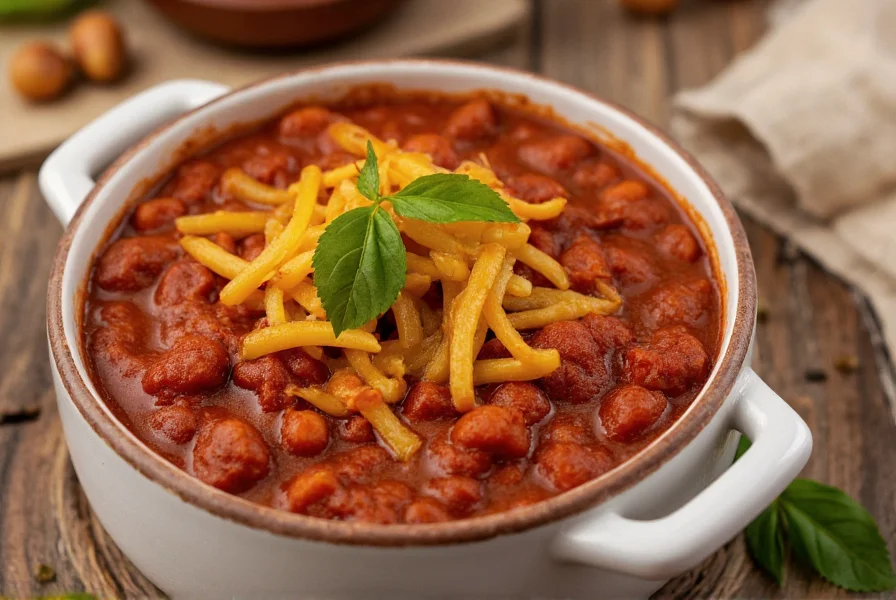
Understanding the calorie content in chili is essential for anyone monitoring their dietary intake. Whether you're meal planning, managing weight, or simply curious about nutrition, knowing what goes into your bowl of chili helps make informed choices. This comprehensive guide breaks down the nutritional facts you need.
Factors That Impact Calorie Content in Chili
The calorie count in chili isn't fixed—it changes dramatically based on several key factors. Being aware of these variables helps you better estimate the nutritional value of your specific recipe.
Meat Selection Matters Most
The type of protein you choose significantly affects the calorie content in beef chili per serving. Ground beef with 20% fat contains about 250 calories per 3-ounce serving, while lean ground turkey (93% lean) has approximately 140 calories for the same amount. For those exploring how many calories in homemade chili, substituting half the meat with beans can reduce calories by 25-30% without sacrificing texture.
Beans and Vegetable Content
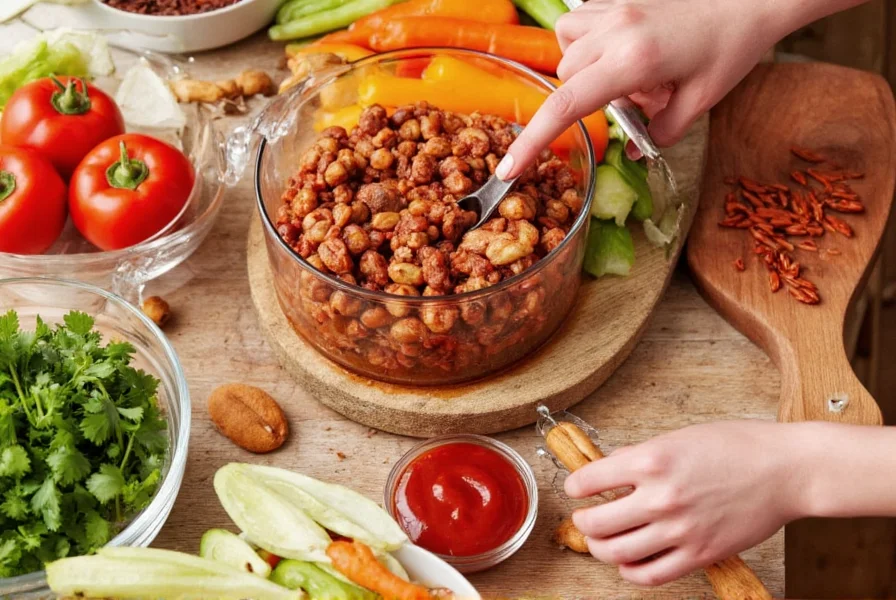
Beans add valuable fiber and protein with relatively few calories. One cup of cooked kidney beans contains about 215 calories, while the same amount of black beans has approximately 227 calories. Increasing the vegetable-to-meat ratio in your chili nutrition facts per cup creates a more nutrient-dense meal with fewer calories. Bell peppers, tomatoes, onions, and zucchini all contribute minimal calories while boosting vitamin content.
Fats and Toppings
The fats used during cooking and toppings added afterward dramatically influence the final calorie count. One tablespoon of olive oil adds 120 calories, while sour cream (2 tablespoons) contributes about 50 calories. Cheese, avocado, and fried toppings can quickly transform a moderate-calorie meal into a high-calorie dish.
How Ingredient Modifications Affect Nutrition
Small recipe adjustments create measurable nutritional differences. The table below quantifies impacts of common changes to a standard 1-cup beef chili serving:
| Modification | Calorie Change | Fiber Change |
|---|---|---|
| Replace 3oz 80% lean beef with 93% lean turkey | -110 | 0g |
| Add ½ cup kidney beans | +108 | +6g |
| Use 1 tbsp olive oil instead of 2 tbsp | -60 | 0g |
| Omit 2 tbsp sour cream topping | -50 | 0g |
Source: USDA FoodData Central calculations based on standard entries (FDC IDs: 170150, 170152, 170301, 170175). https://fdc.nal.usda.gov/
Nutritional Breakdown of Common Chili Varieties
Below is a comparison of typical nutritional profiles for different chili styles. These values represent a standard 1-cup serving unless otherwise noted.
| Chili Type | Calories | Protein (g) | Carbs (g) | Fat (g) | Fiber (g) |
|---|---|---|---|---|---|
| Traditional Beef Chili | 290 | 18 | 32 | 10 | 9 |
| Lean Turkey Chili | 220 | 20 | 28 | 6 | 10 |
| Vegetarian Bean Chili | 210 | 12 | 38 | 3 | 13 |
| White Chicken Chili | 240 | 22 | 25 | 7 | 8 |
| Chili with Beans (canned) | 310 | 14 | 45 | 8 | 11 |
Contextual Factors Affecting Calorie Accuracy
Reported calorie values assume standardized preparation, but real-world variables create significant deviations. Key limitations include:
- Portion distortion: Restaurant servings average 2.7 cups (680ml), tripling calories versus 1-cup references. CDC research shows consumers underestimate such portions by 60% on average.
- Regional variations: Cincinnati-style chili (containing chocolate/cinnamon) adds 50-75 calories/serving versus Texas-style due to sugar content.
- Ingredient processing: Canned beans with added sugar increase calories by 25-35/serving versus unsweetened dried beans.
For precise tracking, weigh ingredients and reference USDA's recipe calculator tools.
Source: Centers for Disease Control and Prevention, "Portion Distortion in Restaurant Meals," 2022. https://www.cdc.gov/healthyweight/healthy_eating/portion_size.html
Creating Lower-Calorie Chili Options
If you're wondering whether chili is good for weight loss, the answer depends on how you prepare it. With strategic ingredient choices, chili can be a satisfying, nutrient-rich meal that fits within calorie-controlled diets.
Smart Ingredient Swaps
For those seeking low calorie chili recipe tips, consider these substitutions:
- Replace half the meat with extra beans or lentils
- Use lean ground turkey or chicken instead of regular ground beef
- Add pureed vegetables like butternut squash or carrots for thickness instead of additional meat
- Choose low-sodium vegetable broth as your liquid base
- Limit added fats by using cooking spray instead of oil
Serving Size Awareness
One of the most common pitfalls is underestimating serving sizes. Restaurant portions often contain 2-3 cups of chili, which would be 500-900 calories for traditional recipes. Measuring your portions helps maintain awareness of actual calorie consumption.
Health Benefits Beyond Calories
Chili offers more than just protein and calories—it contains valuable nutrients that contribute to overall health. The combination of lean protein, fiber-rich beans, and antioxidant-packed vegetables creates a nutritionally balanced meal.
Capsaicin, the compound that gives chili peppers their heat, has demonstrated metabolic benefits. Research published in Chemical Senses (2011) found capsaicin consumption increases energy expenditure by approximately 50 calories daily and reduces subsequent food intake by 10% (source). While these effects are modest, they enhance chili's value in weight management when prepared thoughtfully.
Common Misconceptions About Chili Calories
Many people confuse chili the dish with chili peppers when searching for calorie information. Fresh chili peppers contain only about 25-40 calories per cup, but this is irrelevant to the calorie content in chili the stew-like dish. Similarly, "chili powder" as a spice contains minimal calories (about 6 calories per teaspoon), but this doesn't reflect the calorie density of prepared chili.
Another frequent error involves assuming all chili recipes have similar nutritional profiles. The calorie difference between meat and bean chili can exceed 100 calories per serving, making it crucial to understand your specific recipe's composition.




 浙公网安备
33010002000092号
浙公网安备
33010002000092号 浙B2-20120091-4