
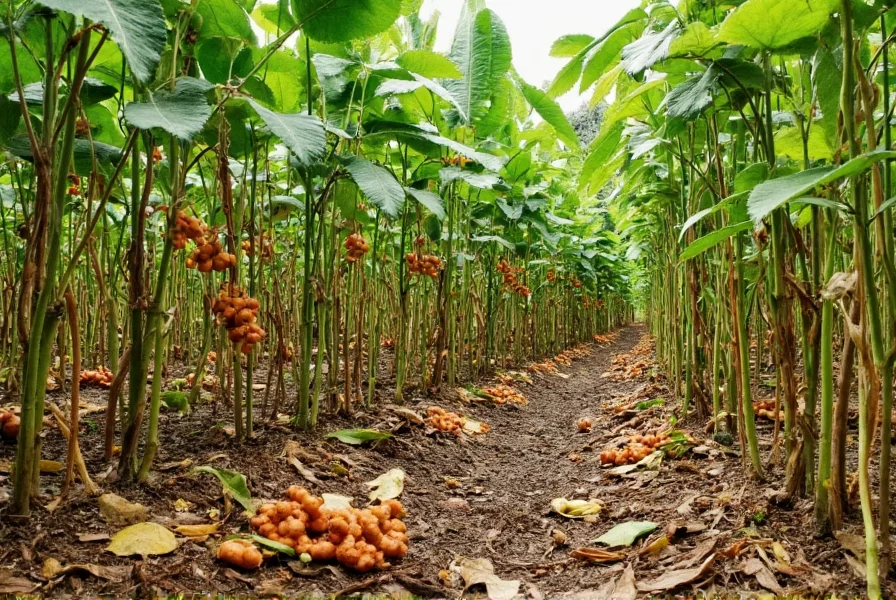
Ginger farming represents a lucrative agricultural opportunity for growers in tropical and subtropical regions worldwide. This comprehensive guide explores the essential practices for establishing and maintaining a productive ginger farm that yields high-quality rhizomes while maximizing profitability. By examining historical evolution, geographical constraints, and global production patterns, this guide provides verifiable insights for evidence-based decision making.
Understanding Ginger Farm Requirements
Ginger thrives in specific environmental conditions that mimic its native Southeast Asian habitat. The ideal ginger farm operates in regions with annual rainfall between 60-120 inches, distributed evenly throughout the growing season. While ginger can tolerate some drought once established, consistent moisture is critical during the first three months after planting.
Soil composition significantly impacts ginger farm productivity. The best soil for ginger cultivation contains:
| Soil Component | Optimal Percentage | Function |
|---|---|---|
| Organic Matter | 3-5% | Enhances nutrient retention and soil structure |
| Sand | 40-50% | Ensures proper drainage |
| Silt | 30-40% | Balances water retention |
| Clay | 10-20% | Provides mineral nutrients |
Before establishing your ginger farm, conduct thorough soil testing to determine nutrient levels and pH. Amending soil with well-rotted farmyard manure at 20-25 tons per hectare significantly improves ginger yield potential.
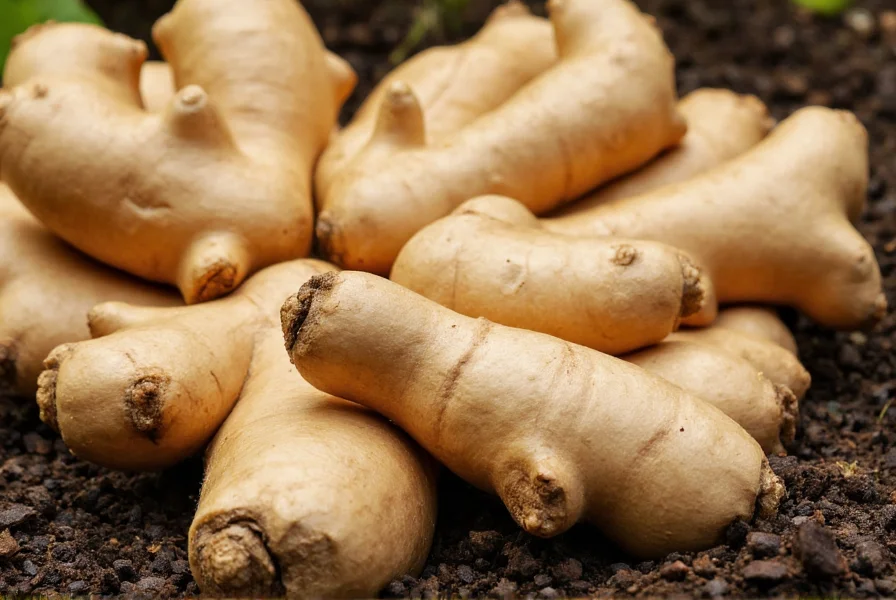
Historical Evolution of Ginger Farming Practices
Ginger cultivation has transformed from subsistence farming to a precision agricultural commodity. Understanding this evolution provides critical context for modern production systems:
- Ancient Era (Pre-1500s): Indigenous cultivation in Southeast Asia using slash-and-burn techniques with yields below 2 tons/ha. Rhizomes were primarily for medicinal use (Purdue University, 2023).
- Colonial Expansion (1500s-1900s): Introduced to Africa and Caribbean via European trade routes. Plantation systems emerged but yields remained low (3-5 tons/ha) due to disease susceptibility and primitive irrigation.
- Green Revolution (1950s-1990s): Development of high-yielding varieties (e.g., Rio de Janeiro) and synthetic pesticides increased average yields to 12-15 tons/ha. Monoculture practices increased disease vulnerability.
- Modern Era (2000s-Present): Adoption of integrated pest management and precision agriculture has boosted yields to 15-25 tons/ha while reducing chemical inputs by 30-40% (Journal of Integrative Agriculture, 2022).
Step-by-Step Ginger Cultivation Process
Successful ginger farming begins with selecting high-quality seed rhizomes. Choose disease-free rhizomes with multiple growth buds from certified sources. The complete cultivation process follows these critical stages:
- Land preparation: Plow fields twice to achieve fine tilth, then create raised beds 15-20 cm high
- Seed treatment: Soak rhizomes in a solution of 0.1% carbendazim for 30 minutes to prevent fungal diseases
- Planting technique: Place rhizome pieces 5-7 cm deep with buds facing upward, spacing 20-25 cm between plants
- Mulching: Apply organic mulch immediately after planting to retain moisture and suppress weeds
- Irrigation management: Maintain consistent soil moisture without waterlogging, especially during rhizome formation
- Weed control: Perform manual weeding every 3-4 weeks during the first two months
Managing Pests and Diseases in Ginger Farming
Ginger farms face several common threats that can significantly reduce yields if not properly managed. Without proper controls, diseases like soft rot can cause 70-90% yield loss in susceptible regions (Journal of Integrative Agriculture, 2022). The most prevalent issues include:
- Soft rot: A fungal disease causing water-soaked lesions; controlled through crop rotation and proper drainage
- Rhizome rot: Prevented by using disease-free seed material and avoiding waterlogged conditions
- Shoot borer: Controlled through pheromone traps and timely pesticide application
- Leaf spot: Managed through copper-based fungicides and proper spacing for air circulation
Implementing integrated pest management (IPM) strategies represents the most sustainable approach for commercial ginger production. This includes crop rotation with non-host plants like legumes, maintaining field sanitation, and using biological control agents whenever possible.
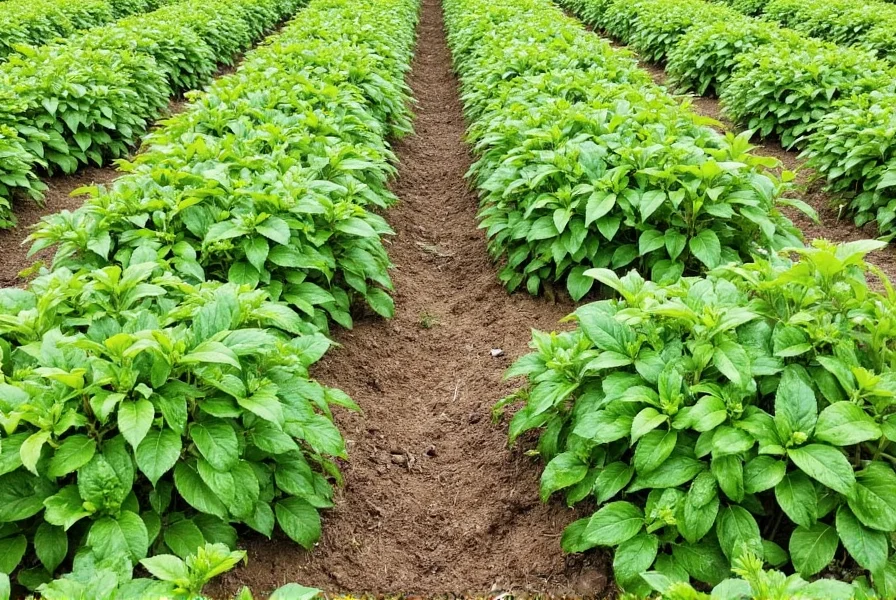
Harvesting and Post-Harvest Processing
Timing your ginger harvest correctly determines both yield and quality. Most ginger varieties reach maturity 8-10 months after planting when the leaves turn yellow and begin drying. The optimal harvesting window occurs when 80-90% of the foliage has senesced.
Follow these best practices for harvesting and processing:
- Cease irrigation 3-4 weeks before harvest to allow rhizomes to mature properly
- Carefully dig around plants to avoid damaging rhizomes
- Clean harvested ginger by washing in clean water, avoiding prolonged soaking
- Cure rhizomes by spreading in shaded area for 7-10 days to develop thicker skin
- Store in well-ventilated containers at 50-59°F (10-15°C) with 70-80% humidity
Proper post-harvest handling can extend ginger shelf life up to six months. For commercial ginger farming operations, consider value-added processing like drying, powdering, or pickling to increase profitability.
Economic Considerations for Commercial Ginger Production
Ginger farming can be highly profitable when managed correctly. Average yields range from 15-25 tons per hectare under optimal conditions, with premium prices for organic and specialty varieties. However, geographical constraints significantly impact viability:
Geographical and Environmental Constraints
Ginger cultivation faces critical limitations that determine economic feasibility:
- Climate boundaries: Outdoor production is restricted to USDA Hardiness Zones 9-12. Temperatures below 50°F (10°C) permanently damage rhizomes (USDA Plant Hardiness Zone Map, 2023).
- Soil limitations: Yields drop 40-60% in soils with clay content above 25% due to rhizome rot (Journal of Integrative Agriculture, 2022).
- Altitude restrictions: Commercial production is generally limited to elevations below 1,500 meters; yields decrease 8% for every 100m above this threshold (FAO, 2021).
Global production patterns reflect these constraints:
| Country | Production (tons) | Key Environmental Factors |
|---|---|---|
| India | 1,044,399 | Tropical monsoon climate (Zone 10-11), alluvial soils |
| China | 599,841 | Subtropical highlands (Zone 9-10), volcanic soils |
| Nepal | 199,999 | Himalayan foothills (Zone 10), well-drained slopes |
| Thailand | 149,841 | Tropical wet/dry (Zone 11), sandy loams |
| Nigeria | 119,999 | Tropical savanna (Zone 10), laterite soils |
Source: Food and Agriculture Organization (FAOSTAT Crops, 2022)
Key economic factors include:
- Initial investment costs averaging $1,500-$2,500 per hectare for land preparation and planting material
- Operating costs primarily for labor, irrigation, and pest management
- Market price fluctuations based on global supply and quality standards
- Higher returns for certified organic ginger (typically 20-30% premium)
Successful ginger farm operators diversify their market channels, selling to fresh markets, processing facilities, and export channels. Developing direct relationships with buyers before planting ensures better price stability.
Sustainable Ginger Farming Practices
Modern ginger farming increasingly incorporates sustainable practices that benefit both the environment and long-term farm viability. Consider implementing these techniques:
- Intercropping with shade-providing plants like banana or coffee to create ideal microclimates
- Using organic mulches that decompose to improve soil fertility
- Implementing drip irrigation systems to conserve water
- Creating compost from ginger waste materials for soil amendment
- Practicing crop rotation with legumes to maintain soil nitrogen levels
These sustainable ginger farming methods not only reduce environmental impact but often improve rhizome quality and marketability, particularly in premium markets that value eco-friendly production.




 浙公网安备
33010002000092号
浙公网安备
33010002000092号 浙B2-20120091-4