
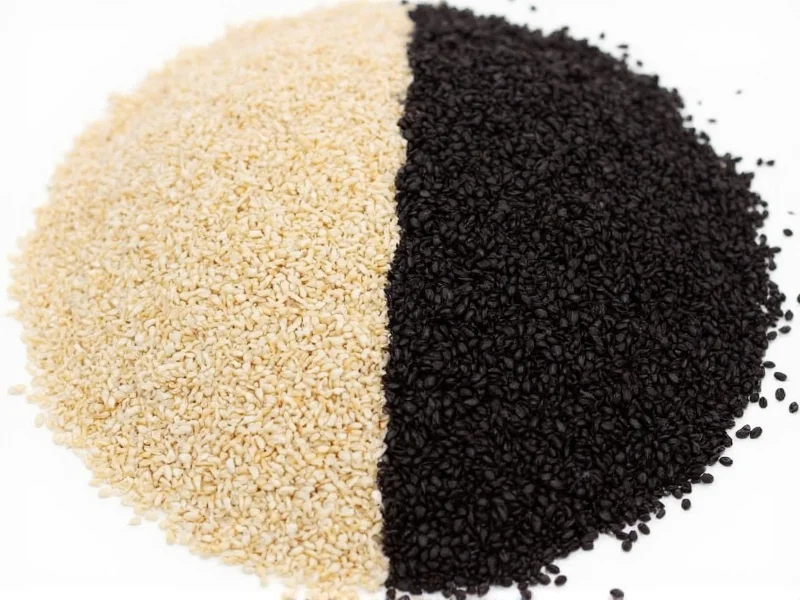
When comparing white vs black sesame seeds, the primary difference lies in processing and nutritional composition. White sesame seeds have had their outer hulls removed through a process called decortication, resulting in a lighter color and milder flavor. Black sesame seeds retain their natural black hull, preserving more fiber and certain nutrients. Understanding these differences helps home cooks and health-conscious consumers make informed choices for both culinary applications and nutritional benefits.
Physical Characteristics and Processing
The most obvious distinction between white and black sesame seeds is their appearance. White sesame seeds appear pale ivory or light beige after their outer hulls have been removed. This hulling process also reduces their fiber content but creates a more neutral flavor profile preferred in many Western cuisines. Black sesame seeds maintain their natural dark color because they're used with their hulls intact, giving them a more robust appearance and earthier visual appeal in dishes.
Interestingly, all sesame seeds actually start with a black or dark brown hull. The white variety only appears after processing removes this outer layer. Some "white" sesame seeds are actually naturally pale varieties that require less processing, but most commercial white sesame seeds have been hulled.
Historical Evolution of Sesame Processing
The processing methods for sesame seeds have evolved significantly over millennia, directly influencing the white/black distinction available today. According to the Food and Agriculture Organization (FAO), sesame is one of the oldest cultivated oilseed crops, with archaeological evidence dating domestication to 3500 BCE in the Indus Valley. Ancient Egyptians and Mesopotamians used unhulled black sesame seeds primarily for oil extraction. The development of mechanical hulling in the 19th century enabled large-scale production of white sesame seeds, which became dominant in Western markets by the mid-20th century due to aesthetic preferences.
| Time Period | Processing Development | Commercial Impact |
|---|---|---|
| 3500 BCE | Natural cultivation in Indus Valley | Exclusive use of unhulled black seeds |
| Ancient Egypt (2000 BCE) | Stone-based oil extraction | Hulls retained for maximum oil yield |
| 1840s | Mechanical hulling invention | First commercial white sesame production |
| 1950s | Industrial-scale decortication | White sesame dominates Western supermarkets |
Source: FAO - Sesame Post-harvest Operations http://www.fao.org/3/y4671e/y4671e06.htm
Nutritional Comparison: White vs Black Sesame Seeds
When examining the nutritional differences between white and black sesame seeds, the presence of the hull makes a significant impact. Black sesame seeds generally contain higher levels of certain nutrients because the hull contains valuable fiber and compounds.
| Nutrient (per 1 oz/28g) | White Sesame Seeds | Black Sesame Seeds |
|---|---|---|
| Calories | 160 | 155 |
| Total Fat | 14g | 14g |
| Saturated Fat | 2g | 2g |
| Carbohydrates | 6g | 8g |
| Dietary Fiber | 3.3g | 5.8g |
| Protein | 5g | 5g |
| Calcium | 28% DV | 36% DV |
| Iron | 21% DV | 27% DV |
| Magnesium | 25% DV | 29% DV |
| Antioxidants | Moderate | High (particularly sesamol) |
This nutritional comparison between white and black sesame seeds reveals that black varieties typically offer more fiber and slightly higher mineral content, particularly calcium and iron. The black hull contains sesamol and other antioxidants not as prevalent in hulled white seeds. However, white sesame seeds contain slightly more calories per serving due to the removal of fibrous material.
Flavor Profiles and Culinary Applications
Understanding the taste difference between white and black sesame seeds is crucial for proper culinary application. White sesame seeds have a delicate, mildly nutty flavor that works well in dishes where a subtle nuttiness is desired without overpowering other ingredients. They're commonly used in Western baking, salad toppings, and as a garnish for various dishes.
Black sesame seeds deliver a more intense, earthy, and slightly bitter flavor profile with deeper roasted notes. This stronger taste makes them particularly valuable in Asian cuisine, where they're used in both sweet and savory applications. The distinctive black color also creates striking visual contrast in dishes.
When considering which sesame seeds to use for specific recipes, white seeds generally work better in lighter-colored dishes like breads, pastries, and chicken coatings, while black seeds shine in sushi rolls, rice dishes, and traditional Asian desserts like black sesame paste or ice cream.
Health Benefits Comparison
Both varieties offer impressive health benefits as part of a balanced diet, but there are some distinctions worth noting when evaluating black sesame seeds benefits compared to white. The higher fiber content in black sesame seeds supports better digestive health and may help regulate blood sugar levels more effectively than their hulled counterparts.
Research suggests that black sesame seeds contain higher levels of sesamol, a potent antioxidant that may help reduce inflammation and protect against cellular damage. The calcium content difference makes black sesame seeds particularly beneficial for bone health, though both varieties contribute meaningfully to daily mineral requirements.
For heart health, both types provide healthy monounsaturated and polyunsaturated fats that can help maintain healthy cholesterol levels. The lignans in sesame seeds, particularly sesamin, have been studied for their potential cardiovascular benefits regardless of seed color.
However, the high insoluble fiber content in black sesame seeds presents important context boundaries for certain populations. According to the National Institute of Diabetes and Digestive and Kidney Diseases (NIDDK), individuals with irritable bowel syndrome (IBS) may experience symptom exacerbation from high-insoluble-fiber foods. Since black sesame seeds contain 5.8g of fiber per ounce (primarily insoluble), those with digestive sensitivities should introduce them gradually or consider white sesame seeds (3.3g fiber per ounce) as a lower-fiber alternative during symptom flare-ups.
Source: NIDDK - Irritable Bowel Syndrome Dietary Guidance https://www.niddk.nih.gov/health-information/digestive-diseases/irritable-bowel-syndrome/eating-diet-nutrition
Storage Considerations and Shelf Life
Due to their high oil content, both white and black sesame seeds require proper storage to maintain freshness. The oils can become rancid when exposed to heat, light, or air. For maximum shelf life, store sesame seeds in an airtight container in the refrigerator (up to 6 months) or freezer (up to 1 year).
Black sesame seeds may have a slightly longer shelf life than white varieties because the intact hull provides some natural protection against oxidation. However, the difference is minimal, and proper storage remains the most critical factor for both types.
Many chefs recommend toasting sesame seeds before use to enhance their flavor, regardless of color. Simply spread them on a dry skillet over medium heat for 2-3 minutes until fragrant and lightly golden, stirring frequently to prevent burning.
Substitution Guide: When to Use One Over the Other
While white and black sesame seeds can sometimes be used interchangeably, understanding when to substitute one for the other ensures optimal results. For the nutritional differences between white and black sesame seeds, black seeds generally provide more fiber and certain minerals, making them preferable when maximizing nutrient density is the goal.
White sesame seeds work better as a direct substitute in recipes calling for black sesame seeds when appearance matters more than flavor intensity. The reverse substitution (using black for white) will significantly alter both the color and flavor profile of a dish.
For baking applications where visual appeal matters, white sesame seeds maintain a traditional appearance on breads and rolls. Black sesame seeds create dramatic visual contrast in desserts like ice cream or pastries where their distinctive color is part of the presentation.
Which Sesame Seeds Are Healthier: White or Black?
When determining which sesame seeds are healthier white or black, the answer depends on specific nutritional priorities. Black sesame seeds generally offer superior fiber content and higher concentrations of certain minerals and antioxidants due to their intact hulls. However, white sesame seeds still provide substantial nutritional benefits and may be preferable for those with digestive sensitivities to higher fiber foods.
Nutritionally, neither variety is definitively "better"—they simply offer different profiles. For maximum health benefits, consider incorporating both types into your diet to take advantage of their complementary nutritional properties. The key is using them as part of a varied, balanced diet rather than focusing on one as superior to the other.
Practical Buying Tips
When purchasing sesame seeds, look for uniform color and avoid seeds with dark spots or signs of moisture. Both white and black sesame seeds should have a pleasant, nutty aroma without any musty or rancid odors. Buying from reputable sources ensures you're getting quality product free from contaminants.
Organic black sesame seeds have become increasingly available as demand for traditional Asian ingredients grows. For white sesame seeds, check whether they've been bleached (some undergo chemical treatment to achieve uniform color), with untreated varieties being preferable for health-conscious consumers.
Conclusion: Making the Right Choice for Your Needs
The choice between white and black sesame seeds ultimately depends on your specific culinary application and nutritional priorities. For subtle flavor and traditional appearance, white sesame seeds remain the preferred option in many Western recipes. When seeking maximum nutrient density, visual drama, or authentic Asian flavor profiles, black sesame seeds deliver distinctive advantages.
Understanding these differences allows home cooks and professional chefs alike to make informed decisions that enhance both the nutritional value and sensory experience of their dishes. By recognizing the unique properties of each variety, you can leverage their complementary strengths to create more flavorful, nutritious meals.
Frequently Asked Questions
Are black sesame seeds better for you than white sesame seeds?
Black sesame seeds generally contain more fiber, calcium, and antioxidants than white sesame seeds because they retain their hulls. While both varieties offer significant nutritional benefits including healthy fats and minerals, black sesame seeds provide slightly higher nutrient density. However, white sesame seeds remain nutritionally valuable and may be preferable for certain culinary applications where milder flavor is desired.
Can I substitute white sesame seeds for black sesame seeds in recipes?
Substitution is possible but will affect both appearance and flavor. White sesame seeds have a milder taste and lighter color, so using them instead of black will result in less visual contrast and a more subtle flavor profile. For recipes where appearance matters (like sushi or desserts), the substitution may not be ideal. In savory dishes where flavor intensity is less critical, substitution works better, though the distinctive earthy notes of black sesame seeds will be missing.
Why are black sesame seeds more expensive than white sesame seeds?
Black sesame seeds often command a higher price due to lower production volumes, specialized growing conditions, and higher demand in certain Asian markets. The processing for white sesame seeds (hulling) is more standardized and done at larger scale, making them more widely available and less expensive. Additionally, black sesame seeds are sometimes marketed as a specialty or premium ingredient, contributing to their higher price point.
Do black and white sesame seeds have different cooking times?
Both black and white sesame seeds have similar cooking characteristics and toasting times. When toasting either variety, they typically require 2-3 minutes in a dry skillet over medium heat until fragrant and lightly golden. The main difference is visual—black sesame seeds are harder to judge for doneness by color alone, so rely more on aroma and sound (they'll make a slight popping sound when properly toasted). Both varieties burn easily, so constant attention during toasting is essential.
Are there any safety considerations when consuming sesame seeds?
Sesame seeds are generally safe for most people, but they're a common allergen (recognized as a major allergen in the EU and Canada). The FDA now requires sesame labeling in the US as of 2023. Those with diverticular disease should consult a physician about high-fiber foods like black sesame seeds. Always purchase from reputable sources to avoid potential aflatoxin contamination, which is rare in commercially processed seeds.




 浙公网安备
33010002000092号
浙公网安备
33010002000092号 浙B2-20120091-4