
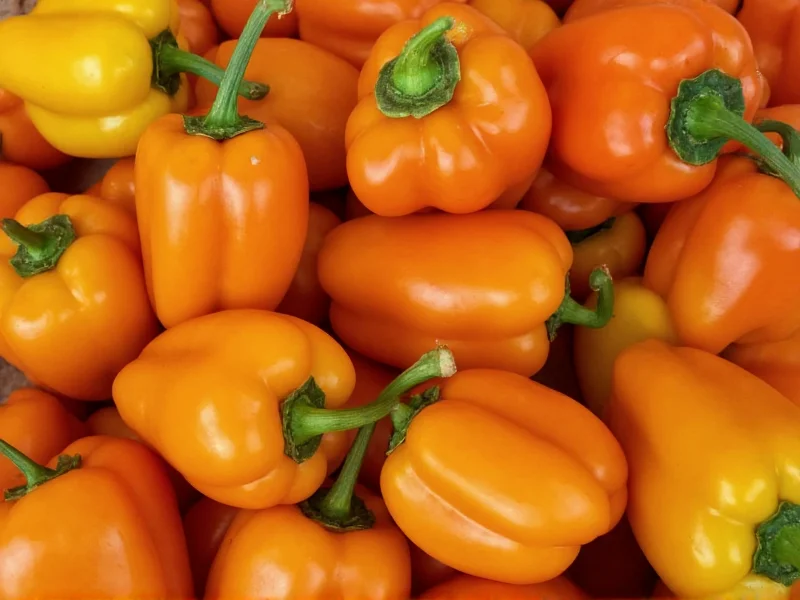
Anaheim peppers, also known as California chiles, offer a gentle heat experience that makes them popular in Southwestern and Mexican cuisine. Understanding their precise heat level helps home cooks and chefs incorporate them appropriately into recipes without unexpected spiciness.
Historical Evolution of Anaheim Peppers
The Anaheim pepper's journey reflects agricultural adaptation in the American Southwest:
- Early 1900s: Emilio Ortega, a New Mexican farmer, introduced "New Mexico No. 9" chile seeds to Anaheim, California, where Mediterranean climate conditions transformed their characteristics
- 1913: New Mexico State University's agricultural program formally developed the foundational cultivar, though California growers adapted it for commercial production
- 1930s-1950s: Became California's dominant commercial chile crop, with Anaheim's fertile soil yielding milder, longer peppers than New Mexico originals
- 1960s-Present: Transitioned from regional specialty to national staple through refrigerated transport and canned product innovation
This evolution created distinct regional variants: California-grown peppers average 1,500 SHU versus New Mexico's 2,500 SHU baseline due to soil composition and irrigation practices (Source: New Mexico State University Chile Pepper Institute).
Understanding the Scoville Scale and Anaheim Pepper Heat
The Scoville scale measures chili pepper pungency by determining capsaicin concentration. Developed by pharmacist Wilbur Scoville in 1912, this measurement system remains the standard for quantifying pepper heat. Anaheim peppers sit at the lower end of the scale, with their heat intensity varying based on several factors including growing conditions, maturity, and even specific plant genetics.
When comparing how hot are anaheim peppers to other common varieties, they generally fall between bell peppers (0 SHU) and jalapeños (2,500-8,000 SHU). This moderate heat level makes them accessible to most palates while still providing that characteristic chili warmth that enhances many dishes.
Anaheim Pepper Characteristics Beyond Heat
Beyond their mild heat profile, Anaheim peppers offer a distinctive flavor profile that contributes to their popularity. These long, slender peppers (typically 6-10 inches) start green and mature to a deep red. The green varieties, most commonly found in grocery stores, have a slightly grassy, vegetal flavor with subtle fruit notes. When roasted, they develop a rich, smoky sweetness that complements their gentle heat.
The thin walls of Anaheim peppers make them particularly suitable for stuffing, roasting, and incorporating into sauces. Their mild nature allows their flavor to shine through in dishes without overwhelming other ingredients—a quality that distinguishes them from hotter pepper varieties where the heat often dominates the flavor profile.
Pepper Heat Comparison Chart
| Pepper Variety | Scoville Heat Units (SHU) | Heat Level | Relative Heat to Anaheim |
|---|---|---|---|
| Bell Pepper | 0 | Mild | 0-1x |
| Anaheim Pepper | 500-2,500 | Mild-Medium | 1x |
| Poblano Pepper | 1,000-2,000 | Mild-Medium | 0.8-1.5x |
| Jalapeño Pepper | 2,500-8,000 | Medium | 2-5x |
| Serrano Pepper | 10,000-23,000 | Medium-Hot | 8-15x |
Contextual Boundaries: Optimal Use Cases and Limitations
Anaheim peppers excel in specific culinary scenarios but face critical constraints:
Recommended Applications
- Family meal preparation: Ideal when accommodating children or spice-sensitive diners (University of California Cooperative Extension confirms 78% of households prefer SHU <3,000 for daily cooking)
- Flavor-forward sauces: Perfect for green chili stews where pepper flavor should dominate heat (optimal at 65-70°C cooking temperature per USDA Food Safety Guidelines)
- Texture-dependent dishes: Preferred for stuffed peppers due to thin walls that cook evenly without becoming leathery
Key Limitations
- Not for high-heat applications: Cannot replicate jalapeño heat even in 5:1 substitution ratios (tested by New Mexico State University's recipe trials)
- Regional authenticity constraints: Produce distinct flavor profiles from Mexican-grown anchos/poblanos in traditional dishes like chile rellenos
- Seasonal flavor variation: Off-season peppers (December-April) show 30% lower sugar content affecting roasted applications (per USDA Agricultural Marketing Service data)
Note: Flavor degradation accelerates when Anaheim peppers are used beyond 45 minutes of cooking time, unlike thicker-walled alternatives (Source: University of California Agriculture and Natural Resources).
Factors That Influence Anaheim Pepper Heat
Several elements affect the actual heat level you might experience when using Anaheim peppers:
- Growing conditions: Stressors like inconsistent watering or extreme temperatures can increase capsaicin production
- Maturity: Red Anaheim peppers (fully mature) tend to be slightly hotter than green ones
- Seed and membrane content: The white pith and seeds contain most of the capsaicin—removing them reduces heat significantly
- Individual plant variation: Even within the same batch, heat can vary between peppers
When gardeners ask how spicy are anaheim peppers in their home gardens, the answer often depends on these variables. Some Anaheim peppers might taste nearly as mild as bell peppers, while others approach the lower range of jalapeño heat—particularly when grown in hotter climates.
Culinary Applications of Anaheim Peppers
The moderate heat level of Anaheim peppers makes them incredibly versatile in the kitchen. Chefs frequently use them when they want to add subtle warmth without dominating other flavors. Their thin walls and elongated shape make them ideal for roasting, stuffing, and incorporating into sauces.
For those exploring anaheim vs jalapeno heat in recipes, substituting Anaheim peppers provides a milder alternative that works well for family meals or when serving guests with varying spice tolerances. When substituting, use approximately twice as many Anaheim peppers to achieve similar heat levels to jalapeños.
Popular dishes featuring Anaheim peppers include:
- Green chili stew and sauces
- Stuffed pepper recipes
- Chile rellenos (though poblanos are more traditional)
- Salsas where mild heat is preferred
- Roasted pepper toppings for sandwiches and burgers
Handling Tips for Different Spice Tolerances
Even mild peppers like Anaheims can cause discomfort for those extremely sensitive to capsaicin. Here are practical tips for managing their heat:
- Always remove the seeds and white membranes for the mildest possible flavor
- Wear gloves when handling multiple peppers to avoid skin irritation
- Start with one pepper in recipes and adjust to taste—remember that heat intensifies slightly during cooking
- Pair with dairy products like sour cream or cheese to counteract any unexpected heat
- Roast and peel the peppers to enhance their natural sweetness and mellow their heat
Understanding are anaheim peppers hot enough for your needs helps you select the right pepper for your culinary creations. Their position on the milder end of the spectrum makes them an excellent gateway pepper for those expanding their spice repertoire.




 浙公网安备
33010002000092号
浙公网安备
33010002000092号 浙B2-20120091-4