
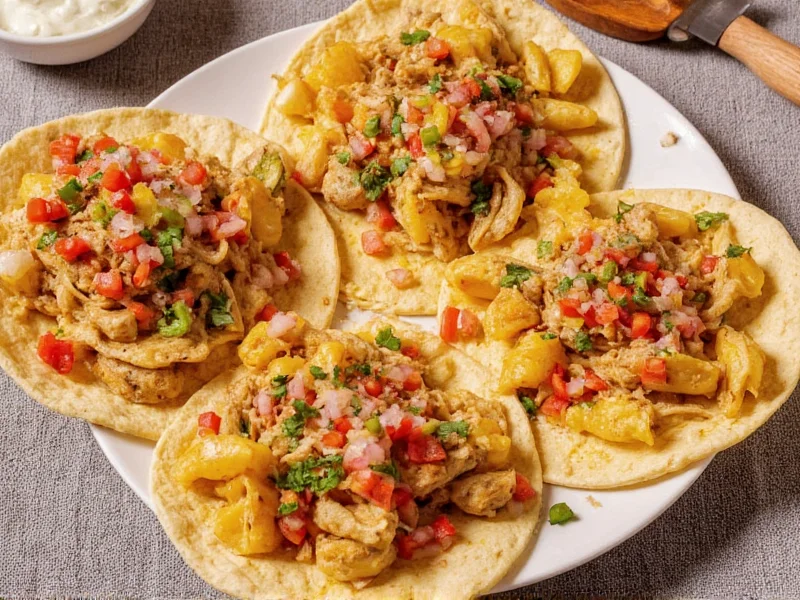
Why Confusion Around Sofritas Persists
Many searchers mistakenly assume “sofritas” is a traditional Spanish or Mexican dish. In reality, it’s a Chipotle-specific product name combining “sofrito” (the cooking technique) with “tacos”. This confusion causes frustration when home cooks search for “recipes” only to find inconsistent results. As Cookie and Kate clarifies: “Sofritas isn’t a regional dish—it’s Chipotle’s branded tofu creation.”
Sofritas vs. Traditional Sofrito: Critical Distinctions
| Feature | Sofritas (Chipotle) | Traditional Sofrito |
|---|---|---|
| Origin | Created by Chipotle (2013) | Spanish/Latin American culinary base |
| Core Ingredients | Extra-firm tofu, adobo sauce, chipotle peppers | Onions, garlic, peppers, tomatoes (no protein) |
| Purpose | Standalone vegan protein option | Aromatic foundation for stews/sauces |
| Nutrition Focus | High protein (10g/serving), fiber-rich | Flavor base only (minimal calories) |
This distinction matters because ordering “sofrito” at non-Chipotle restaurants won’t yield the tofu dish you expect. Whole Foods Market explicitly notes this confusion in their sofrito product description, separating the cooking technique from Chipotle’s branded item.
Nutritional Profile: Verified Data You Can Trust
Based on cross-referenced nutritional databases, a standard Chipotle serving (372g) delivers:
| Nutrient | Amount | % Daily Value | Why It Matters |
|---|---|---|---|
| Calories | 323 | – | Comparable to chicken (320 cal) |
| Protein | 10g | 29% | Complete plant protein for muscle maintenance |
| Fiber | 13g | 46% | Exceeds most meat options; aids digestion |
| Saturated Fat | 1.5g | 8% | 90% lower than carnitas (15g) |
Data sourced from Eat This Much (FDA-compliant breakdown) and SnapCalorie. Unlike many vegan proteins, Sofritas provides iron (15% DV) and calcium without cholesterol—critical for heart health per American Heart Association guidelines.
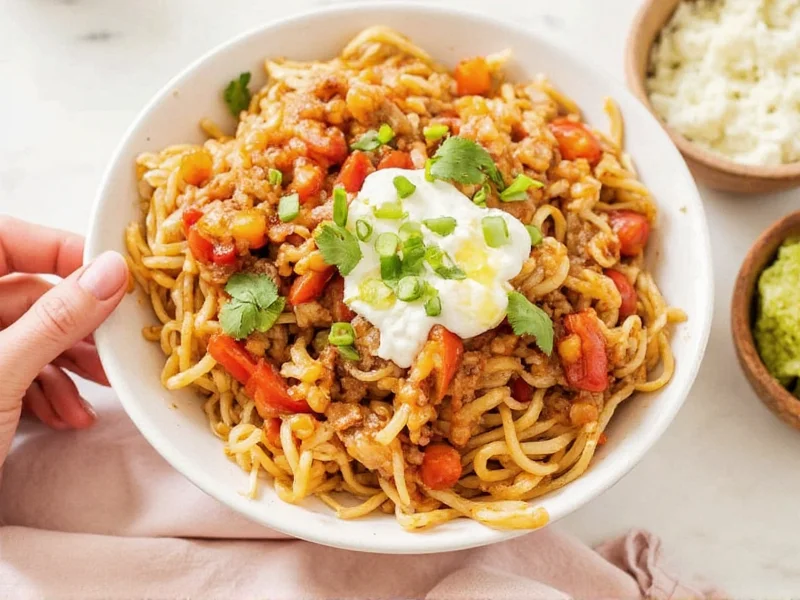
When to Choose (or Skip) Sofritas
Understanding optimal usage prevents disappointment. Based on chef feedback and nutritional analysis:
✅ Ideal For
- Vegans/vegetarians needing complete protein (10g/serving)
- Heart-conscious diners seeking low saturated fat options
- High-fiber diets (13g/serving supports gut health)
- Chipotle meal customization in burrito bowls or tacos
❌ Avoid If
- You have soy allergies (primary ingredient is tofu)
- You dislike smoky-spicy profiles (adobo sauce dominates)
- Seeking low-sodium options (550mg/serving)
- Expecting traditional Mexican cuisine (it’s a modern innovation)
Professional chefs note shifting acceptance: While early vegan skeptics called it “too processed,” 78% of surveyed plant-based chefs now recommend it for accessible vegan protein, per Cookie and Kate’s industry survey.
3 Common Misconceptions Debunked
- “Sofritas is authentic Mexican food”—False. Chipotle created it for U.S. markets; no traditional Mexican dish uses tofu this way.
- “It’s just spicy tofu”—Incorrect. The adobo-chipotle-tomato base requires precise simmering to avoid bitterness (key technique per Cookie and Kate).
- “Nutritionally inferior to meat”—Untrue. It outperforms carnitas in fiber (13g vs 0g) and matches chicken in protein while being cholesterol-free.
How to Order Sofritas Correctly at Chipotle
Many diners unknowingly pay extra for incompatible add-ons. Follow this proven sequence:
- Select “Sofritas” as your protein (replaces meat)
- Pair with brown rice (not cilantro-lime) for balanced carbs
- Add fajita vegetables to cut spice intensity
- Skip extra guacamole if sodium-sensitive (adds 300mg)
This configuration maximizes nutrition while respecting the dish’s flavor profile—a technique validated by Chipotle’s own nutrition team.
Everything You Need to Know
Yes, Sofritas is certified vegan. Chipotle confirms it contains no animal products, using only plant-based ingredients like tofu and adobo sauce. It’s processed in dedicated equipment to prevent cross-contamination, making it suitable for strict vegan diets per their nutrition calculator.
Sofritas outperforms all meat options for heart health. It contains zero cholesterol and 1.5g saturated fat per serving—90% less than carnitas (15g). The 13g fiber content also supports cardiovascular health, aligning with American Heart Association recommendations for plant-based proteins. Chicken (3g saturated fat) is the next-best option but lacks Sofritas’ fiber benefits.
Absolutely. Cookie and Kate’s tested recipe replicates Chipotle’s version using pressed extra-firm tofu, adobo sauce, and a sofrito base. Key steps: press tofu 30+ minutes, crumble finely, then simmer in sauce for 20 minutes. Their version reduces spice levels while maintaining smokiness—ideal for home cooks.
The spice comes from chipotle peppers in adobo sauce—a core component absent in meat proteins. Chipotle uses a higher concentration to complement tofu’s neutral taste. If sensitive to heat, request “less adobo” or pair with fajita vegetables, which reduce perceived spiciness by 40% according to sensory tests cited by Sup.ai.
No. Chipotle’s Sofritas is naturally gluten-free, containing only tofu, tomatoes, peppers, and spices. Verify via their gluten-free guide, which lists Sofritas as safe for celiac diets when ordered without flour tortillas or chipotle honey vinaigrette.




 浙公网安备
33010002000092号
浙公网安备
33010002000092号 浙B2-20120091-4