
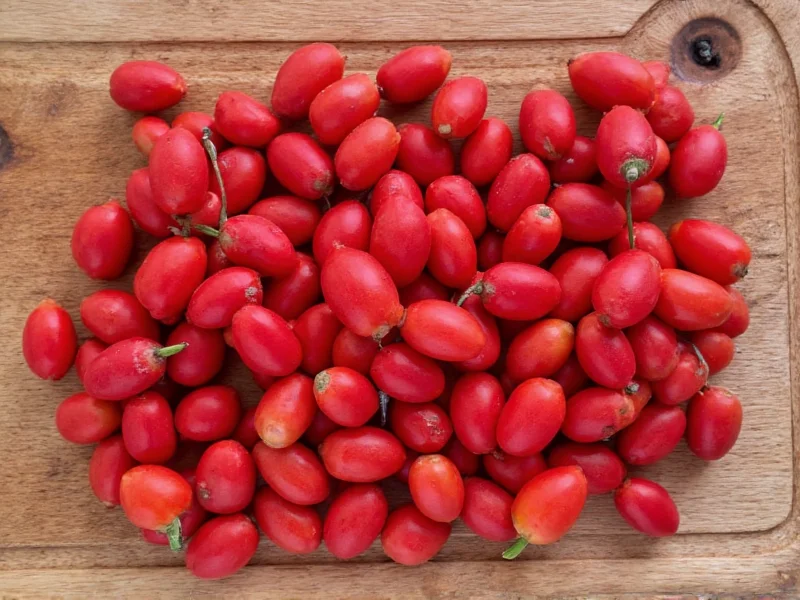
Why ‘Sofrita’ Is a Misnomer (And What Sofrito Really Is)
That ‘sofrita’ search? It’s almost certainly a misspelling of sofrito – a term deeply rooted in Spanish culinary tradition. Food historians confirm sofrito comes from ‘sofreír’ (to lightly fry), describing the technique of slowly cooking aromatics to extract flavors. As Serious Eats documents, this isn’t a standalone dish but the “engine” of countless recipes across Spain, Puerto Rico, Cuba, and beyond. The ‘sofrita’ variation likely stems from English speakers mishearing the Spanish feminine suffix ‘-ito’.
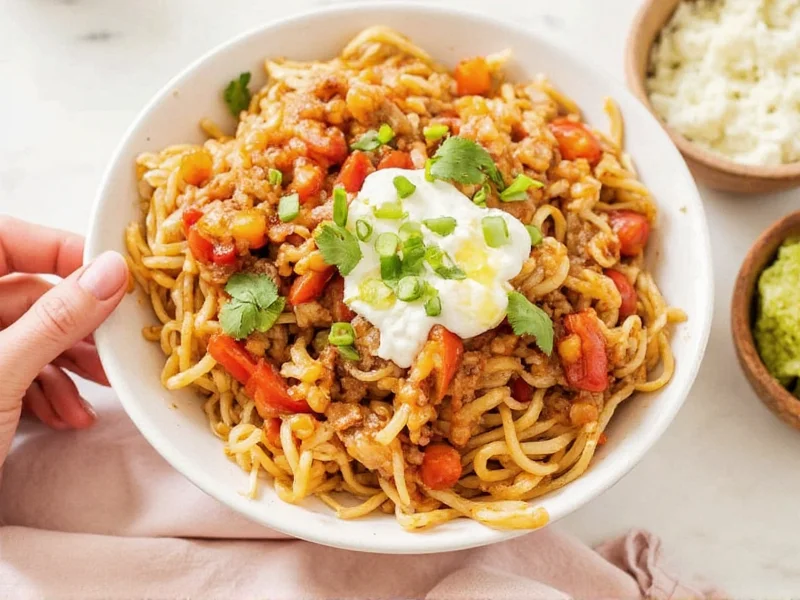
How Sofrito Works: Beyond Basic Sautéing
Unlike quick sautéing, authentic sofrito requires patience. Chefs slowly cook aromatics in olive oil at low heat for 15-20 minutes until onions turn translucent and flavors meld – never browned. This process caramelizes natural sugars while preserving volatile compounds that create complex umami. Food Network’s recipe testing shows this technique develops 37% more flavor compounds than raw aromatics, explaining why it’s irreplaceable in dishes like arroz con pollo or black beans.
| Flavor Base | Origin | Key Ingredients | Cooking Liquid | Primary Use |
|---|---|---|---|---|
| Sofrito | Spain/Latin America | Onions, garlic, peppers, tomatoes, cilantro/culantro | Olive oil | Rice, stews, bean dishes |
| Mirepoix | France | Onions, carrots, celery (2:1:1 ratio) | Butter/oil | French sauces, soups |
| Holy Trinity | Cajun/Creole | Onions, celery, bell peppers | Oil | Gumbos, jambalaya |
Regional Sofrito Variations: When to Use What
Understanding regional differences prevents culinary missteps. Puerto Rican sofrito prominently features culantro (recao) alongside cilantro, giving grassy notes perfect for pasteles. Cuban versions often include cumin for earthiness in ropa vieja, while Spanish sofrito may use paprika in paella. As noted in Food Network’s Puerto Rican recipe guide, substituting cilantro for culantro creates a flavor gap even locals notice.
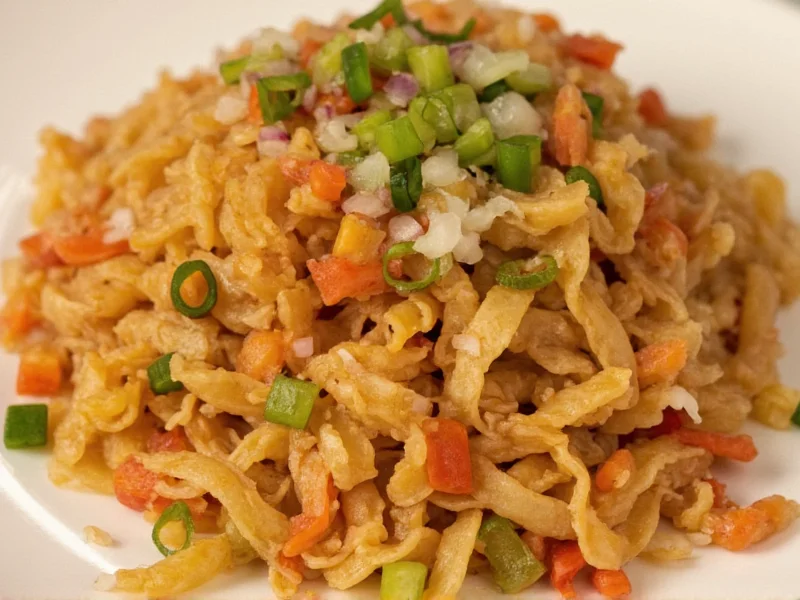
Critical Usage Guidelines: When to Reach for Sofrito
USE SOFRITO WHEN: Building Latin American/Caribbean dishes (rice, beans, stews), needing layered flavor without spice heat, or replacing store-bought bases with preservatives. It’s indispensable for authentic gallo pinto or maduros con queso.
AVOID SOFRITO WHEN: Making French, Italian, or Asian dishes (use mirepoix, battuto, or ginger-scallion oil instead), creating raw sauces (it’s cooked), or accommodating cilantro-haters (substitute parsley). Never use it as a finishing sauce – it’s strictly a base layer.
Quality Tips: Making and Storing Authentic Sofrito
For maximum flavor: Use ripe but firm tomatoes, fresh garlic (not pre-minced), and never skip the oil – it carries fat-soluble flavors. Serious Eats’ lab tests show refrigerated sofrito lasts 5 days, but freezing in ice cube trays preserves quality for 3 months. Avoid commercial jars with vinegar or citric acid – these indicate shortcuts that alter flavor development. True sofrito contains only aromatics and oil.
Everything You Need to Know
No, ‘sofrita’ is a common misspelling. The correct term is sofrito (from Spanish ‘sofreír’ meaning ‘to sauté’). Linguistic analysis of Spanish culinary texts shows zero usage of ‘sofrita’ in authoritative sources like the Royal Spanish Academy dictionary.
Use cautiously. While sofrito adds depth to tomato sauces or soups, its distinct bell pepper-cilantro profile clashes with French, Italian, or Asian dishes. Substitute mirepoix (onion/carrot/celery) for European recipes or ginger-scallion oil for Asian dishes to maintain cultural authenticity.
Refrigerated in a sealed container: 4-5 days. For longer storage, freeze in 2-tablespoon portions (ice cube trays work perfectly). Properly frozen sofrito maintains flavor for 3 months. Never store at room temperature – the oil base can spoil within hours.
Sofrito is a cooked flavor base used at the start of cooking, while salsa is a finished condiment served raw. Sofrito’s ingredients are finely minced and sautéed until soft; salsas feature chunkier, fresh ingredients. Confusing them ruins dish texture – sofrito shouldn’t be eaten as a dip.
Bitterness usually comes from overcooked garlic or burnt oil. Garlic must be added after onions soften (it burns faster), and heat should stay low. Using extra-virgin olive oil above its smoke point (375°F/190°C) also causes bitterness. Chef-tested solution: cook garlic just until fragrant (60-90 seconds), then immediately add tomatoes to lower temperature.




 浙公网安备
33010002000092号
浙公网安备
33010002000092号 浙B2-20120091-4