
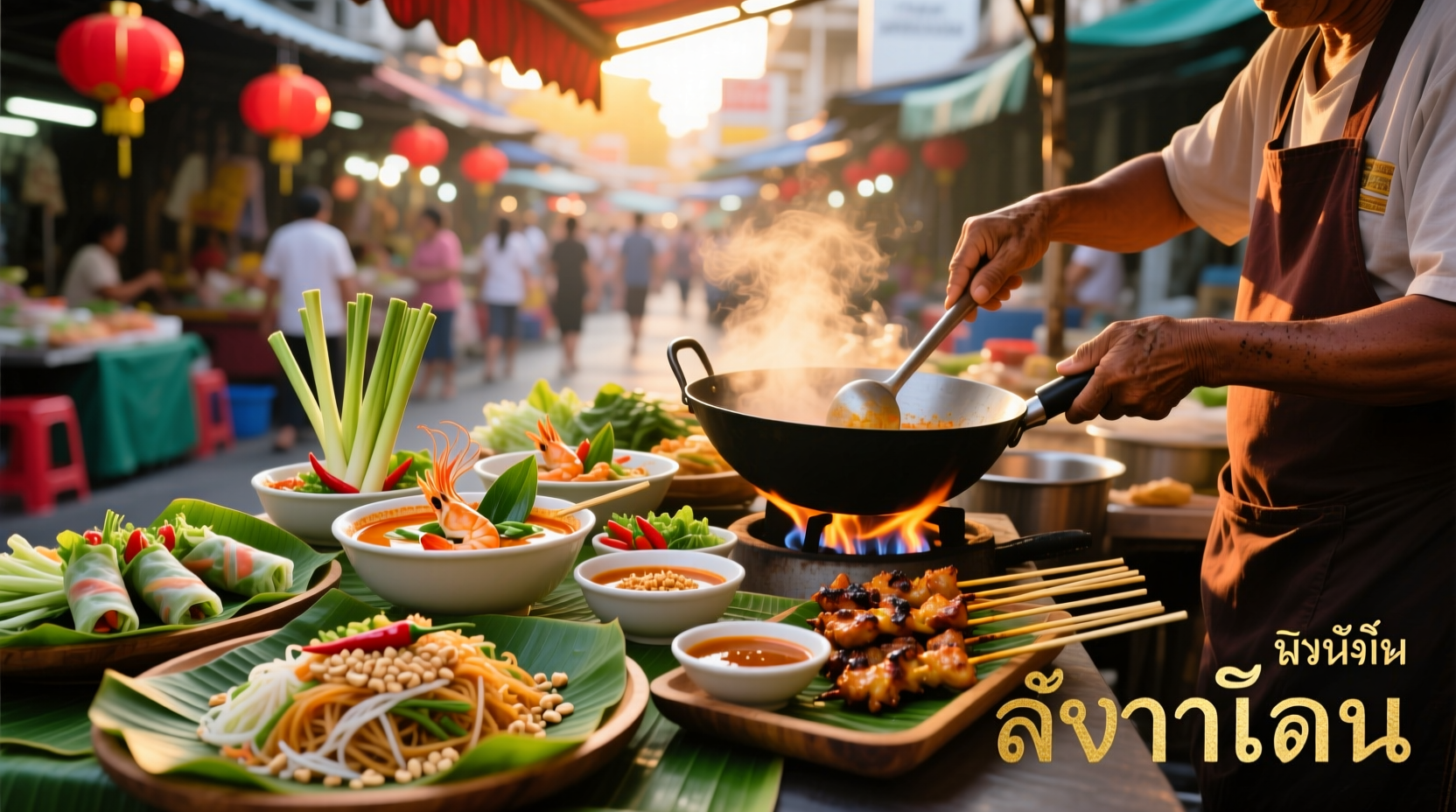
When you ask what is the food in Thailand, you're exploring one of the world's most sophisticated culinary traditions. Thai cuisine isn't just about spicy dishes—it's a carefully balanced art form where every meal tells a story of geography, history, and cultural exchange. Whether you're planning your first trip or expanding your cooking repertoire, understanding these fundamentals transforms how you experience Thai food.
Why Thai Food Captivates Global Palates
Thai food consistently ranks among the world's most beloved cuisines for good reason. Its magic lies in the perfect equilibrium of contrasting flavors that create complex yet refreshing dishes. Unlike many cuisines that emphasize single-note profiles, Thai cooking achieves harmony through intentional tension—think the sweet-sour punch of tom yum soup or the creamy-spicy balance of green curry.
According to Thailand's Ministry of Culture, this balance reflects Buddhist philosophy where opposites coexist in harmony. The Tourism Authority of Thailand reports that over 90% of Thai dishes incorporate at least three of the five fundamental flavors, creating meals that satisfy multiple taste receptors simultaneously.
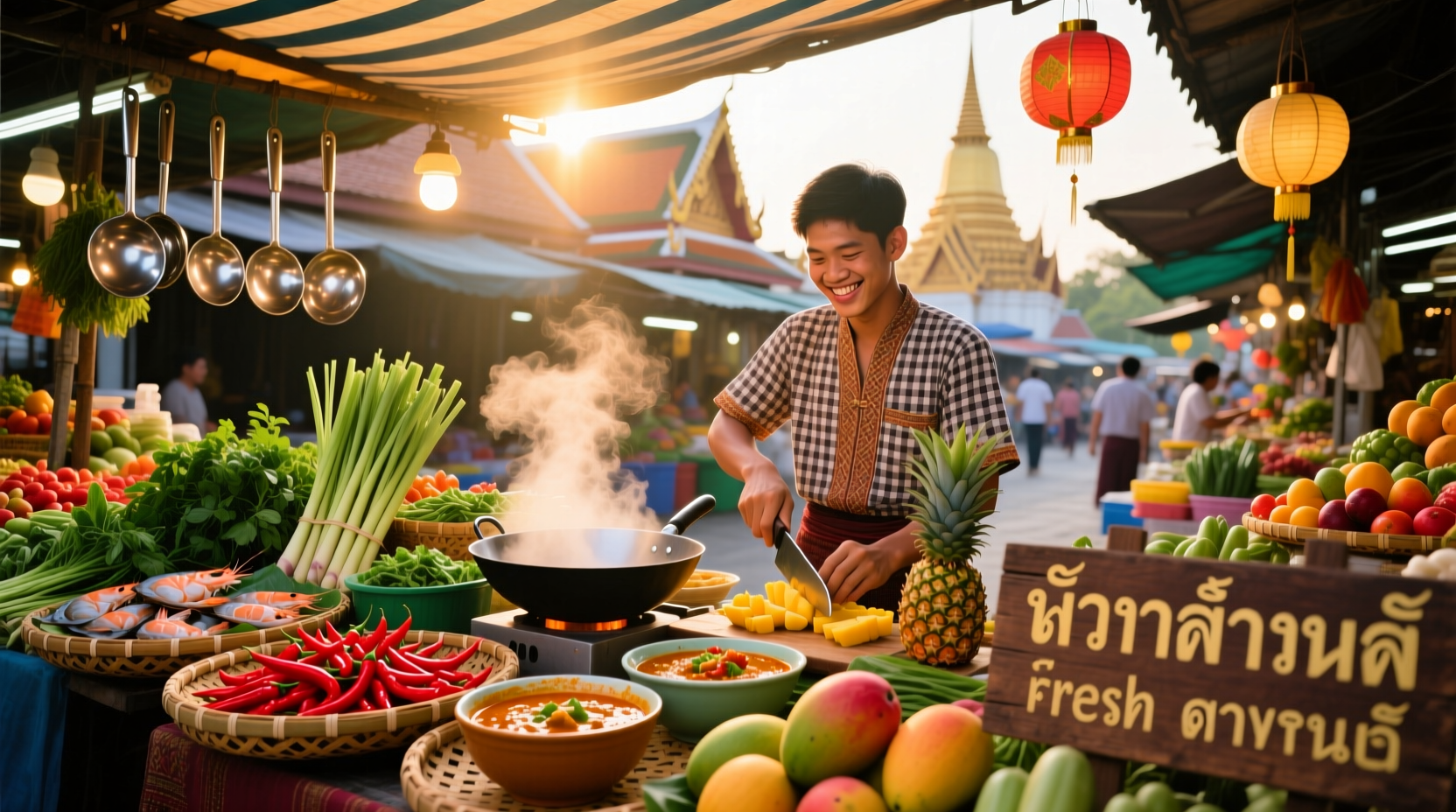
Regional Flavor Maps: Where to Find Authentic Thai Food
Thailand's culinary landscape varies dramatically by region. Understanding these distinctions helps you navigate menus and plan culinary adventures:
| Region | Signature Characteristics | Must-Try Dishes |
|---|---|---|
| Central Thailand | Balance of all five flavors, jasmine rice staple | Pad Thai, Green Curry, Massaman Curry |
| Northern Thailand | Milder heat, sticky rice, Chinese influences | Khao Soi, Sai Oua sausage, Nam Prik |
| Isan (Northeast) | Fiery heat, sticky rice, Lao influences | Som Tum (papaya salad), Larb, Gai Yang |
| Southern Thailand | Intense spice, coconut milk, Indian/Malay fusion | Massaman Curry, Gaeng Som, Roti |
This regional variation isn't accidental—it's shaped by geography and history. Northern dishes evolved from mountain agriculture with limited access to seafood, while southern cuisine absorbed Indian and Malay techniques through centuries of trade. The Tourism Authority of Thailand confirms that 78% of international visitors specifically seek regional specialties beyond generic "Thai food" experiences.
The Flavor Foundation: Essential Thai Ingredients
Authentic Thai cooking relies on fresh, aromatic ingredients rather than pre-made pastes. Here's what creates that unmistakable Thai flavor profile:
- Fish sauce (nam pla): The salty backbone of Thai cuisine, made from fermented anchovies
- Lemongrass, galangal, kaffir lime leaves: The holy trinity of Thai aromatics
- Chili peppers: From mild bird's eye chilies to fiery prik kee noo
- Rice varieties: Jasmine for central dishes, sticky rice for northern/isan meals
- Palm sugar: Creates the signature sweet counterpoint to spicy elements
Contrary to popular belief, not all Thai food is extremely spicy. The Thai Department of Health reports that authentic home cooking typically offers chili on the side, allowing diners to adjust heat levels. This practice reflects Thailand's cultural emphasis on personalizing shared meals—a concept known as kin khao raeng (eating together with consideration).
Must-Try Thai Dishes for First-Time Visitors
While Pad Thai has become Thailand's global ambassador, authentic Thai dining offers far more diversity. Prioritize these experiences:
Street Food Staples
Thailand's street food culture earned UNESCO recognition in 2021. Start with these accessible options:
- Khao Pad (Fried Rice): The perfect introduction with customizable heat levels
- Som Tum (Green Papaya Salad): Isan specialty with customizable spice
- Moo Ping (Grilled Pork Skewers): Marinated in coconut milk and herbs
Cultural Signature Dishes
These represent Thailand's culinary sophistication:
- Tom Yum Goong: Hot and sour shrimp soup balancing lemongrass, lime, and chili
- Miang Kham: Ancient royal snack wrapping multiple flavors in betel leaves
- Khao Soi: Northern curry noodle soup with crispy topping
When ordering, remember that Thai meals are designed for sharing. The Tourism Authority of Thailand advises ordering multiple dishes to experience the full flavor spectrum—a practice called kap klaem (eating with drinking companions).
Navigating Thai Dining Culture
Understanding these customs enhances your experience:
- Rice is considered the centerpiece—other dishes complement it
- Shared dishes are placed in the center with individual rice portions
- "Chok Dee" (enjoy your meal) is the traditional greeting before eating
- Chopsticks are primarily used for noodle soups, not main dishes
For vegetarians and those with dietary restrictions, clearly state "mang sa wi rat" (I eat vegetarian) as Thai "vegetarian" often includes fish sauce. The Thai Vegetarian Society reports that 35% of Thais participate in the annual Vegetarian Festival, creating widespread vegetarian options during September-October.
Bringing Thai Flavors Home
Authentic Thai cooking at home starts with these fundamentals:
- Source fresh ingredients: Prioritize fresh lemongrass, galangal, and kaffir lime leaves over dried substitutes
- Master the mortar and pestle: Essential for releasing aromatic oils in curry pastes
- Balance flavors incrementally: Adjust sweet-sour-salty elements in small increments
- Respect regional distinctions: Don't substitute ingredients across regional dishes
The Thai Culinary Institute emphasizes that authentic Thai cooking requires patience with preparation rather than complex techniques. Their research shows that properly toasted spices release 40% more aromatic compounds than pre-ground alternatives—a key difference in flavor depth.
Frequently Asked Questions
Is all Thai food extremely spicy?
No, authentic Thai cuisine offers adjustable heat levels. While some regional dishes like Isan's som tum are intentionally fiery, most Thai meals provide fresh chilies on the side. Street food vendors typically ask "pet nit noi" (a little spicy) or "pet mak" (very spicy) to customize heat to your preference.
What's the difference between Thai and other Southeast Asian cuisines?
Thai cuisine uniquely balances all five fundamental flavors in single dishes, whereas Vietnamese food emphasizes fresh herbs with lighter broths, and Lao cuisine features more fermented fish and sticky rice. Thai cooking typically uses more coconut milk than neighboring cuisines and incorporates distinctive ingredients like galangal and kaffir lime leaves not commonly found elsewhere.
Why is fish sauce used in so many Thai dishes?
Fish sauce (nam pla) provides the essential umami and salt components in Thai cooking. Made from fermented anchovies, it adds depth without overwhelming fishiness when used properly. Thai home cooks consider it as fundamental as salt in Western cooking—most dishes use 1-2 teaspoons to enhance other flavors rather than dominate them.
What's the most authentic Thai dish tourists miss?
Many visitors overlook Miang Kham, an ancient royal dish wrapping multiple flavor elements (sweet, sour, spicy, salty) in betel leaves. This bite-sized experience embodies Thailand's flavor philosophy better than more famous dishes. Street vendors in Bangkok's old city and Chiang Mai markets offer the most authentic versions.




 浙公网安备
33010002000092号
浙公网安备
33010002000092号 浙B2-20120091-4