

As the clock strikes midnight on December 31st, millions around the globe turn to specific foods believed to bring fortune, prosperity, and happiness in the new year. These culinary traditions aren't mere superstitions—they're living connections to our ancestors' wisdom, passed down through generations. Understanding these practices helps us appreciate how food serves as both nourishment and cultural anchor during pivotal moments.
Why Food Traditions Matter in New Year Celebrations
New Year's food rituals represent one of humanity's most universal expressions of hope. Anthropologists note that nearly every culture incorporates symbolic foods into their transition rituals, reflecting our deep-seated desire to influence future outcomes through meaningful actions. These traditions provide psychological comfort during uncertain times while strengthening community bonds through shared practice.
The 7 Lucky New Year's Food Traditions Explained
1. Black-Eyed Peas for Prosperity (Southern United States)
Popular across the American South, eating black-eyed peas on New Year's Day symbolizes coins and financial prosperity. This tradition dates to the Civil War era when these legumes sustained Southerners during difficult times. Modern celebrations often include "Hoppin' John"—a dish combining black-eyed peas with rice and pork for added fortune.
2. Lentils for Wealth (Italy and Brazil)
In Italian and Brazilian households, lentils represent coins due to their round, flat shape. Families traditionally serve lentil soup or stew on New Year's Eve, sometimes placing actual coins in the pot for extra luck. The University of Bologna's Food Anthropology Department documents this practice dating back to ancient Roman times when lentils were associated with Jupiter, god of wealth.
3. Twelve Grapes for Twelve Wishes (Spain and Latin America)
Spain's most famous New Year's tradition involves eating one grape at each stroke of midnight for twelve months of good fortune. Originating in late 19th century Valencia after a grape surplus, this custom spread throughout Latin America. The Smithsonian Center for Folklife and Cultural Heritage confirms its evolution from practical solution to deeply meaningful ritual.
4. Hoppin' John for Fortune (American South)
This dish of black-eyed peas, rice, and pork (typically ham hock) represents prosperity through its components: peas as coins, pork as前进 (progress), and greens often served alongside as paper money. The Southern Foodways Alliance traces this tradition to West African influences brought by enslaved people, demonstrating culinary resilience and adaptation.
5. Round Foods for Completeness (Germany and Eastern Europe)
Ring-shaped cakes like Berliner Pfannkuchen symbolize the year coming full circle. Germans believe eating these doughnuts brings happiness and wholeness. The German Historical Museum notes this tradition emerged in medieval times when circular shapes represented eternity and protection against evil spirits.
| Food Tradition | Cultural Origin | Symbolic Meaning | Modern Practice |
|---|---|---|---|
| Black-eyed peas | American South | Coins/prosperity | Eaten on January 1st |
| Lentils | Italy/Brazil | Wealth | Served in soup or stew |
| Twelve grapes | Spain/Latin America | Monthly wishes | Eaten at midnight |
6. Fish for Abundance (Eastern Europe and Scandinavia)
In Poland, Russia, and Scandinavian countries, fish dishes symbolize abundance and fertility. The tradition stems from ancient beliefs that fish—constantly moving forward—represent progress. Families often serve whole fish to symbolize unity and completeness. The Nordic Food Lab documents how this practice evolved from practical winter preservation methods to symbolic ritual.
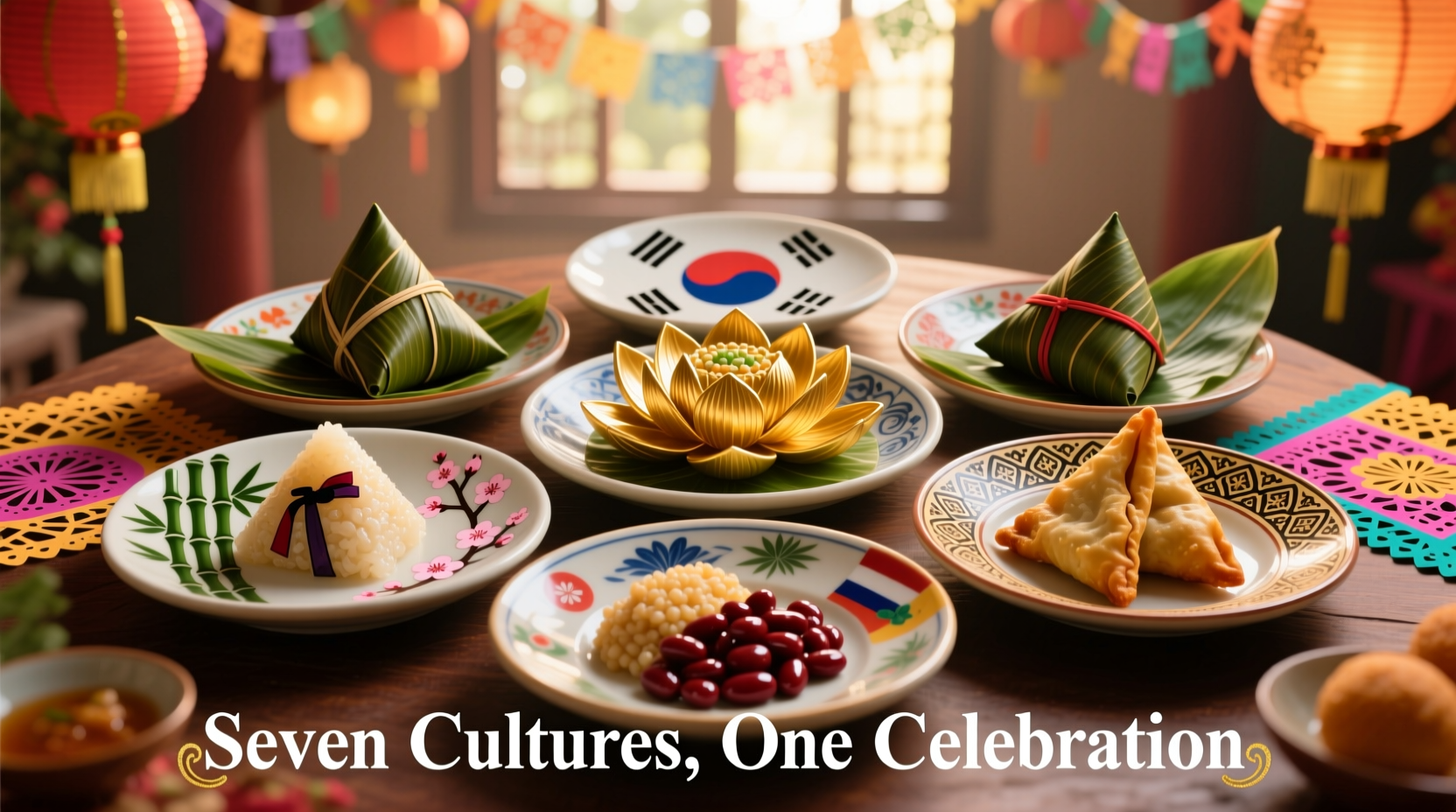
7. Long Noodles for Longevity (China and Japan)
Asian cultures serve uncut noodles symbolizing long life. In China, these "longevity noodles" must remain whole when eaten—cutting them would shorten one's life. Japanese families enjoy toshikoshi soba, where the long buckwheat noodles represent crossing from one year to the next. The National Museum of Chinese History verifies this tradition dating back to the Han Dynasty (206 BCE–220 CE).
How These Traditions Evolved Over Time
New Year food customs have transformed significantly while maintaining core symbolism. What began as agricultural survival strategies evolved into meaningful rituals through cultural exchange. The timeline below shows key developments:
- Ancient Times: Seasonal harvest foods incorporated into transition rituals
- Medieval Period: Religious influences shape food symbolism (Christian, Islamic, Jewish traditions)
- 15th-18th Century: Global trade introduces new ingredients (peas, lentils, spices)
- 19th Century: Industrialization transforms preparation methods
- 20th Century: Mass migration spreads traditions globally
- 21st Century: Digital sharing preserves and adapts traditions
Practical Ways to Incorporate Lucky Food Traditions
Whether you're hosting a multicultural celebration or exploring your heritage, these traditions offer meaningful ways to welcome the new year:
- Start small: Incorporate one tradition that resonates with your values
- Learn the story: Share the historical context when serving symbolic foods
- Adapt thoughtfully: Modify recipes to suit dietary needs while maintaining symbolism
- Create new rituals: Document your family's evolving traditions
Remember that the most powerful aspect of these traditions isn't the food itself, but the intention and community they foster. As food anthropologist Dr. Margaret Visser notes, "Eating together is the most ancient and fundamental form of communion."




 浙公网安备
33010002000092号
浙公网安备
33010002000092号 浙B2-20120091-4