
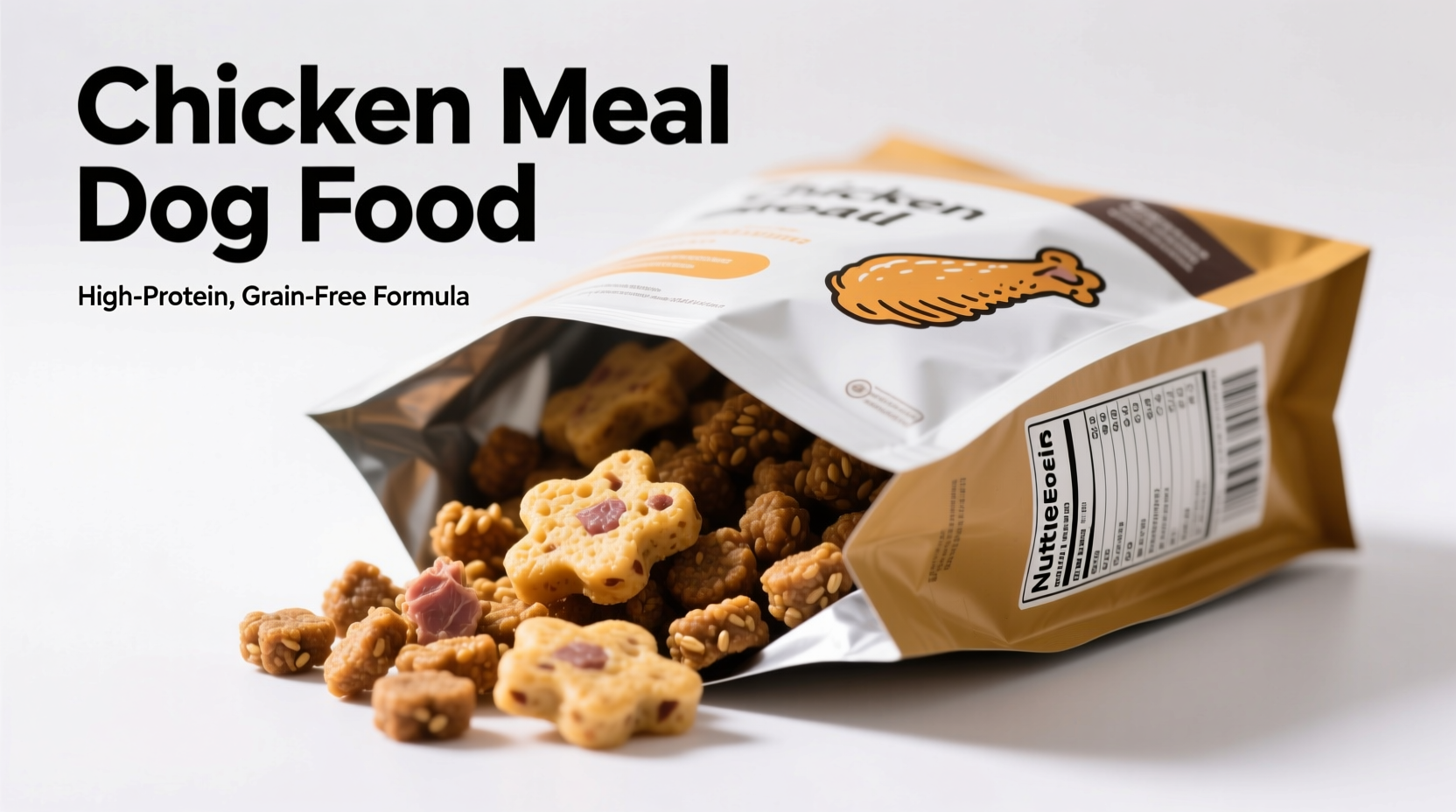
Understanding Chicken Meal: More Than Just Dehydrated Chicken
When you see "chicken meal" on your dog food label, you're looking at one of the most efficient protein sources in pet nutrition. Unlike the misleading term might suggest, chicken meal isn't scraps or low-quality leftovers—it's a carefully processed ingredient designed to deliver maximum nutritional value in minimal volume.
According to the Association of American Feed Control Officials (AAFCO), chicken meal must contain "clean flesh and skin with or without accompanying bone, derived from the parts of whole chickens" that have been dried and ground. This precise definition ensures consistency across pet food manufacturers.
How Chicken Meal Is Made: The Rendering Process
The production of chicken meal follows a controlled rendering process that transforms raw chicken materials into a stable, nutrient-rich ingredient:
- Collection: Chicken parts (muscle, skin, and bone) are collected from USDA-inspected facilities
- Cooking: Materials are cooked at controlled temperatures (typically 240-280°F) for several hours
- Separation: Fat and moisture are removed through centrifugation
- Grinding: The remaining concentrated protein is ground into a fine powder
- Quality Control: Final product is tested for protein content, moisture, and contaminants
This process isn't about using "waste" products—it's a scientifically designed method to create a stable, highly digestible protein source. The rendering process actually preserves nutrients that might degrade in fresh meat during storage and transportation.
| Characteristic | Whole Chicken | Chicken Meal |
|---|---|---|
| Moisture Content | 60-75% | 5-10% |
| Protein Content | 18-20% | 65-70% |
| Fat Content | 5-13% | 10-12% |
| Calcium Content | Trace | 8-10% (with bone) |
| Shelf Stability | Short (requires refrigeration) | Long (stable at room temperature) |
Why Chicken Meal Outperforms Whole Chicken in Dog Food
Many pet owners mistakenly believe whole chicken is superior to chicken meal, but the reality is more nuanced. Chicken meal offers several distinct advantages:
- Concentrated Nutrition: With moisture removed, chicken meal delivers significantly more protein per pound than fresh chicken
- Consistent Quality: The standardized production process ensures consistent protein levels, unlike fresh chicken which varies by cut and preparation
- Improved Digestibility: Studies published in the Journal of Animal Science show chicken meal has 92% digestibility compared to 85% for fresh chicken
- Balanced Calcium: When bone is included (as in "chicken meal" vs. "chicken by-product meal"), it provides natural calcium without artificial supplementation
- Reduced Allergen Risk: The cooking process denatures certain proteins that might trigger sensitivities in some dogs
Quality Indicators: What to Look for on Labels
Not all chicken meals are created equal. Here's how to identify high-quality chicken meal in dog food:
- Specific Naming: "Chicken meal" is better than vague terms like "meat meal" or "animal meal"
- Position in Ingredients: When listed among the first 3-5 ingredients, it indicates substantial protein content
- Avoid By-Product Meals: "Chicken by-product meal" may contain less desirable parts like heads, feet, and intestines
- Protein Content: High-quality chicken meal should contain at least 65% protein
- Certifications: Look for products made with ingredients from USDA-inspected facilities
The U.S. Food and Drug Administration requires that all animal ingredients used in pet food come from facilities inspected for human consumption. This means the chicken used for meal must meet the same safety standards as chicken sold for people.
Addressing Common Misconceptions
Several myths persist about chicken meal in dog food. Let's examine the facts:
Myth: Chicken meal contains feathers, beaks, and other undesirable parts
Fact: AAFCO standards prohibit the inclusion of non-edible parts. Chicken meal consists only of muscle, skin, and bone from USDA-inspected facilities.
Myth: Chicken meal is just cheap filler
Fact: Chicken meal is actually more expensive to produce than many alternative protein sources due to the rendering process and quality control requirements.
Myth: Fresh chicken is always better than chicken meal
Fact: In pet food formulations, fresh chicken's high water content means it contributes less actual protein than chicken meal. A food listing "chicken" first may contain less protein than one listing "chicken meal" second.
When Chicken Meal Might Not Be Ideal
While chicken meal works well for most dogs, certain situations might warrant alternatives:
- Severe Chicken Allergies: Dogs with confirmed chicken allergies may react to chicken meal, though the rendering process sometimes reduces allergenicity
- Raw Food Diets: Chicken meal doesn't fit raw feeding philosophies, though it's important to note raw diets carry their own risks
- Specific Medical Conditions: Dogs with certain kidney conditions may require carefully controlled protein sources under veterinary guidance
According to veterinary nutritionists at American College of Veterinary Nutrition, most dogs thrive on diets containing chicken meal when it's part of a balanced formulation. The key is ensuring the overall diet meets AAFCO nutrient profiles for your dog's life stage.
Making Informed Choices About Dog Food
When evaluating dog foods containing chicken meal, consider these practical steps:
- Read Beyond the First Ingredient: Don't just look at whether chicken or chicken meal appears first—examine the entire ingredient list
- Check Protein Sources: Look for multiple quality protein sources rather than relying on just one
- Research the Manufacturer: Reputable companies provide detailed information about their ingredient sourcing
- Consult Your Veterinarian: For dogs with specific health concerns, get professional advice on protein sources
- Monitor Your Dog: The best test is how your individual dog responds to the food over time
Remember that chicken meal is just one component of a complete diet. The overall nutritional balance, digestibility, and your dog's individual response matter more than any single ingredient.




 浙公网安备
33010002000092号
浙公网安备
33010002000092号 浙B2-20120091-4