
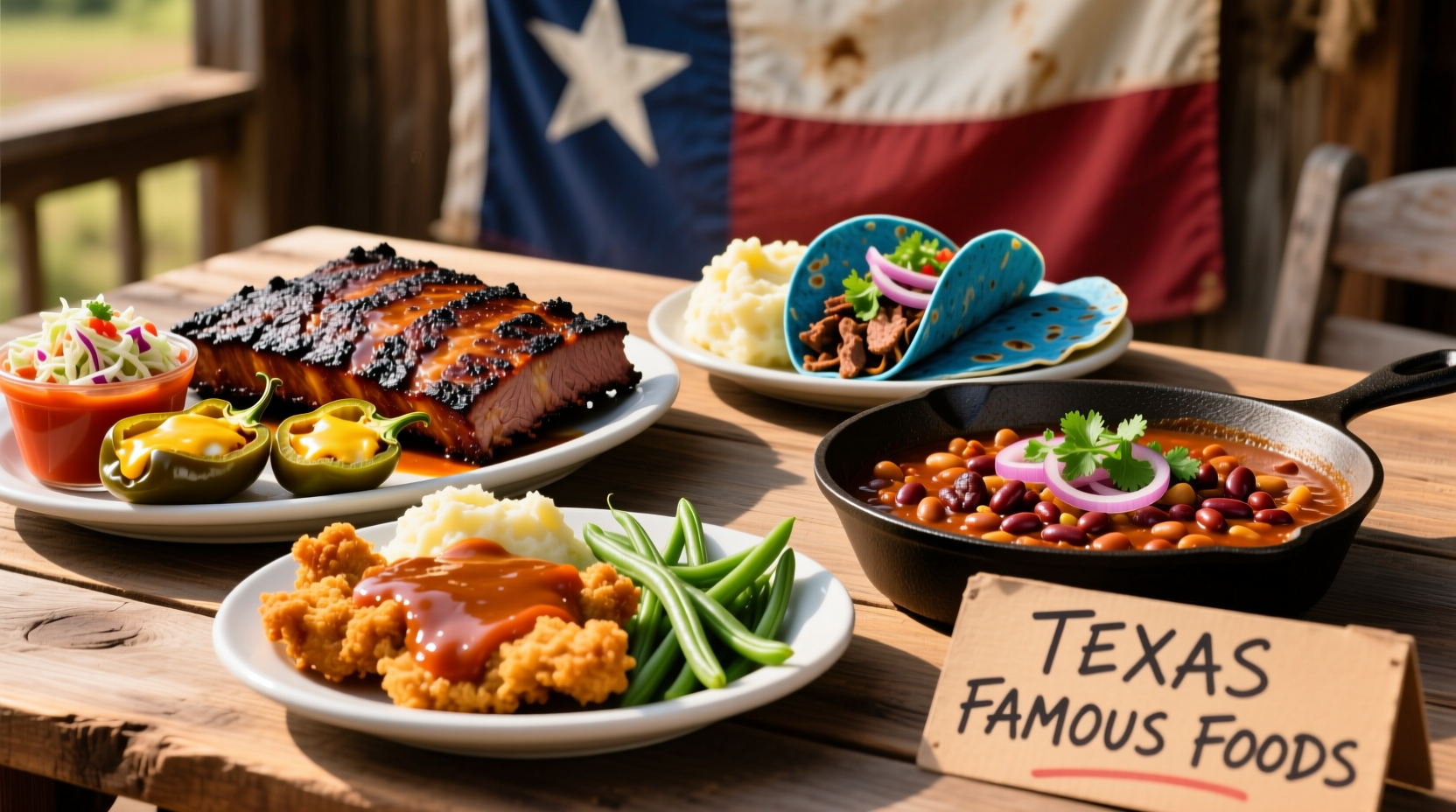
When travelers ask what foods is Texas famous for, they're seeking more than just a menu list—they want to understand the cultural heartbeat of the Lone Star State. Forget generic food lists; this guide delivers exactly what makes Texas cuisine unique through verified culinary traditions, regional specialties, and where to experience authentic flavors. You'll discover why Texas barbecue differs from other styles, how chili became the state dish, and why kolaches appear on breakfast menus statewide.
Why Texas Food Culture Stands Apart
Texas cuisine isn't just about bold flavors—it's a living history book. German and Czech immigrants established Central Texas barbecue traditions in the 1800s, while Mexican influences created Tex-Mex staples. Unlike other regions, Texas food celebrates intentional simplicity: brisket smoked for 14 hours with only salt and pepper, or chili simmered without beans (a point of fierce local pride). This culinary identity earned recognition from the Texas State Historical Association, which documents how these dishes shaped community gatherings for generations.
The Big Three: Brisket, Chili, and Breakfast Tacos
No discussion of what food Texas is famous for starts without these icons:
- Central Texas Barbecue Brisket: Smoked over post oak for 12-18 hours, served with pickles and onions. Unlike Memphis or Carolina styles, Texas brisket focuses on meat quality over sauce.
- Chili Con Carne: Officially named Texas' state dish in 1977, this bean-free stew features coarsely ground beef, dried chilies, and cumin. The Texas State Library confirms its origins with Mexican vaqueros.
- Breakfast Tacos: Flour tortillas filled with barbacoa, migas, or potato-egg combos. A 2022 Texas Department of Agriculture survey found 92% of residents eat them weekly.
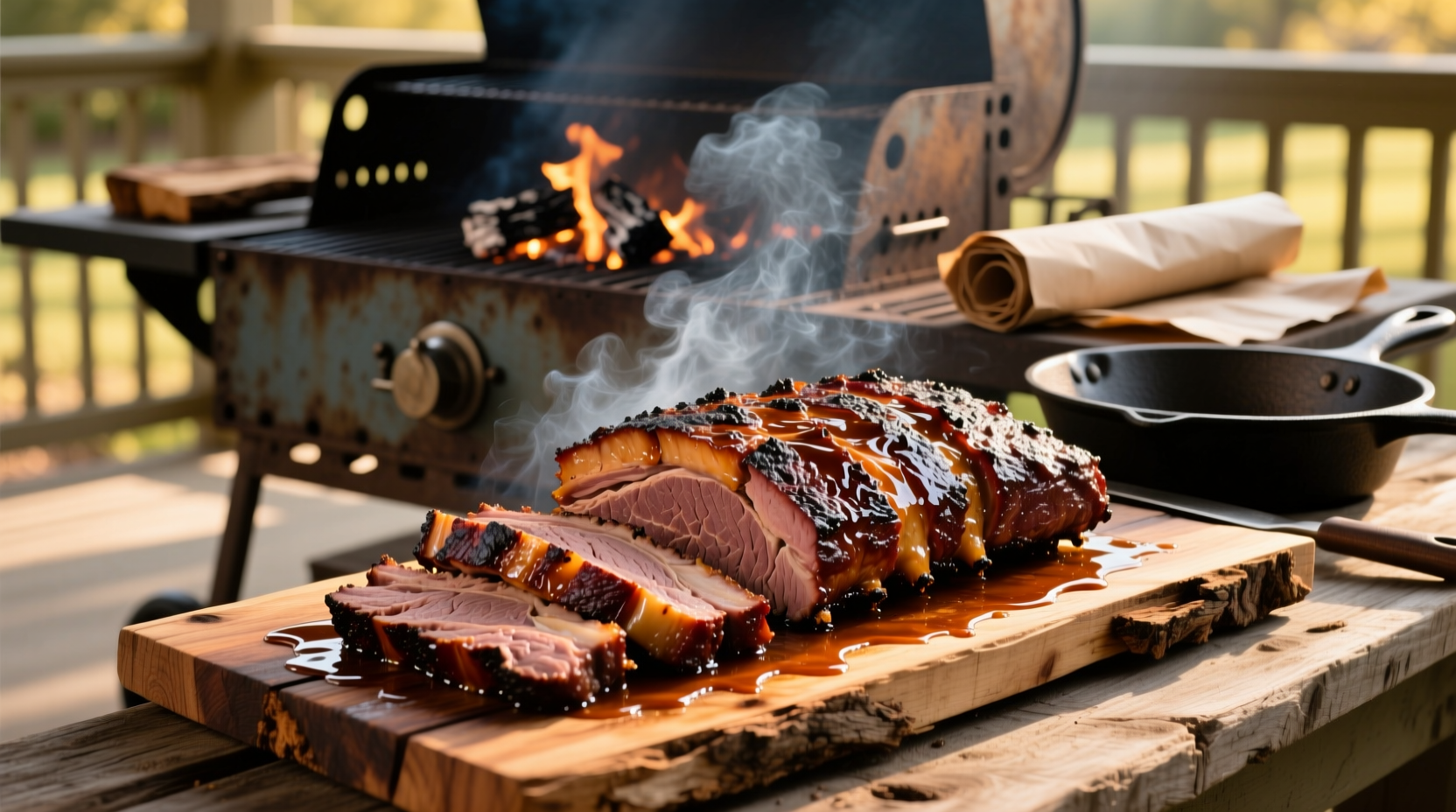
How Texas BBQ Evolved: A Timeline
Understanding what Texas is famous for food requires seeing its barbecue evolution:
| Period | Key Development | Cultural Influence |
|---|---|---|
| 1880s | German/Czech butchers sold smoked meats on weekends | Post oak smoking techniques established |
| 1920s | Black "barbecue joints" emerged in East Texas | Hickory-smoked sausage and ribs added |
| 1970s | Texas Monthly's BBQ issue standardized judging | Brisket became the signature cut |
| 2020s | "Texas-style" recognized globally by UNESCO | Preservation of traditional pit methods |
Tex-Mex vs. Authentic Mexican: Clarifying the Confusion
Many travelers confuse Texas famous foods with Mexican cuisine. This fact table shows key differences:
| Dish | Texas Version | Mexican Origin |
|---|---|---|
| Chili | Bean-free, meat-heavy, coarsely ground | Moles with complex chili blends |
| Tacos | Breakfast tacos with flour tortillas | Corn tortillas, dinner-focused |
| Cheese | Melted yellow cheese (queso) | Fresh white cheeses (cotija) |
This distinction matters because what food is Texas known for specifically refers to Tex-Mex—a 19th-century fusion born when Anglo settlers adapted Mexican recipes using local ingredients like beef and wheat flour.
Underrated Texas Specialties You Must Try
Beyond the classics, these dishes define what Texas is famous for food:
- Chicken Fried Steak: Tenderized cube steak fried like chicken, smothered in cream gravy. Originated with German immigrants using affordable cuts.
- Kolaches: Czech pastry pockets filled with sausage or fruit. Central Texas towns like West host annual Kolache Festivals.
- Barbacoa: Slow-cooked cow head (not goat like Mexico), traditionally prepared in pit ovens for Sunday markets.
Where to Experience Authentic Texas Foods
Forget tourist traps—seek these authentic settings:
- Meat markets (not restaurants): Lockhart's Smitty's or Kreuz Market where butchers smoke meat onsite
- Taco trucks at construction sites: Best breakfast tacos appear at dawn near worksites
- Farmers markets: Find kolache vendors using family recipes in Czech settlements
Remember: True Texas barbecue joints often sell out by 2 PM. Arrive early, bring cash, and don't ask for sauce—it's considered an insult to the pitmaster's craft.




 浙公网安备
33010002000092号
浙公网安备
33010002000092号 浙B2-20120091-4