
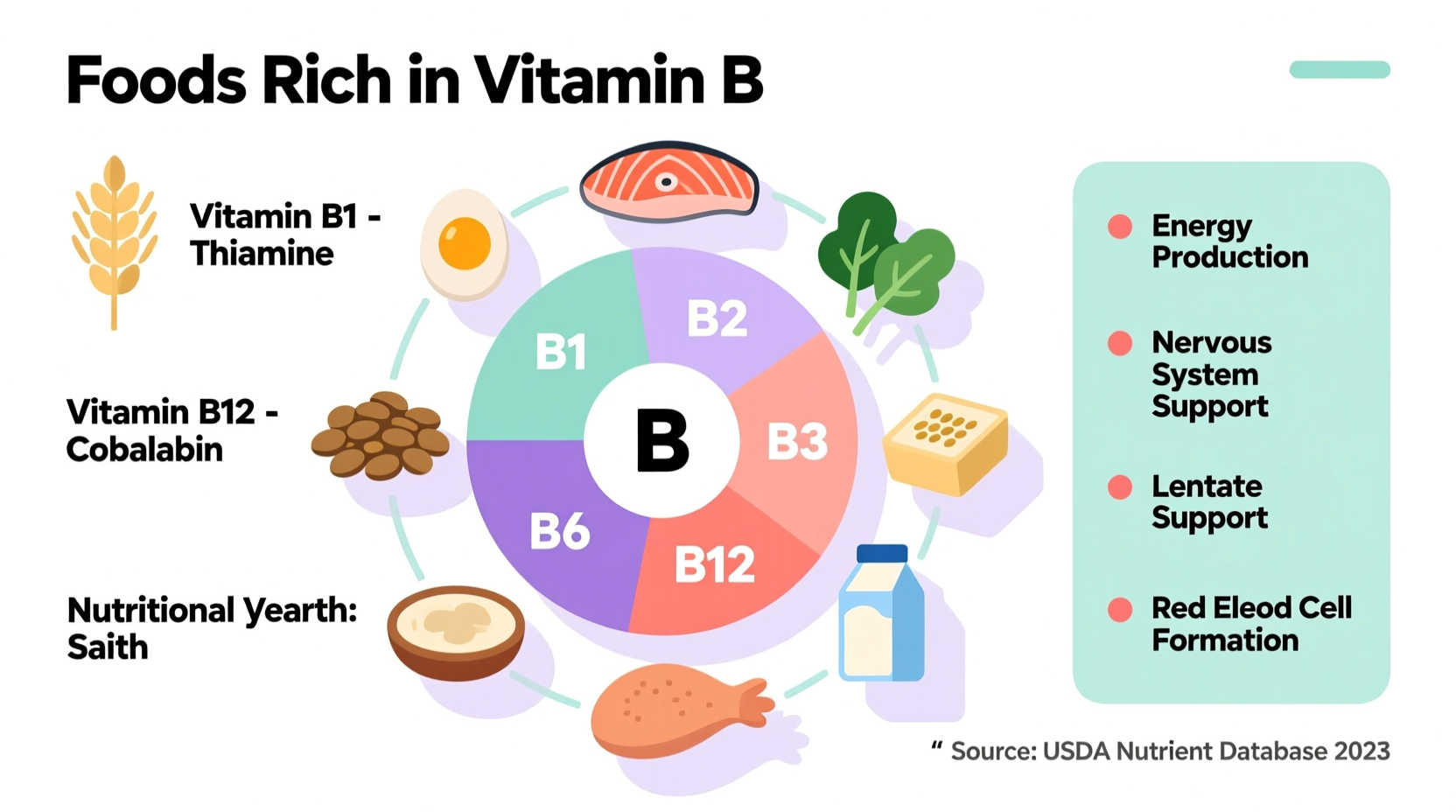
Top natural food sources of vitamin B include eggs, salmon, liver, nutritional yeast, sunflower seeds, chickpeas, spinach, and fortified cereals. Each B vitamin (B1 through B12) plays unique roles in energy metabolism, brain function, and red blood cell formation, and can be obtained through a balanced diet without supplements for most people.
Discover exactly which foods deliver each essential B vitamin, how much you need daily, and practical ways to incorporate these nutrient powerhouses into your meals. This guide provides science-backed food sources verified by nutrition authorities, helping you optimize your energy levels and overall health through strategic dietary choices.
Why Vitamin B Matters More Than You Think
Vitamin B isn't a single nutrient but a complex of eight essential vitamins that work synergistically in your body. According to the National Institutes of Health, these vitamins convert food into energy, create new blood cells, and maintain healthy brain function. Deficiencies can cause fatigue, anemia, and neurological issues—yet many people don't realize they're not getting enough from their current diet.
| Vitamin B Type | Primary Functions | Daily Requirement (Adults) |
|---|---|---|
| B1 (Thiamine) | Energy metabolism, nerve function | 1.1-1.2 mg |
| B2 (Riboflavin) | Skin health, energy production | 1.1-1.3 mg |
| B3 (Niacin) | DNA repair, cholesterol management | 14-16 mg |
| B5 (Pantothenic Acid) | Hormone production, fatty acid metabolism | 5 mg |
| B6 (Pyridoxine) | Brain development, immune function | 1.3-1.7 mg |
| B7 (Biotin) | Hair, skin, and nail health | 30 mcg |
| B9 (Folate) | Cell growth, DNA synthesis | 400 mcg DFE |
| B12 (Cobalamin) | Nerve function, red blood cell formation | 2.4 mcg |
Complete Food Guide by Vitamin Type
Best Vitamin B12 Foods for Energy and Brain Health
Animal products dominate B12 sources since this vitamin doesn't occur naturally in plant foods. The USDA FoodData Central identifies these as top sources:
- Liver (3 oz): 70.7 mcg (2,946% DV) - A single serving exceeds your monthly requirement
- Clams (3 oz): 84.1 mcg (3,504% DV) - Highest natural source available
- Salmon (3 oz): 4.8 mcg (200% DV) - Also provides omega-3 fatty acids
- Fortified nutritional yeast (2 tbsp): 8 mcg (333% DV) - Essential for vegetarians and vegans
Vegetarians and vegans should note that B12 absorption decreases with age. The Mayo Clinic recommends fortified foods or supplements for plant-based diets, as deficiency can take years to manifest but causes irreversible nerve damage.
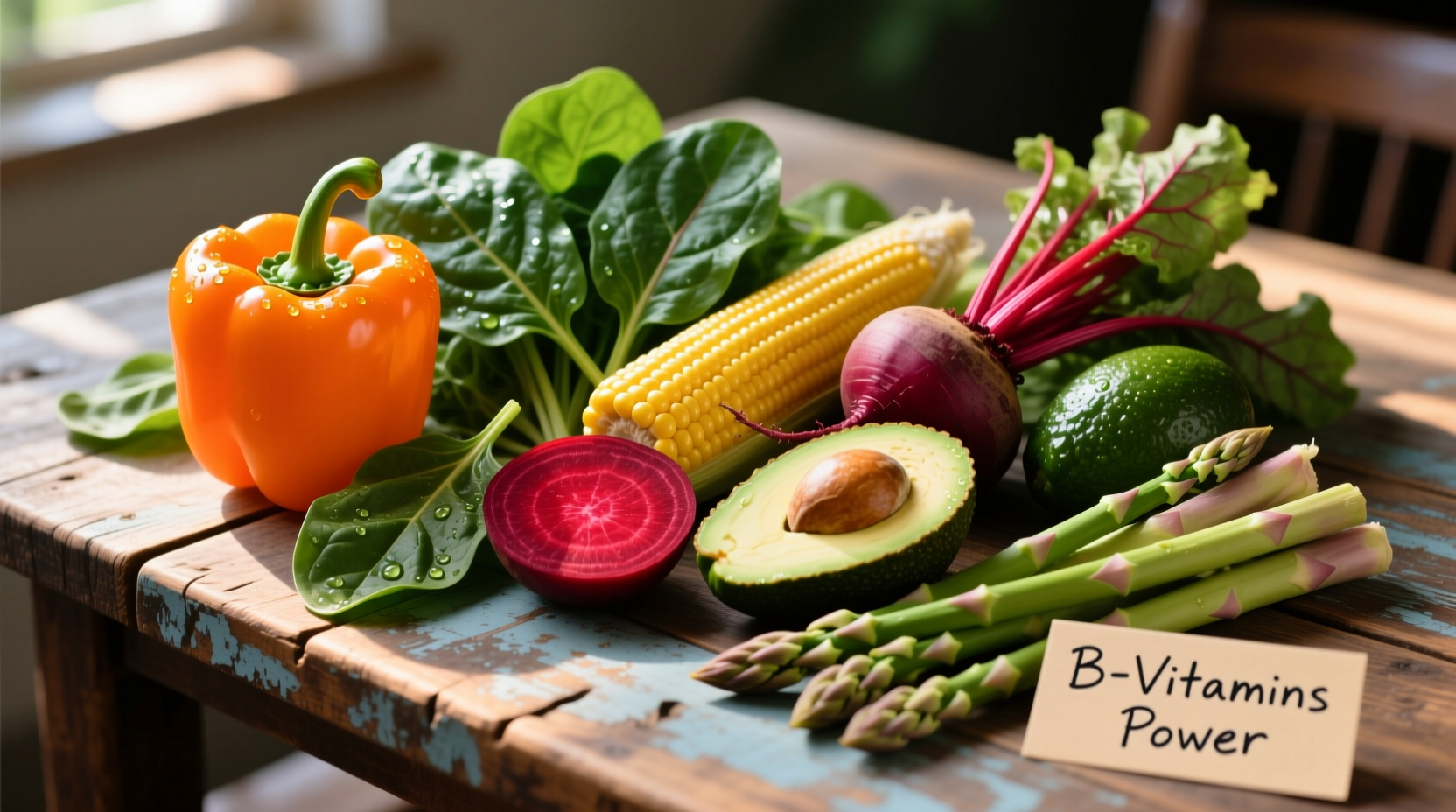
Vitamin B9 (Folate) Powerhouses for Cellular Health
Folate deficiency is particularly dangerous during pregnancy. The CDC emphasizes these food sources:
- Boiled lentils (1 cup): 358 mcg (90% DV) - Also high in plant-based protein
- Spinach (1 cup cooked): 263 mcg (66% DV) - Best absorbed when lightly cooked
- Avocado (1 medium): 163 mcg (41% DV) - Plus healthy monounsaturated fats
- Fortified breakfast cereals (1 serving): 100-400 mcg (25-100% DV)
Food preparation matters significantly for folate retention. Research from Harvard T.H. Chan School of Public Health shows that boiling folate-rich vegetables can reduce content by 40-50%, while steaming preserves up to 90% of the nutrient.
Strategic Meal Planning for Optimal B Vitamin Intake
Simply knowing food sources isn't enough—you need practical strategies to incorporate them effectively. Based on dietary pattern research from the National Center for Biotechnology Information, these approaches maximize B vitamin absorption:
Breakfast Boosters
- Scrambled eggs with spinach and mushrooms (B2, B5, B9)
- Fortified cereal with sunflower seeds and banana (B1, B6, B9)
- Greek yogurt with nutritional yeast and berries (B2, B5, B12)
Lunch and Dinner Solutions
- Salmon salad with chickpeas and avocado (B3, B6, B9, B12)
- Lentil soup with bell peppers and tomatoes (B1, B5, B9)
- Chicken stir-fry with broccoli and brown rice (B3, B5, B6)
Special Considerations for Different Dietary Needs
Not everyone processes B vitamins the same way. Understanding these factors helps tailor your approach:
Vegetarian and Vegan Adaptations
While plant-based diets provide most B vitamins naturally, B12 requires special attention. The Vegan Health Project recommends:
- Daily fortified nutritional yeast (2-3 tbsp)
- B12-fortified plant milks (1-2 cups daily)
- Regular blood testing to monitor levels
Age-Related Absorption Changes
After age 50, stomach acid production decreases, reducing B12 absorption from food by 10-30% according to National Institute on Aging research. Older adults should prioritize:
- Fortified foods over natural sources
- Sublingual B12 supplements if deficient
- Regular monitoring of homocysteine levels
When Food Isn't Enough: Recognizing Deficiency Signs
While most people can get adequate B vitamins from food, certain conditions require medical intervention. The Mayo Clinic identifies these red flags:
- Persistent fatigue despite adequate sleep
- Numbness or tingling in hands and feet
- Mood changes including depression or irritability
- Difficulty concentrating or memory problems
If you experience these symptoms consistently, consult a healthcare provider for testing before self-supplementing. Excessive B6 intake from supplements (>100 mg daily) can actually cause nerve damage, demonstrating why food sources are generally safer than high-dose supplements.
Practical Tips for Maximizing Vitamin B Benefits
Implement these chef-tested techniques to preserve and enhance B vitamin content in your cooking:
- Don't overcook vegetables: Steam instead of boiling to preserve water-soluble B vitamins
- Pair with vitamin C: Add lemon juice to spinach to increase folate absorption by 20%
- Store properly: Keep grains in airtight containers as B vitamins degrade with exposure to light
- Time your meals: Consume B-vitamin rich foods earlier in the day when your metabolism is most active




 浙公网安备
33010002000092号
浙公网安备
33010002000092号 浙B2-20120091-4