
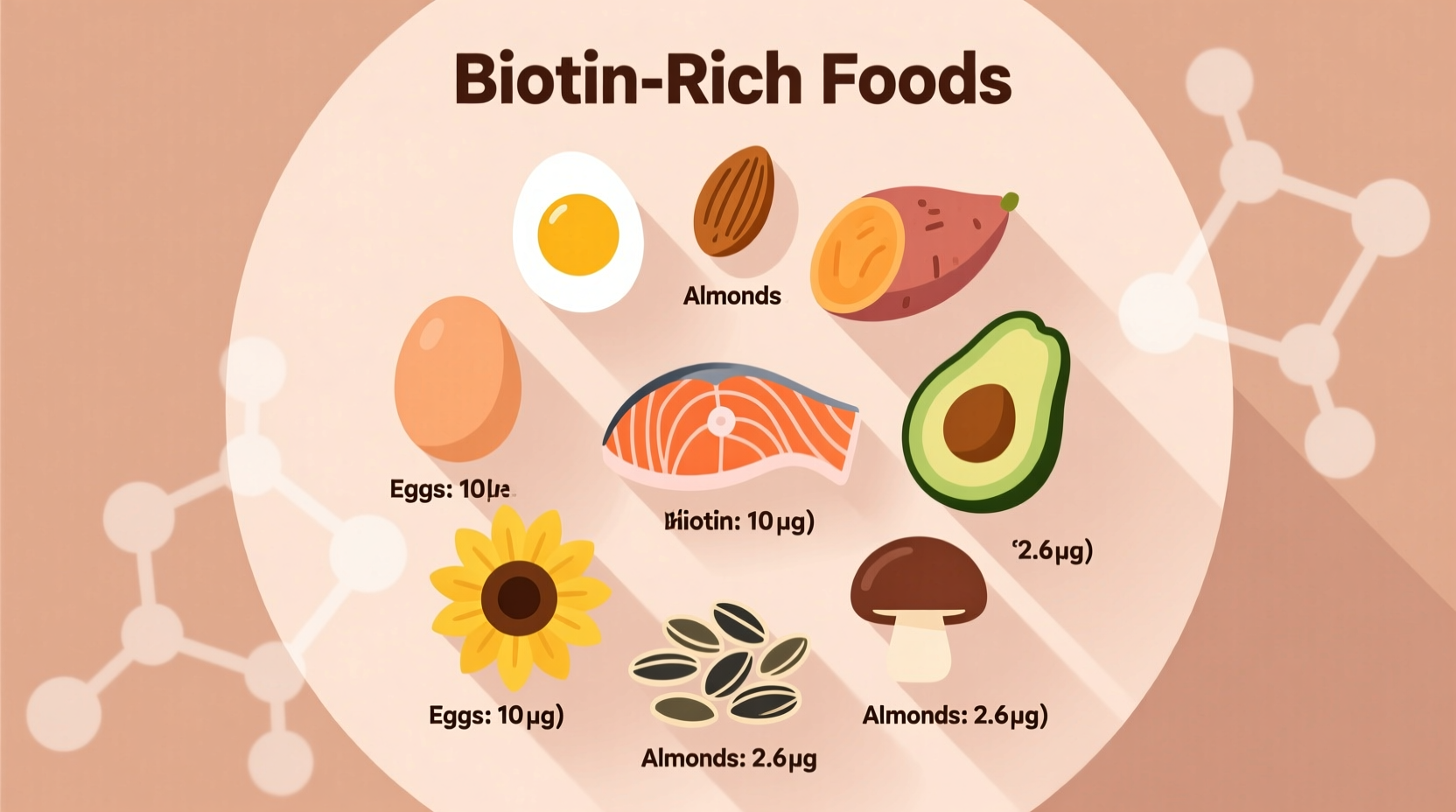
The top natural food sources of biotin include liver (103 mcg per 3 oz), eggs (10 mcg per large egg), salmon (5 mcg per 3 oz), almonds (1.5 mcg per ounce), sweet potatoes (2.4 mcg per ½ cup), and spinach (0.5 mcg per ½ cup). An adult needs approximately 30 mcg of biotin daily, which can typically be met through a balanced diet containing these biotin-rich foods.
Discover exactly which foods deliver optimal biotin levels to support your hair, skin, and nail health while maintaining metabolic function. This comprehensive guide reveals not just what foods contain biotin, but how to strategically incorporate them into your daily meals for maximum absorption and health benefits.
Why Biotin Matters More Than You Think
Biotin, also known as vitamin B7 or vitamin H, plays a critical role in converting food into energy and maintaining healthy hair, skin, and nails. While biotin deficiency remains relatively rare, certain populations—including pregnant women, people with digestive disorders, and those following restrictive diets—may benefit from consciously including biotin-rich foods in their meals.
According to the National Institutes of Health Office of Dietary Supplements, biotin acts as a coenzyme for carboxylase enzymes involved in fatty acid synthesis, branched-chain amino acid catabolism, and gluconeogenesis. This means biotin isn't just about beauty—it's fundamental to your body's energy production processes.
Animal-Based Powerhouses: Highest Concentration Sources
Animal products generally provide the most concentrated biotin sources. Understanding which cuts and preparations deliver maximum benefits can help you optimize your intake.
Liver: The Biotin Champion
Beef liver stands as the undisputed champion of biotin-rich foods. Just 3 ounces of cooked beef liver delivers approximately 103 mcg of biotin—more than triple the daily recommended intake. Chicken liver follows closely with about 13-100 mcg per 3-ounce serving, depending on preparation methods.
Pro tip: Pair liver with vitamin C-rich foods like bell peppers or citrus to enhance iron absorption, creating a nutritional powerhouse meal.
Eggs: The Complete Package (With One Important Caveat)
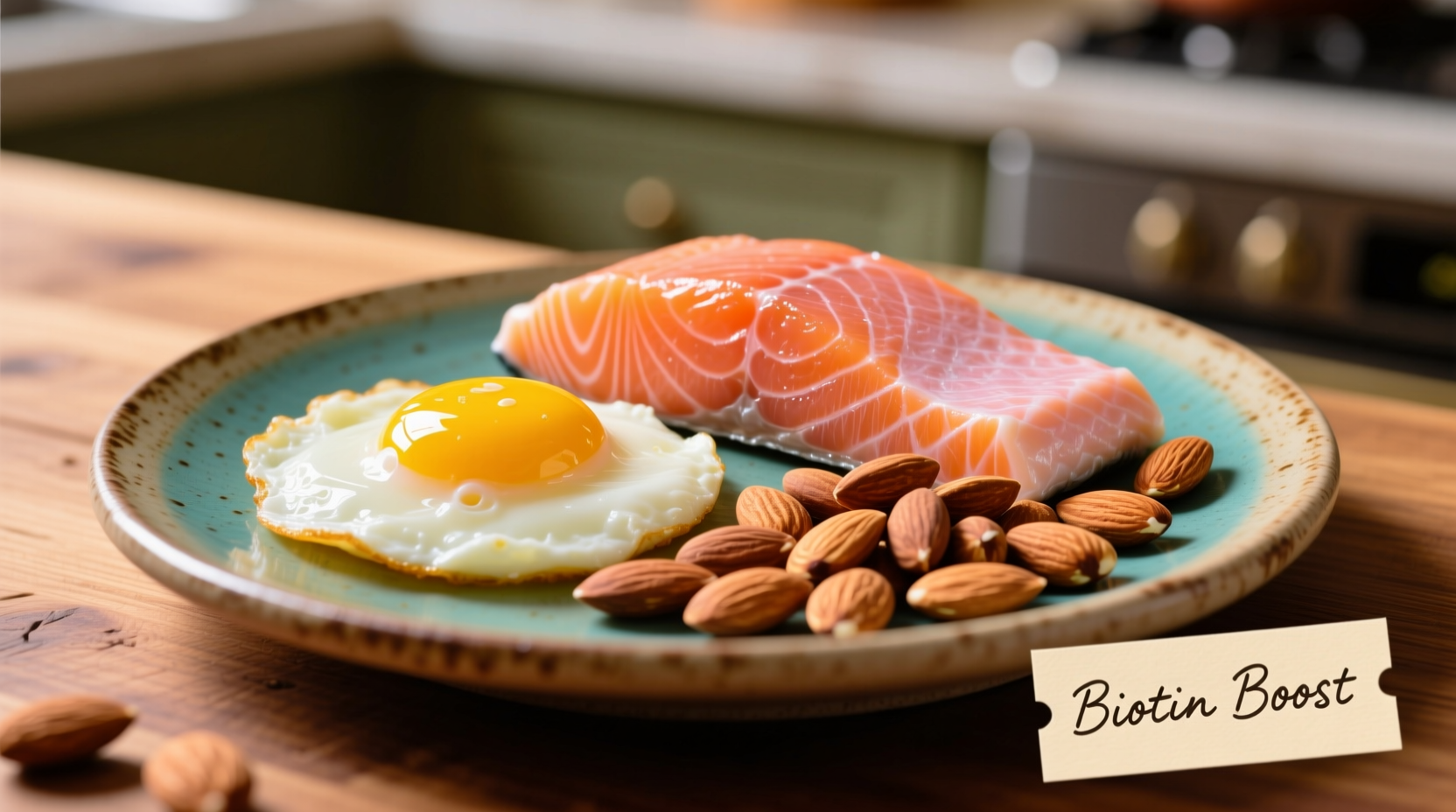
One large whole egg contains approximately 10 mcg of biotin, primarily concentrated in the yolk. However, consuming raw egg whites regularly can actually deplete biotin due to a protein called avidin that binds to biotin and prevents absorption.
| Food Source | Biotin (mcg per serving) | Percent Daily Value | Best Preparation Method |
|---|---|---|---|
| Beef liver (3 oz) | 103 | 343% | Pan-seared with onions |
| Whole egg (1 large) | 10 | 33% | Hard-boiled or scrambled |
| Salmon (3 oz) | 5 | 17% | Baked or grilled |
| Ground beef (3 oz) | 2.3 | 8% | Lean preparation methods |
This comparison, based on USDA FoodData Central values, shows why strategic food selection matters when targeting biotin intake. Notice how preparation methods can impact nutrient retention—gentle cooking preserves more biotin than high-heat methods.
Plant-Based Biotin Sources for Vegetarian and Vegan Diets
While plant-based sources generally contain less biotin than animal products, they remain valuable components of a balanced diet. Understanding which plant foods deliver the most biotin helps vegetarians and vegans meet their nutritional needs.
Nuts and Seeds: Portable Powerhouses
Almonds lead the plant-based category with approximately 1.5 mcg of biotin per ounce (about 23 almonds). Sunflower seeds follow closely with 2.6 mcg per ¼ cup. These make excellent snacks that also provide healthy fats and protein.
Recent research published in the National Library of Medicine indicates that roasting nuts at temperatures below 300°F preserves more biotin than higher-heat methods, making raw or lightly toasted options preferable for maximum nutrient retention.
Whole Grains and Legumes
Whole grains like oats (2.3 mcg per ½ cup cooked) and barley (0.4 mcg per ½ cup cooked) provide moderate biotin levels along with valuable fiber. Legumes including soybeans (1.6 mcg per ½ cup cooked) and black-eyed peas (0.5 mcg per ½ cup cooked) offer additional plant-based options.
Vegetables That Deliver
Sweet potatoes stand out with 2.4 mcg per ½ cup cooked, while spinach provides 0.5 mcg per ½ cup cooked. Broccoli (0.4 mcg per ½ cup cooked) and cauliflower (0.2 mcg per ½ cup cooked) round out the vegetable options.
Maximizing Biotin Absorption: Practical Strategies
Simply consuming biotin-rich foods isn't enough—you need to optimize absorption. Certain dietary patterns and preparation methods significantly impact how much biotin your body actually utilizes.
Avoid Raw Egg White Pitfalls
Raw egg whites contain avidin, a protein that binds biotin and prevents absorption. Cooking denatures avidin, making the biotin in eggs fully available. If you consume protein shakes with raw eggs, consider adding biotin-rich alternatives like almonds or sweet potatoes to compensate.
Pair With Healthy Fats
As a water-soluble vitamin, biotin doesn't require fat for absorption like fat-soluble vitamins do. However, many biotin-rich foods like eggs and salmon also contain valuable fats that support overall nutrient absorption. Including a small amount of healthy fat with plant-based biotin sources can enhance the absorption of other complementary nutrients.
Dietary Considerations Across Different Lifestyles
Your specific dietary pattern affects which biotin sources will work best for you. Understanding these context boundaries helps tailor your approach.
Vegan and Vegetarian Strategies
Plant-based eaters need to be more intentional about biotin sources since the highest concentrations come from animal products. Combining multiple plant sources throughout the day—such as almonds at breakfast, sweet potatoes at lunch, and sunflower seeds as a snack—can help meet daily requirements.
Research from the Harvard T.H. Chan School of Public Health shows that well-planned vegetarian and vegan diets can provide adequate biotin when they include a variety of the plant-based sources mentioned above. However, those following extremely restrictive diets may want to consult a nutritionist about potential supplementation.
Pregnancy and Biotin Needs
Pregnant women have slightly higher biotin requirements (30 mcg daily compared to 25 mcg for non-pregnant adults). Studies indicate that up to 50% of pregnant women may experience marginal biotin deficiency, making conscious inclusion of biotin-rich foods particularly important during this life stage.
When Food Sources Might Not Be Enough
While most people can meet their biotin needs through diet alone, certain medical conditions may require additional support. Individuals with biotinidase deficiency—a rare genetic disorder affecting approximately 1 in 60,000 newborns—require medical supervision and supplementation.
Those with digestive disorders like Crohn's disease or celiac disease may have impaired biotin absorption. Long-term antibiotic use can also disrupt gut bacteria that produce biotin. In these cases, consult with a healthcare provider before starting supplementation.
Building Your Biotin-Rich Meal Plan
Creating meals that naturally incorporate multiple biotin sources ensures you're getting adequate amounts throughout the day. Here are practical meal ideas:
- Breakfast: Scrambled eggs with spinach and whole grain toast
- Lunch: Salmon salad with mixed greens, sunflower seeds, and sweet potato cubes
- Dinner: Stir-fried chicken with broccoli, bell peppers, and brown rice
- Snacks: Almonds, hard-boiled eggs, or hummus with whole grain crackers
Remember that variety remains key—rotating through different biotin sources ensures you're getting a broad spectrum of nutrients while meeting your biotin requirements.




 浙公网安备
33010002000092号
浙公网安备
33010002000092号 浙B2-20120091-4