
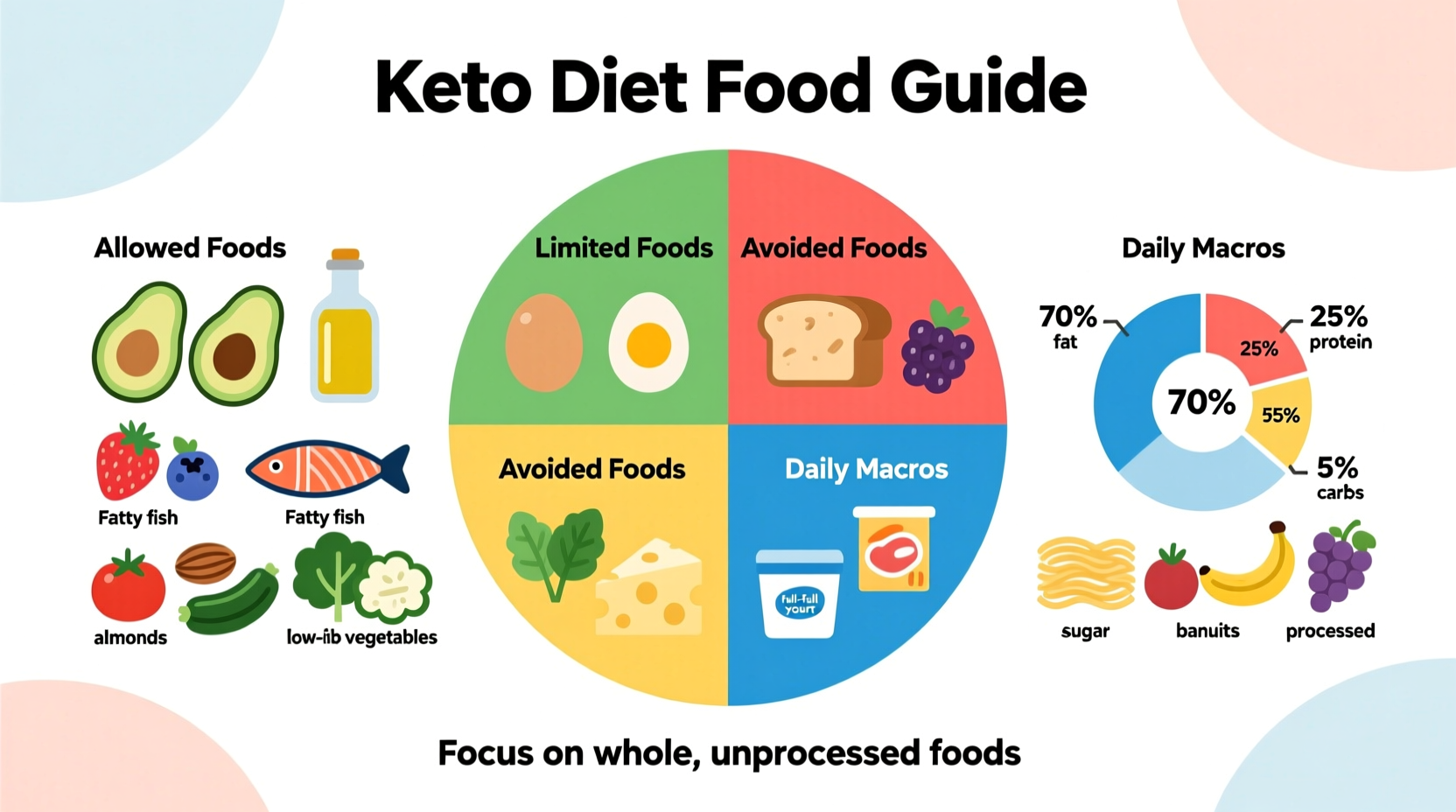
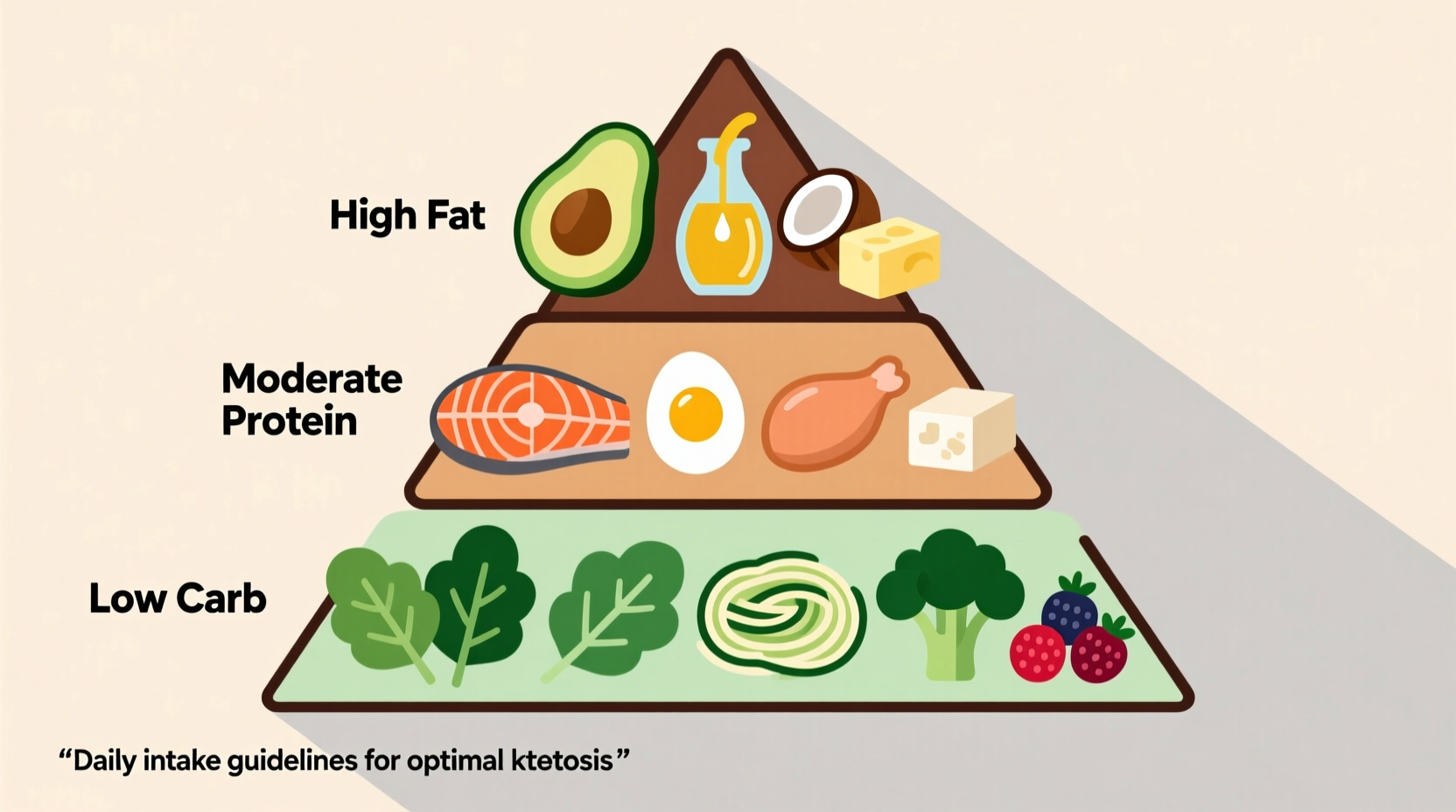
The ketogenic diet primarily includes high-fat foods like avocados, olive oil, and fatty fish; moderate protein sources such as eggs and grass-fed meats; and very low-carb vegetables including spinach, broccoli, and zucchini. Strictly avoided are sugars, grains, most fruits, and starchy vegetables. This precise macronutrient balance—typically 70-80% fat, 20-25% protein, and 5-10% carbohydrates—triggers ketosis, where your body burns fat for fuel instead of glucose.
Starting a ketogenic diet can feel overwhelming when you're staring at your pantry wondering what's actually allowed. You've probably heard keto is effective for weight loss and metabolic health, but the real challenge begins when you need to translate that knowledge into your daily meals. This guide cuts through the confusion with a science-backed food list that works for real people in real kitchens—not just theoretical recommendations from a lab.
Your Keto Food Framework: Building Blocks for Success
Before diving into specific foods, understand that keto isn't just about eliminating carbs—it's about strategically replacing them with nutrient-dense fats and proteins. The magic happens when you maintain that critical 70-80% fat intake while keeping total carbs below 20-50 grams daily. Get this balance right, and your body shifts from sugar-burning to fat-burning mode within 2-7 days.
Keto-Approved Foods: Your Complete Shopping List
Fats & Oils: The Foundation of Ketosis
These aren't just cooking mediums—they're your primary energy source. Prioritize these quality fats:
- Avocados and avocado oil - With 88% fat content, they're nature's perfect keto food
- Extra virgin olive oil - Use unheated for dressings (smoke point 375°F)
- MCT oil - Provides immediate ketone precursors, ideal for morning coffee
- Grass-fed butter and ghee - Contains butyrate for gut health (avoid if dairy-sensitive)
- Coconut oil - Contains lauric acid that supports sustained ketone production
Proteins: Quality Over Quantity
Excess protein can convert to glucose through gluconeogenesis, potentially kicking you out of ketosis. Stick to these portions:
- Eggs - Aim for pasture-raised (2 eggs = 1g carb, 14g fat, 12g protein)
- Fatty fish - Salmon, mackerel, and sardines (3oz = 0g carb, 13g fat, 22g protein)
- Grass-fed meats - Choose ribeye over sirloin for higher fat content
- Poultry with skin - Thighs and wings provide more fat than breasts
- Organ meats - Liver and heart deliver concentrated nutrients with minimal carbs
| Fat Source | Carbs (per tbsp) | Keto Rating | Best Uses |
|---|---|---|---|
| Avocado oil | 0g | ★★★★★ | High-heat cooking (smoke point 520°F) |
| Extra virgin olive oil | 0g | ★★★★☆ | Dressings, low-heat cooking |
| Coconut oil | 0g | ★★★★☆ | Baking, coffee boosting |
| Soybean oil | 0g | ★☆☆☆☆ | Avoid - high in inflammatory omega-6 |
Vegetables: The Carb-Conscious Selection
Not all vegetables are created equal on keto. Focus on these low-carb options that deliver maximum nutrients per gram of carbohydrate:
- Leafy greens - Spinach, kale, arugula (5 cups raw = ~5g net carbs)
- Cruciferous vegetables - Broccoli, cauliflower, Brussels sprouts (1 cup = 3-6g net carbs)
- Asparagus and green beans - Enjoy in moderation (½ cup = 3g net carbs)
- Zucchini and summer squash - Excellent pasta substitutes
- Avocados - Technically a fruit but keto superstar (½ avocado = 2g net carbs)
Foods That Break Ketosis: The Non-Negotiables
Avoiding these common foods isn't just recommended—it's essential for maintaining ketosis. Even small amounts can disrupt your metabolic state:
- Sugars and sweeteners - Including honey, maple syrup, and most "natural" sweeteners
- Grains and starches - Bread, pasta, rice, oats, and even most "gluten-free" alternatives
- Most fruits - Bananas, apples, oranges (except small portions of berries)
- Legumes - Beans, lentils, chickpeas (too high in carbs and lectins)
- Low-fat dairy products - Often contain added sugars to compensate for fat removal
Practical Meal Planning: From Theory to Plate
Knowing which foods are keto-approved means little if you can't translate that into actual meals. Here's how to build balanced keto plates:
Breakfast Solutions Beyond Bacon and Eggs
Rotate these options to prevent diet fatigue:
- Avocado egg boats - Halved avocados filled with scrambled eggs and bacon
- Chia seed pudding - Made with coconut milk and topped with crushed pecans
- Spinach and feta omelet - With sautéed mushrooms for extra flavor
- Keto smoothie - Unsweetened almond milk, avocado, MCT oil, and protein powder
Lunch and Dinner Framework
Follow this simple formula for stress-free meal planning:
- Choose your fat source (olive oil, avocado, or butter)
- Select a protein (4-6oz portion)
- Add 1-2 cups of low-carb vegetables
- Include flavor enhancers (herbs, spices, lemon juice)
Example: Pan-seared salmon (fat: olive oil, protein: salmon) with roasted asparagus (vegetable) and lemon-dill sauce (flavor).
Scientific Context: Why These Foods Work
The ketogenic diet originated in the 1920s as a treatment for epilepsy at Mayo Clinic. Modern research confirms its metabolic mechanisms:
A 2022 NIH study demonstrated that maintaining carbohydrate intake below 50g daily reliably induces nutritional ketosis, where the liver converts fats into ketone bodies that serve as alternative energy sources for the brain and body. This metabolic shift explains why certain foods work while others disrupt the process.
Crucially, not all fats are equal for keto success. Research published in Nutrients Journal shows that medium-chain triglycerides (MCTs) from coconut oil increase ketone production three times more effectively than long-chain fats from olive oil or avocado.
When Keto Isn't Appropriate: Important Boundaries
While effective for many, keto isn't suitable for everyone. The American Diabetes Association notes specific considerations:
- Pregnant or breastfeeding women should avoid strict keto without medical supervision
- Individuals with pancreatic conditions may struggle with fat digestion
- Those with kidney disease need protein monitoring
- People with eating disorders might find the restrictive nature problematic
If you have type 1 diabetes, consult your healthcare provider before starting keto due to increased risk of diabetic ketoacidosis—a dangerous condition distinct from nutritional ketosis.
Troubleshooting Common Keto Challenges
Even with the right foods, beginners often face these hurdles:
The Keto Flu: Prevention and Management
This temporary collection of symptoms (fatigue, headache, irritability) occurs as your body adapts. Combat it by:
- Increasing electrolyte intake (sodium, potassium, magnesium)
- Drinking bone broth daily for mineral replenishment
- Temporarily reducing intense exercise during the first week
- Ensuring adequate fat intake (not just protein)
Plateaus and Progress Tracking
When the scale stops moving:
- Track actual macros (not just carbs) using apps like Cronometer
- Test ketone levels with blood meters for objective data
- Consider intermittent fasting to boost fat burning
- Reassess hidden carbs in sauces, dressings, and processed foods
Your Keto Journey Starts Today
Building a sustainable keto lifestyle isn't about perfection—it's about consistent choices that support your metabolic goals. Start with three simple actions today: clear your pantry of obvious carb offenders, stock up on the keto-approved fats and proteins that fit your lifestyle, and plan your first three meals using the framework provided. Within days, you'll notice increased mental clarity and sustained energy as your body adapts to burning fat efficiently. Remember, the most successful keto dieters focus on whole, unprocessed foods rather than chasing "keto-friendly" processed alternatives.




 浙公网安备
33010002000092号
浙公网安备
33010002000092号 浙B2-20120091-4