
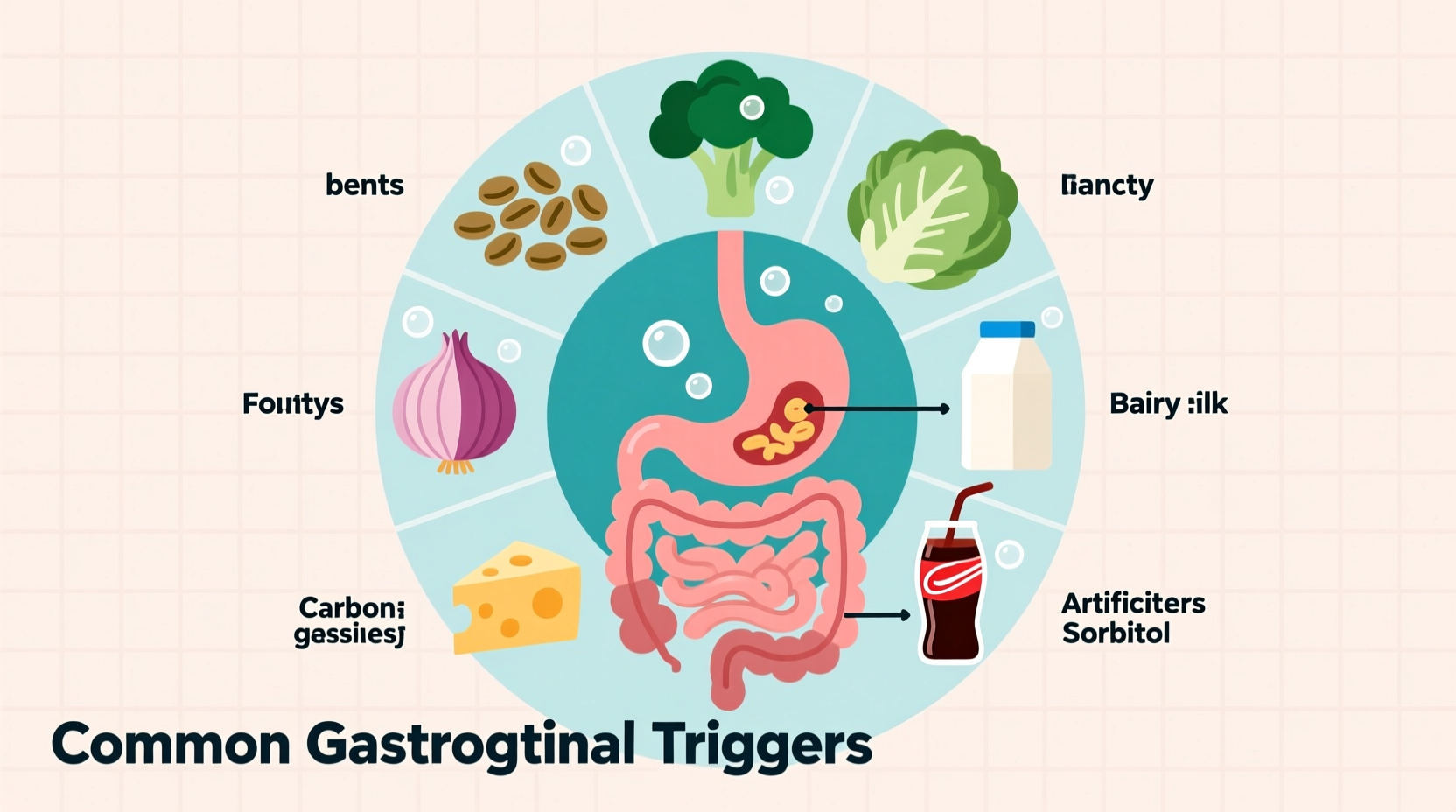
Experiencing uncomfortable bloating and gas after meals? You're not alone. Approximately 15-30% of adults report regular digestive discomfort related to specific foods. Understanding which foods commonly trigger gas production can help you make informed dietary choices without unnecessarily restricting your nutrition.
Why Certain Foods Cause Gas: The Science Simplified
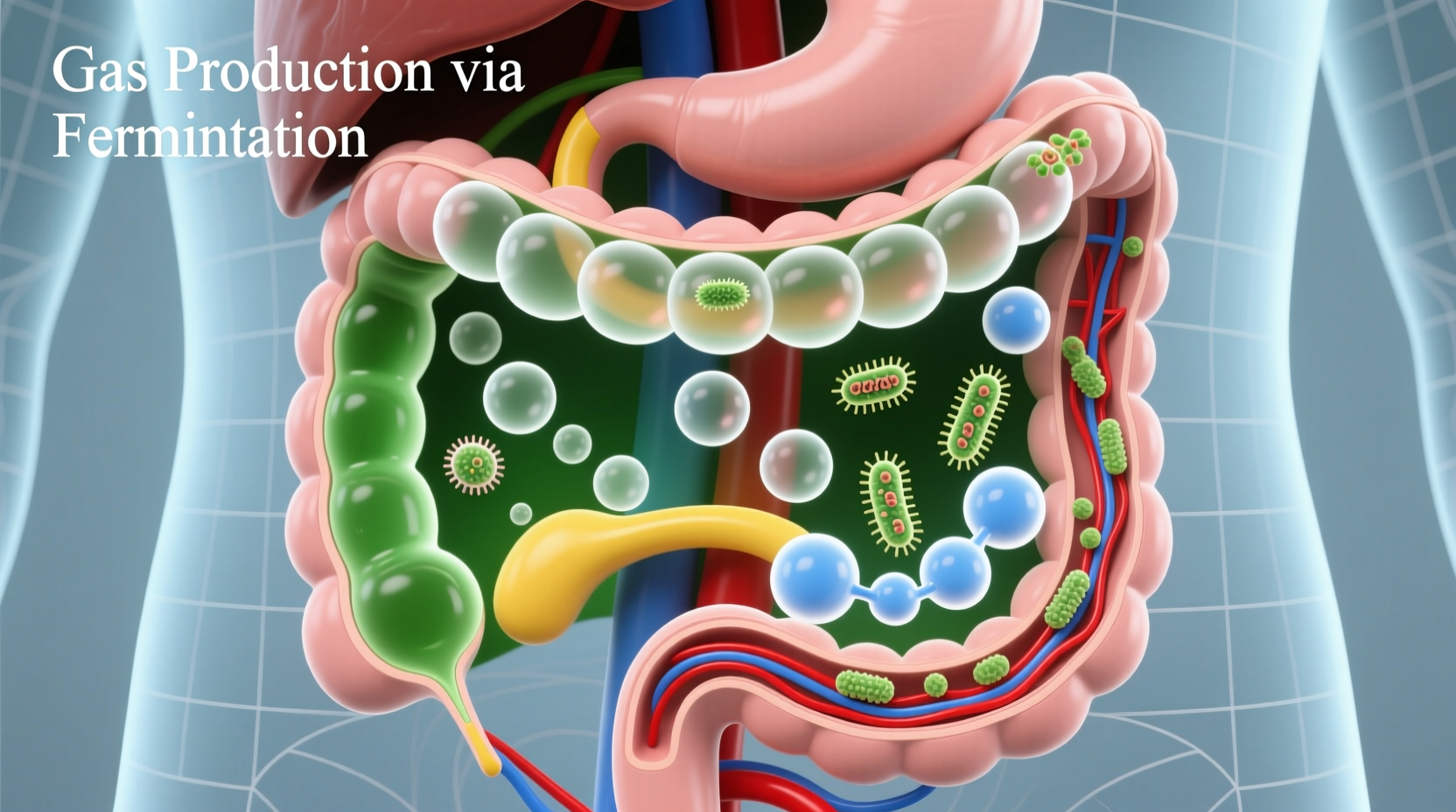
Gas forms in your digestive system through two primary processes: swallowing air (aerophagia) and bacterial fermentation. While swallowing air contributes to gas, the majority comes from gut bacteria breaking down undigested carbohydrates in your large intestine—a completely normal process. Some foods contain specific compounds that resist digestion in the small intestine, reaching the colon where bacteria feast on them, producing hydrogen, methane, and carbon dioxide as byproducts.
Your Personal Gas-Producing Food Guide
Not all gas-producing foods affect everyone equally. Your unique gut microbiome and enzyme production determine your personal triggers. Here's what you need to know about common culprits:
Legumes: The Classic Gas Culprits
Beans, lentils, and chickpeas contain raffinose—a complex sugar your body lacks the enzyme to break down. This undigested carbohydrate becomes food for gut bacteria, producing significant gas. Soaking dried beans for 8-12 hours and changing the water before cooking can reduce gas-producing compounds by up to 40%.
Cruciferous Vegetables: Healthy but Gassy
Broccoli, cauliflower, cabbage, and Brussels sprouts contain raffinose and sulfur compounds. While sulfur gives these vegetables their distinctive smell when cooking, it's the raffinose that primarily causes gas. Cooking methods matter—steaming until tender reduces gas potential compared to eating them raw.
| Food Category | Common Gas Triggers | Gas-Reducing Preparation Tips |
|---|---|---|
| Legumes | Beans, lentils, chickpeas | Soak 8-12 hours, change water, cook thoroughly |
| Vegetables | Broccoli, cauliflower, onions, asparagus | Cook until tender, avoid raw consumption |
| Dairy | Milk, ice cream, soft cheeses | Choose lactose-free options or enzyme supplements |
| Sweeteners | Sorbitol, mannitol, xylitol | Check labels on sugar-free products |
Dairy Products: When Lactose Becomes Problematic
Lactose intolerance affects approximately 68% of the global population to varying degrees. Without sufficient lactase enzyme, lactose passes undigested to the colon where bacteria ferment it, causing gas, bloating, and discomfort. Hard cheeses and yogurt typically cause fewer issues than milk or ice cream because they contain less lactose.
Artificial Sweeteners: The Hidden Gas Producers
Sorbitol, mannitol, and xylitol—common in sugar-free gum, candies, and diet products—are poorly absorbed by many people. The FDA requires products containing more than 50g of sorbitol daily to carry a label warning about potential laxative effects, but gas production can occur at much lower doses.
High-Fiber Foods: A Double-Edged Sword
While fiber is essential for digestive health, rapidly increasing your intake can cause significant gas production. Whole grains, bran, and certain fruits like apples and pears contain fermentable fibers. The key is gradual introduction—increase fiber by just 5g per day every 3-4 days to allow your gut bacteria to adapt.
Why You React Differently Than Others
Your personal tolerance depends on several factors:
- Gut microbiome composition: The specific bacteria in your colon determine how aggressively they ferment certain carbohydrates
- Enzyme production: Natural lactase production declines after childhood for most people
- Digestive transit time: Slower movement allows more fermentation time
- Previous digestive conditions: History of food poisoning or antibiotics can alter gut bacteria
According to research from the National Institute of Diabetes and Digestive and Kidney Diseases (NIDDK), individual responses to gas-producing foods vary significantly. What causes severe bloating in one person might cause no issues in another.
Practical Strategies for Enjoying Gas-Producing Foods
You don't need to eliminate nutritious foods—just manage them strategically:
Gradual Introduction Technique
Rather than avoiding beans completely, start with small portions (¼ cup) 2-3 times weekly. Your gut bacteria will gradually adapt, reducing gas production over 2-3 weeks. A study published in Nutrition Journal found that regular bean consumption significantly reduced gas symptoms after 2-3 weeks of consistent intake.
Strategic Food Pairing
Combine gas-producing foods with digestive aids:
- Add epazote (a traditional Mexican herb) when cooking beans
- Include ginger in vegetable dishes to improve digestion
- Pair dairy with probiotic-rich foods like yogurt
Timing Matters
Eat gas-producing foods earlier in the day when you're more active. Physical movement helps move gas through your system. Avoid large portions of problematic foods right before social events or bedtime.
When Gas Signals Something More Serious
While occasional gas is normal, consult a healthcare provider if you experience:
- Severe pain that disrupts daily activities
- Unintentional weight loss
- Blood in stool
- Nighttime symptoms that wake you
- Symptoms worsening over time
Persistent digestive issues could indicate conditions like irritable bowel syndrome (IBS), inflammatory bowel disease (IBD), or celiac disease. The American Gastroenterological Association recommends keeping a detailed food and symptom diary for 2-3 weeks before consulting a specialist.
Building Your Personal Gas Management Plan
Follow these steps to identify your specific triggers:
- Keep a detailed food diary: Record everything you eat and drink along with symptoms
- Implement an elimination diet: Remove suspected triggers for 2-3 weeks, then reintroduce one at a time
- Track portion sizes: Note how much of each food causes symptoms
- Monitor timing: Record how long after eating symptoms appear
- Consult a professional: Work with a registered dietitian specializing in digestive health
Remember that complete elimination of gas isn't possible or desirable—some gas production indicates a healthy, active gut microbiome. The goal is managing excessive discomfort while maintaining a varied, nutritious diet.




 浙公网安备
33010002000092号
浙公网安备
33010002000092号 浙B2-20120091-4