
The Culinary Soul of Motor City
When you ask what food is detroit known for, you're tapping into a rich tapestry of flavors born from automotive industry culture and waves of immigration. Detroit's food scene tells the story of Polish factory workers, Middle Eastern entrepreneurs, and generations of locals who turned simple ingredients into beloved traditions. Unlike other American cities where food trends come and go, Detroit's signature dishes have endured through economic booms and busts, becoming symbols of community resilience.
Detroit's Iconic Foods: More Than Just Comfort Food
Coney Dogs: The Working-Class Staple
No discussion of what food is detroit known for begins without the Coney dog. This all-beef hot dog topped with bean-based chili, mustard, and onions emerged during the 1910s-1920s when Greek and Macedonian immigrants opened diners near auto plants. Lafayette Coney Island and American Coney Island, standing side-by-side on Michigan Avenue since 1917, represent the friendly rivalry that defines this Detroit institution. What makes Detroit's version unique? The specific blend of spices in the chili (never tomatoes!) and the tradition of serving it on a steamed bun without ketchup.
Detroit-Style Pizza: An Industrial Innovation
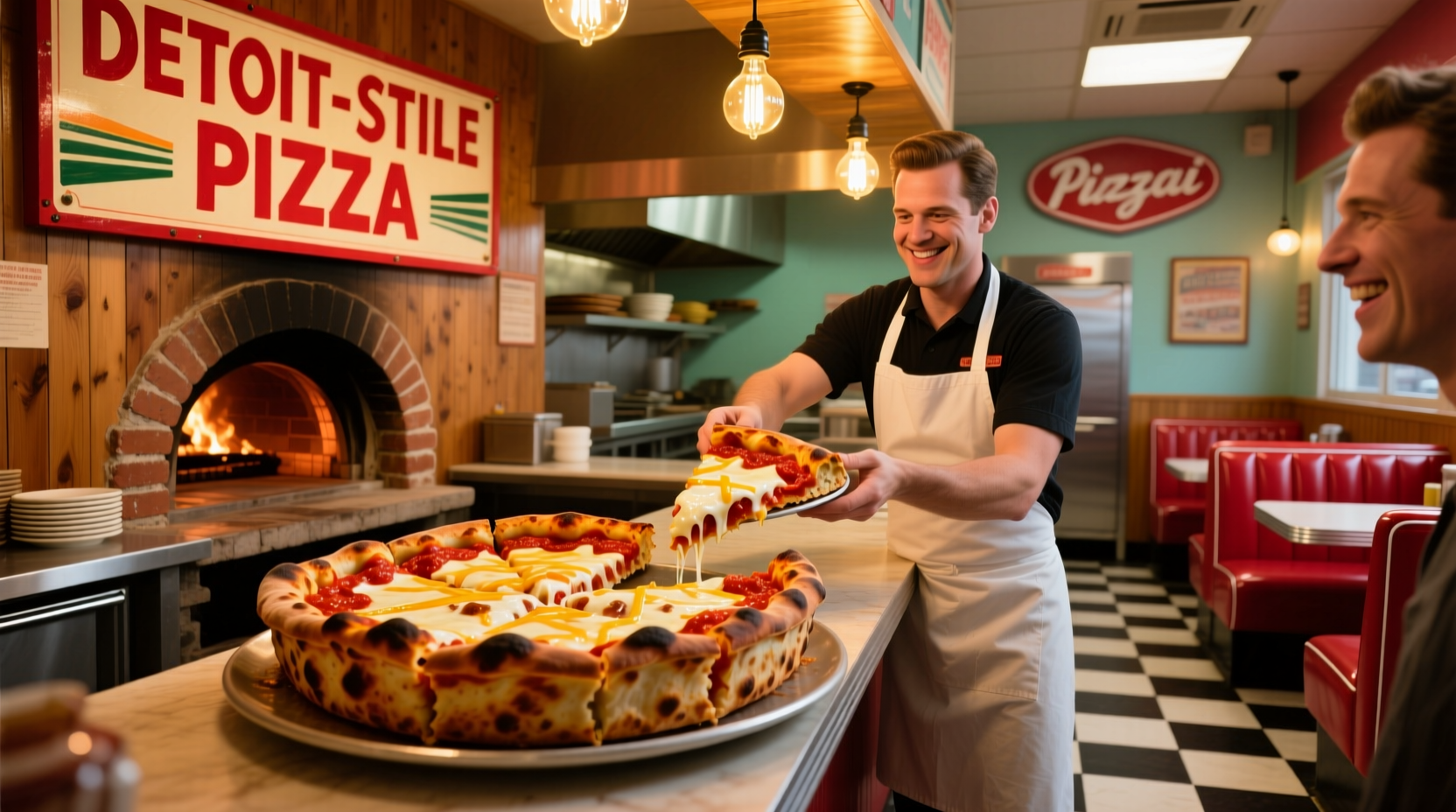
Born in the 1940s at Buddy's Rendezvous (now Buddy's Pizza), detroit style pizza characteristics reflect the city's manufacturing roots. Restaurant owner Gus Guerra repurposed automotive parts trays as pans, creating the signature deep-dish rectangle with crispy, caramelized cheese edges. The assembly method—cheese directly on the pan walls, then toppings, then sauce on top—produces a distinctive flavor profile. According to the Detroit Historical Society, this style was nearly lost until a 2012 Detroit Historical Society exhibit sparked national interest, leading to its current popularity.
| Food | Origin Period | Cultural Influence | Key Ingredients |
|---|---|---|---|
| Coney Dog | 1910s-1920s | Greek/Macedonian | All-beef hot dog, meatless chili, mustard, onions |
| Detroit-Style Pizza | 1946 | Italian-American | Brick cheese, Wisconsin mozzarella, sauce on top |
| Paczki | 1800s | Polish | Enriched dough, fruit fillings, powdered sugar |
| Better Made Chips | 1930 | Local Entrepreneurship | Michigan potatoes, sea salt |
Paczki: Polish Doughnuts with Purpose
Every Fat Tuesday, Detroit transforms into where to find paczki in detroit central as locals line up for these rich, fruit-filled doughnuts. Brought by Polish immigrants in the 19th century, paczki (pronounced "pownch-key") were originally made before Lent to use up sugar, fat, and fruit. Today, bakeries like New Martha Washington and Polish Village Cafe produce thousands daily during peak season. The Michigan Department of Agriculture confirms that Detroit consumes more paczki per capita than any other American city, with annual sales exceeding 2 million units according to 2023 industry reports.
The Potato Chip Rivalry: Better Made vs. Jays
Ask any Detroiter what brand of potato chips is detroit known for and you'll get a passionate response. Better Made (founded 1930) and Jays (founded 1928) have battled for local loyalty for nearly a century. Better Made's kettle-cooked style and distinctive blue bag dominate east of Woodward Avenue, while Jays' thinner cut and red packaging claim the west side—a division mirroring the city's historical neighborhood boundaries. This isn't just business; it's cultural identity. A 2022 Eastern Market survey showed 78% of residents maintain lifelong brand loyalty, often determined by childhood neighborhood.
The Evolution of Detroit's Food Culture
Detroit's culinary timeline reveals how economic forces shaped its food identity:
- 1880-1920: Polish and German immigrants establish bakeries and meat markets
- 1920s: Greek and Macedonian immigrants open Coney Island restaurants near auto plants
- 1940s: Italian-Americans create Detroit-style pizza using automotive parts trays
- 1950s: Middle Eastern communities introduce shawarma and halal markets
- 2000s-Present: Culinary renaissance focusing on local agriculture and immigrant traditions
Where to Experience Authentic Detroit Food
Understanding what food is detroit known for requires knowing where to find the authentic versions:
Eastern Market: The Heartbeat of Detroit Food
Operating since 1891, Eastern Market isn't just best place to eat in detroit michigan—it's America's oldest continuously operating public market district. Every Saturday, the historic shed hosts 150+ vendors selling Michigan produce, artisanal foods, and prepared specialties. Don't miss:
- San Morello for authentic paczki
- Russell Street Deli for Coney dog variations
- Merchant's Fish for Great Lakes whitefish
Neighborhood Food Trails
Detroit's culinary landscape follows its cultural neighborhoods:
- Polish Village: Try kielbasa at Bobelo's and pierogi at Polish Village Cafe
- Mexicantown: Experience authentic birria and conchas along Vernor Highway
- Eastern Market: Sample Middle Eastern specialties like shawarma at American Coney Island's sister restaurant
Detroit Food Beyond the Classics
While traditional foods define Detroit's culinary identity, new interpretations are emerging. Local chefs are reimagining classics with modern techniques while respecting tradition. At award-winning Selden Standard, you'll find seasonal menus featuring Michigan ingredients prepared with global techniques. Meanwhile, food trucks like Arepa Junction blend Venezuelan arepas with Detroit flavors, showing how the city's food scene continues evolving while honoring its roots.
Planning Your Detroit Food Adventure
When exploring what food is detroit known for, consider these practical tips:
- Seasonality matters: Visit Eastern Market May-October for peak produce
- Respect the rituals: In Coney Island restaurants, don't ask for ketchup on your dog
- Transportation note: Many iconic spots are neighborhood-based—ride-sharing works best
- Budget wisely: Most classic Detroit foods cost $3-8, making culinary exploration affordable




 浙公网安备
33010002000092号
浙公网安备
33010002000092号 浙B2-20120091-4