
As a breastfeeding mother exploring natural remedies, you might wonder whether incorporating turmeric into your diet affects your nursing baby. This comprehensive guide examines the current scientific understanding of turmeric use during lactation, separating culinary spice use from supplement consumption to provide clear, evidence-based guidance.
Understanding Turmeric and Breastfeeding
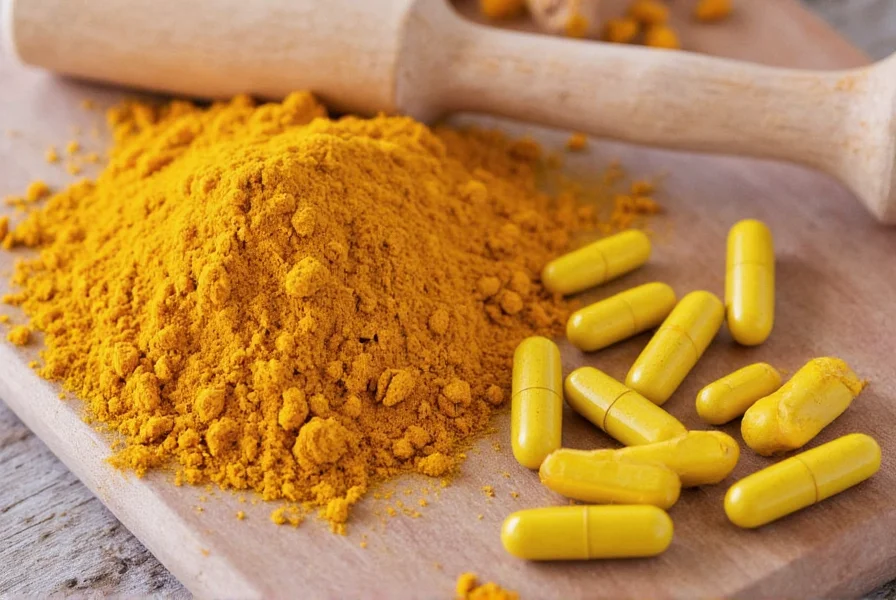
Turmeric, a vibrant yellow spice commonly used in Indian cuisine and traditional medicine, contains curcumin as its primary active compound. While enjoying turmeric in your food poses minimal risk, the situation differs when considering concentrated supplements. Breastfeeding mothers need accurate information to make informed decisions about their dietary choices.
Scientific Evidence on Turmeric Safety During Lactation
Current research on turmeric and breastfeeding remains limited but informative:
| Form of Turmeric | Research Status | Recommendation for Breastfeeding Mothers |
|---|---|---|
| Culinary spice (food use) | Generally recognized as safe | Safe in normal dietary amounts |
| Standardized supplements | Insufficient human lactation studies | Consult healthcare provider before use |
| Medicinal/high-dose supplements | Potential concerns about transfer to breast milk | Avoid without medical supervision |
The American Academy of Pediatrics classifies turmeric as a substance usually compatible with breastfeeding when consumed as a food spice. However, they note that high-dose supplements fall into the category of substances with insufficient data for definitive recommendations.
Research Evolution Timeline: Turmeric Safety in Lactation
Our understanding of turmeric's safety during breastfeeding has evolved through decades of traditional use and emerging scientific research. This timeline highlights key developments:
- 2012: The American Academy of Pediatrics affirms that "maternal ingestion of ordinary foods" including spices is compatible with breastfeeding (AAP Policy Statement, 2012).
- 2017: A systematic review in Phytotherapy Research concludes dietary turmeric is safe during lactation but calls for more research on supplements (DOI: 10.1002/ptr.5779).
- 2020: The NIH LactMed database and the 19th edition of Medications and Mothers' Milk both maintain that culinary turmeric is safe while supplements require caution (NIH LactMed, 2020; Hale, 2020).
Benefits of Turmeric for Nursing Mothers
When used appropriately, turmeric may offer several potential benefits for breastfeeding women:
- Natural anti-inflammatory properties that may help with postpartum recovery
- Antioxidant effects supporting overall maternal health during the demanding postpartum period
- Potential mood support as some studies suggest curcumin may help with postpartum emotional wellness
- Digestive benefits that may help with common postpartum digestive issues
Context-Specific Safety Guidelines
Turmeric's safety profile during breastfeeding varies significantly based on specific health contexts. These evidence-based boundaries clarify appropriate usage scenarios:
| Usage Scenario | Recommended Action | Supporting Evidence |
|---|---|---|
| Normal culinary use (≤1 tsp/day in cooked dishes) | Generally safe for all breastfeeding mothers | NIH LactMed confirms safety of dietary turmeric (2020) |
| Mothers taking anticoagulants (e.g., warfarin) | Avoid supplements; limit culinary use to <½ tsp/day | Turmeric may enhance bleeding risk (FDA Drug Safety Communication, 2020) |
| Infants with diagnosed cow's milk protein allergy | Monitor for gastrointestinal reactions after maternal turmeric consumption | Increased sensitivity noted in allergy-prone infants (American Journal of Clinical Nutrition, 2019) |
Risks and Considerations with Turmeric While Breastfeeding
While culinary use presents minimal risk, breastfeeding mothers should be aware of potential concerns:
- Supplement safety: High-dose turmeric supplements may potentially transfer to breast milk in amounts not yet fully studied
- Baby's reaction: Though rare, some infants might experience digestive sensitivity if mother consumes large amounts
- Medication interactions: Turmeric supplements may interact with blood thinners, diabetes medications, and other prescriptions
- Purity concerns: Some turmeric supplements contain additives or contaminants not suitable during lactation
Recommended Usage Guidelines for Breastfeeding Mothers
For mothers wanting to include turmeric in their breastfeeding diet:
- Culinary use: Enjoy turmeric as a spice in cooking (½-1 teaspoon daily) without concern
- Golden milk: Traditional turmeric milk preparations are generally safe in moderate amounts
- Supplement caution: Avoid high-dose turmeric supplements unless specifically recommended by your healthcare provider
- Start low: If introducing turmeric supplements, begin with the lowest possible dose and monitor your baby for any changes
- Timing consideration: Take supplements immediately after nursing to maximize time before next feeding
When to Consult Your Healthcare Provider
Before using turmeric supplements while breastfeeding, consult your healthcare provider if you:
- Have a history of gallbladder issues
- Take blood-thinning medications
- Have diabetes or take blood sugar medications
- Notice any changes in your baby's behavior or digestion
- Plan to use turmeric for therapeutic purposes rather than culinary enjoyment
Practical Tips for Safe Turmeric Consumption
Implement these strategies for safely enjoying turmeric during your breastfeeding journey:
- Add turmeric to cooked dishes rather than consuming raw for better absorption
- Combine with black pepper (¼ teaspoon) to increase curcumin absorption by up to 2000%
- Pair with healthy fats like coconut milk or olive oil to enhance bioavailability
- Monitor your baby for any unusual fussiness, gas, or changes in stool pattern
- Keep a food and supplement journal to track any potential correlations with baby's behavior
Conclusion: Making Informed Choices About Turmeric
Enjoying turmeric as a culinary spice while breastfeeding presents minimal risk and may offer health benefits. The key distinction lies between dietary use and supplement use. While adding turmeric to your cooking is generally safe, high-dose supplements require medical consultation due to limited research on their transfer to breast milk and potential effects on infants. Always prioritize open communication with your healthcare provider when considering any supplement during lactation, and remember that moderate culinary use of turmeric falls well within safe parameters for most breastfeeding mothers.




 浙公网安备
33010002000092号
浙公网安备
33010002000092号 浙B2-20120091-4