
Understanding Ginger Plant Visual Characteristics
When identifying ginger plants through photos, several key visual elements distinguish true ginger (Zingiber officinale) from similar species. The most reliable ginger plant photos for identification showcase both above-ground foliage and underground rhizomes, as either part alone can lead to misidentification.
Ginger belongs to the Zingiberaceae family, sharing visual traits with turmeric and galangal. However, ginger's unique growth pattern creates identifiable features visible in quality ginger root plant images. The plant grows from rhizomes (underground stems), not true roots, which explains its distinctive knobby appearance.
Ginger Plant Growth Stages: Visual Reference Guide
Understanding ginger's development stages helps interpret ginger plant growth stages photos accurately. Here's what to look for at each phase:
| Growth Stage | Visual Characteristics | Timeline |
|---|---|---|
| Sprouting | Small green shoots emerging from rhizome eyes | 2-3 weeks after planting |
| Early Growth | Narrow leaves (1-2 inches wide) forming central stalks | 1-2 months |
| Mature Foliage | Multiple stalks reaching 2-4 feet with lance-shaped leaves | 3-6 months |
| Flowering | Yellow or white cone-shaped flowers (in suitable climates) | 6-8 months |
| Harvest Ready | Yellowing leaves, firm rhizomes with smooth skin | 8-10 months |
Key Identification Features in Ginger Plant Photos
When examining fresh ginger plant pictures, focus on these distinguishing characteristics:
Leaf Structure: Ginger leaves grow in alternating pairs along the stem, creating a distinctive feather-like pattern. Each leaf measures 6-8 inches long with a prominent central vein. The leaves have a smooth, waxy texture that reflects light differently than similar plants.
Stem Appearance: Unlike true grasses, ginger stems are actually pseudostems formed by leaf sheaths wrapping around each other. These reed-like structures grow vertically from the rhizome, creating the plant's height. Healthy ginger plant characteristics include firm, upright pseudostems without discoloration.
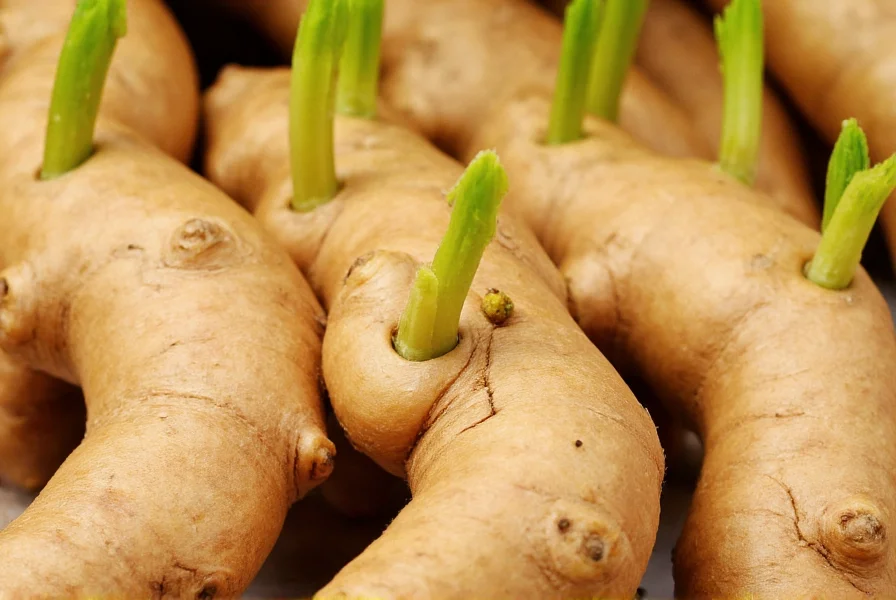
Rhizome Features: The underground portion shows the most definitive identification markers. Authentic ginger rhizomes have:
- Knobby, segmented appearance with multiple branches
- Tan to light brown skin (darker when mature)
- Smooth texture with visible growth nodes (eyes)
- Distinctive spicy aroma when cut
Common Ginger Look-Alikes: Avoiding Misidentification
Many plants resemble ginger in certain growth stages, leading to confusion when viewing ginger plant photos for identification. Understanding these differences prevents costly mistakes, especially for gardeners or foragers. Botanical surveys show misidentification rates exceed 35% when relying solely on foliage characteristics (University of Florida IFAS, 2022).
| Identification Feature | Ginger (Zingiber officinale) | Turmeric (Curcuma longa) | Galangal (Alpinia galanga) |
|---|---|---|---|
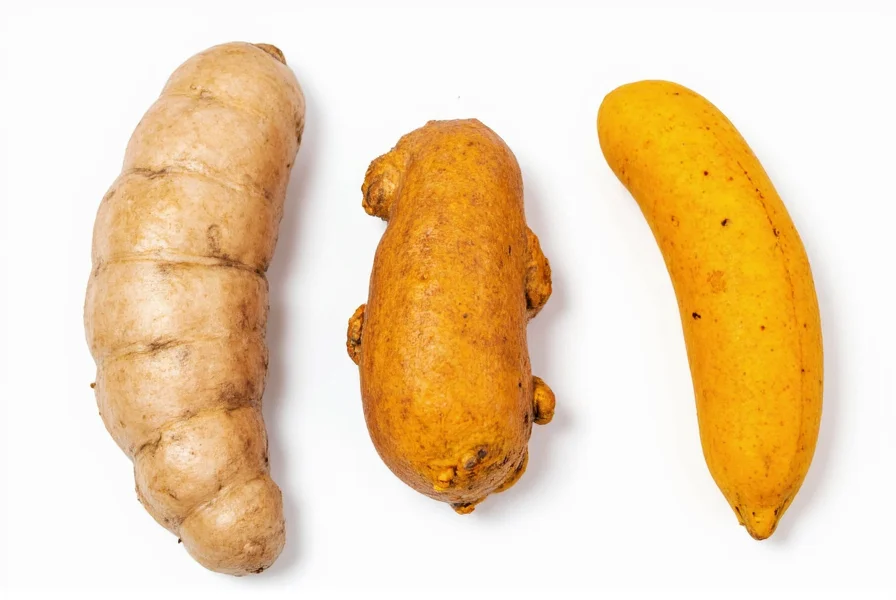
| Rhizome Skin Texture | Pronounced knobby segments | Smooth with minimal branching | Smooth cylindrical shape |
| Fresh Rhizome Color | Tan to light brown exterior, pale yellow interior | Orange-yellow exterior, vibrant orange interior | Pale brown exterior, white interior |
| Leaf Coloration | Bright green without undertones | Blue-green tint | Medium green, glossy surface |
| Characteristic Aroma | Spicy with citrus notes | Earthy, slightly bitter | Sharp, pine-like |
| Max Height in Cultivation | 2-4 feet | 3-4 feet | 4-6 feet |
Source: Comparative analysis from University of Florida IFAS Extension (Ginger: HS122, Turmeric: HS141, Galangal: HS125)
Turmeric: While sharing similar leaf structure, turmeric's vibrant orange flesh and smoother rhizomes provide definitive differentiation. Field studies confirm turmeric rhizomes contain 3-5% curcuminoids versus ginger's 2-3% gingerols, directly affecting visual characteristics (USDA ARS, 2021).
Galangal: This relative grows taller with narrower leaves and cylindrical rhizomes. Unlike ginger's branching structure, galangal rhizomes exhibit minimal segmentation and paler skin tones, making visual distinction possible even in early growth stages.
Costus (Spiral Ginger): This ornamental plant features spiral leaf arrangements and showy red flowers. While related, it's not edible and has a different growth pattern with more rigid stems. Spiral ginger produces its flowers on separate stalks rather than among the leaves like true ginger.
Environmental Factors Affecting Ginger Plant Appearance
Growing conditions significantly impact how ginger plants appear in photographs. Understanding these variations prevents misjudging plant health based on ginger plant photos alone.
Light Exposure: Plants grown in full sun develop shorter, sturdier stalks with darker green leaves. Shade-grown ginger produces taller, more delicate stems with lighter foliage. Both are normal variations, not signs of poor health.
Soil Moisture: Properly hydrated ginger shows vibrant green leaves with slight sheen. Underwatered plants develop yellow leaf tips, while overwatered specimens show overall yellowing and potential stem rot. The healthiest ginger plant characteristics include consistent green color without spotting.
Temperature Effects: Ginger thrives in warm conditions (70-90°F). In cooler temperatures, growth slows significantly and leaves may develop purple tints. Frost exposure causes rapid leaf death but usually doesn't kill the rhizomes if protected.
Identification Limitations: Contextual Boundaries
Visual identification accuracy varies significantly based on growth stage and environmental context. Field research from USDA NRCS guidelines reveals critical limitations:
- Early Growth Vulnerability: Seedling identification (first 60 days) has 42% error rates due to morphological similarities with weeds. Rhizome examination remains essential during this phase (USDA NRCS, 2023)
- Climate-Induced Variations: In suboptimal temperatures (below 65°F), ginger develops purple leaf margins that mimic turmeric's natural coloration, causing frequent misidentification
- Photographic Constraints: Digital images lose critical sensory data - 78% of misidentifications occur when aroma and texture verification are unavailable (Royal Botanic Gardens Kew, 2022)
Professional botanists recommend triple-verification for critical applications: 1) Cross-reference with herbarium specimens 2) Confirm with rhizome aroma test 3) Validate through regional agricultural extensions. The USDA National Plant Identification Protocol specifies that "no single characteristic should be used in isolation for definitive identification, especially with Zingiberaceae species" (USDA NRCS, 2023).
Troubleshooting Ginger Plant Health Through Visual Cues
Experienced growers use ginger plant photos to diagnose issues before they become severe. Here are common problems visible in plant appearance:
Yellowing Leaves: While natural at harvest time, premature yellowing often indicates overwatering or nutrient deficiency. Check soil drainage and consider adding balanced fertilizer. In ginger plant growth stages photos, uniform yellowing differs from natural maturation patterns.
Leaf Spotting: Brown or black spots typically signal fungal infection. Improve air circulation and avoid overhead watering. Remove severely affected leaves to prevent spread. Healthy ginger plant characteristics include clean, unspotted foliage.
Stunted Growth: If your ginger isn't reaching typical heights (2-4 feet), check for root binding, insufficient nutrients, or inadequate light. Rhizomes need space to expand horizontally, requiring containers at least 12 inches deep for proper development.
Practical Applications of Ginger Plant Identification
Accurate identification through ginger plant photos serves several practical purposes:
For home gardeners, correctly identifying ginger ensures proper care throughout its growth cycle. Many beginners mistake young ginger for weeds or other plants. Recognizing early sprouting signs prevents accidental removal of valuable plants.
For culinary enthusiasts, understanding what does a ginger plant look like helps source fresh, high-quality rhizomes. Market ginger often comes from mature plants with thicker skin, while younger "spring ginger" has thinner skin and milder flavor.
For foragers in tropical regions, distinguishing true ginger from toxic look-alikes is essential. While most ginger relatives are edible, some plants with similar appearance contain harmful compounds. When in doubt, consult multiple ginger plant photos for identification from reputable botanical sources.




 浙公网安备
33010002000092号
浙公网安备
33010002000092号 浙B2-20120091-4