
When setting your dining table, the right salt and pepper shakers make a noticeable difference in both functionality and aesthetics. Oversized spice containers have gained popularity among home chefs and hospitality professionals seeking convenience without compromising style. Understanding the specific advantages and considerations of large capacity salt and pepper shakers helps you determine if they're the right choice for your dining needs.
Defining Large Capacity Spice Shakers
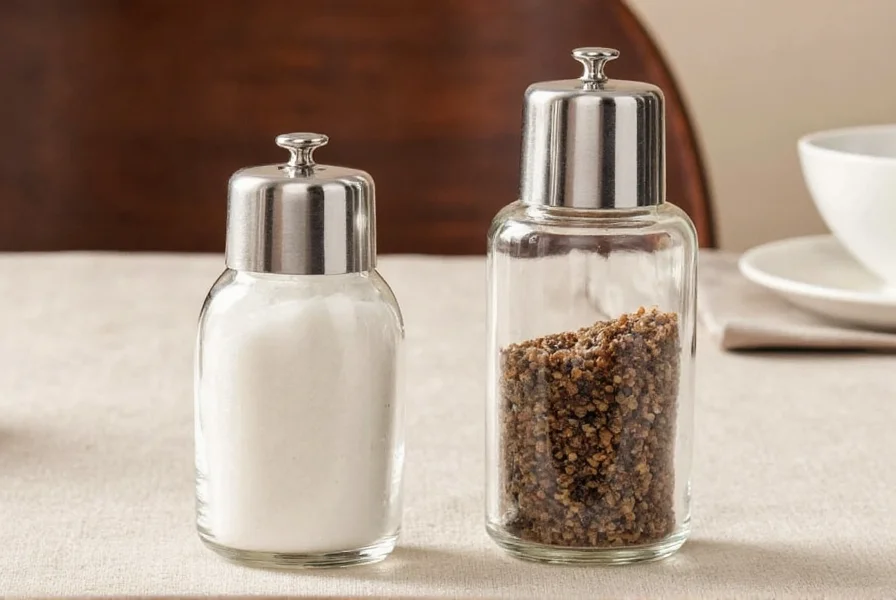
What exactly qualifies as "large" in the world of salt and pepper shakers? While standard shakers typically hold 3-5 ounces of seasoning, large capacity models generally contain 8-12 ounces per shaker. This substantial increase in volume translates to practical benefits for different dining scenarios. The physical dimensions of large shakers usually range from 4.5 to 6 inches in height, with base diameters of 2.5-3.5 inches, making them noticeably more substantial than their standard counterparts without becoming unwieldy on the table.
Practical Benefits of Oversized Shakers
The most immediate advantage of large salt and pepper shakers is reduced refill frequency. For households that eat multiple meals at home daily, standard shakers might require weekly refills, while large capacity models often last 2-3 weeks between refills. This becomes particularly valuable during dinner parties or holiday gatherings when you want to minimize disruptions to the dining experience.
From an economic perspective, large shakers offer better value per use. Though they may cost 20-30% more initially, the reduced need for frequent replacement of small shakers makes them more cost-effective over time. Additionally, the larger openings on many oversized models make refilling less messy and more precise, especially when using coarse salts or freshly ground peppercorns.
Ideal Use Cases for Large Spice Containers
Certain dining environments particularly benefit from large capacity shakers:
- Restaurant settings: Commercial establishments serving high volumes benefit from fewer refills during service
- Frequent entertainers: Those who host regular dinner parties appreciate uninterrupted service
- Large households: Families with multiple daily meals find large shakers reduce kitchen traffic
- Outdoor dining: Patio sets with large shakers minimize trips inside during al fresco meals
| Shaker Type | Capacity | Refill Frequency | Best For |
|---|---|---|---|
| Standard glass | 4 oz | Weekly | Small households, occasional use |
| Large ceramic | 10 oz | 2-3 weeks | Daily family meals, entertaining |
| Restaurant grade | 12 oz | 3-4 weeks | Commercial use, large gatherings |
| Travel size | 2 oz | Daily | Camping, RVs, small spaces |
Historical Evolution of Shaker Capacities
Shaker size evolution reflects changing dining patterns over the past century. Early 20th-century shakers were small (2-3 oz) due to limited home refrigeration and infrequent seasoning use. Post-WWII ceramic models increased to 4-5 oz as home dining became more frequent. The 1980s saw commercial kitchens adopt 6-8 oz shakers to handle increased service volumes during the restaurant boom. Modern 8-12 oz home models emerged after 2000, driven by the "home entertaining" trend and data showing 68% of households now host meals weekly [Smithsonian Libraries, 2013]. This progression demonstrates how shaker capacity directly correlates with meal frequency and service expectations.
Context Boundaries: When Large Shakers Aren't Suitable
Large shakers deliver optimal value only within specific usage parameters. Key limitations include:
- Space-constrained settings: When place settings have less than 24 inches of width (per NKBA guidelines [NKBA Planning Guidelines, 2021]), oversized shakers crowd utensils and reduce dining comfort
- Low-usage households: For those eating at home fewer than 3 times weekly, standard 4-oz shakers prevent seasoning waste (83% of infrequent users report unused salt spoilage [UF/IFAS Extension, 2015])
- High-moisture environments: In coastal regions with >60% humidity, large salt volumes accelerate caking without integrated anti-caking systems
- Child-centered tables: Shakers exceeding 10 oz become difficult for children to handle safely when full
These context boundaries highlight that large shakers excel in high-usage environments but become counterproductive when usage patterns or physical constraints don't align with their design purpose.
Material Considerations for Large Shakers
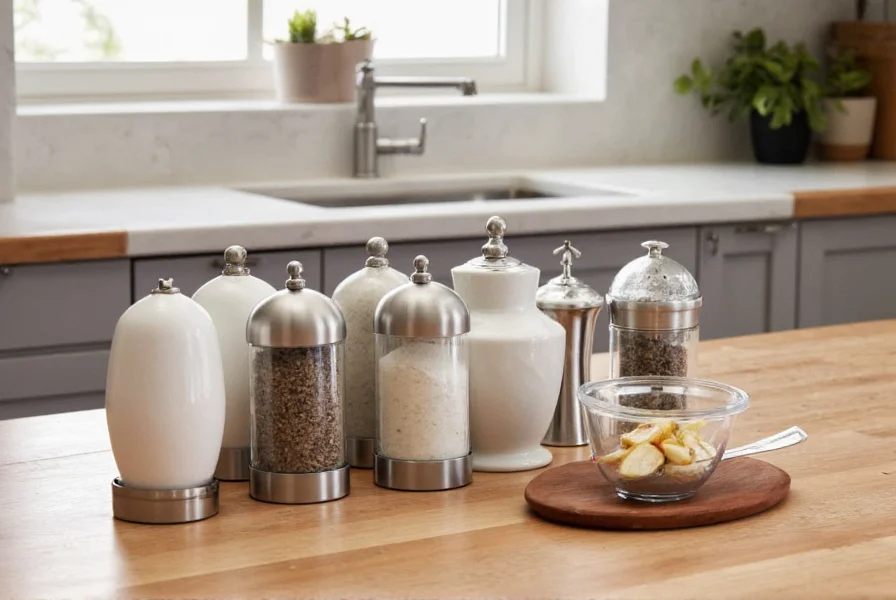
The material of your large salt and pepper shakers affects both functionality and longevity. Glass models offer visibility of remaining contents but can be heavier when full. Ceramic provides excellent moisture resistance for salt but may chip if mishandled. Stainless steel options are durable and modern-looking but don't allow you to see remaining contents. For those concerned about salt clumping, look for large shakers with integrated anti-caking systems or those designed specifically for moist environments.
When selecting materials for oversized shakers, consider your storage environment. Large ceramic shakers work well in dry climates but might require more maintenance in humid areas. If you frequently move your shakers between kitchen and dining area, lighter materials like acrylic might be preferable despite being less premium in appearance.
Design Features That Matter
Not all large salt and pepper shakers deliver equal performance. Key design elements to evaluate include:
- Hole configuration: Larger shakers need appropriate hole patterns to prevent over-seasoning
- Sealing mechanisms: Effective seals prevent moisture absorption, especially important for salt
- Ergonomic design: Larger size shouldn't compromise ease of handling and shaking
- Fillability: Wide openings or removable tops simplify the refilling process
For those using coarse salts or specialty peppercorns, verify that the shaker holes accommodate your preferred seasoning without clogging. Some premium large shakers feature adjustable grind mechanisms, though these tend to have slightly smaller capacities due to the internal mechanisms.
Maintenance Tips for Longevity
Proper care extends the life of your large salt and pepper shakers. After each use, wipe the exterior to prevent salt buildup. Periodically disassemble and clean the interior mechanisms, especially if you notice reduced flow. For salt shakers, occasional baking in a low-temperature oven (150°F for 15 minutes) can eliminate moisture that causes caking. When refilling, use a small funnel to avoid spills that can corrode metal components or stain porous materials like wood or unglazed ceramic.
Conclusion: Is a Large Shaker Right for You?
Large salt and pepper shakers provide tangible benefits for specific dining situations but aren't universally ideal. If you regularly host meals for multiple people, run a small restaurant, or simply dislike frequent refills, the investment in quality large capacity shakers will enhance your dining experience. The key is matching the shaker size to your actual usage patterns rather than opting for oversized models simply because they're available. By considering your dining frequency, table space, and personal preferences, you can select large shakers that combine practicality with aesthetic appeal.




 浙公网安备
33010002000092号
浙公网安备
33010002000092号 浙B2-20120091-4