
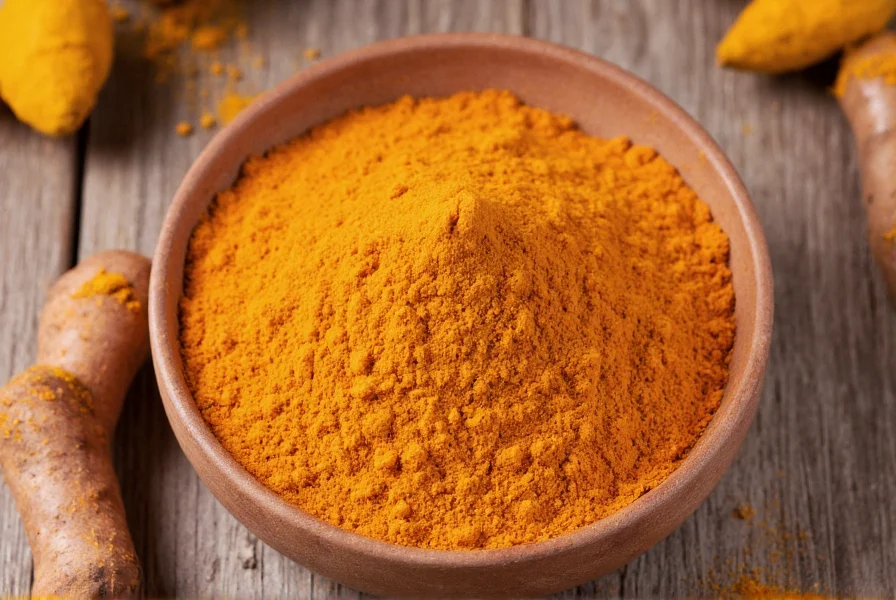
For centuries, traditional medicine systems have utilized turmeric for inflammatory conditions. Modern science now validates these uses while revealing important nuances about how turmeric reduces inflammation and its practical limitations.
Scientific Evolution: Key Research Milestones
Our understanding of turmeric's anti-inflammatory properties has progressed through distinct research phases, as documented by the National Center for Complementary and Integrative Health (NCCIH). This evolution explains why contemporary applications differ significantly from traditional use:
- Pre-1970s: Anecdotal evidence from Ayurvedic and Traditional Chinese Medicine texts describing anti-inflammatory applications
- 1971-1990s: Initial animal studies confirming anti-inflammatory effects and identification of curcumin as the active compound (Rao et al., Indian J Med Res)
- 1995-2003: Molecular mechanism discoveries (NF-kB inhibition) and bioavailability breakthroughs with piperine (Bharti et al., J Biol Chem; Shoba et al., Planta Med)
- 2010s-Present: Large-scale human trials validating efficacy for specific conditions like osteoarthritis (Daily et al., J Med Food)
This research trajectory demonstrates how scientific validation transformed traditional knowledge into evidence-based applications. The NCCIH maintains an updated research timeline in their comprehensive turmeric overview (nccih.nih.gov/health/turmeric).
The Active Compound Behind Turmeric's Anti-Inflammatory Power
Curcumin constitutes about 2-8% of raw turmeric root but delivers most therapeutic benefits. This polyphenol works through multiple pathways:
- Inhibits NF-kB, a key protein complex regulating inflammation
- Reduces production of inflammatory cytokines like TNF-α and IL-6
- Decreases activity of enzymes involved in inflammation (COX-2, LOX)
- Modulates immune cell function
Unlike single-pathway pharmaceutical anti-inflammatories, curcumin's multi-target approach to reducing inflammation makes it particularly valuable for chronic conditions where multiple inflammatory pathways are involved.
Clinical Evidence: What Research Shows
A comprehensive review of 29 randomized controlled trials (published in Journal of Medicinal Food) concluded that curcumin supplementation significantly reduced inflammatory markers compared to placebo. Key findings include:
| Condition Studied | Curcumin Dosage | Key Outcome |
|---|---|---|
| Osteoarthritis | 1,000 mg/day (bioavailable form) | 58% reduction in pain scores after 8 weeks |
| Rheumatoid arthritis | 500 mg twice daily | Comparable symptom relief to 50 mg diclofenac sodium |
| Post-surgical inflammation | 400 mg/day | 36% faster resolution of swelling |
However, research also reveals important limitations. A Phytotherapy Research meta-analysis noted that standard curcumin has poor bioavailability—only about 1% gets absorbed without enhancers. This explains why does turmeric really reduce inflammation depends heavily on formulation.
Contextual Limitations: When Turmeric Is and Isn't Effective
Clinical evidence shows distinct effectiveness patterns based on specific health contexts. The Arthritis Foundation's evidence review identifies clear boundaries for optimal use:
- Strong evidence scenarios: Chronic low-grade inflammation (osteoarthritis, metabolic syndrome), mild-to-moderate symptoms, and as part of comprehensive lifestyle management. Proven most effective when combined with healthy fats and bioavailability enhancers.
- Limited evidence scenarios: Acute severe inflammation (active rheumatoid arthritis flares), conditions requiring immediate symptom relief, and standalone treatment without medical supervision for diagnosed inflammatory conditions.
- Contraindicated situations: Bile duct obstruction, gallstone disease, concurrent use of blood thinners without physician consultation, and pregnancy (therapeutic doses).
These context boundaries explain why user experiences vary significantly. The Arthritis Foundation emphasizes turmeric may help osteoarthritis but should not replace conventional RA treatment during flares (arthritis.org/turmeric-and-arthritis).
Overcoming Bioavailability Challenges
Raw turmeric powder contains minimal curcumin and has extremely low absorption. For therapeutic effects, consider these evidence-based approaches:
- Piperine combination: Black pepper extract (piperine) increases curcumin absorption by 2,000%
- Liposomal or nanoparticle formulations: Improve absorption 5-10x over standard extracts
- Phospholipid complexes: Meriva® formulation shows 29x higher absorption
- Heat activation: Cooking turmeric in oil with black pepper enhances bioavailability
When evaluating best turmeric supplement for inflammation, look for products specifying curcumin content (not just "turmeric") and including bioavailability technology.
Practical Usage Guidelines
Based on current evidence, effective turmeric anti-inflammatory protocols include:
- Dosage: 500-1,500 mg of standardized curcumin (95% curcuminoids) daily, divided into 2 doses
- Timing: With meals containing healthy fats to enhance absorption
- Duration: Minimum 4-8 weeks to assess effectiveness
- Realistic expectations: Modest but meaningful reduction in inflammation, not complete elimination
For culinary use, combine 1-2 teaspoons of turmeric powder with black pepper and olive oil in cooking. This traditional preparation method significantly boosts how turmeric reduces inflammation compared to plain powder.
Evidence-Based Recommendations
Based on current research, turmeric supplementation shows most promise for:
- Mild to moderate osteoarthritis symptoms
- Exercise-induced muscle soreness
- Maintenance of cardiovascular health
- Supporting metabolic health in prediabetes
It works best as part of a comprehensive approach including diet, exercise, and stress management. For severe inflammatory conditions, it should complement—not replace—conventional medical treatment.
Conclusion
Turmeric's anti-inflammatory properties are well-documented in scientific literature, but effectiveness depends on proper formulation, dosing, and context-specific application. Understanding both the curcumin bioavailability issues and contextual limitations is crucial for achieving results. When used appropriately within its evidence-based boundaries, it offers a valuable, well-tolerated option for managing inflammation with fewer side effects than many pharmaceutical alternatives. Always prioritize evidence-based products and consult healthcare professionals for personalized guidance.
Frequently Asked Questions
How long does it take for turmeric to reduce inflammation?
Most clinical studies show measurable reductions in inflammatory markers within 4-6 weeks of consistent daily use at appropriate doses (500-1,500 mg of bioavailable curcumin). Some people notice symptom improvement within 2 weeks, while others may require 8-12 weeks for optimal effects, particularly for chronic joint conditions.
What's the most effective turmeric supplement for inflammation?
Look for supplements containing 500-750 mg of standardized curcumin (95% curcuminoids) combined with a bioavailability enhancer. Formulations with piperine (black pepper extract), phospholipids (Meriva®), or nanoparticle technology demonstrate significantly better absorption. Third-party testing verification (USP, NSF, ConsumerLab) ensures product quality and accurate labeling.
Can turmeric replace NSAIDs for inflammation?
Turmeric may reduce reliance on NSAIDs for mild to moderate inflammation but generally doesn't provide equivalent pain relief for acute severe inflammation. Research shows it works comparably to low-dose NSAIDs for chronic joint conditions but without the gastrointestinal risks. Never discontinue prescribed medications without consulting your healthcare provider.
Does cooking destroy turmeric's anti-inflammatory properties?
No, cooking actually enhances turmeric's benefits when done properly. Heating turmeric in oil with black pepper increases curcumin absorption. The traditional preparation method of golden milk (turmeric cooked in milk or plant-based milk with black pepper and healthy fats) creates a more bioavailable form than raw powder. Avoid boiling for extended periods, which may degrade some compounds.
Are there blood test markers to check if turmeric is working?
Yes, your healthcare provider can measure inflammatory markers like C-reactive protein (CRP), erythrocyte sedimentation rate (ESR), and interleukin-6 (IL-6) before and after 8-12 weeks of consistent turmeric supplementation. Significant reductions in these markers (typically 20-40%) indicate the anti-inflammatory effects are working. Always discuss testing with your physician.




 浙公网安备
33010002000092号
浙公网安备
33010002000092号 浙B2-20120091-4