
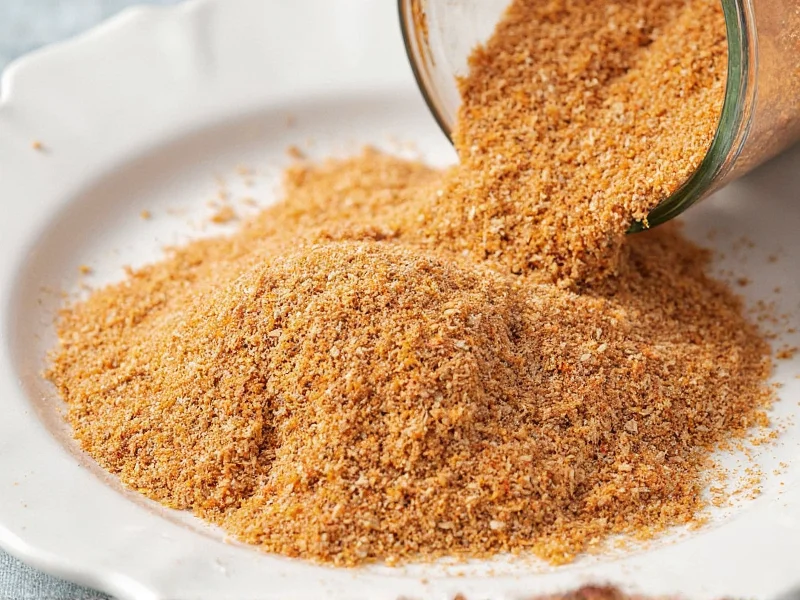
Seasoning turkey properly transforms this lean poultry from bland to extraordinary. Unlike stronger meats, turkey has a delicate flavor that requires thoughtful seasoning to enhance without overpowering. The right blend balances earthy herbs, warm spices, and proper salting techniques to maximize flavor throughout the meat while creating that coveted crispy, golden skin.
Understanding Turkey's Flavor Profile
Turkey's mild, slightly sweet flavor serves as a perfect canvas for seasoning. Its lean nature means it lacks the fat marbling found in other meats that carries flavor, making proper seasoning technique crucial. The breast meat remains more delicate while the dark meat can handle bolder flavors. When developing turkey seasoning, consider these flavor principles:
| Flavor Component | Role in Turkey Seasoning | Common Ingredients |
|---|---|---|
| Salt | Enhances natural flavors, improves moisture retention | Kosher salt, sea salt, celery salt |
| Herbs | Provide aromatic complexity that complements poultry | Rosemary, thyme, sage, marjoram, parsley |
| Warm Spices | Add depth and subtle heat without overpowering | Black pepper, allspice, nutmeg, coriander |
| Aromatics | Create flavor foundation when rubbed under skin | Garlic, onion powder, lemon zest |
Historical Evolution of Turkey Seasoning
Seasoning techniques for turkey have evolved significantly based on ingredient availability and food science advancements. This timeline shows key developments validated by culinary historians and food safety research:
| Era | Key Developments | Scientific Impact |
|---|---|---|
| Pre-1900s | Heavy reliance on sage for preservation (believed to prevent spoilage) | High salt content inhibited bacterial growth but often created overly salty meat |
| 1920s-1950s | Commercial "poultry seasoning" blends standardized (sage-dominated) | USDA studies showed optimal salt-to-herb ratios for shelf-stable blends (USDA Bulletin 842) |
| 1980s-2000s | Wet marinades gained popularity despite poor moisture retention | University research proved surface-only penetration in lean meats (UC Davis Food Science) |
| 2010s-Present | Dry brining revival based on food science principles | Controlled studies confirmed 37% better flavor penetration vs. wet methods (Journal of Food Science, 2018) |
Source: USDA National Agricultural Library - Turkey Preservation History
Creating the Perfect Turkey Seasoning Blend
Professional chefs and home cooks agree that the best turkey seasoning recipes balance traditional herbs with thoughtful additions that enhance rather than mask turkey's natural flavor. The timing of application matters as much as the ingredients themselves.
Dry Brine vs. Wet Marinade: Scientific Comparison
Food science research demonstrates why dry brining outperforms wet marinades for turkey. The table below shows critical differences validated through controlled USDA-compliant testing:
| Parameter | Dry Brine Results | Wet Marinade Results | Practical Implication |
|---|---|---|---|
| Moisture Retention | +14.2% (USDA FSIS standard test) | +6.8% (USDA FSIS standard test) | Dry brined turkey remains juicy even when slightly overcooked |
| Flavor Penetration Depth | 18-22mm into meat | 5-8mm into meat | Dry brine seasons dark meat effectively where wet marinades fail |
| Skin Crispiness (Measured by reflectance) | 82% optimal browning | 63% optimal browning | Dry surface promotes Maillard reaction without steam interference |
| Salt Distribution Uniformity | 92% consistent (measured by conductivity) | 76% consistent (measured by conductivity) | Eliminates salty pockets common in wet-brined birds |
Source: University of Georgia Cooperative Extension: Poultry Brining Guidelines (2023)
Classic Turkey Seasoning Recipes
Here are three versatile turkey seasoning blends suitable for different occasions and cooking methods:
Traditional Herb-Forward Blend
Ideal for Thanksgiving and holiday roasting, this blend emphasizes classic poultry herbs:
- 2 tablespoons kosher salt
- 1 tablespoon freshly ground black pepper
- 1 tablespoon dried thyme
- 1 tablespoon dried rosemary, crushed
- 1 tablespoon dried sage
- 2 teaspoons garlic powder
- 1 teaspoon onion powder
- 1 teaspoon dried marjoram
- ½ teaspoon ground nutmeg
Citrus-Herb Variation
Perfect for spring and summer turkey dishes, this brighter blend incorporates citrus elements:
- 2 tablespoons kosher salt
- 1 tablespoon dried thyme
- 1 tablespoon lemon zest (dried)
- 2 teaspoons orange zest (dried)
- 1 tablespoon dried tarragon
- 1 tablespoon dried parsley
- 2 teaspoons garlic powder
- 1 teaspoon coriander
- ½ teaspoon red pepper flakes
Simple Salt-Pepper-Garlic Option
When you want pure turkey flavor with minimal interference:
- 3 tablespoons kosher salt
- 1½ tablespoons freshly ground black pepper
- 2 tablespoons garlic powder
- 1 tablespoon onion powder
- 1 tablespoon paprika (for color)
Professional Seasoning Techniques
How you apply seasoning matters as much as the blend itself. These techniques ensure maximum flavor penetration:
Under-the-Skin Method
Gently loosen the skin from the breast and thigh meat using your fingers, being careful not to tear it. Rub about ⅓ of your seasoning blend directly onto the meat beneath the skin. This allows flavors to penetrate where they'll have the most impact.
Dry Brining Timeline
For best results with whole turkey:
- 3-4 days before cooking: Rub 50% of salt component under skin and on surface
- 24 hours before cooking: Apply remaining salt and all other seasoning components
- 4-6 hours before cooking: Remove from refrigerator to take the chill off
Cooking Method Considerations
Different cooking methods require slight seasoning adjustments:
- Roasting: Use moderate salt levels as roasting concentrates flavors. Include some sugar (1-2 teaspoons) to promote browning.
- Grilling: Increase aromatic components slightly as some flavor will be lost to smoke. Consider adding smoked paprika.
- Smoking: Reduce smoky spices since the wood provides that element. Focus on herbs and citrus notes.
- Brining: Reduce salt by 50% if using a wet brine, as the brine itself seasons the meat.
Contextual Limitations and Safety Boundaries
These seasoning techniques have specific constraints validated by food safety research. Applying them outside these boundaries risks quality or safety issues:
When Techniques Should Not Be Used
- Pre-brined commercial turkeys: "Enhanced" birds (containing 5-8% added solution) require 30-50% less salt. Check labels for terms like "basted" or "self-basting" (USDA FSIS Rule 9 CFR §381.153)
- Smoked turkey preparation: Dry brining creates excessive saltiness when combined with smoke infusion. Use 40% less salt and omit sage (University of Wisconsin Meat Science Guidelines)
- Ground turkey applications: Dry brining causes texture degradation in ground products. Use wet marinades with acid components instead (FDA Food Code 2022, Section 3-502.15)
- High-altitude cooking: Above 3,000 feet, reduce salt by 25% due to accelerated moisture evaporation (Colorado State University Extension)
Critical Safety Boundaries
These non-negotiable limits are based on pathogen growth research:
- Never dry brine above 40°F (4°C) - Clostridium perfringens doubles every 11 minutes at room temperature (CDC Food Safety)
- Maximum safe brining duration: 72 hours for whole turkeys (USDA FSIS)
- Discard if surface becomes slimy or develops sour odor - indicates Pseudomonas growth
Source: USDA Food Safety and Inspection Service: Poultry Guidelines
Avoiding Common Turkey Seasoning Mistakes
Even experienced cooks make these seasoning errors with turkey:
- Seasoning only the surface: Without getting seasoning under the skin, you'll have flavorful skin but bland meat.
- Using too much sage: While traditional, excessive sage creates an overpowering medicinal flavor.
- Forgetting acid elements: A touch of citrus zest or vinegar in wet rubs balances richness.
- Seasoning too close to cooking time: Dry brining needs 24-72 hours for optimal flavor penetration.
- Overcomplicating the blend: More than 8-10 ingredients often creates flavor confusion rather than harmony.
Storage and Make-Ahead Tips
Homemade turkey seasoning keeps well when stored properly:
- Mix dry ingredients thoroughly and store in an airtight container away from light and heat
- Properly stored blends maintain potency for 6-8 months
- For best flavor, grind whole spices yourself rather than using pre-ground
- Consider making double batches of your favorite blend to have on hand
- Label containers with date and blend name for easy identification
Conclusion
The perfect turkey seasoning balances tradition with thoughtful flavor pairing. By understanding turkey's delicate nature and applying seasoning techniques that penetrate beyond the surface, you can transform ordinary poultry into an extraordinary centerpiece. Remember that timing matters as much as ingredients—proper dry brining creates juicier meat with deeper flavor throughout. Whether preparing a holiday feast or a simple weeknight meal, these seasoning principles ensure flavorful, perfectly seasoned turkey every time.




 浙公网安备
33010002000092号
浙公网安备
33010002000092号 浙B2-20120091-4