
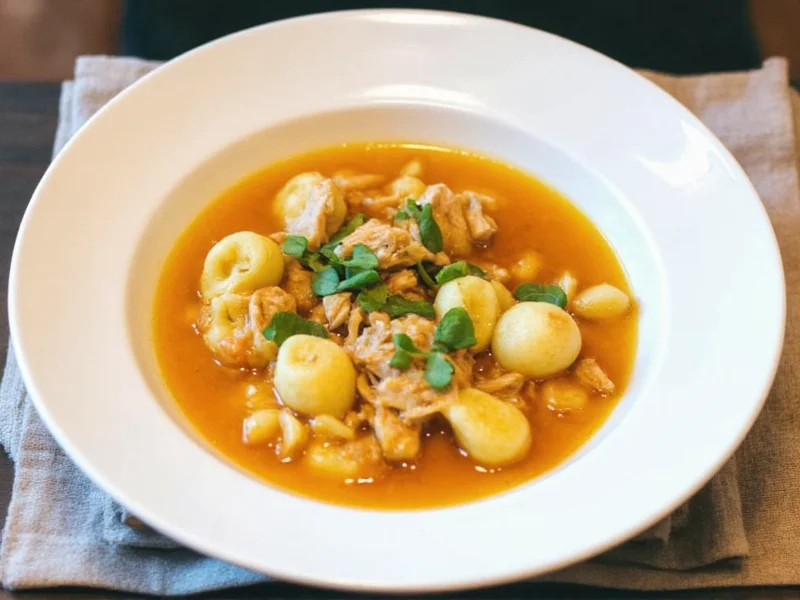
If you're searching for a comforting, restaurant-quality chicken and gnocchi soup recipe that comes together quickly on a weeknight, you've found the perfect solution. This creamy chicken gnocchi soup delivers rich flavor with minimal effort, making it ideal for busy home cooks who still want a satisfying homemade meal. Unlike many recipes that require hours of simmering, our method achieves deep flavor in just 25 minutes by using smart techniques that maximize taste without unnecessary steps.
Why This Chicken and Gnocchi Soup Recipe Works
What sets this easy chicken and gnocchi soup recipe apart from others is its balance of convenience and quality. Most quick soup recipes sacrifice depth of flavor, but our technique builds layers of taste through proper searing and strategic ingredient addition. The secret lies in properly browning the chicken first, which creates fond (those delicious browned bits) that forms the flavor foundation when deglazed with broth. Using both chicken thighs and breasts gives the perfect texture combination—thighs stay moist while breasts provide lean protein.
Complete Ingredient Breakdown
Understanding each component's role ensures your creamy chicken gnocchi soup turns out perfectly every time:
- Chicken: 1.5 lbs boneless, skinless chicken thighs (better flavor than breasts) and 8 oz chicken breasts (for texture variation)
- Gnocchi: 16 oz shelf-stable potato gnocchi (not refrigerated or frozen for best texture in soup)
- Aromatics: 1 large yellow onion, 3 celery stalks, and 3 carrots, all finely diced for even cooking
- Garlic: 4 cloves, minced (added after vegetables to prevent burning)
- Herbs: 2 sprigs fresh thyme and 1 bay leaf (dried thyme works in pinch but fresh is superior)
- Liquid: 4 cups low-sodium chicken broth plus 1 cup water (better control of saltiness)
- Cream: 1 cup heavy cream or full-fat coconut milk for dairy-free option
- Thickener: 3 tbsp all-purpose flour (or cornstarch for gluten-free version)
- Finishing: 2 tbsp lemon juice and 1/4 cup fresh parsley
Essential Equipment
You don't need specialty tools for this best chicken and gnocchi soup recipe:
- 6-quart heavy-bottomed pot or Dutch oven (prevents scorching)
- Wooden spoon for stirring
- Sharp chef's knife and cutting board
- Measuring cups and spoons
- Meat thermometer (for perfect chicken doneness at 165°F)
Step-by-Step Cooking Instructions
- Prep ingredients: Dice all vegetables to uniform 1/4-inch pieces for even cooking. Mince garlic separately. Cut chicken into 1-inch cubes.
- Sear chicken: Heat 2 tbsp olive oil over medium-high heat. Season chicken with salt and pepper, then sear until golden (about 3-4 minutes per side). Remove and set aside—don't cook through completely.
- Sauté vegetables: In same pot, add onions, celery, and carrots. Cook 8-10 minutes until softened but not browned. Add garlic and cook 1 minute until fragrant.
- Create roux: Push vegetables to sides, melt 3 tbsp butter in center, then whisk in flour to form paste. Cook 2 minutes to eliminate raw flour taste.
- Build broth: Gradually whisk in chicken broth, scraping up browned bits from bottom. Add bay leaf and thyme.
- Simmer: Return chicken to pot. Simmer 10 minutes until chicken is nearly cooked through.
- Add gnocchi: Stir in gnocchi and cook according to package directions (usually 2-3 minutes—they float when done).
- Finish cream: Reduce heat to low, stir in cream, lemon juice, and parsley. Never boil after adding dairy to prevent curdling.
Pro Tips for Perfect Chicken Gnocchi Soup
These professional techniques transform good soup into exceptional:
- Don't overcook gnocchi: Add them in the last 3-4 minutes as they continue cooking off-heat. Overcooked gnocchi turns to mush.
- Acid balance: The lemon juice at the end isn't optional—it cuts through the richness and makes flavors pop.
- Temperature control: Keep soup below simmering point after adding cream to maintain smooth texture.
- Resting time: Let soup sit 5 minutes off-heat before serving—flavors meld and gnocchi finish cooking gently.
Helpful Variations and Substitutions
Adapt this quick weeknight chicken gnocchi soup to your dietary needs:
| Dietary Need | Substitution | Adjustment Tips |
|---|---|---|
| Gluten-Free | Use cornstarch instead of flour | Mix 2 tbsp cornstarch with 3 tbsp cold water before adding to broth |
| Dairy-Free | Full-fat coconut milk for cream | Add 1 tsp nutritional yeast for cheesy depth |
| Vegetarian | Mushroom broth + white beans | Use 1 cup cannellini beans for protein; omit chicken |
| Lower Carb | Zucchini noodles instead of gnocchi | Add in last 2 minutes of cooking only |
Storage and Reheating Instructions
This homemade chicken gnocchi soup with vegetables stores well with proper technique:
- Refrigeration: Cool completely within 2 hours. Store in airtight container for up to 3 days. Gnocchi will absorb liquid—add 1/4 cup broth when reheating.
- Freezing: Not recommended for gnocchi-based soups as potato dumplings become mushy when frozen and thawed.
- Reheating: Warm gently over medium-low heat, stirring frequently. Never boil to prevent dairy separation. Add splashes of broth if too thick.
Frequently Asked Questions
Can I use frozen gnocchi in chicken gnocchi soup?
Yes, but add frozen gnocchi directly to simmering broth without thawing. They'll take 1-2 minutes longer to cook than shelf-stable varieties. Watch carefully as frozen gnocchi can break apart more easily—stir gently with a silicone spatula.
Why does my chicken gnocchi soup curdle?
Curdling happens when dairy is exposed to high heat or sudden temperature changes. Always reduce heat to low before adding cream, and never let the soup boil after dairy is incorporated. If curdling occurs, immediately remove from heat and whisk in 1-2 tsp cornstarch mixed with cold water.
How can I make chicken gnocchi soup thicker without flour?
Create natural thickness by blending 1 cup of cooked soup (without gnocchi) until smooth, then stirring it back into the pot. Alternatively, mash some of the cooked potatoes against the pot side. For gluten-free thickening, use 1 tbsp arrowroot powder mixed with 2 tbsp cold water.
What vegetables work best in chicken gnocchi soup?
Classic mirepoix (onion, celery, carrot) provides ideal flavor foundation. For extra nutrition, add 1 cup chopped kale or spinach in the last 2 minutes of cooking. Avoid watery vegetables like zucchini that release too much liquid. Leeks make an excellent onion substitute for milder flavor.




 浙公网安备
33010002000092号
浙公网安备
33010002000092号 浙B2-20120091-4