
The Ultimate Veggie Medley Seasoning Guide: From Bland to Grand!
Welcome, spice lovers and veggie warriors! If you’ve ever stared at a bowl of mixed vegetables wondering how to make them sparkle without overdoing it with salt or oil, then this is your lucky day. We’re diving into the vibrant world of vegetable medley seasoning — the unsung hero that transforms ho-hum produce into flavor-packed delights.
Whether you're a seasoned chef or a kitchen newbie, we've got tips, tricks, and a dash of science to help you master the art of seasoning veggies like a pro. So grab your whisk (or just a spoon), and let’s get spiced up!
Table of Contents
- Why Vegetable Medley Seasoning Matters
- Essential Spices for Your Veggie Mix
- Pro Tips for Perfectly Seasoned Veggies
- Spice Profiles & Pairings You’ll Love
- DIY Vegetable Medley Seasoning Blends
- Common Mistakes & How to Avoid Them
- Visual Flavor Guide: Spice vs. Veggie Matchup
- Conclusion: Season Smart, Eat Happy
Why Vegetable Medley Seasoning Matters
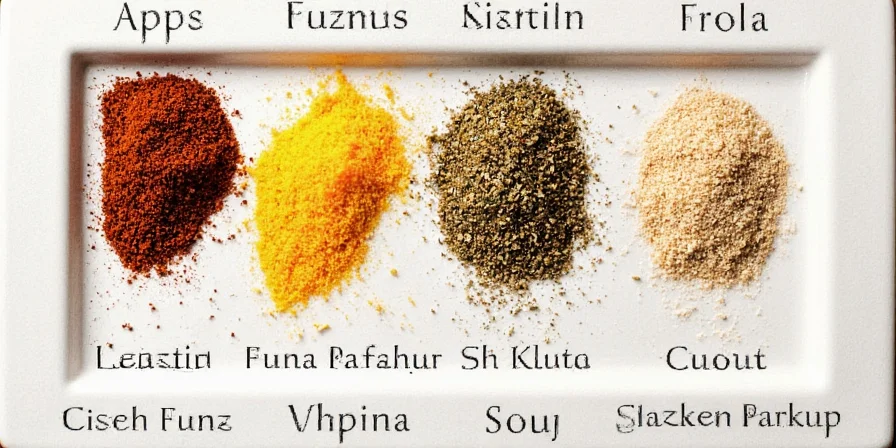
Let’s face it — vegetables are healthy, but sometimes they need a little help being exciting. That’s where seasoning comes in. A good vegetable medley seasoning doesn’t just add flavor; it enhances texture, aroma, and overall enjoyment of your dish.
Think of seasoning as your secret weapon against blandness. With the right blend, you can take a simple roasted squash and zucchini combo from “meh” to “mind-blowing.” And best of all? It’s often healthier than drowning your veggies in butter or sauce.
Essential Spices for Your Veggie Mix
Here’s a list of go-to spices that every veggie lover should have in their pantry:
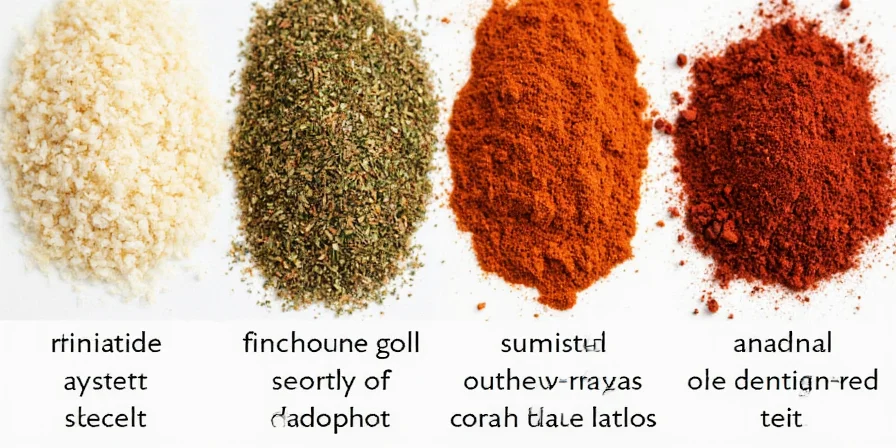
- Paprika – Smoky or sweet, depending on the variety
- Cumin – Earthy, nutty, and slightly spicy
- Garlic powder – Umami-rich and universally loved
- Onion powder – Milder than fresh onions, but still packed with flavor
- Thyme – Herbal, woodsy notes perfect for roasting
- Dill – Bright and fresh, great for summer veggies
- Coriander – Citrusy and floral
- Smoked salt or sea salt – For depth and balance
- Chili flakes or cayenne – Add heat without overpowering
- Fennel seeds or powder – Sweet licorice-like flavor that works wonders
Pro Tips for Perfectly Seasoned Veggies
- Taste as You Go: Don’t be afraid to taste your seasoning before tossing it onto the veggies. It helps avoid an accidental flavor explosion later.
- Use Oil Wisely: A touch of olive oil, avocado oil, or coconut oil helps spices stick and flavors bloom during roasting or sautéing.
- Layer Flavors: Start with a base seasoning (like salt and garlic powder), add middle notes (cumin or thyme), and finish with top notes (lemon zest or dill).
- Rub It In: When roasting, massage the seasoning into the vegetables for better absorption.
- Sprinkle After Cooking: Fresh herbs or citrus zest added after cooking give a bright finishing touch.
- Balance Sweet and Savory: Root vegetables like carrots or beets love a hint of cinnamon or smoked paprika.
Spice Profiles & Pairings You’ll Love
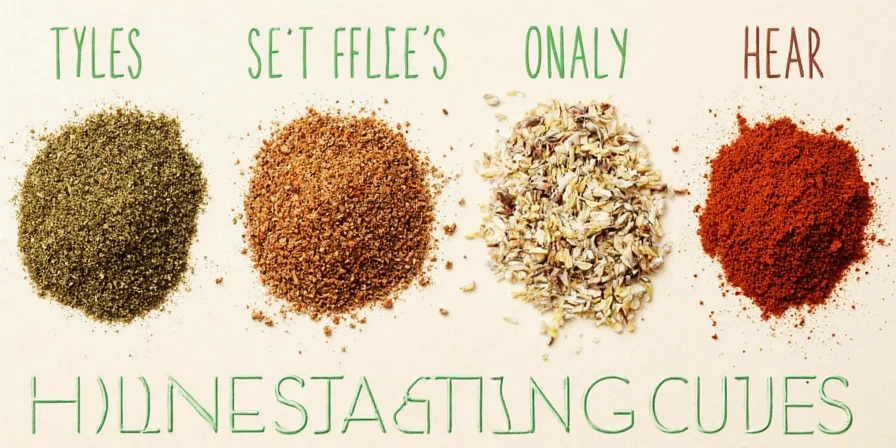
Understanding which spices complement which veggies can make or break your dish. Here’s a quick cheat sheet:
| Veggie Type | Best Spice Matches | Flavor Profile |
|---|---|---|
| Leafy Greens (Kale, Spinach) | Red pepper flakes, lemon zest, garlic powder | Peppery, earthy, bright |
| Cruciferous (Broccoli, Cauliflower) | Cumin, turmeric, coriander | Warm, aromatic, bold |
| Root Vegetables (Carrots, Beets) | Cinnamon, smoked paprika, ginger | Sweet, smoky, cozy |
| Nightshades (Bell Peppers, Eggplant) | Oregano, basil, chili flakes | Mediterranean, herbaceous, spicy |
| Alliums (Onions, Garlic) | Thyme, fennel, parsley | Herbal, savory, aromatic |
DIY Vegetable Medley Seasoning Blends
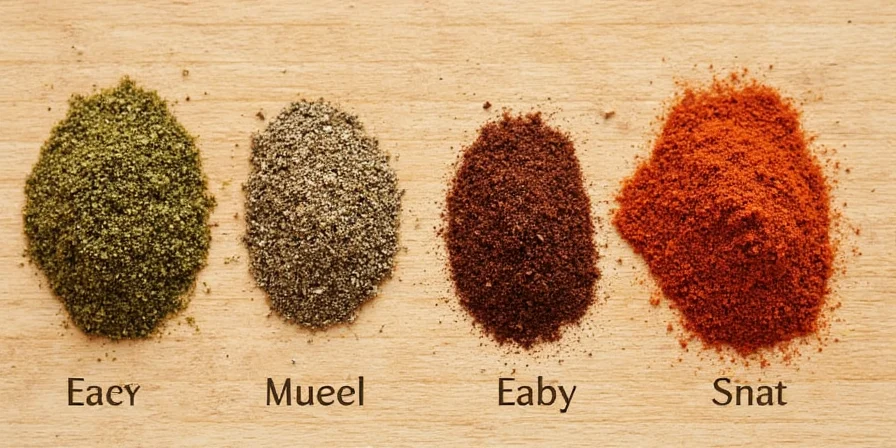
Create your own signature blends and keep them ready for those last-minute veggie dinners. Here are three tried-and-true mixes:
1. Mediterranean Magic Blend
- 2 tbsp dried oregano
- 1 tbsp basil
- 1 tbsp garlic powder
- 1 tbsp onion powder
- 1 tsp red pepper flakes
- 1 tsp sea salt
- 1 tsp black pepper
Best for: Roasted eggplant, peppers, tomatoes, and zucchini.
2. Earthy Roast Master
- 2 tbsp smoked paprika
- 1 tbsp ground cumin
- 1 tbsp coriander
- 1 tbsp garlic powder
- 1 tsp turmeric
- 1 tsp sea salt
- 1 tsp black pepper
Best for: Carrots, cauliflower, broccoli, and parsnips.
3. Zen Garden Dust
- 2 tbsp dried dill
- 1 tbsp lemongrass or lemon zest powder
- 1 tbsp ground ginger
- 1 tbsp garlic powder
- 1 tsp fennel seeds (crushed)
- 1 tsp sea salt
Best for: Green beans, peas, snap peas, and baby bok choy.
Common Mistakes & How to Avoid Them
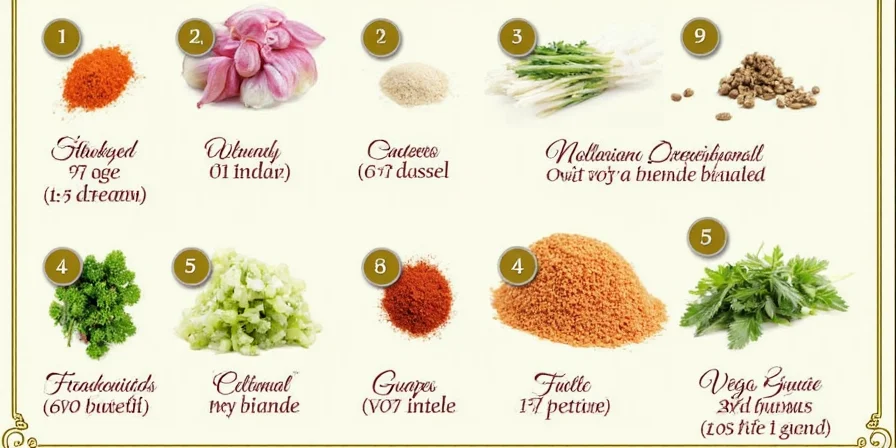
We’ve all been there — one too many shakes of cayenne or forgetting to mix spices evenly. Let’s prevent some common seasoning snafus:
- Mistake #1: Too Much Salt
Start with half the recommended amount. You can always add more, but you can’t take it out! - Mistake #2: Overloading with Heat
Spicy seasonings like cayenne and chili flakes pack a punch. Use sparingly unless you enjoy crying while eating (not cute). - Mistake #3: Not Mixing Well
Clumpy spices won’t distribute flavor evenly. Use a whisk or small fork to blend thoroughly before using. - Mistake #4: Seasoning After Cooking
Some spices (like cumin or smoked paprika) need heat to open up. Tossing them on after cooking means losing that rich depth. - Mistake #5: Storing Incorrectly
Keep your DIY blends in airtight jars away from sunlight and moisture. They’ll stay potent for months!
Visual Flavor Guide: Spice vs. Veggie Matchup
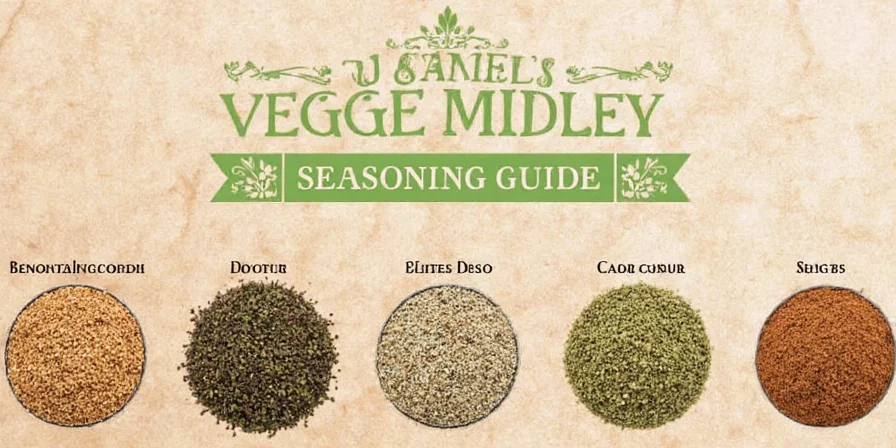
To help you visualize how different spices interact with various vegetables, here's a handy flavor wheel-style breakdown:
| Veggie | Bold | Earth | Herb | Heat | Sweet | Fresh |
|---|---|---|---|---|---|---|
| Broccoli | Cumin | Turmeric | Thyme | Cayenne | Honey (as glaze) | Lemon zest |
| Carrot | Smoked paprika | Cumin | Marjoram | Harissa | Cinnamon | Orange zest |
| Zucchini | Ancho chili powder | Oregano | Basil | Chili flakes | Fennel | Mint |
| Eggplant | Cumin | Paprika | Oregano | Cayenne | Honey | Basil |
| Kale | Black pepper | Garlic powder | Thyme | Tabasco (post-cook) | Maple syrup drizzle | Lemon juice |
Conclusion: Season Smart, Eat Happy
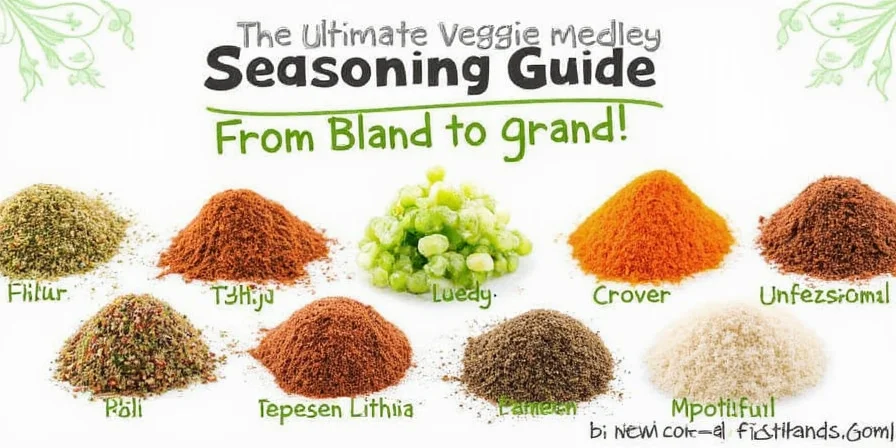
Vegetable medley seasoning isn’t just about making food tasty — it’s about making your meals enjoyable, satisfying, and nutritionally balanced. With the right spice blend, you can turn even the humblest of vegetables into a showstopper.
Remember, seasoning is personal. What tastes divine to you might be too strong for someone else. Experiment, have fun, and don’t be afraid to create your own unique combinations. Whether you're roasting, steaming, grilling, or sautéing, your spice rack is your palette — so paint those veggies with flavor!
So next time you're staring at a pile of colorful produce, smile, reach for your favorite spice jar, and say goodbye to boring meals forever.




 浙公网安备
33010002000092号
浙公网安备
33010002000092号 浙B2-20120091-4